Simple Acne Skincare Steps for Calmer, Clearer Skin
Discover effective acne skincare steps for calmer, clearer skin. Learn what products to use, common mistakes to avoid, and when to see a dermatologist.

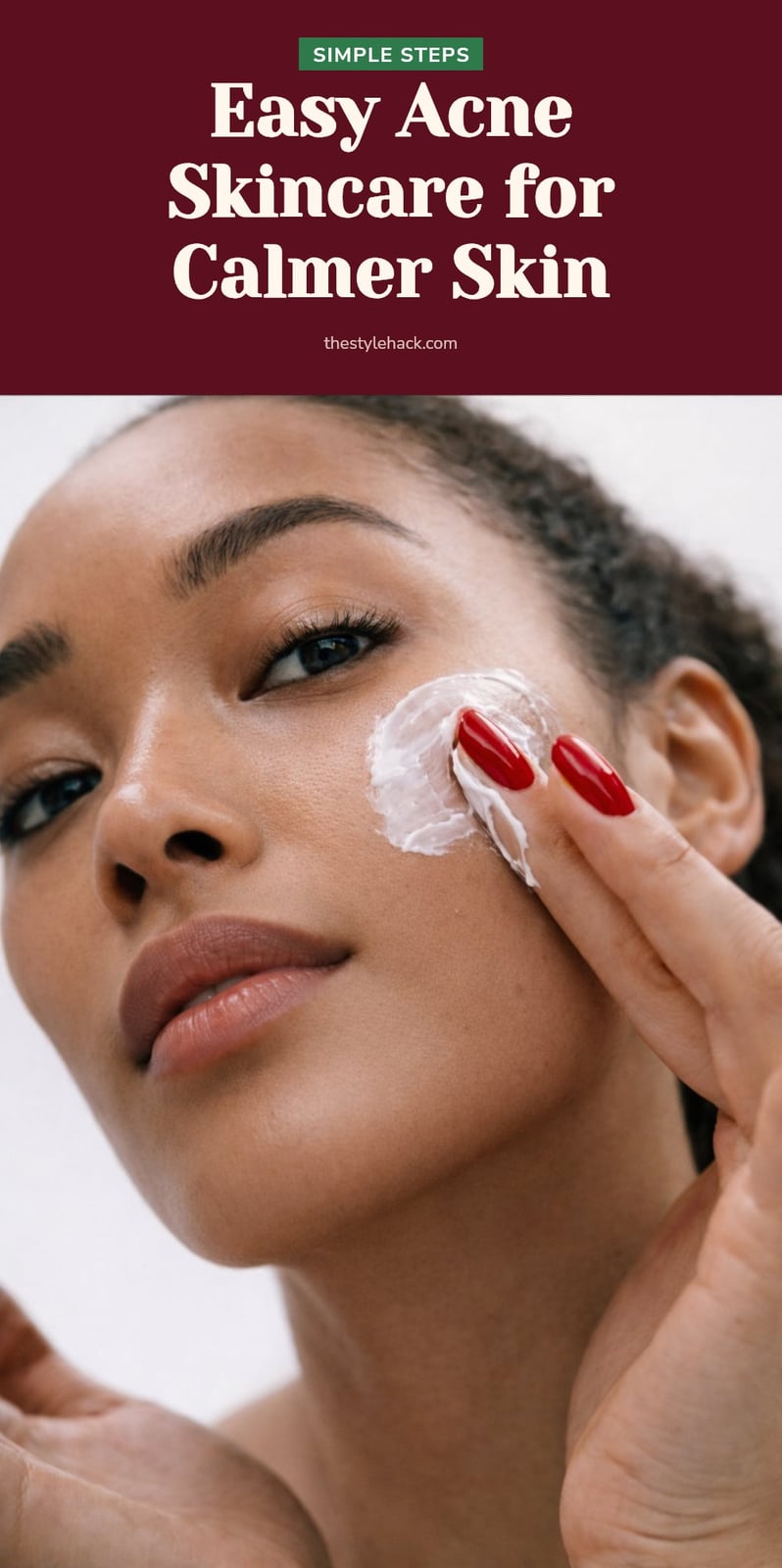
Dealing with acne can feel like a never-ending battle, but a simple, consistent routine can make a real difference. The key is to focus on gentle cleansing, targeted treatment, and proper hydration, while avoiding habits that irritate your skin. This article walks you through the essential steps, common mistakes, and what to expect on your journey to calmer, clearer skin.
Key Takeaways
- Cleanse gently twice daily with a mild cleanser and lukewarm water.
- Apply a thin layer of acne treatment to the whole affected area, not just spots.
- Moisturize daily with a lightweight, non-comedogenic moisturizer, even if oily.
- Wear broad-spectrum sunscreen with SPF 30 or higher every day.
- Give your routine at least 4-6 weeks before expecting visible improvement.
1. How to Build an Effective Acne Skincare Routine
A consistent acne skincare routine rests on three pillars: gentle cleansing, targeted treatment, and adequate hydration. Active ingredients like salicylic acid, benzoyl peroxide, or retinoids help unclog pores and reduce bacteria, but they also make skin more sensitive. That is why protecting your skin from irritation and daily sun exposure is just as important as the treatments themselves. Visible improvements typically take several weeks to months, so patience and consistency matter more than any single product.
2. Essential Products for Acne-Prone Skin
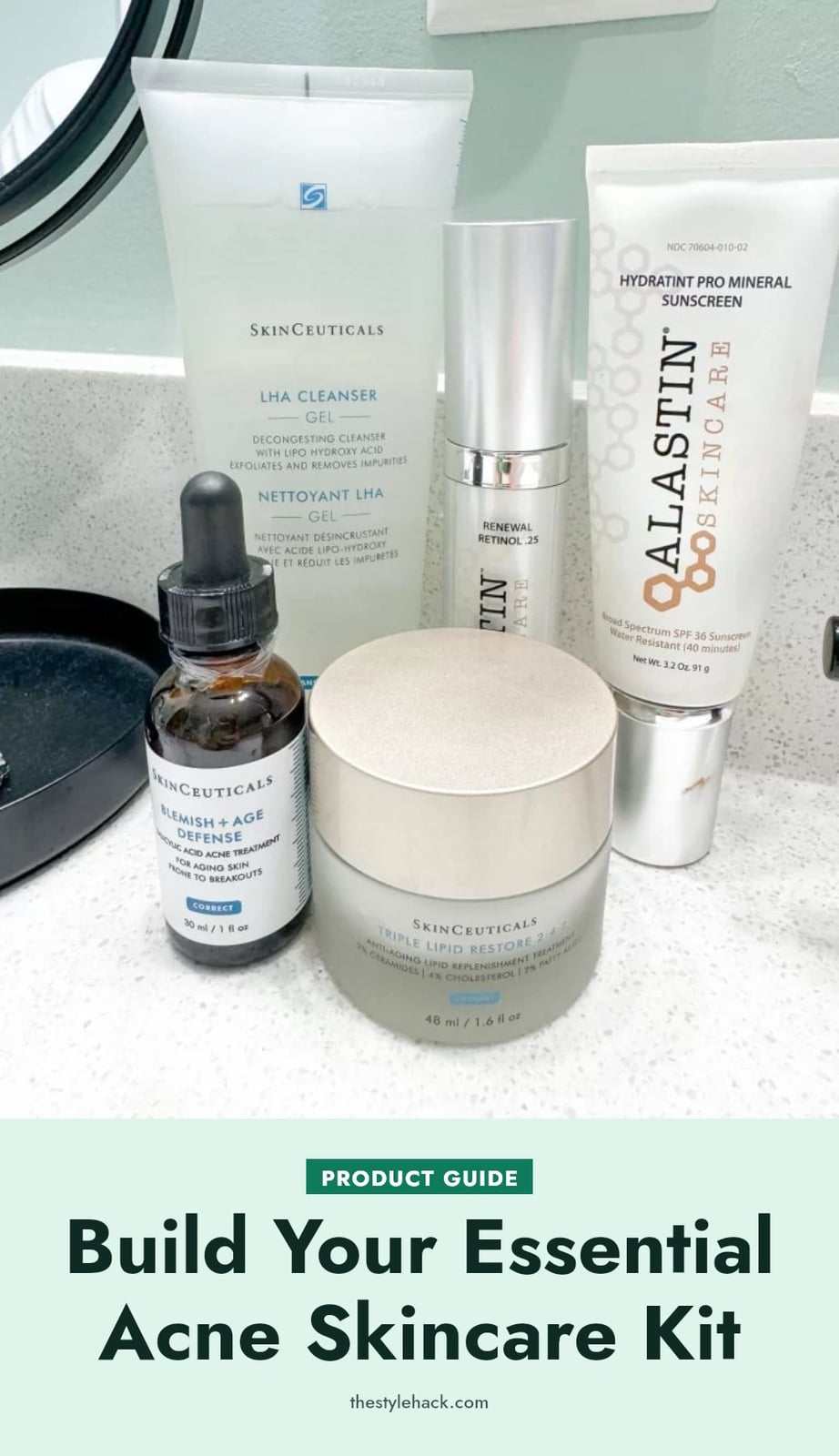
Building an effective acne routine starts with the right products. Each serves a specific purpose:
- Gentle facial cleanser: Removes dirt and oil without stripping your skin’s natural barrier.
- Salicylic acid product (BHA): Exfoliates inside the pores to unclog them.
- Benzoyl peroxide product: Kills acne-causing bacteria and helps shed dead skin cells.
- Adapalene gel (over-the-counter retinoid): Normalizes cell turnover to prevent pores from clogging.
- Lightweight, non-comedogenic moisturizer: Keeps your skin barrier healthy without adding oil.
- Broad-spectrum sunscreen (SPF 30+): Protects skin that is more vulnerable when using active ingredients.
3. Your Daily Acne Skincare Routine

A simple, consistent routine morning and night gives your skin the best chance to improve.
- Cleanse gently: Wash your face twice a day with a mild cleanser. Use lukewarm water and your fingertips, no scrubbing.
- Apply treatment: After cleansing, spread a thin layer of your acne product over the entire affected area, not just individual spots. This helps prevent new breakouts before they form.
- Moisturize: Follow with a lightweight, non-comedogenic moisturizer. Even oily skin needs hydration to keep the barrier intact.
- Protect in the morning: Finish your AM routine with a broad-spectrum sunscreen of at least SPF 30. Many acne treatments increase sun sensitivity.
- Patch test new products: Before using anything new on your whole face, apply a small amount behind your ear or on your jawline for a few days to check for irritation.
Stick with each product for at least 4-6 weeks before judging results.
4. Understanding What Causes Acne Breakouts
Acne starts when hair follicles become clogged with oil and dead skin cells. This blockage can take several forms, from blackheads and whiteheads to inflamed papules, pustules, nodules, and cysts.
5. What contributes to clogged pores?
- Excess oil production: Your sebaceous glands can produce too much sebum, which mixes with dead cells.
- Dead skin cells: When cells shed irregularly, they can accumulate inside the follicle.
- Bacteria: Cutibacterium acnes bacteria can multiply in clogged pores, triggering inflammation.
- Inflammation: The body’s immune response turns a clogged pore into a red, swollen blemish.
Understanding these factors helps you choose treatments that target the root causes rather than just the symptoms.
6. Common Acne Skincare Mistakes to Avoid
Even with the best products, a few habits can quietly undo your progress. Here is what I see most often.
- Over-drying your skin: Layering several harsh treatments at once strips your barrier and causes irritation. Introduce each new active slowly, one at a time.
- Skipping moisturizer: Oily skin still needs hydration. When you skip it, your skin may produce more oil to compensate, which can worsen breakouts.
- Picking or squeezing blemishes: This can worsen inflammation, introduce infection, and leave permanent scars. Leave extractions to a professional.
- Switching products too often: Give any product at least 4-6 weeks of consistent use before judging it. Frequent changes reset your progress.
- Forgetting sunscreen: Many acne treatments increase sun sensitivity. Daily SPF 30+ prevents damage and dark spots.
- Using comedogenic products: Anything not labeled non-comedogenic can clog pores. Check labels on makeup, moisturizers, and sunscreens.
7. Expert Tips for Managing Acne-Prone Skin

Small daily habits can make a real difference for acne-prone skin. These are the ones I come back to.
- Change pillowcases regularly: Oil, dirt, and bacteria build up on fabric and transfer to your face overnight. Swap yours at least once a week.
- Be patient and consistent: Initial results usually show in 4-6 weeks, with fuller improvement at 2-3 months. Stick with your routine that long before changing anything.
- Consider your lifestyle: Stress, diet, and sleep can influence breakouts, even if they don’t directly cause them. Prioritize sleep and manage stress where you can.
- Avoid harsh scrubbing: Over-washing or abrasive scrubs irritate the skin and can trigger more breakouts. Cleanse gently with your fingertips.
8. What to Expect: Timeline and Product Costs
Knowing what to expect helps you stay consistent instead of giving up too soon.
- Initial results: Visible improvement typically begins within 4 to 6 weeks of consistent use.
- Full results: Complete improvement often takes 2-3 months or longer, so patience is key.
- Product costs: Over-the-counter acne products generally run $10-$30 per item, so a basic routine is accessible.
- Prescription costs: Dermatologist visits and prescription treatments cost more, though insurance often covers part of it.
9. When to Consult a Dermatologist for Your Acne
Your skincare routine can only do so much. A dermatologist can help when you need more than over-the-counter options.
- Severe or persistent acne: If your acne is cystic, painful, or hasn’t improved after 4-6 weeks of consistent OTC treatment, seek professional advice.
- Bad reactions: Severe or persistent irritation, dryness, or peeling from your routine means you should reduce use and consult a dermatologist.
- Possible underlying causes: If you suspect hormonal imbalances or other health conditions are driving your acne, a doctor can investigate.
- Scarring concerns: If you’re worried about scars or dark spots left by breakouts, a dermatologist can recommend treatments to minimize them.
10. Frequently Asked Questions
11. Can I use multiple acne treatments at once?
It is possible, but you need to be cautious. Layering several strong active ingredients at the same time can over-dry and irritate your skin, which may actually worsen breakouts. A common approach is to introduce one active at a time and see how your skin reacts. If you want to combine treatments, consider using them at different times of day, like a benzoyl peroxide wash in the morning and a retinoid at night. For severe acne, a dermatologist can guide you on safe combinations.
12. How long does it take for acne skincare to work?
Most people see visible improvements within 4 to 6 weeks of consistent use. However, full results often take 2 to 3 months or longer, so patience is essential. Switching products too frequently can prevent them from working, so give each new product enough time before evaluating its effectiveness. If you have not seen improvement after 4 to 6 weeks, consider consulting a dermatologist.
13. Do I need to moisturize if I have oily skin?
Yes, even if your skin feels oily, moisturizing is important. Skipping moisturizer can strip your skin of natural oils, which may trigger it to produce even more oil to compensate. A lightweight, non-comedogenic moisturizer helps maintain a healthy skin barrier without clogging pores. This can actually help reduce excess oiliness over time.
14. What are non-comedogenic products?
Non-comedogenic products are formulated specifically not to clog pores. This is crucial for acne-prone skin, as clogged pores are a primary cause of breakouts. Look for this label on cleansers, moisturizers, sunscreens, and makeup to reduce the risk of new blemishes. While it is not a guarantee, it is a helpful guideline when choosing skincare.
15. Does diet affect acne?
Research on diet and acne is not definitive, but some studies suggest that high-glycemic foods and dairy may influence breakouts in some people. If you notice a pattern between certain foods and your acne, it may be worth reducing those items to see if it helps. However, diet is just one factor, and a consistent skincare routine remains the foundation of acne management. For persistent acne, talk to a dermatologist about your overall approach.
16. Final Thoughts
Stick with a consistent routine that includes gentle cleansing, a targeted treatment like salicylic acid or benzoyl peroxide, and a non-comedogenic moisturizer. Protect your skin with daily sunscreen and resist the urge to pick or over-scrub. Expect initial results in 4 to 6 weeks, with fuller improvement taking 2 to 3 months or longer. If your acne is severe, painful, or not responding to over-the-counter options, consult a dermatologist for personalized guidance.
This article is for general informational purposes only and is not a substitute for professional medical advice. Acne can have many causes, and what works for one person may not work for another. If you have severe, cystic, or persistent acne, or if you experience significant irritation from skincare products, please consult a dermatologist or healthcare provider for personalized guidance.
More Blog ideas
- How to Heal Chapped Lips Overnight with Simple Steps
- Atomic Habits: 5 Lessons to Build Better Habits
- Hyaluronic Acid for Beginners
- How to Build a Gentle Skincare Routine for Sensitive Skin
- Beat Frizzy Hair: Easy Remedies for Smooth, Shiny Strands
- How to Increase Your Daily Drinking Water Intake
- Washing Hair Mistakes to Avoid and What to Do Instead
- Bleaching Hair Tips for Less Damage
- How to Make Your Body Mist Last Longer All Day
- How to Fix Your Skincare Routine
- Nervous System Regulation Tips
- Vagus Nerve Exercises for Stress Relief






