How to Increase Your Daily Drinking Water Intake: Simple Strategies
Learn how to increase your daily drinking water intake with easy strategies. Boost energy and improve health by making hydration a consistent habit.


Struggling to drink enough water every day? You’re not alone. Many of us know we should stay hydrated, but between busy schedules and forgetfulness, it’s easy to fall short. This article covers simple, practical strategies to help you increase your daily water intake without feeling like a chore.
From setting reminders to eating water-rich foods, these tips are designed to fit into your routine seamlessly. Let’s dive into what works.
Key Takeaways
- Drink a full glass of water first thing in the morning to rehydrate after sleep.
- Carry a reusable water bottle to keep water visible and accessible all day.
- Set hourly phone reminders to prompt consistent sips when you’re busy.
- Add natural flavors like lemon or cucumber to make plain water more appealing.
- Include water-rich foods like watermelon and cucumbers in your snacks and meals.
1. Why Drinking Enough Water Matters for Your Health
Water makes up about 50-60% of your body weight, and it plays a direct role in transporting nutrients, regulating temperature, and flushing out waste. When you stay consistently hydrated, you help prevent fatigue, headaches, and the mental fog that dehydration can bring. The general recommendation for women is roughly 11.5 cups (2.7 liters) per day, and for men it is about 15.5 cups (3.7 liters). That total includes fluids from food and other drinks, not just plain water. Keep in mind that exercise, hot weather, illness, and pregnancy all raise your body’s fluid needs, so adjust your intake accordingly.
2. 1. Start Your Day with a Glass of Water

Drink a full glass of water as soon as you wake up, even before your coffee. After several hours of sleep, your body is naturally dehydrated, and this first glass kickstarts your metabolism and rehydrates you. My tip: Keep a glass or a small bottle of water on your nightstand so it is the first thing you reach for. This simple setup removes the need to decide or search for water when you are still groggy.
3. 2. Carry a Reusable Water Bottle

Having a reusable water bottle within arm’s reach is one of the simplest ways to drink more throughout the day. When you can see it on your desk, in your bag, or next to you on the couch, you are far more likely to take small sips regularly. My tip: Choose a bottle you like the look and feel of, and make sure it is easy to clean. A good bottle really does make a difference in how often you reach for it.
4. 3. Set Regular Reminders
It is easy to go hours without drinking when you are busy or distracted. Set hourly reminders on your phone or smartwatch to prompt you to take a few sips. The consistent nudges help build the habit without requiring you to actively remember. Tip: Start with reminders every hour or two, then adjust the frequency as you get better at remembering on your own. You will be surprised how quickly the habit sticks.
5. 4. Infuse Your Water with Flavor
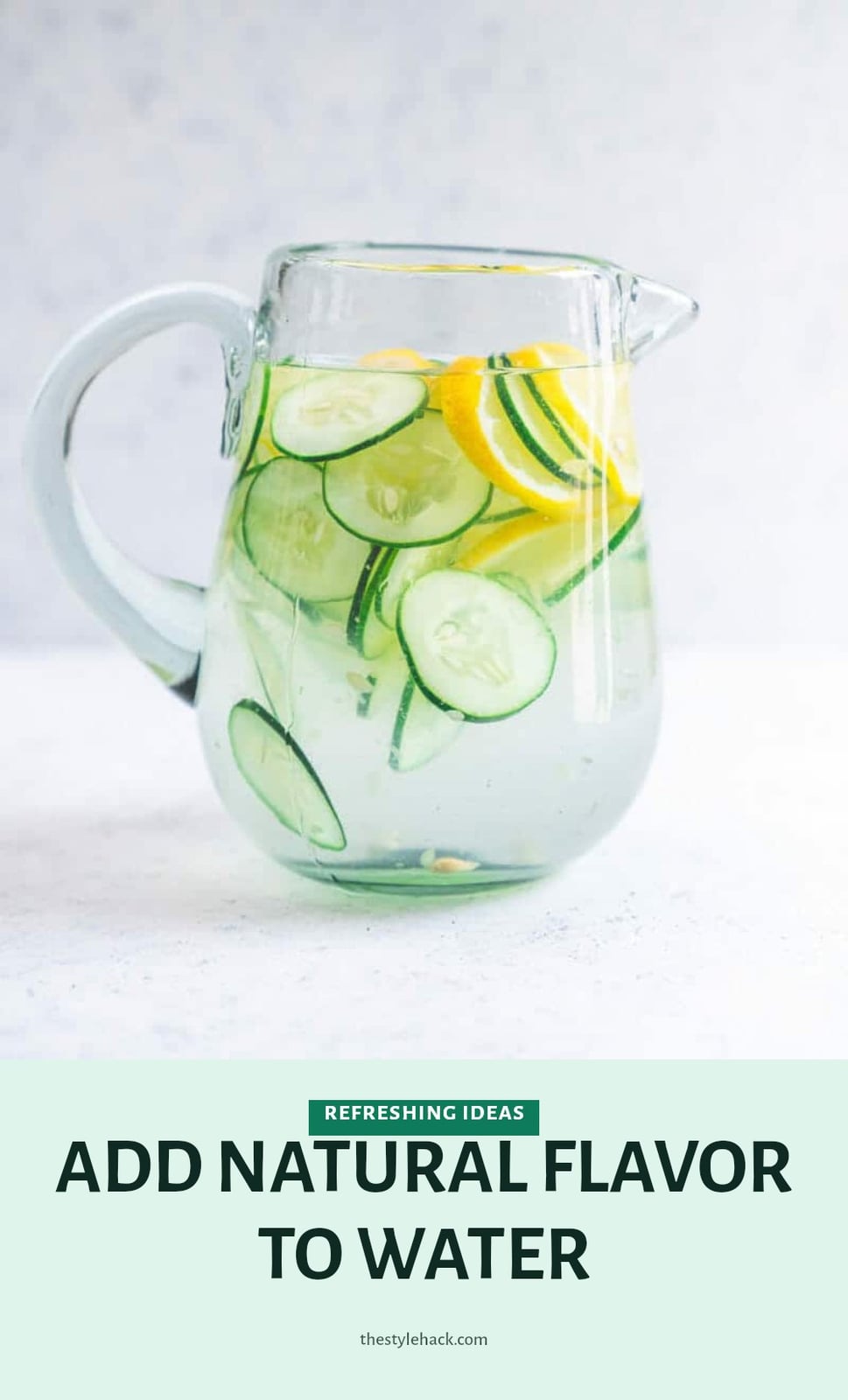
If plain water feels boring, add natural flavor to make it something you actually look forward to. Slices of lemon, lime, cucumber, mint leaves, or a handful of berries can turn a plain glass into a refreshing drink with zero added sugar or artificial ingredients.
Good to know: Prep a pitcher of infused water in the morning and keep it in the fridge. Fill it with your chosen fruits and herbs, let it sit for an hour or two so the flavors meld, and you will have a cold, tasty option ready all day. Refill the pitcher when it runs low, and swap the ingredients every couple of days to keep it interesting.
6. 5. Eat Water-Rich Foods

Your hydration doesn’t just come from drinks. Many fruits and vegetables have high water content and contribute significantly to your daily fluid intake. Think watermelon, strawberries, cucumbers, lettuce, and celery.
Pro move: Incorporate these foods into your snacks and meals. A big salad or a fruit platter is a delicious way to boost your hydration.
7. 6. Drink Before, During, and After Exercise
Physical activity makes you lose fluid through sweat much faster than you realize, so plan your hydration around your workout instead of reacting to it. Drink a glass of water about 30 minutes before you start, sip small amounts throughout your session, and finish with another glass afterward to support recovery.
Quick tip: Don’t wait until you feel thirsty during exercise. Thirst means your body is already starting to become dehydrated, so by the time you notice it, you’re playing catch-up.
8. 7. Swap Sugary Drinks for Water
Sodas, juices, and other sweetened drinks often make up a big portion of daily fluid intake, but they come with empty calories and a high sugar load that can actually work against hydration. Sugar pulls water out of your cells, so those beverages may leave you less hydrated than plain water would.
Tip: Make a conscious effort to choose water over these options. If you crave flavor, go back to the infused water idea from earlier, it gives you the taste without the downsides.
9. 8. Monitor Your Urine Color
The simplest hydration check costs you nothing and takes two seconds: look at your urine color. Pale yellow typically means you are well hydrated, while darker yellow or amber is a sign to reach for your bottle. This works because your kidneys adjust urine concentration based on how much fluid you have on board.
Good to know: Make it a habit to glance each time you use the restroom. It gives you real-time feedback without any apps or calculations, and you will catch dehydration before fatigue or headaches set in.
10. 9. Drink Water Before Meals
Pour yourself a glass of water about 30 minutes before you sit down to eat. That single glass adds to your daily fluid intake and may help you feel fuller, which can support weight management if that is your goal. Many people also mistake thirst for hunger, so drinking first helps you tell the difference before you reach for seconds.
My tip: make it a habit to pour that glass as you start preparing your meal. By the time the food is ready, you will already have had a few sips, and you can finish the rest while you eat.
11. When to Consult a Professional About Hydration
Drinking water is generally safe, but certain situations call for a doctor’s input. If you have kidney disease, heart failure, or take diuretics, your fluid needs may differ from the standard recommendations, so follow your doctor’s guidance on how much to drink.
Severe dehydration signs warrant immediate medical attention. Seek help if you experience extreme thirst, lack of urination, a rapid heartbeat, or confusion.
Endurance athletes and people with certain medical conditions should also talk to a healthcare professional about fluid and electrolyte intake. Drinking excessive water too quickly can lead to overhydration, or hyponatremia, which dilutes sodium levels in the blood and can be dangerous.
12. Frequently Asked Questions
13. Does coffee count towards my daily water intake?
While coffee is mostly water, its mild diuretic effect means it’s not as hydrating as plain water. You can count it toward your total fluid intake, but it’s best to rely primarily on water and other non-caffeinated beverages for hydration.
14. What are the first signs of dehydration?
Early signs include feeling thirsty, having dark yellow urine, experiencing fatigue, headaches, and dizziness. Thirst is actually a sign your body is already starting to dehydrate, so it’s better to drink before you feel thirsty.
15. Can I drink too much water?
Yes, though it’s rare. Overhydration, or hyponatremia, can happen if you drink excessive amounts very quickly, diluting sodium levels in your blood. This is more of a risk for endurance athletes or those with certain medical conditions. Listen to your body’s cues.
16. How can I make plain water taste better?
Add natural flavor by infusing water with slices of lemon, lime, cucumber, mint leaves, or berries. These add taste without sugar or artificial ingredients. Let it sit in the fridge for a few hours for a refreshing, flavorful drink.
17. How much water should I drink a day?
The general recommendation is about 11.5 cups (2.7 liters) for women and 15.5 cups (3.7 liters) for men, including water from food and other beverages. Your needs may vary based on activity level, weather, and health conditions.
18. Final Thoughts
My tip: Start with just one new habit, like drinking a glass of water before each meal, and build from there. You can expect to notice improvements in your energy and digestion within a few days to a couple of weeks. The key is consistency, not perfection.
This information is for general informational purposes only and is not a substitute for professional medical advice. If you have a medical condition such as kidney disease, heart failure, or are taking diuretics, consult your doctor about appropriate fluid intake. Seek medical attention for severe dehydration symptoms.
More Blog ideas
- How to Heal Chapped Lips Overnight with Simple Steps
- Atomic Habits: 5 Lessons to Build Better Habits
- Hyaluronic Acid for Beginners
- How to Build a Gentle Skincare Routine for Sensitive Skin
- Beat Frizzy Hair: Easy Remedies for Smooth, Shiny Strands
- Washing Hair Mistakes to Avoid and What to Do Instead
- Bleaching Hair Tips for Less Damage
- How to Make Your Body Mist Last Longer All Day
- How to Fix Your Skincare Routine
- Nervous System Regulation Tips
- Vagus Nerve Exercises for Stress Relief
- How to Make Your Own Whipped Body Butter at Home






