Atomic Habits: 5 Lessons to Build Better Habits
Learn the core principles of Atomic Habits to build better routines and break bad ones. Discover actionable strategies for lasting personal change.

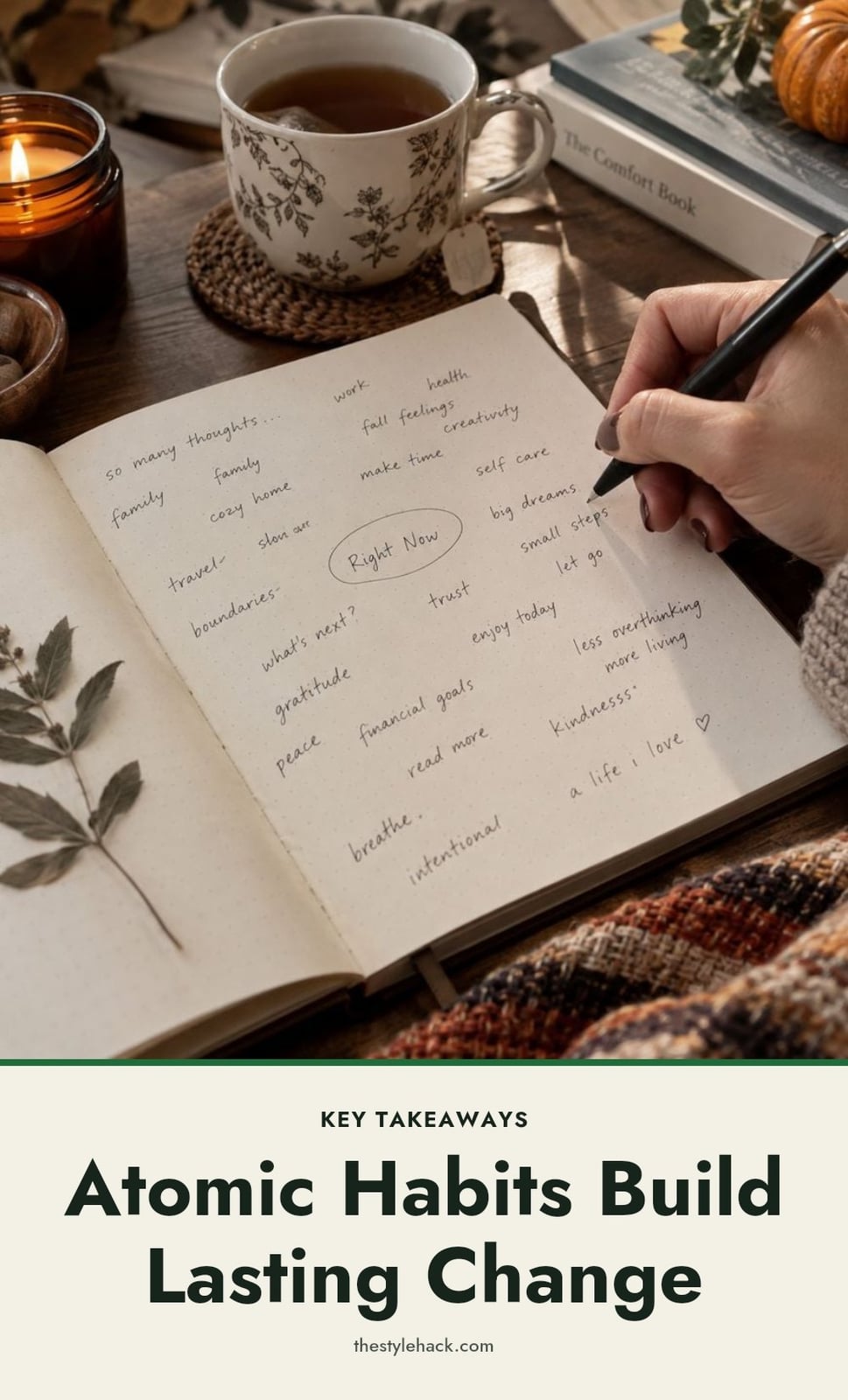
You know the feeling: you want to make a change, but big goals feel overwhelming and willpower fades fast. The real secret isn’t a massive overhaul. It’s the tiny, almost boring habits you do every day. This article breaks down five practical lessons from the Atomic Habits framework to help you build routines that actually stick, without the pressure of perfection.
Key Takeaways
- Start new habits with the 2-minute rule: make them take less than two minutes to complete.
- Design your environment so cues for good habits are visible and easy to act on.
- Use habit stacking by pairing a new habit with an existing routine you already do.
- Track your habits with a simple checkmark to see progress and stay motivated.
- Focus on identity-based habits: choose actions that reflect who you want to become.
01. What Are Atomic Habits?
Atomic Habits is a framework created by James Clear for building good habits and breaking bad ones. Instead of relying on big, dramatic changes, it focuses on small, consistent improvements that compound over time. A 1% daily shift might seem trivial, but it adds up to meaningful results. The core strategy is to make habits obvious, attractive, easy, and satisfying, so you stick with them long enough to see the payoff.
02. 1. Start Incredibly Small with the 2-Minute Rule
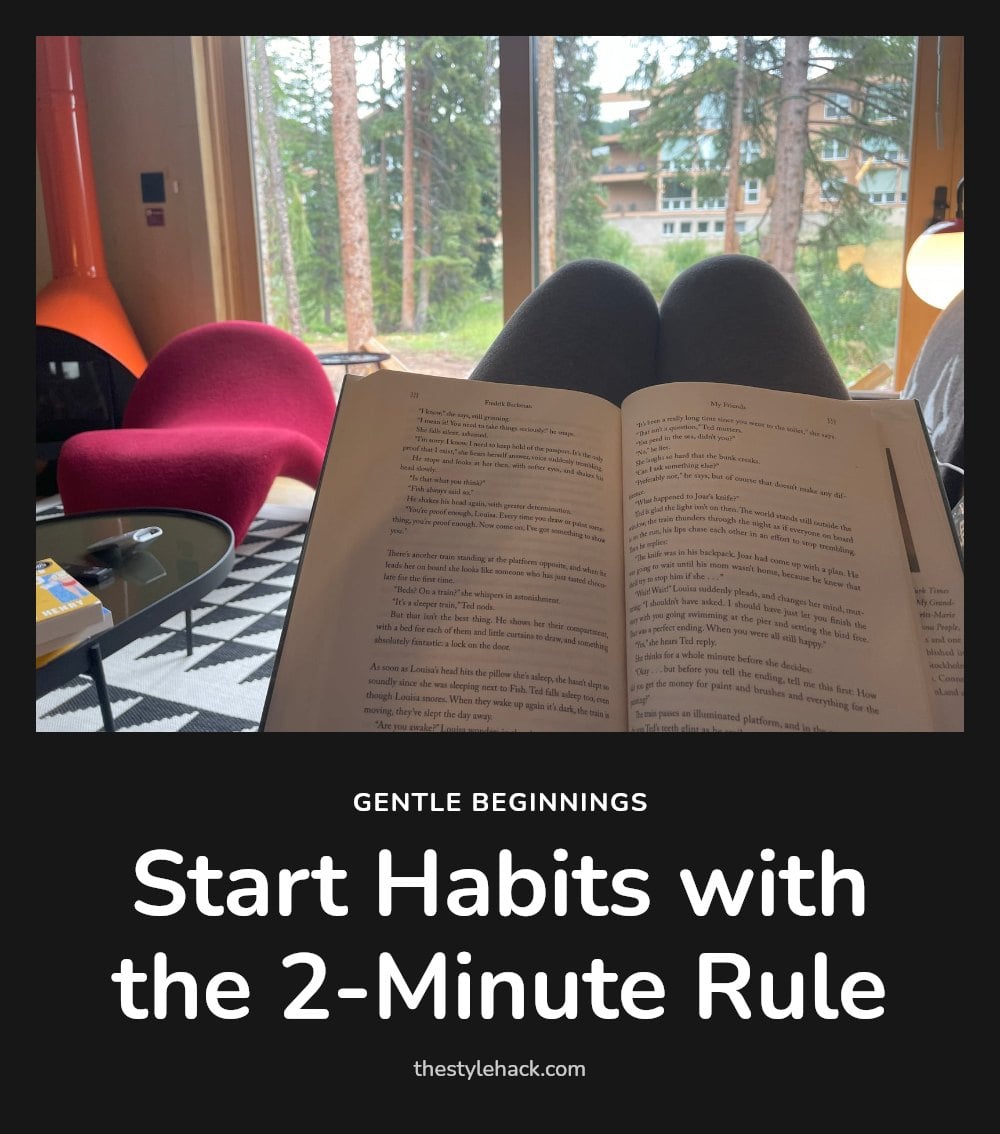
The 2-minute rule is simple: when you start a new habit, it should take less than two minutes to do. Instead of aiming to read a chapter, commit to reading one page. Instead of a full workout, do one push-up. This reduces the friction that stops you from starting.
Why it works: starting is the hardest part, and once you begin, momentum often carries you further. The goal is to show up consistently, even for a tiny amount of time.
My tip: pick a version so small it feels almost silly, and do it every day. The consistency builds the identity, not the intensity.
03. 2. Design Your Environment for Success
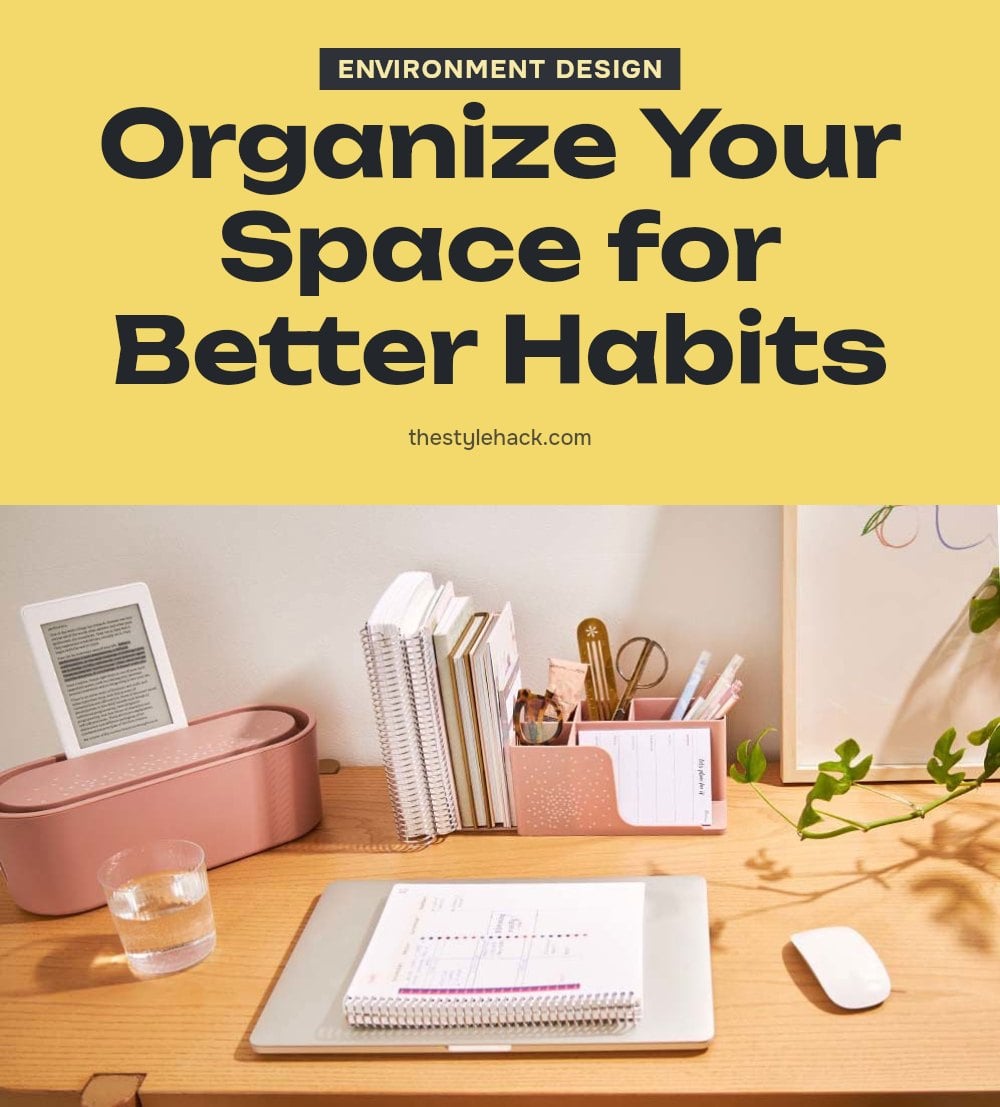
Your environment is a silent trigger for your habits. Make cues for good habits visible and accessible, and hide cues for bad ones. If you want to read more, leave a book on your pillow. If you want to snack less, move the chips to a high shelf or out of the house entirely.
Why it works: you rely less on willpower because the right choice becomes the easy choice.
My tip: keep a full water bottle on your desk to drink more water, and unplug the TV after each use to make watching it a deliberate action, not an automatic one.
04. 3. Leverage Habit Stacking for New Routines
Habit stacking pairs a new habit with an existing one you already do without fail. The formula is: after I [current habit], I will [new habit]. This anchors the new behavior to a reliable trigger in your routine.
Why it works: your existing habit is a strong cue, so you don’t have to remember to start the new one.
My tip: after I pour my morning coffee, I will meditate for one minute. The coffee pour is my trigger, and the meditation becomes part of the same sequence. Keep the new habit small at first, then expand it once it feels automatic.
05. 4. Track Your Habits and Reward Progress
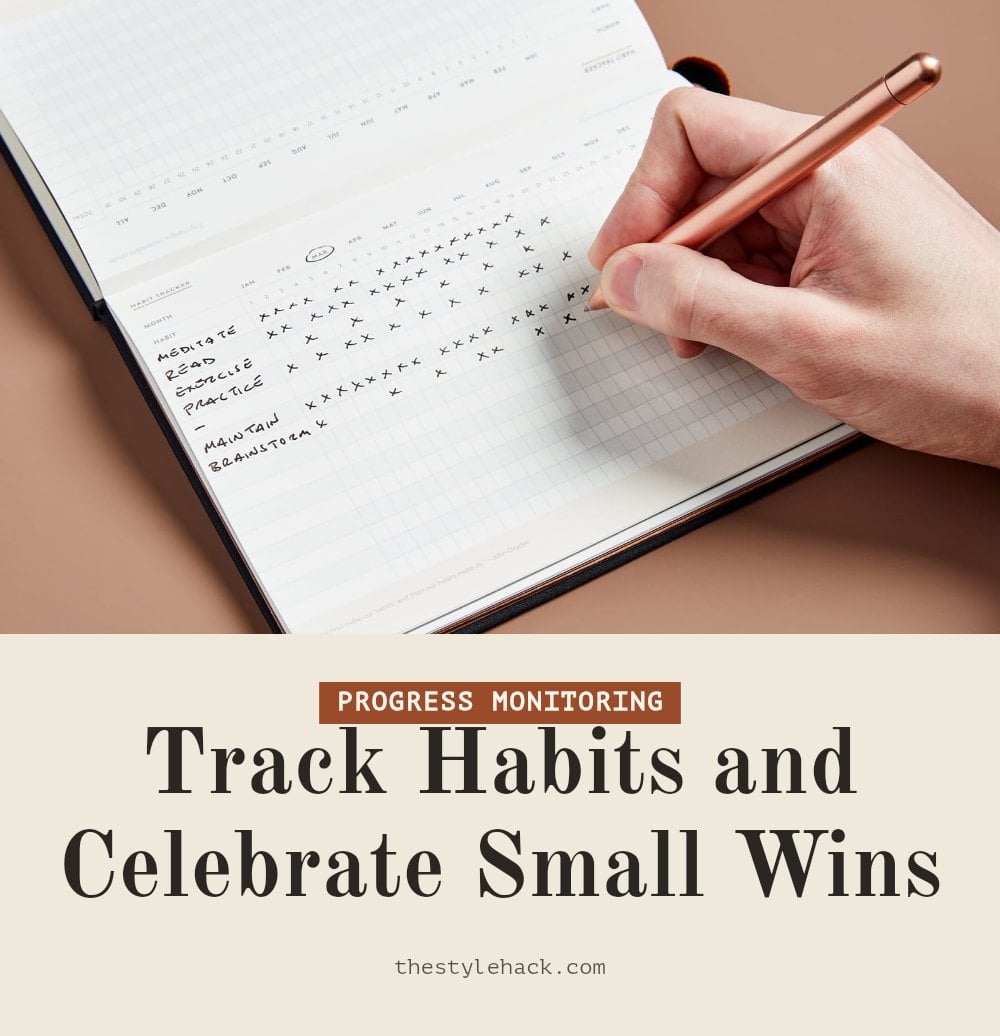
Tracking your habit gives you visual proof of progress, and that alone is incredibly satisfying. A simple checkmark on a calendar or in an app turns an abstract effort into something real. Seeing a streak grow creates a powerful incentive to keep it going. You won’t want to break the chain.
My tip: Use a habit tracker app or a physical journal to mark off each day you complete your habit. The key is to pair that mark with an immediate small reward, like a few minutes of a podcast you enjoy. Immediate rewards reinforce the behavior far more than delayed ones.
06. 5. Focus on Identity, Not Just Goals
Shift your focus from what you want to achieve to who you want to become. Outcome-based goals like “I want to run a marathon” can feel distant and fragile. Identity-based habits, on the other hand, are built on small daily choices that say “I am a runner.” Every page you read reinforces the identity of a reader, every vegetable you eat reinforces the identity of a healthy person.
My tip: Ask yourself, “What would a healthy person do?” or “What would a productive person do?” Then act on that answer. Over time, those small actions reshape how you see yourself.
07. Common Mistakes When Applying Atomic Habits
Even with a solid framework, it is easy to slip into common traps that derail progress.
- Trying to change too much at once: Start with one or two atomic changes, not a complete overhaul. Overloading your system leads to burnout.
- Relying solely on willpower: Willpower is a limited resource. Design your environment and systems for success instead of just trying harder.
- Giving up after a single missed day: One missed day is an accident. Two missed days in a row is the start of a new habit. Get back on track immediately without guilt.
- Expecting immediate results: Small changes compound over time, often with a plateau of latent potential where progress is accumulating below the surface. Trust the process.
8. Frequently Asked Questions
9. What is the main idea behind Atomic Habits?
The core idea is that small, incremental changes, called atomic habits, lead to remarkable results over time. A 1% daily improvement might seem minor, but it compounds into significant progress. The focus is on building systems and processes, not just setting goals.
10. How long does it take to see results from Atomic Habits?
Results typically show up over weeks, months, or even years, because the changes are small and gradual. You might not see visible progress right away. This is called the plateau of latent potential. Consistency is key, and the payoff comes after you’ve built momentum.
11. Can Atomic Habits help with breaking bad habits?
Yes, the framework applies to breaking bad habits by inverting the four laws of behavior change. Make bad habits invisible (remove cues), unattractive (reframe the mindset), difficult (increase friction), and unsatisfying (add an immediate consequence). It works best when you replace a bad habit with a good one.
12. What is identity-based habit formation?
Identity-based habits shift your focus from what you want to achieve to who you want to become. Instead of saying “I want to run a marathon,” you make small daily choices that say “I am a runner.” This approach builds habits that align with your self-image and are more sustainable long-term.
13. Is Atomic Habits suitable for everyone?
The framework is designed to be flexible and can be adapted to most people and goals, from fitness to productivity to personal growth. However, individual results depend on consistency and how well you tailor the methods to your own life. If you have a specific medical or mental health concern, consulting a professional is always a good idea.
14. Final Thoughts
If you take away one thing, start with one tiny habit you can do in under two minutes and link it to something you already do. Don’t expect dramatic results overnight, real change shows up over weeks and months as those small improvements compound. Stick with the system, not just the goal, and let the process do the work.
More Blog ideas
- How to Heal Chapped Lips Overnight with Simple Steps
- Hyaluronic Acid for Beginners
- How to Build a Gentle Skincare Routine for Sensitive Skin
- Beat Frizzy Hair: Easy Remedies for Smooth, Shiny Strands
- How to Increase Your Daily Drinking Water Intake
- Washing Hair Mistakes to Avoid and What to Do Instead
- Bleaching Hair Tips for Less Damage
- How to Make Your Body Mist Last Longer All Day
- How to Fix Your Skincare Routine
- Nervous System Regulation Tips
- Vagus Nerve Exercises for Stress Relief
- How to Make Your Own Whipped Body Butter at Home






