Nervous System Regulation Tips: My Guide to Calm
Learn how to regulate your nervous system with practical tips for reducing stress and improving well-being. Discover simple techniques for daily calm.

You know that feeling when you’re constantly on edge, your heart races over small things, and sleep feels impossible? That’s your nervous system stuck in the ‘fight-or-flight’ mode, and it’s more common than you think. In this article, I’ll break down what nervous system regulation really means and share practical, everyday habits that can help you shift back to a calmer, more balanced state.
Key Takeaways
- Deep, slow breathing directly stimulates your parasympathetic ‘rest-and-digest’ response.
- Moderate physical activity most days helps process stress hormones and improve balance.
- Consistent sleep of 7-9 hours is essential for nervous system repair and reset.
- Mindfulness and meditation train your brain to notice stress without reacting impulsively.
- Identify your personal stress triggers to reduce chronic activation of the ‘fight-or-flight’ response.
1. What is Nervous System Regulation?
Nervous system regulation means consciously balancing your body’s ‘fight-or-flight’ and ‘rest-and-digest’ responses. When you’re stuck in chronic stress, your sympathetic nervous system stays on high alert, keeping stress hormones and inflammation elevated. Regulation is about shifting your body back to a state of calm and recovery. Doing this consistently improves your mood, physical health, and overall well-being by giving your parasympathetic system room to work.
2. 1. Practice Deep Diaphragmatic Breathing
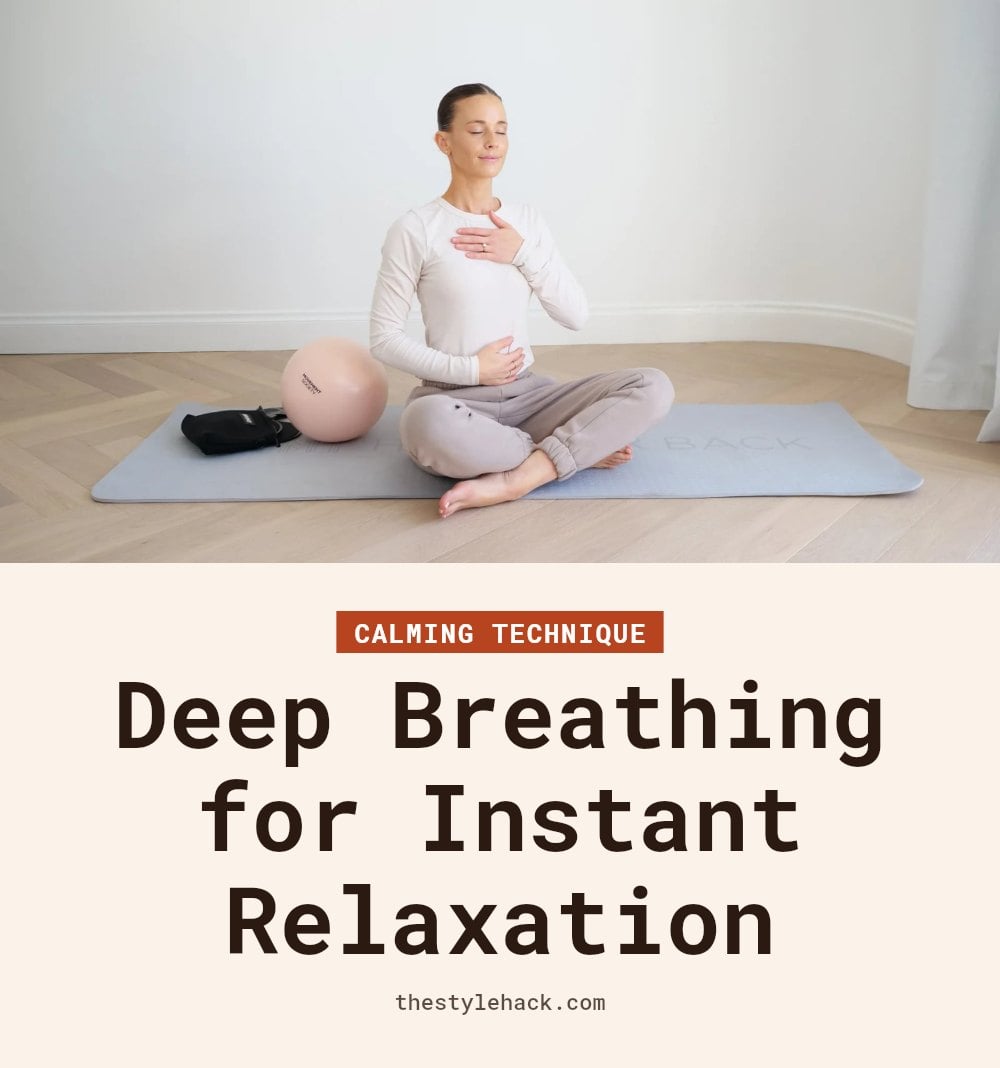
Deep, slow breathing directly stimulates your parasympathetic nervous system and signals safety. This is my go-to for instant calm.
My tip: Place one hand on your chest and one on your belly. As you inhale, feel your belly rise; as you exhale, feel it fall. Aim for a longer exhale than inhale. Try a 4-second inhale and 6-second exhale and repeat for a few rounds.
3. 2. Engage in Regular Physical Activity
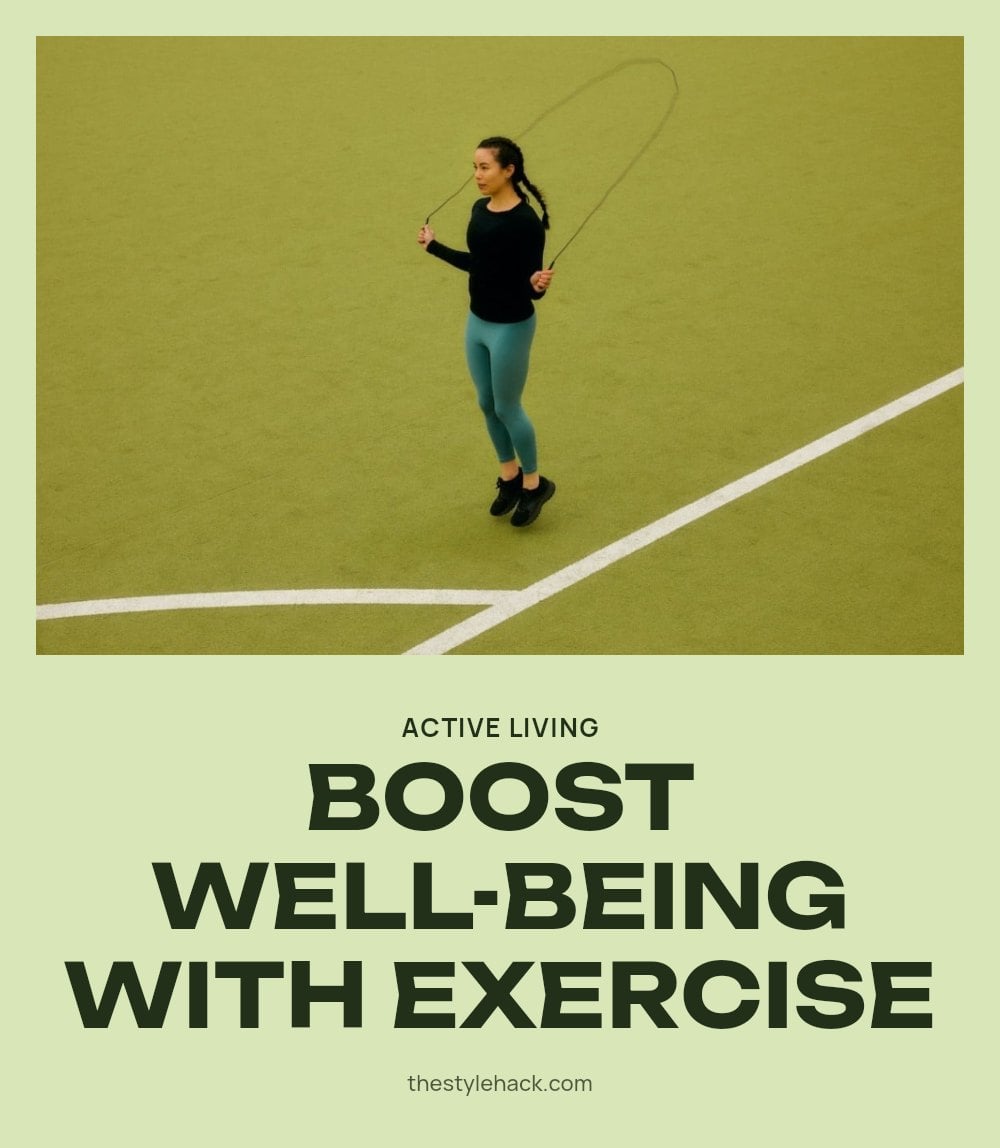
Movement helps your body process stress hormones and improves nervous system balance. It doesn’t have to be intense. Moderate activity like brisk walking, yoga, or dancing most days of the week works well. This releases pent-up energy from stress and signals to your body that the threat has passed.
4. 3. Prioritize Consistent, Quality Sleep
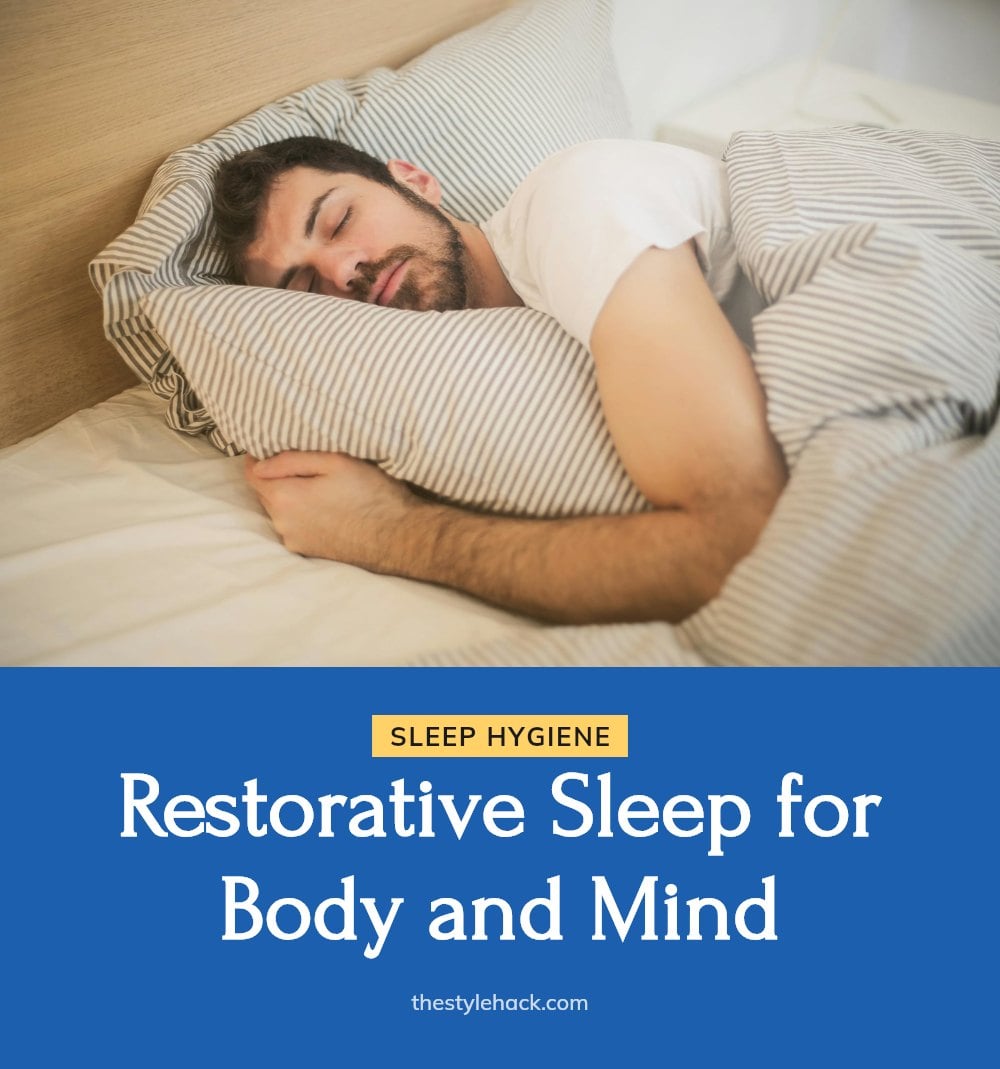
Sleep is when your nervous system repairs and resets. Without enough rest, it’s like trying to run a computer that’s constantly crashing. My tip: Create a consistent sleep schedule, even on weekends, and aim for 7-9 hours. A dark, cool, quiet room makes a huge difference for quality rest.
5. 4. Incorporate Mindfulness and Meditation

Mindfulness and meditation train your brain to notice stress without reacting impulsively. It’s about observing your thoughts and sensations, not judging them.
Tip: Start with just a few minutes a day using a guided meditation app or simply focusing on your breath. Consistency matters more than duration. Even two minutes daily can build a new response pattern over time.
6. 5. Spend Time in Nature
Time outdoors has a measurable calming effect on your nervous system. Research suggests exposure to nature can reduce stress and boost your ‘rest-and-digest’ system.
You don’t need a long hike. A short walk in a park or sitting by a window with a view of greenery can make a difference. I call it my mini ‘forest bath’. Aim for at least 10 minutes a few times a week.
7. 6. Cultivate Strong Social Connections
Positive relationships are powerful nervous system regulators. Feeling safe and supported signals to your body that you’re not alone, which helps shift you out of a stress state.
Tip: Spend time with people who make you feel calm and accepted. Reach out when you need to talk or just be present with someone. Even a short phone call can help reset your nervous system.
8. 7. Eat a Balanced, Whole Foods Diet
What you eat directly impacts your gut-brain axis and, by extension, your nervous system. Think of food as fuel for your control center.
Focus on whole, unprocessed foods, healthy fats, and plenty of fruits and vegetables. Tip: Reduce processed sugars and excessive caffeine, as they can worsen dysregulation. A balanced plate supports a balanced nervous system.
9. 8. Identify and Reduce Stress Triggers
You can’t avoid all stress, but you can get better at spotting what consistently pushes your nervous system into overdrive. Pay attention to your body’s signals: a racing heart, tight shoulders, or irritability after certain meetings, conversations, or scrolling sessions.
Once you name your triggers, look for ways to minimize them or change your response. This might mean setting boundaries with a demanding colleague, delegating tasks at home, or choosing a different route for your commute. Small adjustments count.
10. 9. Incorporate Gentle Self-Touch
Simple acts of self-soothing can be surprisingly effective. Think of them as giving your nervous system a gentle hug, a physical signal that you’re safe.
Try placing one hand over your heart and one on your belly for a few slow breaths. A gentle hand massage, a warm bath, or even rubbing your own shoulders works too. These actions activate your parasympathetic system and can help you shift out of a stressed state in minutes.
11. 10. Journal Your Thoughts and Feelings
Journaling helps you process emotions and gain perspective, so worries don’t pile up and overwhelm your nervous system. It’s not about writing well, it’s about getting thoughts out of your head and onto paper.
Set a timer for five minutes and write whatever comes to mind, no editing. You can list what’s stressing you, describe how your body feels, or just free-write. Externalizing worries this way often makes them feel smaller and more manageable.
12. 11. Listen to Soothing Music or Sounds
Certain sounds and rhythms can calm your nervous system by shifting your brainwaves and slowing your heart rate. Classical music, nature sounds, ambient tracks, and binaural beats all have this effect for many people.
Experiment to find what works for you. Build a playlist for winding down in the evening and another for focusing during the day. Put it on when you feel your stress rising, or use it proactively before a known trigger like a difficult conversation.
13. When to Seek Professional Help
If you’re dealing with severe anxiety, panic attacks, persistent overwhelm, or symptoms that interfere with your daily life, it’s crucial to talk to a healthcare professional. These signs may point to something that needs more than lifestyle tweaks, and a doctor or therapist can help you figure out the right next steps.
This information is for educational purposes only and should not replace professional medical advice, diagnosis, or treatment. Always discuss significant lifestyle changes or health concerns with your doctor, especially if you have underlying conditions. Trust your gut: if something feels off, getting support is a sign of strength, not weakness.
14. Frequently Asked Questions
15. What are the signs of a dysregulated nervous system?
Common signs include feeling constantly anxious or on edge, difficulty sleeping, racing heart, tight muscles, brain fog, and a sense of being easily overwhelmed. You might also notice digestive issues or a persistent low mood. If these symptoms interfere with your daily life, it’s a good idea to talk to a healthcare professional.
16. Is nervous system regulation the same as stress management?
Not exactly. Stress management often focuses on external strategies like reducing your to-do list or avoiding stressful situations. Nervous system regulation is more about internal physiology, training your body to shift out of ‘fight-or-flight’ and into ‘rest-and-digest’ through practices like breathing, movement, and sleep. They work together, but regulation addresses the root physical response.
17. What is the vagus nerve and why is it important?
The vagus nerve is a key part of your parasympathetic nervous system, running from your brainstem to your abdomen. It helps control heart rate, digestion, and breathing. A healthy ‘vagal tone’ means your nervous system can switch between stress and relaxation more easily, making you more resilient to daily pressures.
18. How long does it take to regulate my nervous system?
With consistent daily practice of techniques like deep breathing, mindfulness, or moderate exercise, you may notice subtle improvements in your mood and stress response within a few weeks. More significant changes in your overall balance can take several months. Be patient, as this is a gradual process of retraining your body’s natural responses.
19. Can diet impact nervous system regulation?
Yes, what you eat directly affects your gut-brain axis, which communicates with your nervous system. A balanced diet of whole foods, healthy fats, and plenty of fruits and vegetables supports calm and resilience. Reducing processed sugars and excessive caffeine can help prevent peaks and crashes in your stress response.
20. Final Thoughts
Start with just one practice from this list, like deep breathing for a minute each morning or a short walk outside. Don’t expect overnight changes, but with consistent daily effort, you may notice subtle improvements in your mood and stress response within a few weeks. Remember, regulating your nervous system is an ongoing practice, not a quick fix, so be patient with yourself as you build these new habits.
This information is for educational purposes only and is not a substitute for professional medical advice, diagnosis, or treatment. If you are experiencing severe anxiety, panic attacks, or persistent symptoms that interfere with your daily life, please consult a doctor, therapist, or other qualified healthcare provider.
More Blog ideas
- How to Heal Chapped Lips Overnight with Simple Steps
- Atomic Habits: 5 Lessons to Build Better Habits
- Hyaluronic Acid for Beginners
- How to Build a Gentle Skincare Routine for Sensitive Skin
- Beat Frizzy Hair: Easy Remedies for Smooth, Shiny Strands
- How to Increase Your Daily Drinking Water Intake
- Washing Hair Mistakes to Avoid and What to Do Instead
- Bleaching Hair Tips for Less Damage
- How to Make Your Body Mist Last Longer All Day
- How to Fix Your Skincare Routine
- Vagus Nerve Exercises for Stress Relief
- How to Make Your Own Whipped Body Butter at Home