Hyaluronic Acid for Beginners: How and When to Apply It
Learn exactly how and when to apply hyaluronic acid serum for maximum hydration and plump skin, with expert tips to avoid common mistakes.

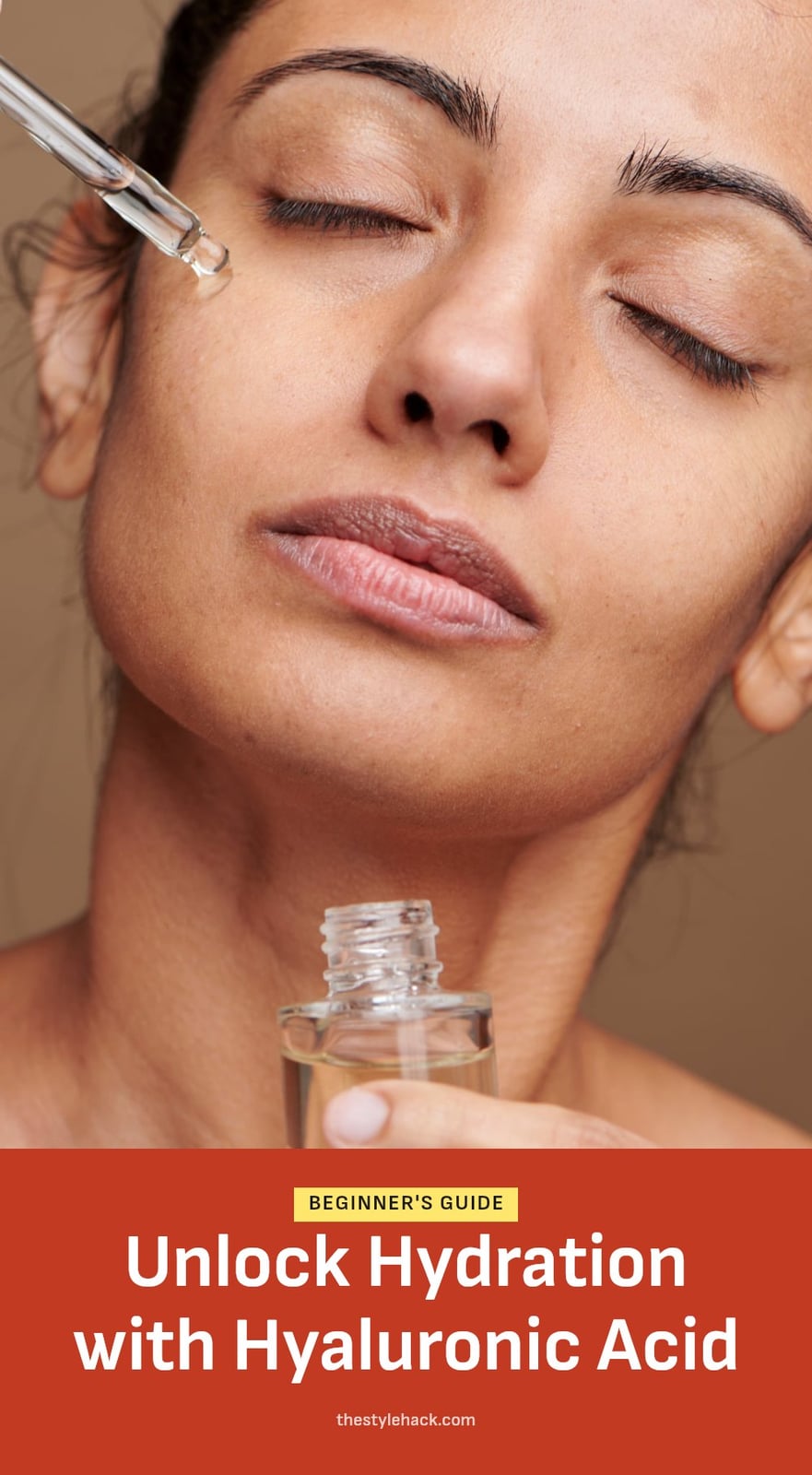
You want hydrated, plump skin, but getting the most out of your hyaluronic acid serum isn’t just about buying the right bottle. How and when you apply it makes all the difference between a dewy glow and a tight, dry feeling. This article walks you through the exact steps to use hyaluronic acid correctly, what to avoid, and what results you can realistically expect.
Key Takeaways
- Apply hyaluronic acid serum to damp, freshly cleansed skin for best results.
- Always follow HA with an occlusive moisturizer to seal in hydration.
- Use HA daily, both morning and night, for consistent improvements in skin plumpness.
- Avoid applying HA to completely dry skin, especially in low-humidity environments.
- Layer HA after cleansing and before heavier serums or moisturizers for optimal absorption.
1. What is Hyaluronic Acid and How Does It Work?
Hyaluronic acid, or HA, is a humectant that pulls moisture from the air into your skin. Your body makes it naturally, mostly in your skin and connective tissue, which is why it’s so well tolerated by all skin types, including sensitive and acne-prone ones. For the best results, apply HA serum to damp skin right after cleansing, then lock everything in with an occlusive moisturizer.
2. Your Hyaluronic Acid Skincare Essentials

To get the most out of hyaluronic acid, you need a few basics:
- Gentle facial cleanser: Removes dirt and oil so HA can absorb properly.
- Hyaluronic acid serum: The star product, usually water-based and lightweight.
- Moisturizer: An occlusive one (with silicones, shea butter, or petrolatum) seals in the hydration.
- Toner or facial mist: Optional, but handy if your skin dries out between steps.
3. Step-by-Step: Applying Hyaluronic Acid for Maximum Hydration
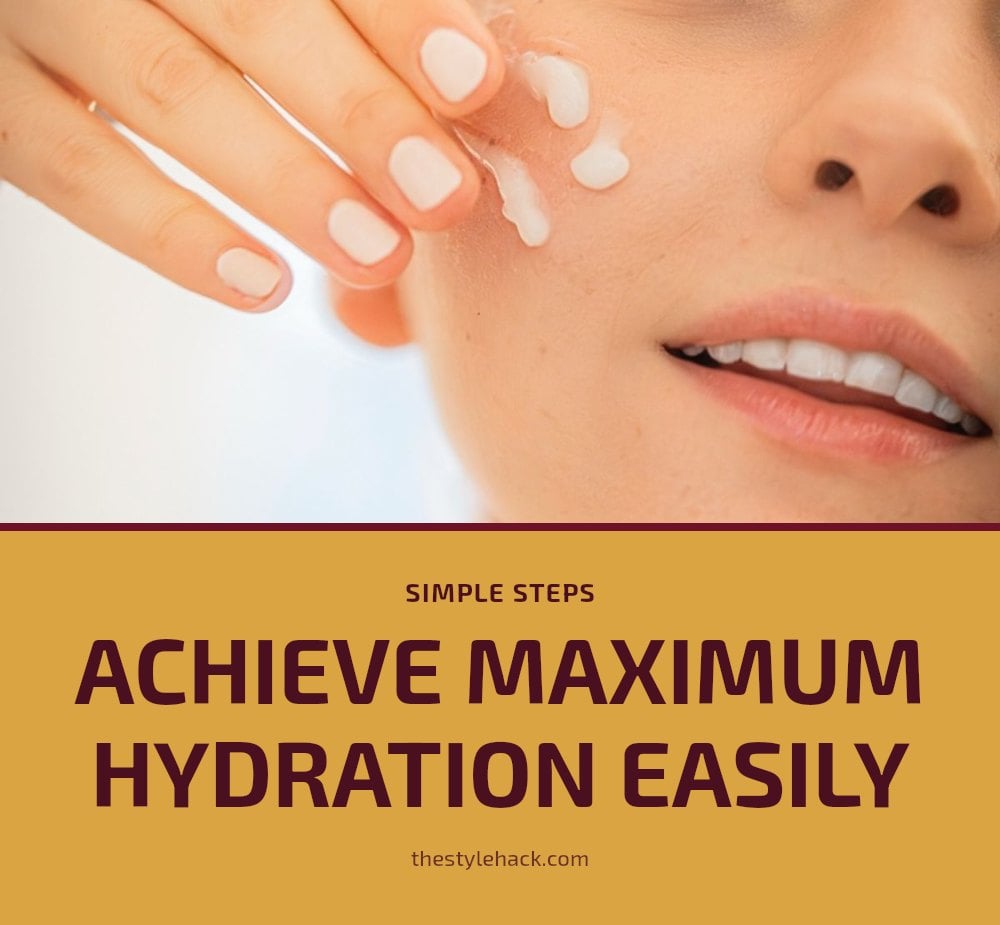
Start with a thorough cleanse to remove all makeup, sunscreen, dirt, and oil. A double cleanse, using an oil-based cleanser followed by a gentle non-soap cleanser, is efficient and minimizes disruption to your skin barrier.
- Cleanse your skin: Wash your face so it is completely clean. Pat dry gently, but leave your skin slightly damp. This dampness is key for the HA to work.
- Apply HA serum: While your skin is still damp, immediately apply a small amount of hyaluronic acid serum. You only need enough to create a thin film on your face. Less is more. You can apply it to your whole face or just to targeted areas like around the eyes or neck.
- Seal with moisturizer: Right after the serum, apply a moisturizer with occlusive ingredients to lock in the hydration. For oily skin, look for moisturizers with silicones. For dry skin, choose ingredients like shea butter, petrolatum, or mineral oil.
Pro move: If you wash your face only once a day, apply HA only after that cleanse. If you wash twice a day, you can use HA in both routines, always paired with a moisturizer. Always apply HA to damp skin for best results.
Here is the method in action: Dr Dray demonstrates it in about 12 minutes. The how-to part starts at 1:24.
4. Expert Tips for Using Hyaluronic Acid
Here are some tips to use HA effectively:
- Use it morning and night: Apply after cleansing, always paired with a moisturizer.
- Layer with sunscreen: If using sunscreen as your morning occlusive, apply a thin layer over HA, let it dry completely, then apply a second full layer for proper protection.
- One cleanse, one application: If you only wash your face once a day, apply HA only after that cleanse while skin is still damp. Applying it to dry skin later isn’t as effective.
- Check the expiration date: HA serums are water-based and can grow mold past their date. Look for the ‘open jar’ symbol on the bottle.
- Know the molecular weights: Lower weights penetrate deeper, while higher weights work on the surface. Many serums combine both for layered hydration.
5. Common Hyaluronic Acid Mistakes to Avoid
Applying to dry skin: HA is a humectant that pulls moisture from the environment into your skin. If you put it on dry skin, especially in an arid climate, it can draw moisture out of your skin instead, leaving it feeling tight or drier.
Skipping moisturizer: Without an occlusive moisturizer on top, the hydration HA draws in can evaporate. This makes the serum much less effective. Always seal it in.
Expecting deep wrinkle erasure: HA plumps fine lines and improves overall hydration, but it will not act as a permanent filler for deep wrinkles. It smooths, not erases.
Using expired products: Water-based serums like HA can become contaminated past their expiration date. The preservatives break down, allowing mold or bacteria to grow. Check the open jar symbol on the packaging.
Using too much product: A small amount is enough to create a thin film on your skin. More than that just feels sticky and doesn’t add extra hydration.
6. Layering Hyaluronic Acid with Other Skincare Actives
Hyaluronic acid is generally compatible with most other skincare ingredients, including Vitamin C and retinoids. Apply it after cleansing and before any heavier serums or moisturizers. Because HA is water-based and lightweight, it layers well without pilling.
Its hydrating properties can help mitigate potential irritation from stronger actives like retinoids. By keeping the skin barrier well-hydrated, HA makes it easier for your skin to tolerate other treatments.
7. What to Expect: Results and Routine Frequency
You can notice improved hydration and plumpness within days to a few weeks of consistent daily use. More significant improvements in fine lines typically appear over several weeks to months.
For optimal results, use hyaluronic acid daily, both morning and night. Apply it after cleansing and before moisturizing. Consistency is key.
8. When to Consult a Dermatologist
If you experience persistent irritation, redness, itching, or any adverse reaction after using hyaluronic acid, stop using it and consult a dermatologist. This is rare but can happen.
If you have a pre-existing skin condition and are unsure if HA is suitable for you, a dermatologist can give personalized advice. Also, if you are not seeing the desired results after consistent use, they can help you explore other treatment options.
9. Frequently Asked Questions
10. Can I use hyaluronic acid every day?
Yes, you can use hyaluronic acid daily, both in the morning and at night. Consistent use is key for maintaining hydration and plumpness. Just remember to always apply it to damp skin and follow with a moisturizer to seal the moisture in.
11. What is the difference between high and low molecular weight hyaluronic acid?
Hyaluronic acid comes in different molecular weights. Lower molecular weight HA can penetrate deeper into the skin, while higher molecular weight HA works more on the surface. Many serums combine both to hydrate at multiple levels, but either type can be effective when applied correctly.
12. Can hyaluronic acid cause breakouts?
Hyaluronic acid is generally non-comedogenic and suitable for acne-prone skin. However, if a product contains other ingredients that clog your pores or if you use too much serum, it might feel sticky or contribute to breakouts. Stick to a thin layer and patch test if you have very sensitive skin.
13. How long does it take for hyaluronic acid to work?
You can notice improved hydration and a plumper look within days to a few weeks of consistent daily use. For more significant reduction in fine lines, it typically takes several weeks to months of regular application. Results are gradual and depend on your skin’s starting condition.
14. Final Thoughts
For reliable hydration, make hyaluronic acid a staple in your daily routine. Apply it to damp skin after cleansing and lock it in with a moisturizer that contains occlusive ingredients like silicones, shea butter, or petrolatum. You can expect to see improved hydration and plumpness within days to a few weeks, with more noticeable softening of fine lines over several weeks to months. Stick with it, and your skin will thank you.
The information in this article is for general informational purposes only and does not constitute medical or professional skincare advice. Always consult a dermatologist or healthcare provider for persistent skin concerns, irritation, or before starting a new skincare routine, especially if you have a pre-existing condition.
More Blog ideas
- How to Heal Chapped Lips Overnight with Simple Steps
- Atomic Habits: 5 Lessons to Build Better Habits
- How to Build a Gentle Skincare Routine for Sensitive Skin
- Beat Frizzy Hair: Easy Remedies for Smooth, Shiny Strands
- How to Increase Your Daily Drinking Water Intake
- Washing Hair Mistakes to Avoid and What to Do Instead
- Bleaching Hair Tips for Less Damage
- How to Make Your Body Mist Last Longer All Day
- How to Fix Your Skincare Routine
- Nervous System Regulation Tips
- Vagus Nerve Exercises for Stress Relief
- How to Make Your Own Whipped Body Butter at Home