How to Heal Chapped Lips Overnight with Simple Steps
Discover simple, effective steps to heal chapped lips overnight. Get quick relief from dryness and cracking with expert tips and product recommendations.

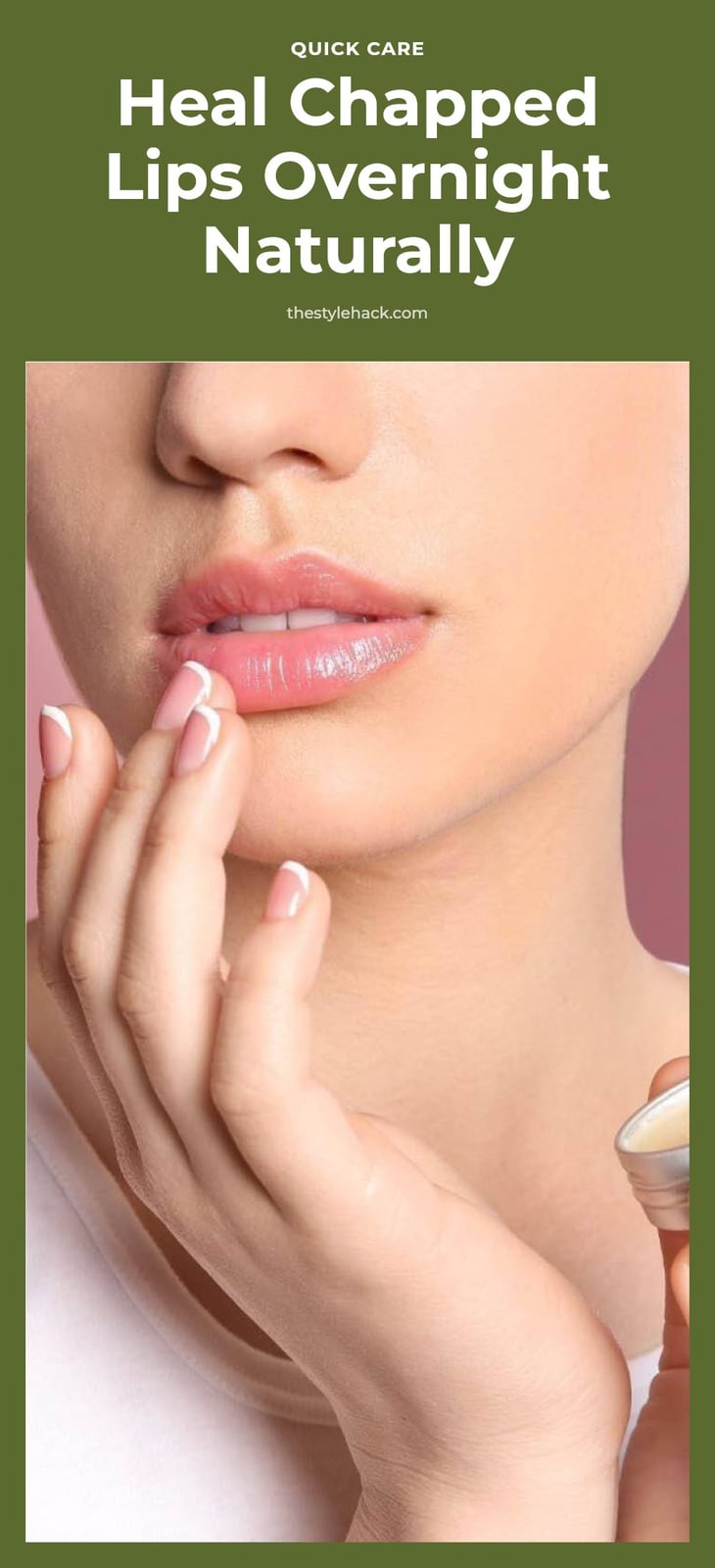
If you are tired of waking up with dry, cracked lips, you are not alone. Chapped lips happen because the thin skin on your lips lacks oil glands, so it dries out fast. This article covers a simple overnight routine that combines gentle exfoliation with deep moisturization to help you wake up with noticeably softer lips.
Key Takeaways
- Gently exfoliate lips with a soft toothbrush or sugar scrub for about 30 seconds before bed.
- Apply a thick layer of an occlusive balm containing petrolatum, lanolin, or shea butter overnight.
- Avoid licking your lips and skip balms with menthol, camphor, or salicylic acid when chapped.
- Drink plenty of water daily and use an SPF 15 lip balm during the day for prevention.
- See a dermatologist if chapping persists for over a week or if bleeding or sores develop.
1. Heal Your Chapped Lips Overnight: The Quick Fix
Healing chapped lips overnight comes down to two actions: gentle exfoliation and deep moisturization. Start by lightly buffing away dead skin with a soft toothbrush or a sugar scrub, then immediately apply a thick layer of an occlusive balm. One with petrolatum, lanolin, or shea butter works best. This seals in moisture while you sleep. Consistency matters more than a single heavy application; doing this every night can bring significant improvement by morning.
2. Why Your Lips Get Chapped: The Common Culprits
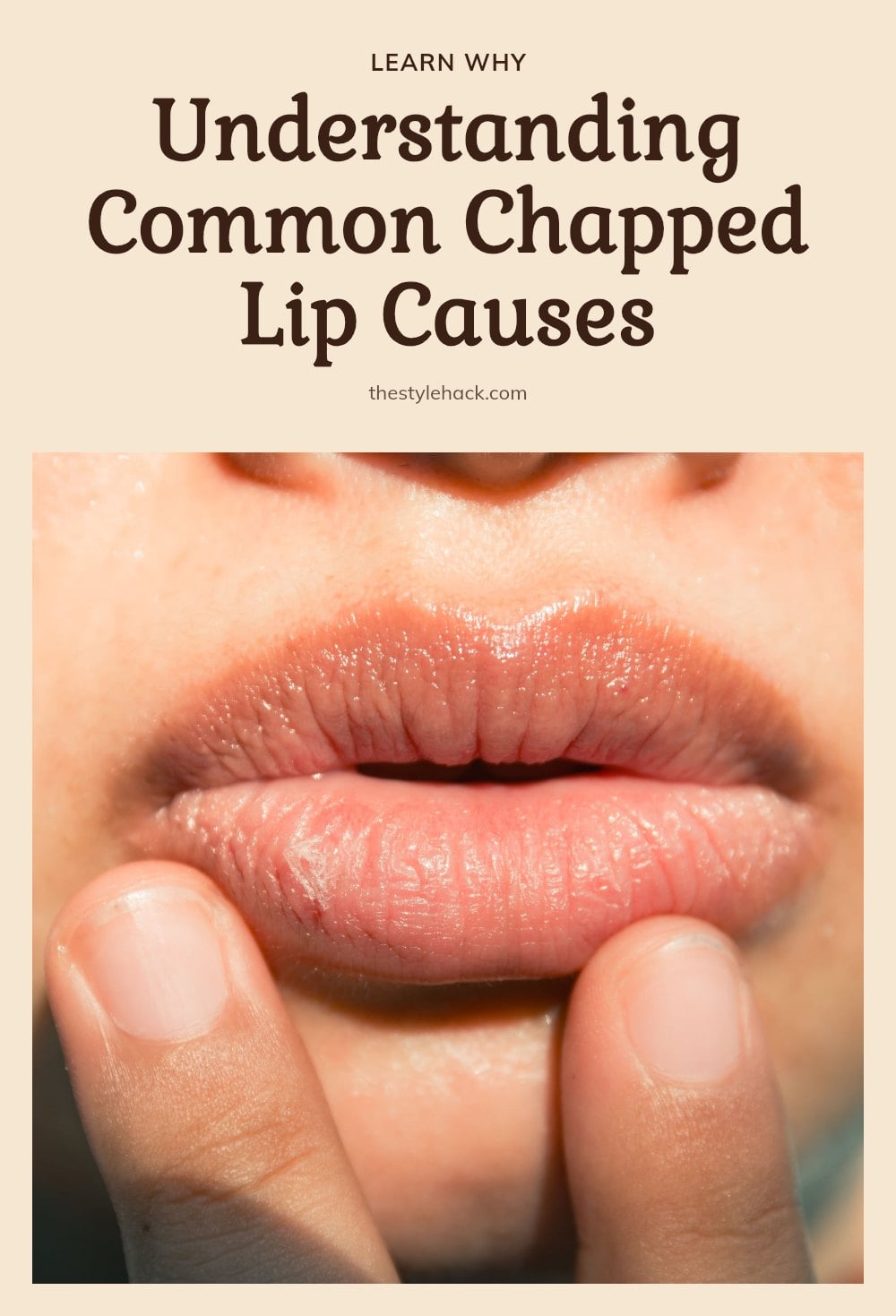
3. Why Your Lips Get Chapped: The Common Culprits
Chapped lips, medically known as cheilitis, happen because the skin on your lips is thinner than the rest of your face and has no oil glands. That means they cannot produce their own moisture, so they dry out fast.
Dehydration is a major internal cause. When your body lacks water, your lips show it first. Environmental factors like sun exposure and wind strip moisture away, and cold weather makes it worse.
Certain medications, such as isotretinoin for acne or some chemotherapy drugs, can cause severe lip dryness as a side effect. Allergic reactions to ingredients in lip products, toothpastes, or foods can also show up as chapped lips.
Tip: If your lips react to a new balm or toothpaste, stop using it and see if the irritation fades.
4. Your Overnight Lip Healing Arsenal
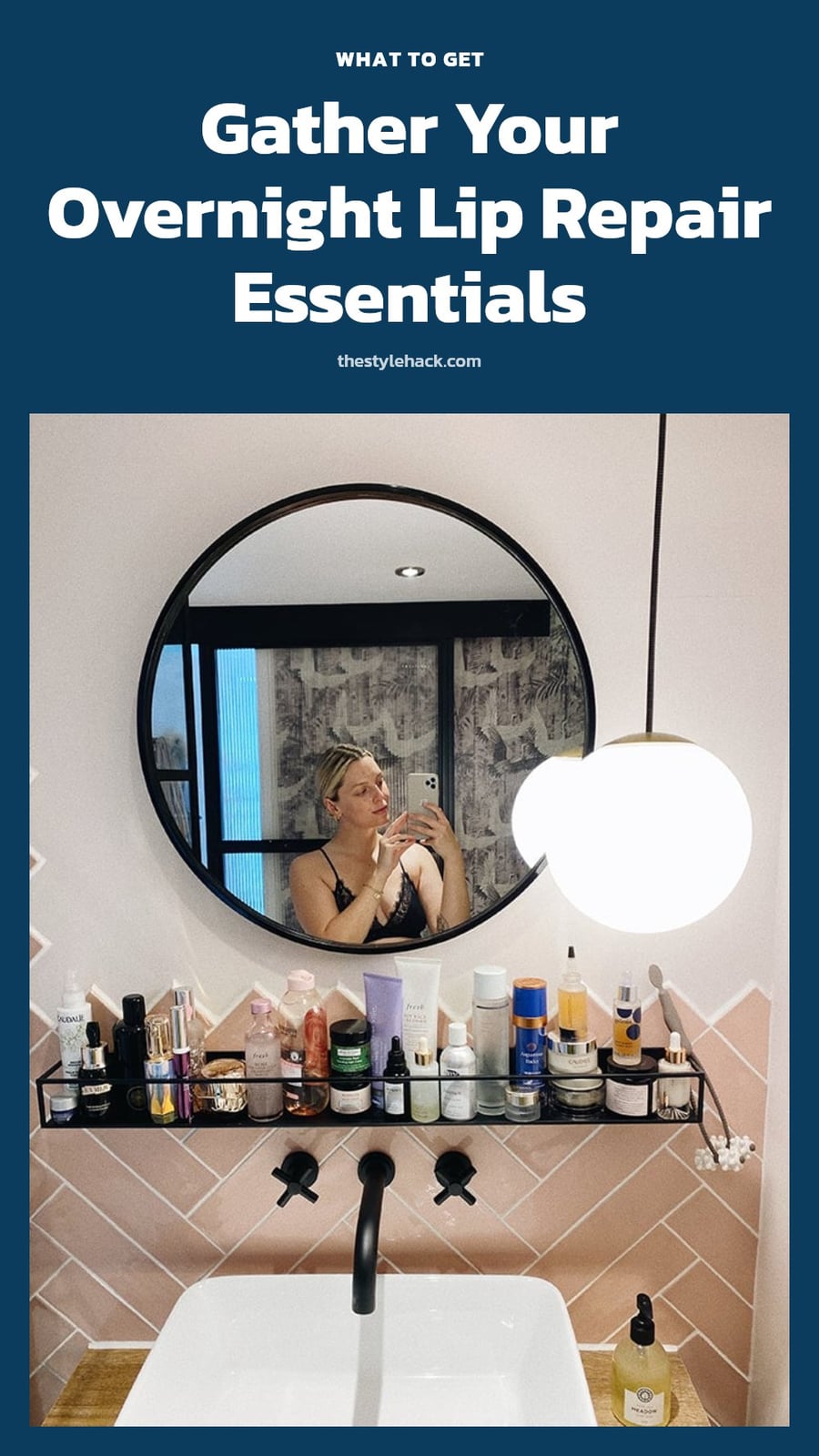
To repair your lips while you sleep, keep these three items ready:
- Occlusive lip balm: Look for petrolatum, lanolin, or shea butter. These ingredients form a protective seal that locks moisture in all night.
- Gentle exfoliator: A sugar-based lip scrub or a soft, clean toothbrush removes flaky skin without damaging the delicate lip surface.
- Humidifier: Dry indoor air pulls moisture from your lips. A humidifier in your bedroom adds humidity back, helping your balm work better.
5. Step-by-Step: Healing Your Lips While You Sleep
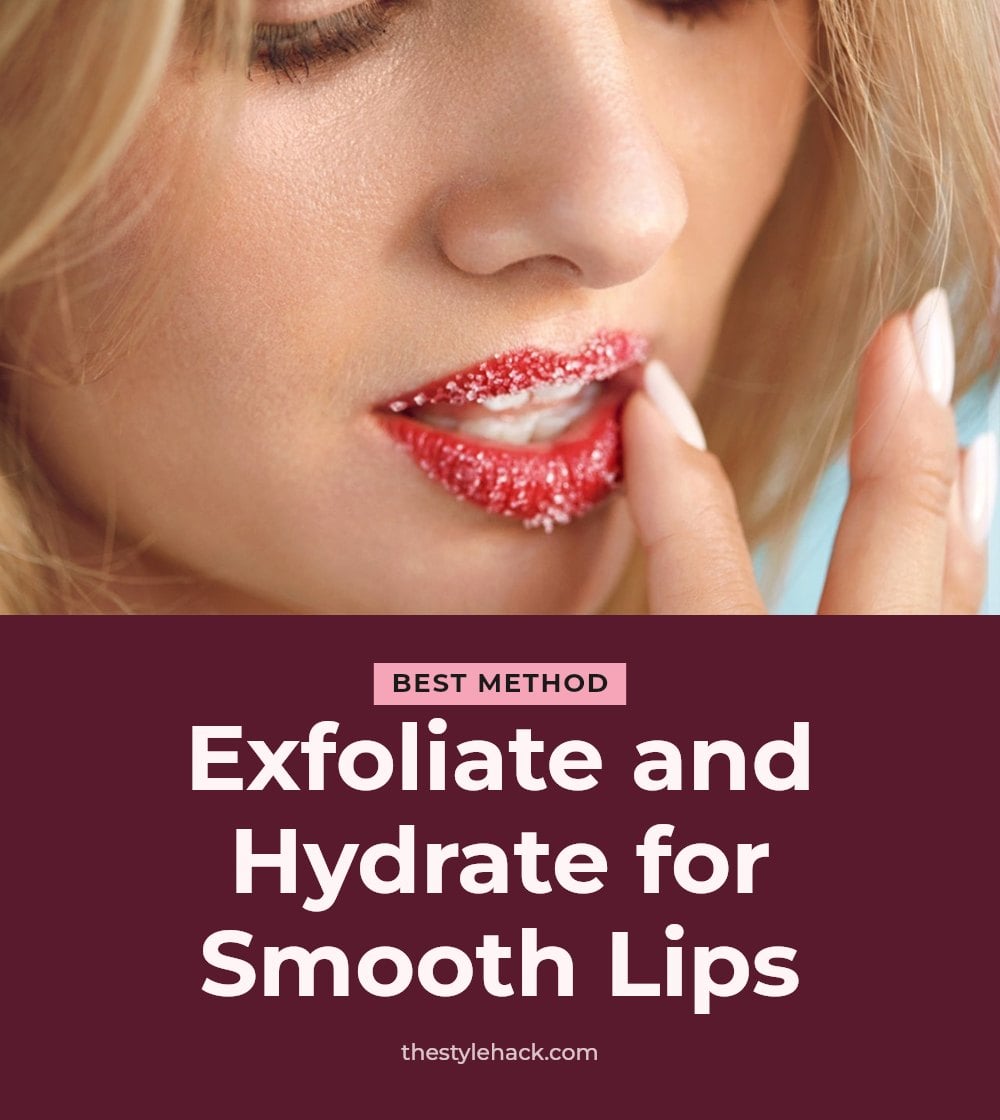
Start your overnight routine by gently exfoliating your lips to remove dead, flaky skin. Dampen a soft toothbrush or use a sugar-based lip scrub and buff in small, circular motions for about 30 seconds. Be very gentle, scrubbing too hard can cause micro-tears and worsen chapping.
- Exfoliate: Rinse off the scrub or wipe away residue with a damp cloth. Pat your lips dry.
- Seal with an occlusive balm: This is the most important step. Apply a thick, generous layer of an ointment with petrolatum, lanolin, or shea butter. My tip: Use enough that your lips still feel slick when you press them together. This barrier prevents moisture loss throughout the night.
- Add a humidifier: If your bedroom air is dry, run a humidifier near your bed. It adds moisture to the air, which can help your lips stay hydrated and reduce morning tightness.
Repeat this sequence every night until your lips feel smooth. Most people see noticeable improvement by morning, but full healing may take several days to a week.
6. Common Mistakes That Worsen Chapped Lips
Licking your lips: It feels soothing for a moment, but saliva evaporates quickly and takes moisture with it, making dryness worse.
Using irritating ingredients: Balms with menthol, camphor, or salicylic acid can burn and perpetuate the chapping cycle. Stick to gentle occlusives like petrolatum or shea butter.
Picking at flaky skin: Peeling off loose skin can cause sores, bleeding, and even infection. Let dead skin slough off naturally or exfoliate gently.
Skipping water: Dehydration is a common internal cause of chapped lips. Drink enough water throughout the day.
Ignoring sun protection: Lips burn just like the rest of your skin, and sun damage can lead to chapping. Use an SPF lip balm daily.
7. Keeping Chapped Lips Away: Daily Habits
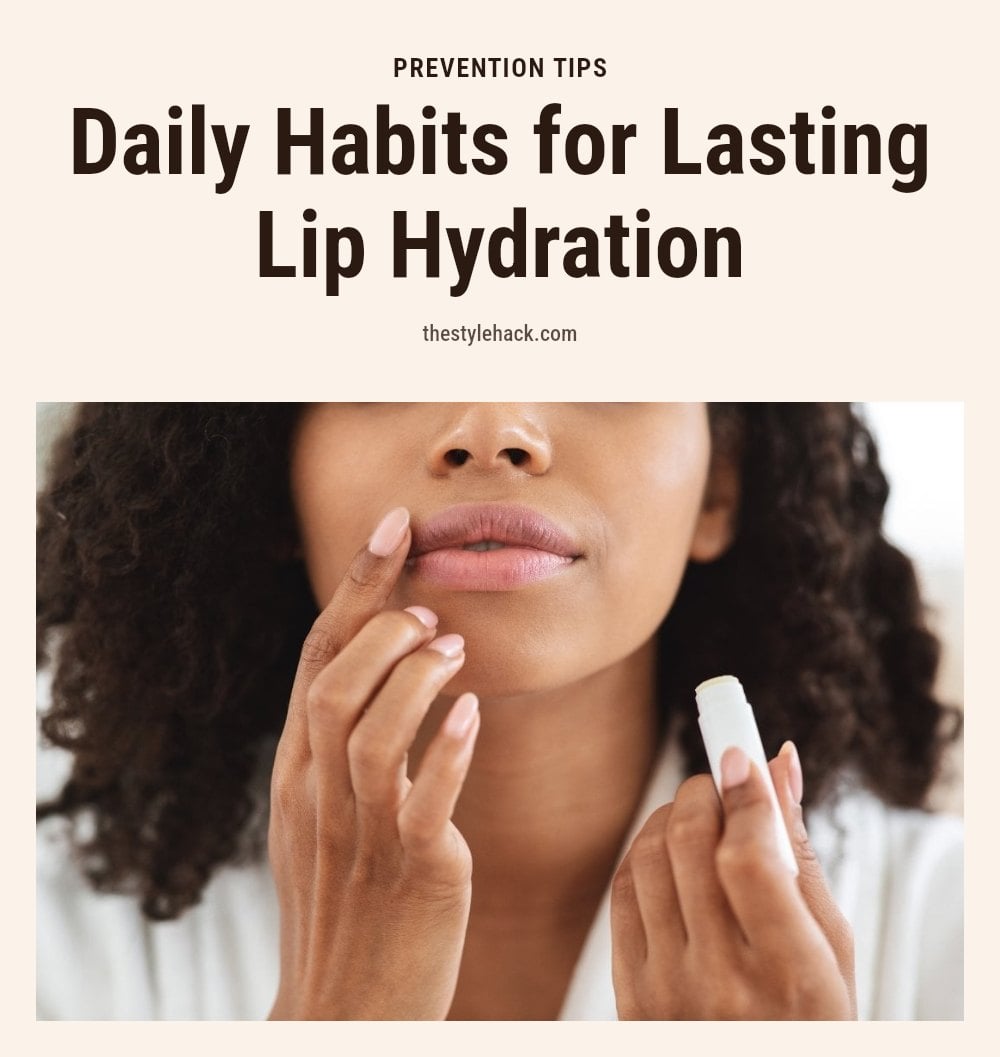
Hydrate from within: Drink plenty of water each day to support your lips from the inside out.
Wear SPF lip balm daily: Even indoors, UV rays can reach your lips. Choose a balm with at least SPF 15.
Apply balm frequently: Don’t wait until your lips feel dry. Reapply throughout the day, especially after eating or drinking.
Break the licking habit: It dries lips out more. If you catch yourself licking, apply a thick balm instead.
Use a humidifier: In dry indoor environments, a humidifier adds moisture to the air and helps prevent lips from chapping.
My tip: Keep a tube of balm in your bag, one on your nightstand, and one at your desk so you never forget to reapply.
8. When to See a Dermatologist for Your Lips
Most chapped lips improve with consistent home care, but some cases need a professional opinion.
- Severe or persistent chapping: If lips stay cracked or painful for more than a week despite your best efforts.
- Bleeding or sores that don’t heal: These could signal an infection or allergic reaction.
- Signs of infection: Look for redness, swelling, warmth, or oozing.
- Underlying condition: Persistent issues may be linked to a medical problem or medication side effect.
Consult a dermatologist if any of these apply. They can diagnose the cause and recommend safe treatment.
9. Frequently Asked Questions
10. How long does it take for severely chapped lips to heal?
With consistent overnight care using an occlusive balm, you may see significant improvement by morning. However, severely chapped lips can take several days to a full week to heal completely, depending on how dry or damaged they are and whether you avoid habits like licking or picking.
11. Can certain foods or drinks make chapped lips worse?
Yes, very hot or spicy foods can cause further irritation if your lips are already chapped. Additionally, dehydration from not drinking enough water can worsen dryness. Staying hydrated and avoiding irritating foods can support the healing process.
12. Is it bad to use flavored lip balm on chapped lips?
Flavored lip balms often contain added ingredients that may be irritating, especially when your lips are already chapped. It is safer to stick with a plain occlusive balm made with petrolatum, lanolin, or shea butter until your lips have healed.
13. What’s the difference between lip balm and lip ointment?
Lip balm typically comes in a stick or tube and may contain a mix of humectants and occlusives. Lip ointment is usually thicker and more occlusive, often based on petrolatum or lanolin, making it better for sealing in moisture overnight. For healing chapped lips, an ointment is often more effective.
14. Can stress cause chapped lips?
Stress itself is not a direct cause of chapped lips, but it can lead to behaviors that worsen dryness, such as lip licking, picking, or dehydration. Managing stress and maintaining a consistent lip care routine can help prevent chapping from becoming severe.
15. Final Thoughts
For the fastest overnight relief, stick to a simple two-step routine: a gentle 30-second exfoliation followed by a thick occlusive balm. Realistic results mean you will likely see noticeable improvement by morning, but full healing can take several days to a week depending on severity. Keep your lips protected and hydrated daily to prevent chapping from coming back.
This article is for general informational purposes only and does not constitute medical advice. If you have persistent, severe, or bleeding chapped lips, or sores that do not heal, please consult a dermatologist or healthcare professional for a proper evaluation and treatment.
More Blog ideas
- Atomic Habits: 5 Lessons to Build Better Habits
- Hyaluronic Acid for Beginners
- How to Build a Gentle Skincare Routine for Sensitive Skin
- Beat Frizzy Hair: Easy Remedies for Smooth, Shiny Strands
- How to Increase Your Daily Drinking Water Intake
- Washing Hair Mistakes to Avoid and What to Do Instead
- Bleaching Hair Tips for Less Damage
- How to Make Your Body Mist Last Longer All Day
- How to Fix Your Skincare Routine
- Nervous System Regulation Tips
- Vagus Nerve Exercises for Stress Relief
- How to Make Your Own Whipped Body Butter at Home






