Washing Hair Mistakes to Avoid and What to Do Instead
Washing hair: Learn how to properly wash your hair by avoiding common mistakes and following a simple routine to achieve a clean scalp and healthy, shiny hair.

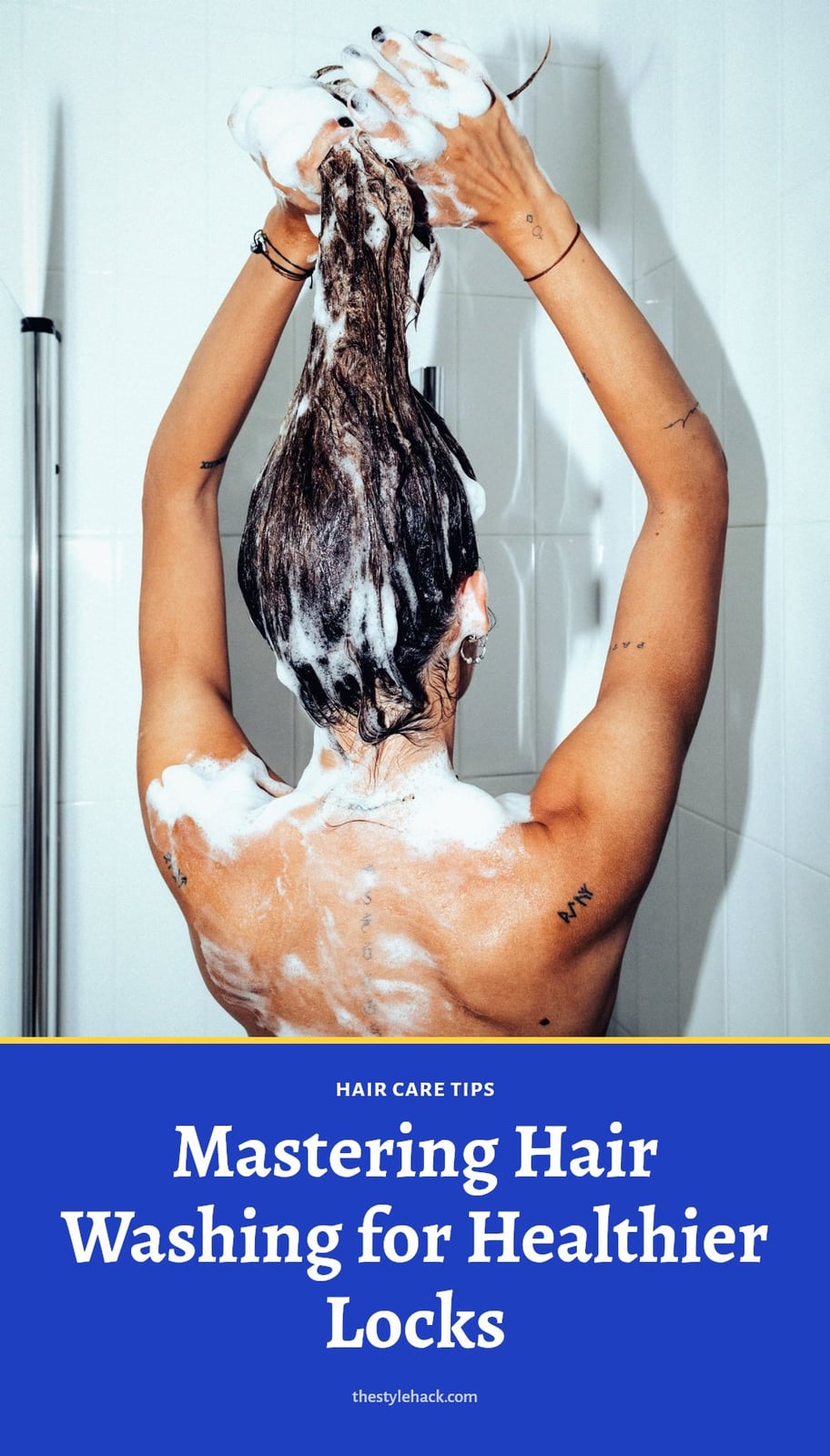
Washing your hair seems simple, but small mistakes can leave it dry, oily, or damaged. The good news is that with a few tweaks, you can get cleaner, shinier hair without extra effort. This article walks you through the common pitfalls and a step-by-step routine that works for most hair types.
Key Takeaways
- Use lukewarm water, not hot, to avoid stripping natural oils.
- Shampoo only your scalp, and condition only mid-lengths to ends.
- Wet your hair for a full minute before applying shampoo for a deeper clean.
- Let conditioner sit for at least 10 minutes to maximize moisture absorption.
- Gently squeeze wet hair with a microfiber towel or old t-shirt, never rub.
1. The Right Way to Wash Your Hair for Health and Shine
Proper hair washing goes beyond shampoo and rinse. It means understanding your hair’s needs and using techniques that clean without stripping natural oils. Focus on pre-wash oiling, wetting hair fully, gently cleansing the scalp, and conditioning the mid-lengths to ends. Small changes, like adjusting water temperature and how you apply products, can make a real difference in your hair’s health and shine.
2. Your Essential Hair Washing Toolkit
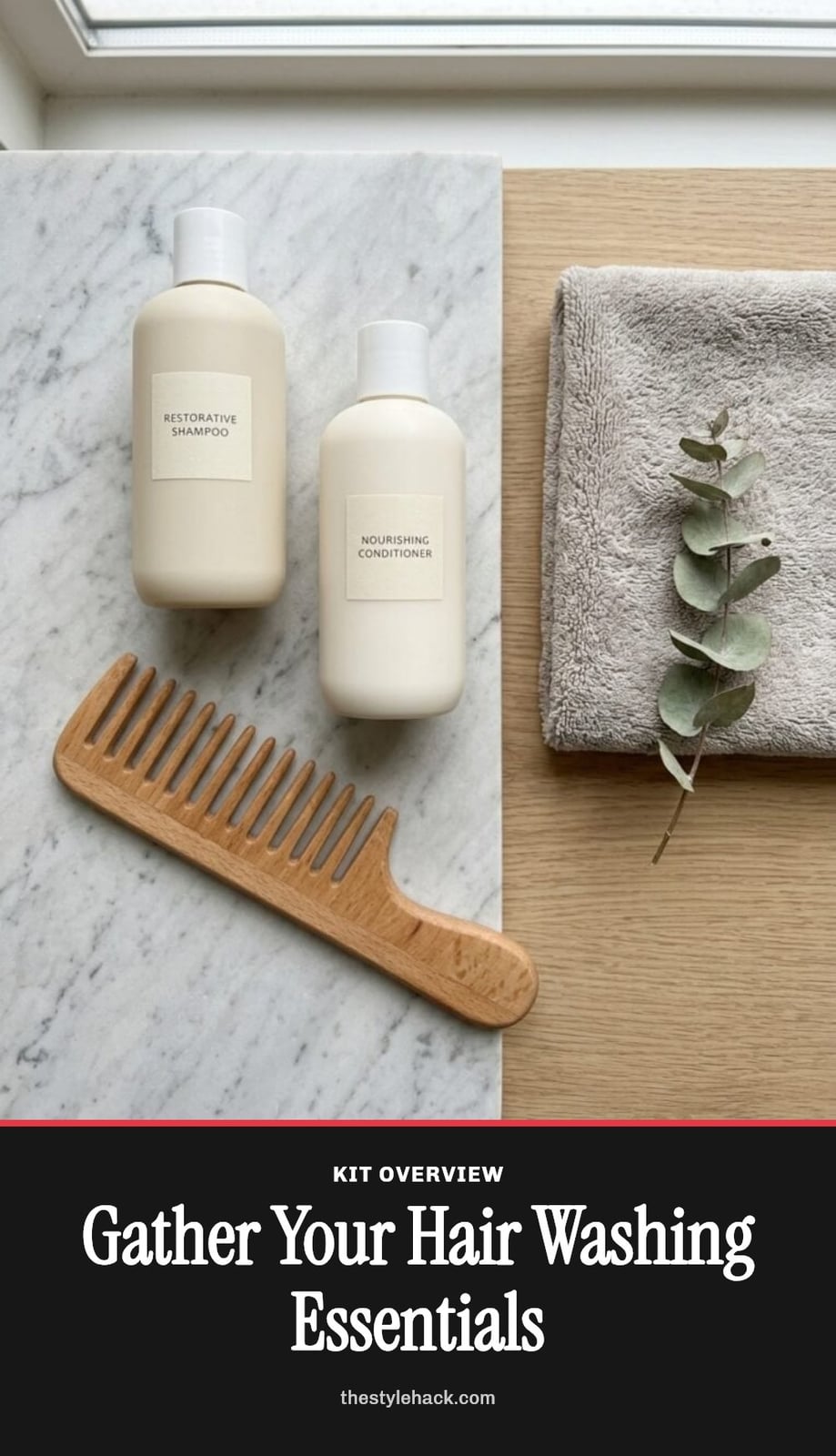
Before you start, gather these essentials:
- Pre-wash oil: Coconut or avocado oil protects strands before shampooing.
- Sulfate- and paraben-free shampoo: Choose one for your hair type.
- Conditioner: Tailored to your hair’s needs.
- Lukewarm water: For washing; cold water for a final rinse.
- Wide-tooth comb or fingers: For gentle detangling.
- Microfiber towel or old cotton t-shirt: For drying without damage.
3. Step-by-Step: My Go-To Hair Washing Routine
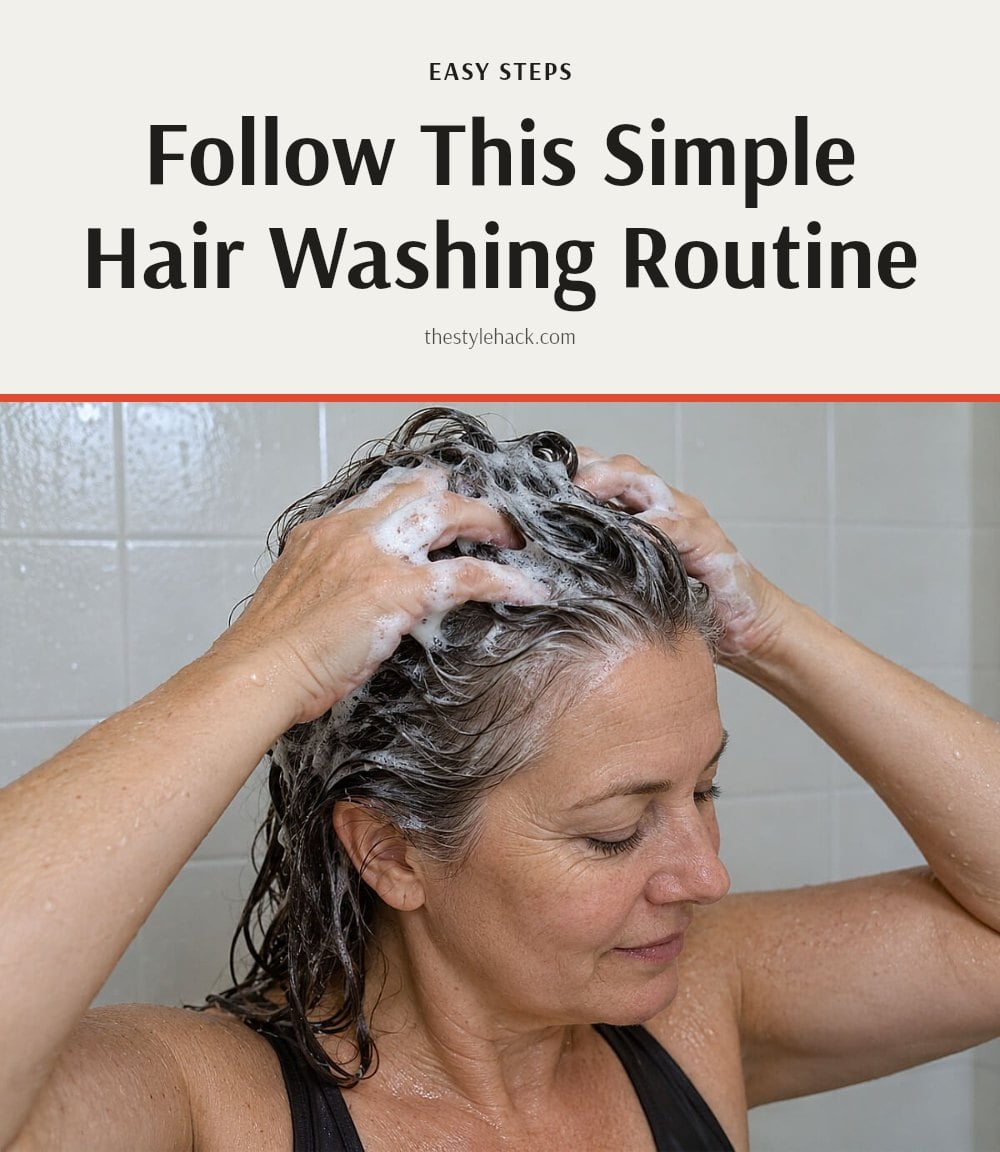
Here is the routine I follow for healthy, shiny hair:
- Apply pre-wash oil: Massage a few drops of coconut or avocado oil into your strands before you step in the shower. This helps prevent hydro fatigue and dryness.
- Wet hair thoroughly: Use lukewarm water for a full minute to open the cuticles. If you have low porosity hair, run your fingers through to ensure every strand is saturated.
- Apply shampoo to scalp: Squeeze a quarter-sized amount of sulfate- and paraben-free shampoo directly onto your scalp.
- Scrub gently: Use your fingertips to scrub your scalp in a side-to-side motion for three minutes. Avoid nails and don’t rub your ends.
- Rinse completely: Rinse with warm water for at least one minute. The shampoo will clean your ends as it flows down.
- Squeeze out excess water: Gently press your hair with your hands to remove extra moisture.
- Apply conditioner: Work conditioner from mid-lengths to ends, using your palms or fingers. Amount depends on your hair texture and length.
- Let it sit: Leave the conditioner on for at least 10 minutes. Check your product’s instructions for the exact time. Use this time to wash your body or shave.
- Rinse conditioner: Rinse with warm water, then finish with cold water for 10 seconds to seal the cuticle and add shine.
- Squeeze again: Gently press out excess water.
- Towel dry: Press your hair with a microfiber towel or old t-shirt. If you have curly or wavy hair, scrunch it.
- Apply leave-in and oil: Immediately apply a leave-in conditioner, then a light hair oil (like argan or jojoba) to seal the cuticles. Let your hair air dry naturally.
Here is the method in action: Doro Cubillo demonstrates it in about 11 minutes.
4. Common Hair Washing Mistakes and How to Fix Them
Here are common mistakes and how to fix them:
- Skipping pre-wash oil: This can cause hydro fatigue, greasiness, and dryness. Always apply a few drops of oil before showering.
- Using hot water: Hot water damages hair and strips natural oils. Use lukewarm water instead.
- Not wetting hair enough: Cuticles need to open for a deep clean. Drench your hair for a full minute before shampooing.
- Removing water before shampooing: Shampoo needs water to lather; applying it to dry hair leads to overuse. Apply to fully wet hair.
- Using too much shampoo: A quarter-sized amount is enough, even for long hair. Focus on your scalp.
- Shampooing your entire hair: Shampoo is for the scalp only; it will naturally cleanse your ends as it rinses.
- Aggressive scrubbing or rubbing: Scrubbing with nails or rubbing ends causes tangles, rough cuticles, and hair loss. Use gentle fingertip motions on your scalp.
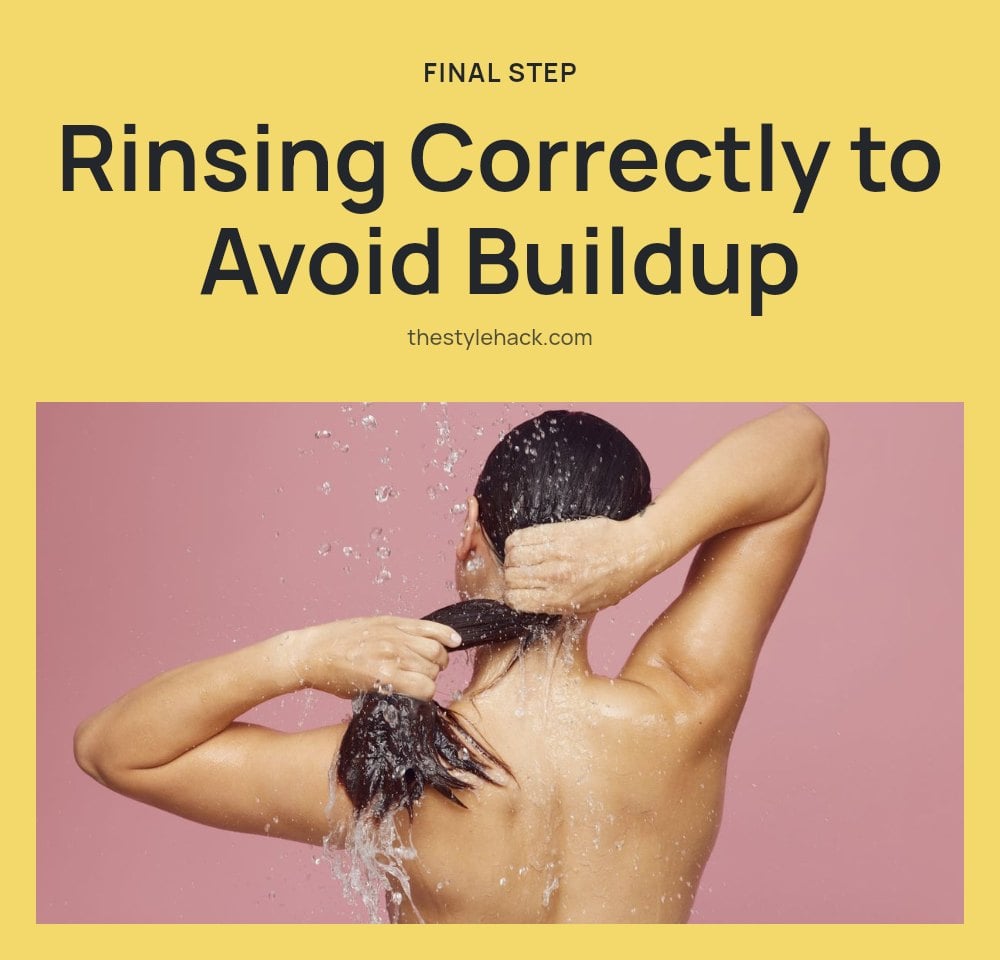
- Not rinsing thoroughly: Product residue leads to dullness and buildup. Rinse until water runs clear and hair feels clean.
5. Top Tips for a Better Hair Wash Day

Choose products that match your hair type and concerns. Look for sulfate- and paraben-free shampoo and conditioner. If you have hard water or use lots of styling products, add a clarifying shampoo once a week to prevent buildup.
My tip: For a deep conditioning boost, gently squeeze out excess water from your hair before applying a hair mask or protein treatment. This helps the product absorb better.
Multitask in the shower. Use the 10 minutes your conditioner sits to clean your body or shave. As for frequency, aim to wash every 3-4 days, or even every 7 days if possible, to minimize water damage and maintain natural oils.
A final rinse with cool water for about 10 seconds can help seal the hair cuticle, adding shine and reducing frizz.
6. How Long Does Proper Hair Washing Take and How Often?
The washing process, from pre-wash oil to rinsing out conditioner, typically takes about 15-20 minutes. This includes the 10-minute conditioner wait time.
The ideal frequency is every 3-4 days, but some hair types can go up to 7 days, which is best to minimize water damage. Factors like hair type, scalp oiliness, activity level, and environment all influence how often you should wash.
Costs vary widely. Shampoo and conditioner range from under $10 to over $30 per bottle. Pre-wash oils are typically $10-20.
7. When to Consult a Professional About Your Hair
Consult a professional if you experience persistent scalp irritation, such as itching, redness, or excessive flaking, even after adjusting your routine and products. See a doctor if you notice excessive hair loss beyond normal shedding (50-100 hairs per day).
If you suspect an allergic reaction to a new product, characterized by severe itching, burning, or a rash on your scalp or skin, stop use and seek advice. For chronic conditions like dandruff, psoriasis, or unexplained dryness or oiliness, a dermatologist can provide a diagnosis and tailored treatment plan.
8. Frequently Asked Questions
9. How often should I wash my hair?
It depends on your hair type, scalp oiliness, and activity level. For most people, washing every 3 to 4 days works well. If your hair is very dry or curly, you can stretch it to once a week to minimize water damage.
10. What is the best way to detangle wet hair?
Hair is most fragile when wet, so avoid brushing aggressively. Instead, apply conditioner and use a wide-tooth comb or your fingers to gently work through tangles while the conditioner is still in. Start from the ends and work upward.
11. How do I know if I’m using the right shampoo and conditioner?
Look for sulfate- and paraben-free products that match your hair concerns, such as oily, dry, or color-treated. If you have hard water or use many styling products, a clarifying shampoo once a week can help prevent buildup. Your hair should feel clean but not stripped after washing.
12. Why is my hair still oily after washing?
Oily hair after washing can mean you are over-shampooing, which triggers your scalp to produce more oil. It could also be from not rinsing thoroughly, leaving residue. Try washing every 3 to 4 days and focus shampoo only on your scalp, not the ends.
13. What is the best way to wash oily hair?
Use a sulfate- and paraben-free shampoo on your scalp only, and scrub with your fingertips in a side-to-side motion for three minutes. Rinse thoroughly with lukewarm water. Condition only the mid-lengths to ends, avoiding the scalp. A final cool rinse can help reduce oiliness.
14. Final Thoughts
Stick to washing every 3 to 4 days for most hair types, or up to 7 days if your hair is very dry or curly. Expect your hair to feel cleaner and look shinier after a few washes with this routine. Small changes in water temperature and product placement can make a big difference over time.
This article is for general informational purposes only and does not constitute medical or professional advice. If you have persistent scalp irritation, excessive hair loss, or an allergic reaction, stop using products and consult a dermatologist or healthcare professional.
More Blog ideas
- How to Heal Chapped Lips Overnight with Simple Steps
- Atomic Habits: 5 Lessons to Build Better Habits
- Hyaluronic Acid for Beginners
- How to Build a Gentle Skincare Routine for Sensitive Skin
- Beat Frizzy Hair: Easy Remedies for Smooth, Shiny Strands
- How to Increase Your Daily Drinking Water Intake
- Bleaching Hair Tips for Less Damage
- How to Make Your Body Mist Last Longer All Day
- How to Fix Your Skincare Routine
- Nervous System Regulation Tips
- Vagus Nerve Exercises for Stress Relief
- How to Make Your Own Whipped Body Butter at Home






