Vagus Nerve Exercises for Stress Relief
Learn simple vagus nerve exercises you can do daily to naturally reduce stress, calm your body, and improve your overall well-being. Start feeling better today!

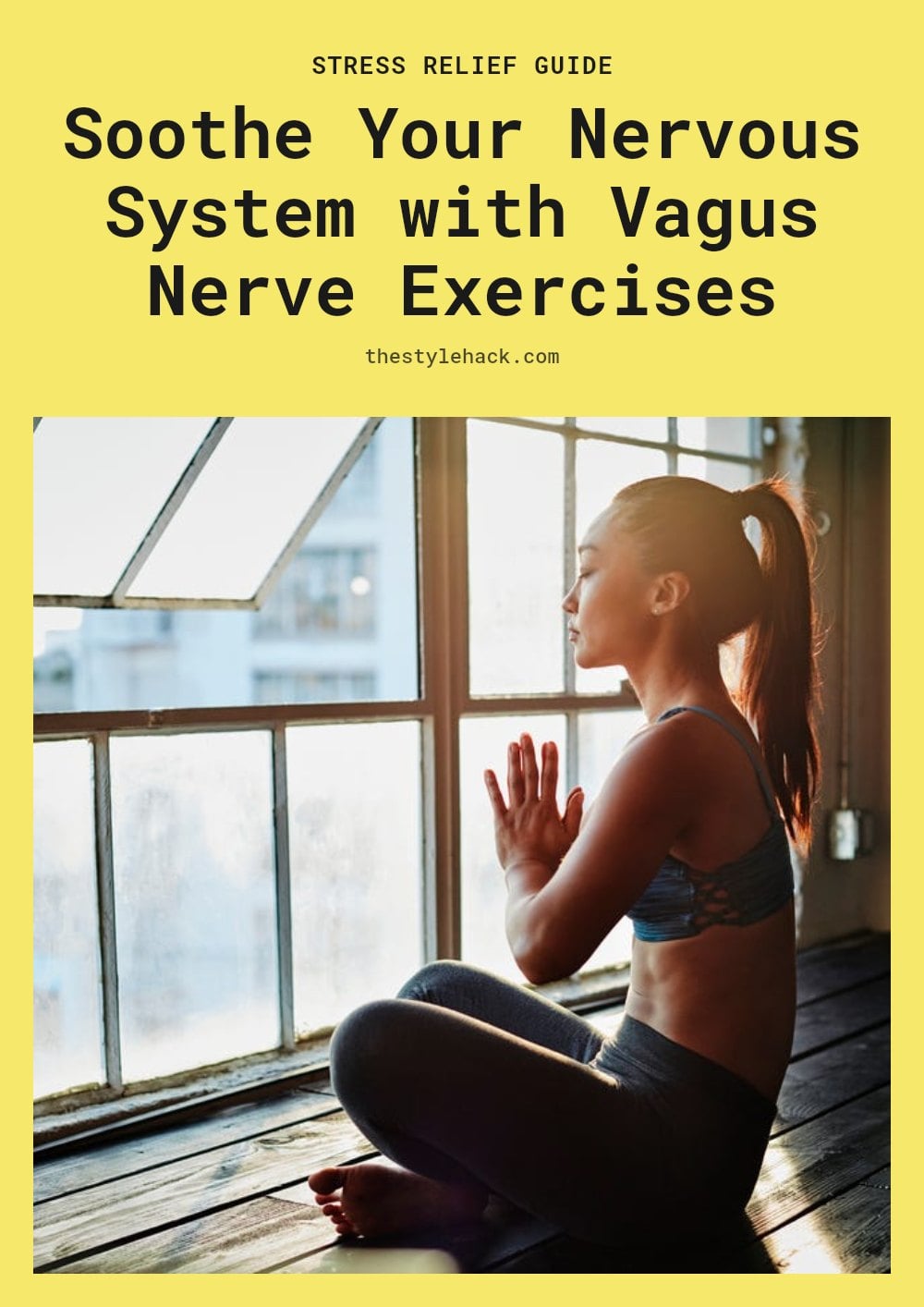
When stress has you feeling wired and on edge, your vagus nerve might be the key to finding calm. This long cranial nerve runs from your brainstem to your abdomen and is central to your body’s ‘rest and digest’ system. By learning a few simple exercises, you can help activate this natural relaxation response and ease everyday tension.
In this article, I’ll walk you through what the vagus nerve does, share easy techniques you can try at home, and offer tips for making them a consistent part of your routine. You’ll also learn what to avoid and when to check in with a professional.
Key Takeaways
- Practice slow, deep belly breathing daily to activate your vagus nerve.
- Try gargling with water for 30 to 60 seconds to stimulate throat muscles.
- Add humming, singing, or chanting to your routine for vagal activation.
- Splash cold water on your face or take a short cold shower for a quick boost.
- Expect lasting results after weeks to months of consistent daily practice.
1. What is the Vagus Nerve and Why Does it Matter?
The vagus nerve is your body’s longest cranial nerve, running from your brainstem all the way down to your abdomen. It’s a key part of your ‘rest and digest’ system, meaning it steps in to calm things down after stress. This nerve helps regulate your heart rate, digestion, and mood, so activating it through simple exercises can really lower stress and boost relaxation.
2. How Activating Your Vagus Nerve Calms Your System
The vagus nerve is the longest cranial nerve, connecting your brain to many organs like the heart, lungs, and digestive tract. This makes it central to the parasympathetic nervous system, which is responsible for calming your body after stress.
3. How activation works
- Lowers heart rate: When stimulated, the vagus nerve sends signals to slow your heart rate, shifting you out of ‘fight or flight’ mode.
- Reduces inflammation: It helps control inflammation throughout the body, supporting recovery and balance.
- Improves digestion: It promotes healthy digestion by relaxing the digestive tract.
Higher vagal tone, or activity of this nerve, is linked to better health, resilience to stress, and a greater ability to relax. Regular stimulation builds that tone over time.
4. Simple Tools for Vagus Nerve Exercises
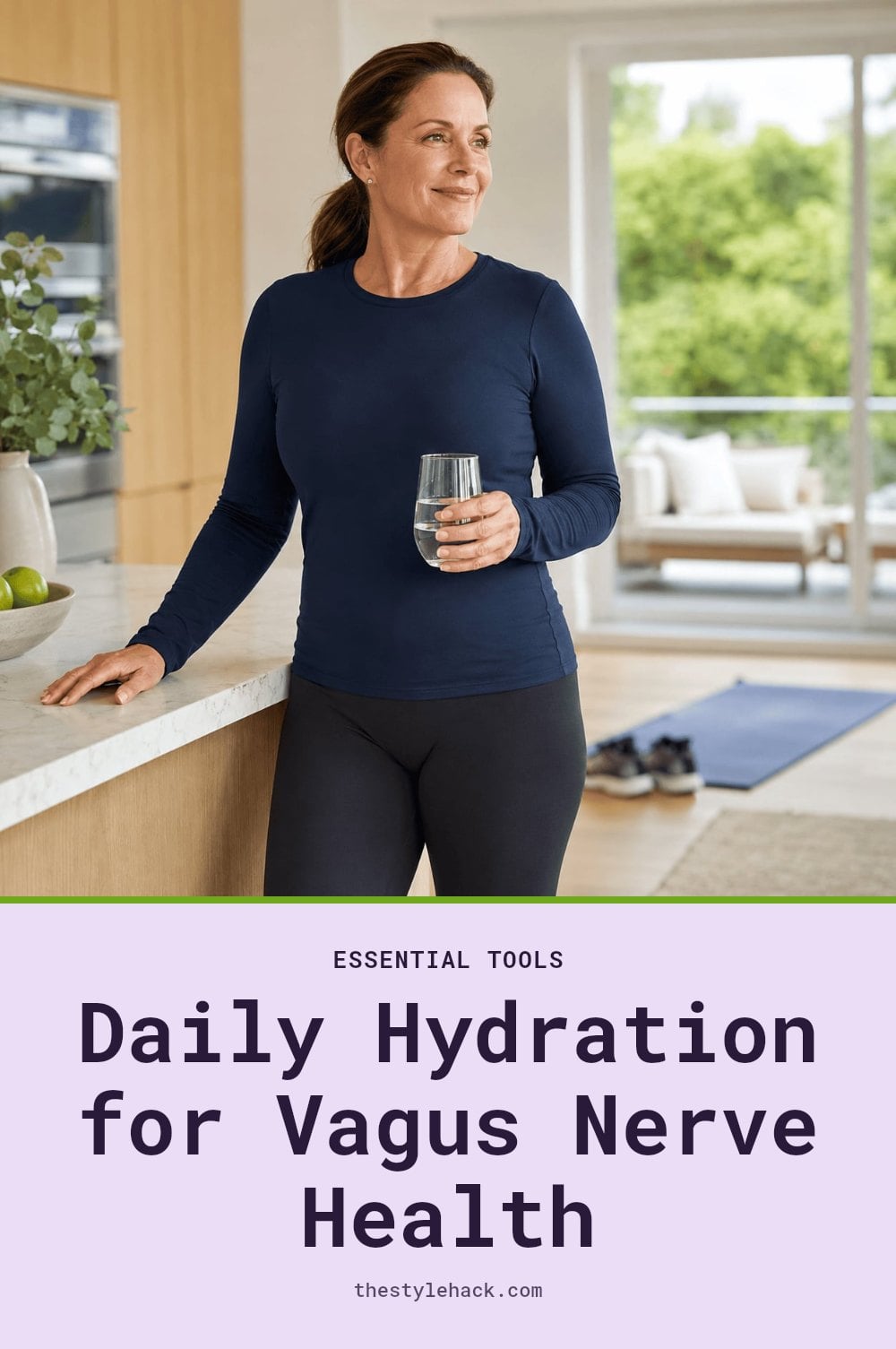
You don’t need fancy gear to start stimulating your vagus nerve. The tools are simple and probably already in your home.
- Water: For gargling and cold splashes. Tap water works fine.
- Comfortable clothing: For breathing exercises and gentle movement like walking or yoga. Nothing tight around your waist or chest.
5. Effective Vagus Nerve Stimulation Techniques

These techniques are easy to try at home. Pick one that fits your day and give it a go.
6. Deep diaphragmatic breathing
Slow, deep belly breaths directly activate the vagus nerve. Sit or lie down, place a hand on your belly, and inhale deeply through your nose for a count of four. Feel your belly rise. Exhale slowly through your mouth for a count of six. Repeat for 5-10 minutes.
Tip: Keep the breath smooth and steady. Don’t hold your breath between inhales and exhales.
7. Gargling vigorously
Gargling water for 30-60 seconds engages throat muscles that the vagus nerve innervates. Use room-temperature water, tilt your head back, and gargle with enough force to feel the vibration.
Caution: If you have a sore throat or feel pain, skip this method.
8. Singing, humming, or chanting
Engaging your vocal cords through humming, singing, or chanting stimulates the vagus nerve. Try humming a tune for 3-5 minutes while you do dishes or drive. Chanting a simple syllable like ‘om’ also works.
Tip: Humming before bed can be a calming way to wind down.
9. Cold exposure
Splash cold water on your face or take a short cold shower (30 seconds to 2 minutes) for a quick jolt to the nerve. The shock activates the vagus nerve and can help lower your heart rate.
Caution: Start gradually. If you have a heart condition or are new to cold exposure, consult your doctor first. Stop if you feel dizzy or uncomfortable.
10. Gentle movement
Yoga, walking, or tai chi improve vagal tone over time. The slow, deliberate movements and focus on breath support nervous system regulation. Aim for 20-30 minutes of gentle movement most days.
11. Common Mistakes to Avoid When Activating Your Vagus Nerve
One common mistake is treating vagus nerve stimulation as a cure-all for every health issue. It is a supportive wellness tool, not a replacement for prescribed medical treatments. Another pitfall is inconsistency; sporadic practice yields minimal benefits, while regular daily efforts build real results.
Do not confuse these natural exercises with medical VNS devices, which are implanted and prescribed by doctors. Also, avoid expecting instant profound relaxation from a single session. Some calming effects can happen quickly, but lasting changes in vagal tone take time and repetition. Caution: When trying cold exposure, start gradually. A short splash of cold water is enough at first. If you have a heart condition, talk to your doctor before attempting cold showers.
12. Maximizing Your Vagus Nerve Activation for Lasting Calm
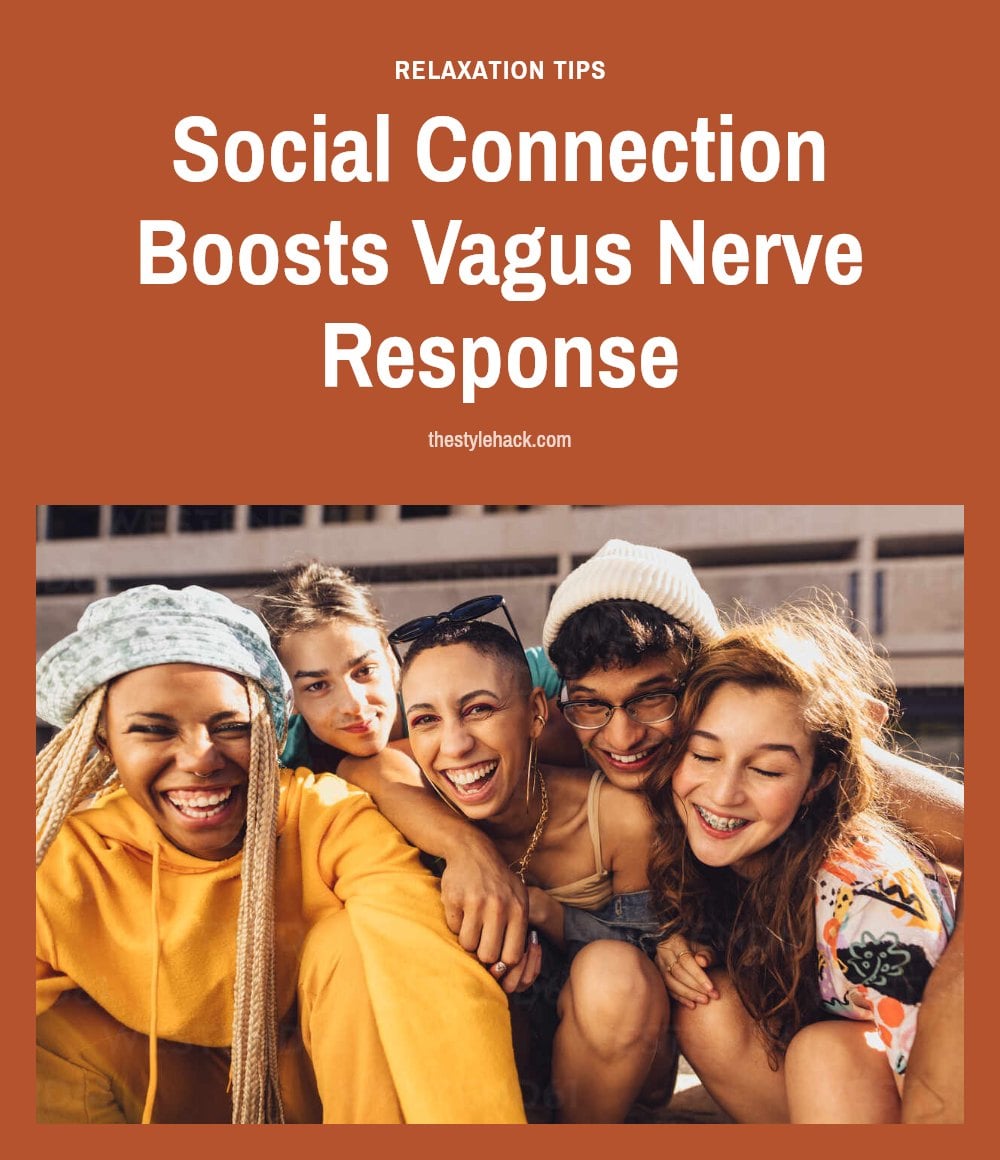
To get the most out of your vagus nerve work, weave it into your lifestyle. Prioritize social connection and laughter; both positively influence vagal activity. Practice mindfulness or meditation regularly, as this can indirectly enhance your vagal tone over time.
My tip: Always listen to your body. If an exercise causes discomfort, adjust the intensity or stop. Consistency is the real secret. Integrate one or two techniques into your daily routine, and you will support lasting calm and resilience.
13. When to Expect Results and How Often to Practice
Some people feel a calming effect during or right after an exercise, which is a good sign. For lasting improvements in vagal tone and stress resilience, plan on consistent daily practice over several weeks to months.
Aim to incorporate one or more exercises into your daily routine. The best part is that these techniques are largely free. They require only your time and a few household items like water and comfortable clothing.
14. When to Consult a Healthcare Professional
Before starting any new wellness regimen, always consult your doctor, especially if you have underlying health conditions or are pregnant. If you feel dizziness, lightheadedness, or any discomfort during an exercise, stop immediately.
Be particularly cautious with cold exposure if you have a heart condition, and discuss it with your healthcare provider first. Remember, vagus nerve stimulation is complementary and not a substitute for medical treatment for anxiety, depression, or other serious conditions.
15. Frequently Asked Questions
16. How quickly do vagus nerve exercises work?
Some people notice a calming effect during or right after an exercise, like a deep breathing session or a cold splash. However, for significant and lasting improvements in vagal tone and stress resilience, you’ll likely need to practice consistently for several weeks to months. Think of it as building a habit rather than expecting instant transformation.
17. Can vagus nerve exercises help with anxiety?
Many people find that vagus nerve exercises, such as slow breathing or humming, can help ease feelings of anxiety by promoting relaxation. These techniques support your parasympathetic nervous system, which counteracts the stress response. However, they are not a replacement for professional treatment. If you have an anxiety disorder, talk to a healthcare provider about the best approach for you.
18. Is it safe to do vagus nerve exercises every day?
Yes, daily practice is generally safe for most people, and consistency is key for seeing benefits. However, it’s important to listen to your body. If you feel dizzy, lightheaded, or any discomfort during an exercise, stop immediately. Also, if you have a heart condition or are pregnant, consult your doctor before starting a daily routine, especially with cold exposure.
19. What is vagal tone and why is it important?
Vagal tone refers to the activity level of your vagus nerve. Higher vagal tone is associated with better physical and emotional health, including greater resilience to stress, improved heart rate regulation, and better digestion. You can think of it as a measure of how well your nervous system can shift into a calm state. Regular vagus nerve exercises may help improve your vagal tone over time.
20. Are there any side effects to vagus nerve stimulation?
While gentle exercises like breathing or humming are generally low-risk, some people may experience lightheadedness or discomfort, especially with cold exposure or if they overdo it. If you notice any adverse effects, stop the exercise and rest. For those with certain medical conditions, such as heart problems, it’s wise to check with a doctor before trying cold water techniques.
21. Final Thoughts
To get the most from vagus nerve exercises, choose one or two techniques that fit your lifestyle and commit to them daily. For example, you might start with deep belly breathing each morning and add a short cold splash before your shower. Remember, consistency matters more than intensity, and some people feel a calming effect right away, while lasting changes in vagal tone take several weeks to months.
As you build this habit, keep listening to your body. If anything feels uncomfortable or you have underlying health conditions, check with your doctor first. With regular practice, these gentle exercises can become a reliable tool for managing stress and supporting your overall well-being.
This article is for general informational purposes only and is not a substitute for professional medical advice. Always consult with a qualified healthcare provider before starting any new wellness routine, especially if you have underlying health conditions or are pregnant. If you experience dizziness, discomfort, or have concerns about your health, seek guidance from a doctor or other appropriate professional.
More Blog ideas
- How to Heal Chapped Lips Overnight with Simple Steps
- Atomic Habits: 5 Lessons to Build Better Habits
- Hyaluronic Acid for Beginners
- How to Build a Gentle Skincare Routine for Sensitive Skin
- Beat Frizzy Hair: Easy Remedies for Smooth, Shiny Strands
- How to Increase Your Daily Drinking Water Intake
- Washing Hair Mistakes to Avoid and What to Do Instead
- Bleaching Hair Tips for Less Damage
- How to Make Your Body Mist Last Longer All Day
- How to Fix Your Skincare Routine
- Nervous System Regulation Tips
- How to Make Your Own Whipped Body Butter at Home






