Beat Frizzy Hair: Easy Remedies for Smooth, Shiny Strands
Tame frizzy hair with these simple remedies. Learn the causes and get expert tips for smoother, healthier-looking locks.

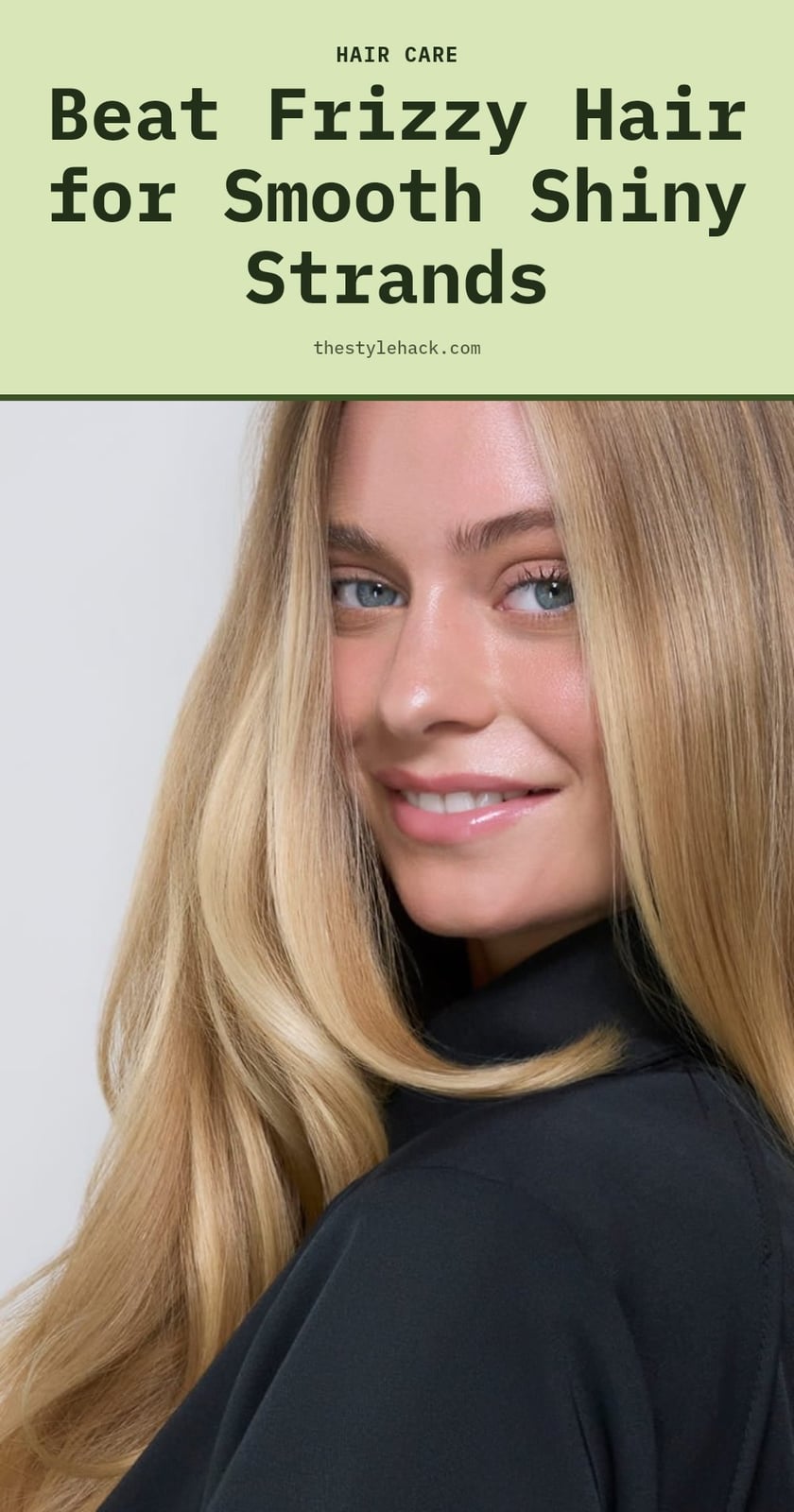
If you’re tired of battling frizz every time you step outside, you’re not alone. The good news is that frizzy hair is usually a sign of dryness, and with the right routine, you can lock in moisture and keep your strands smooth. This article covers the most effective, easy-to-follow remedies to help you tame frizz for good.
From switching your shampoo to changing how you dry your hair, small adjustments can make a big difference. I’ll walk you through the do’s and don’ts that actually work, based on how hair behaves.
Key Takeaways
- Use a sulfate-free, moisturizing shampoo and conditioner to preserve natural oils.
- Rinse with cool water to help seal the hair cuticle after conditioning.
- Blot hair dry with a microfiber towel or cotton t-shirt instead of rubbing.
- Apply a leave-in conditioner and anti-frizz serum to damp hair for lasting smoothness.
- Sleep on a silk or satin pillowcase to reduce friction and prevent frizz overnight.
1. Why Does My Hair Get Frizzy?
Frizz happens when your hair’s outer layer, the cuticle, lifts up. Once the cuticle is raised, moisture from the air sneaks into the hair strand and swells it, creating that puffy, unruly look. This is especially common if your hair is naturally dry, damaged, or chemically treated, because the cuticle is already compromised. Humidity is the main trigger: dry hair actively pulls moisture from the atmosphere, which makes the swelling worse.
2. 1. Choose a Sulfate-Free Shampoo
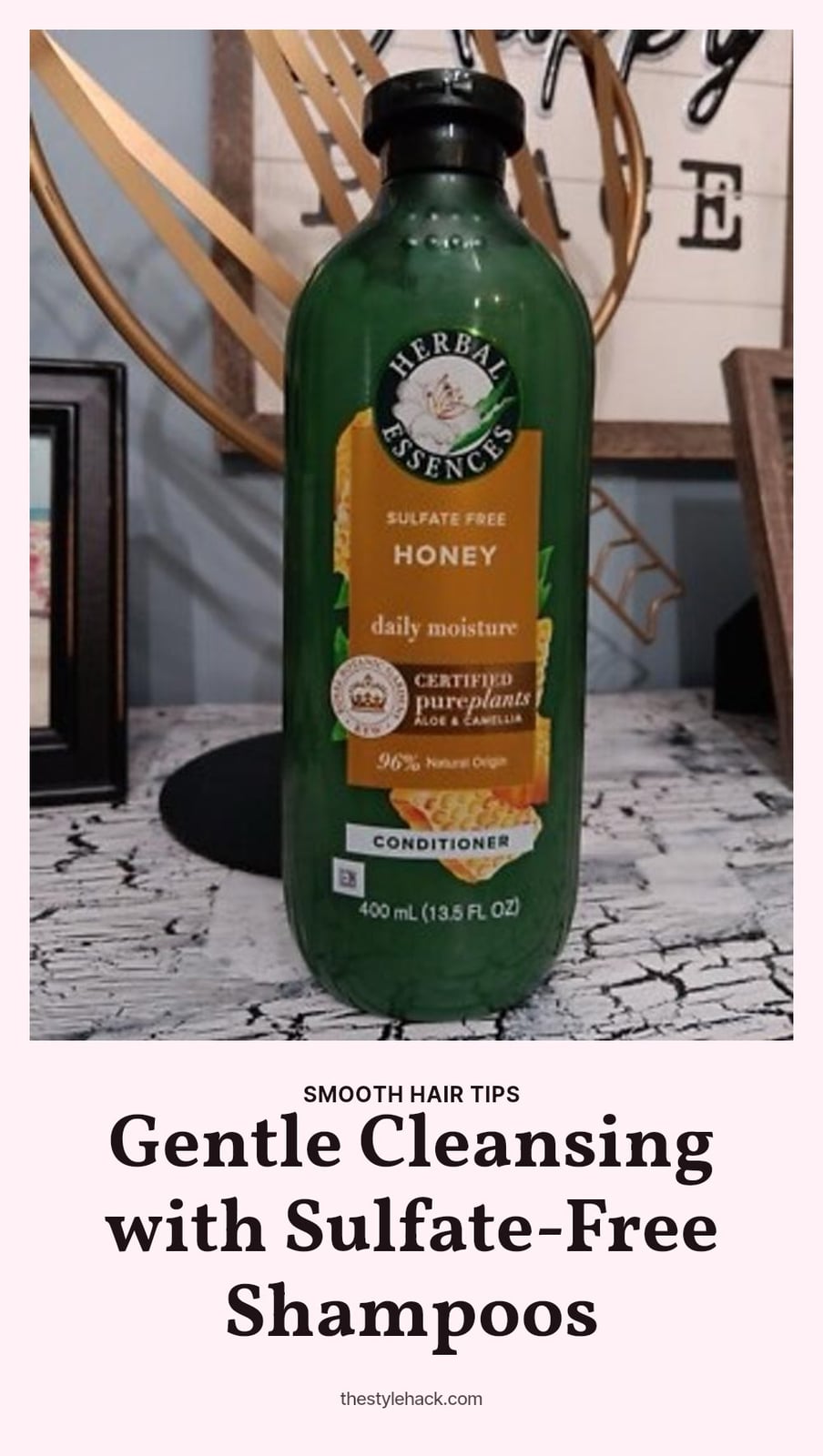
A sulfate-free shampoo is a gentler option that keeps your hair’s natural oils in place. Harsh sulfates strip away essential moisture, leaving dry hair even more prone to frizz. When you switch, you protect the cuticle from further damage.
My tip: Look for moisturizing ingredients like argan oil or shea butter in your shampoo and conditioner. These help replenish what your hair needs to stay smooth.
3. 2. Condition Generously and Rinse Cool
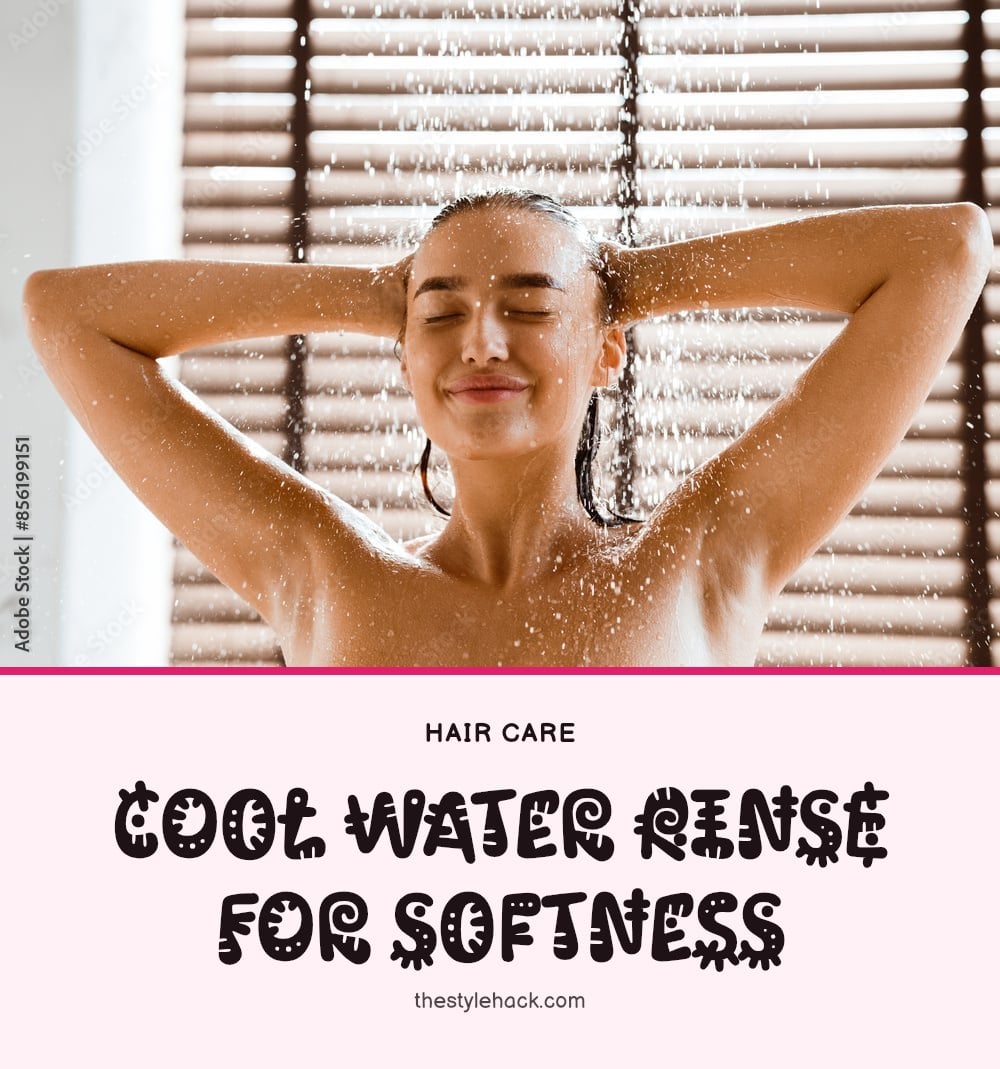
A good conditioner smooths down the raised cuticle and locks moisture inside the strand. Without it, the cuticle stays rough and frizz sets in faster.
My tip: Focus conditioner on your mid-lengths and ends, where frizz usually starts. Rinse with cool water at the end of your shower. The cool temperature helps seal the cuticle shut, so it is less likely to absorb humidity later.
4. 3. Gently Blot Hair Dry

Rubbing your hair with a terry cloth towel roughs up the cuticle and creates more frizz. Instead, gently blot excess water with a microfiber towel or an old cotton t-shirt. This method keeps the cuticle smooth and intact, which means less puffiness as your hair dries.
5. 4. Apply Leave-In Products
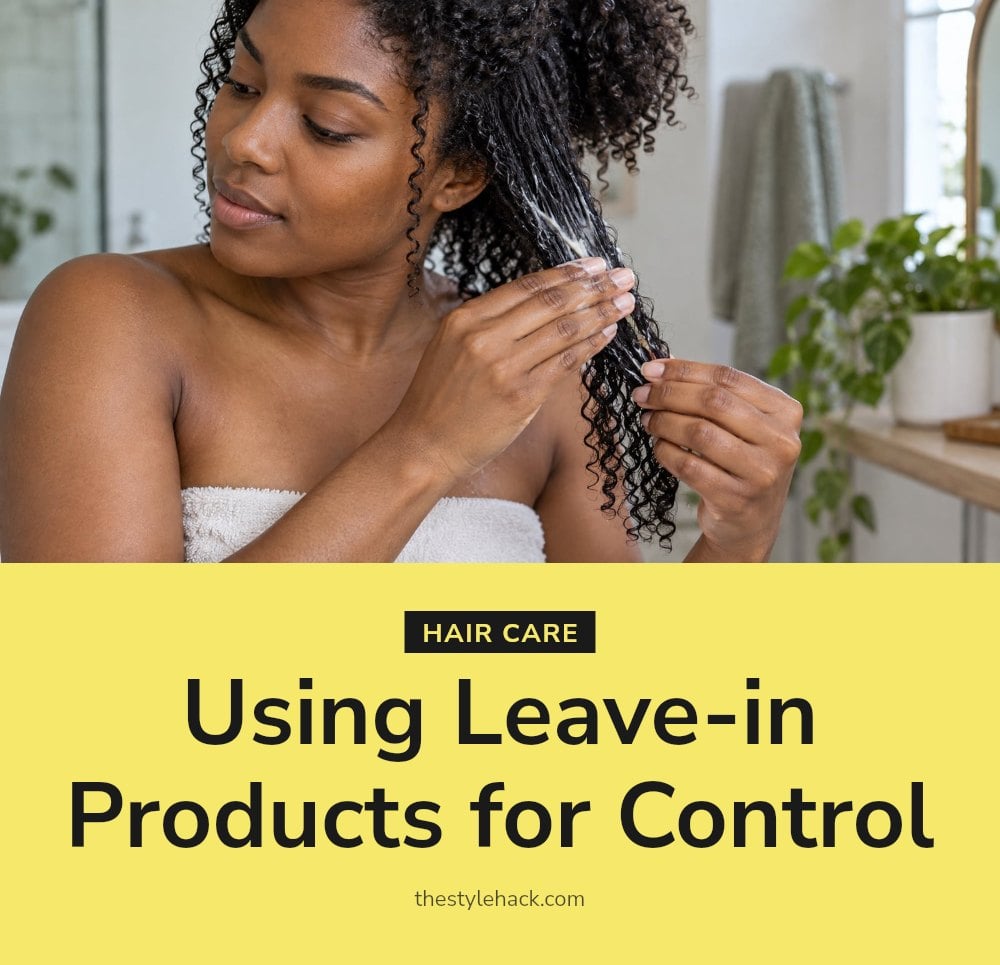
Leave-in conditioners and anti-frizz serums provide extra hydration and seal the cuticle after washing. Without them, the moisture you just added can escape, and humidity will rush in. Apply a leave-in conditioner first to damp hair, then follow with a serum or oil to lock everything in.
Tip: Look for products with silicones like dimethicone, which coat the hair and block humidity effectively. Natural oils such as argan or jojoba oil also work well. Apply the product from mid-lengths to ends, avoiding the roots to prevent greasiness. This creates a protective barrier that lasts through the day.
6. 5. Air Dry or Diffuse with Low Heat
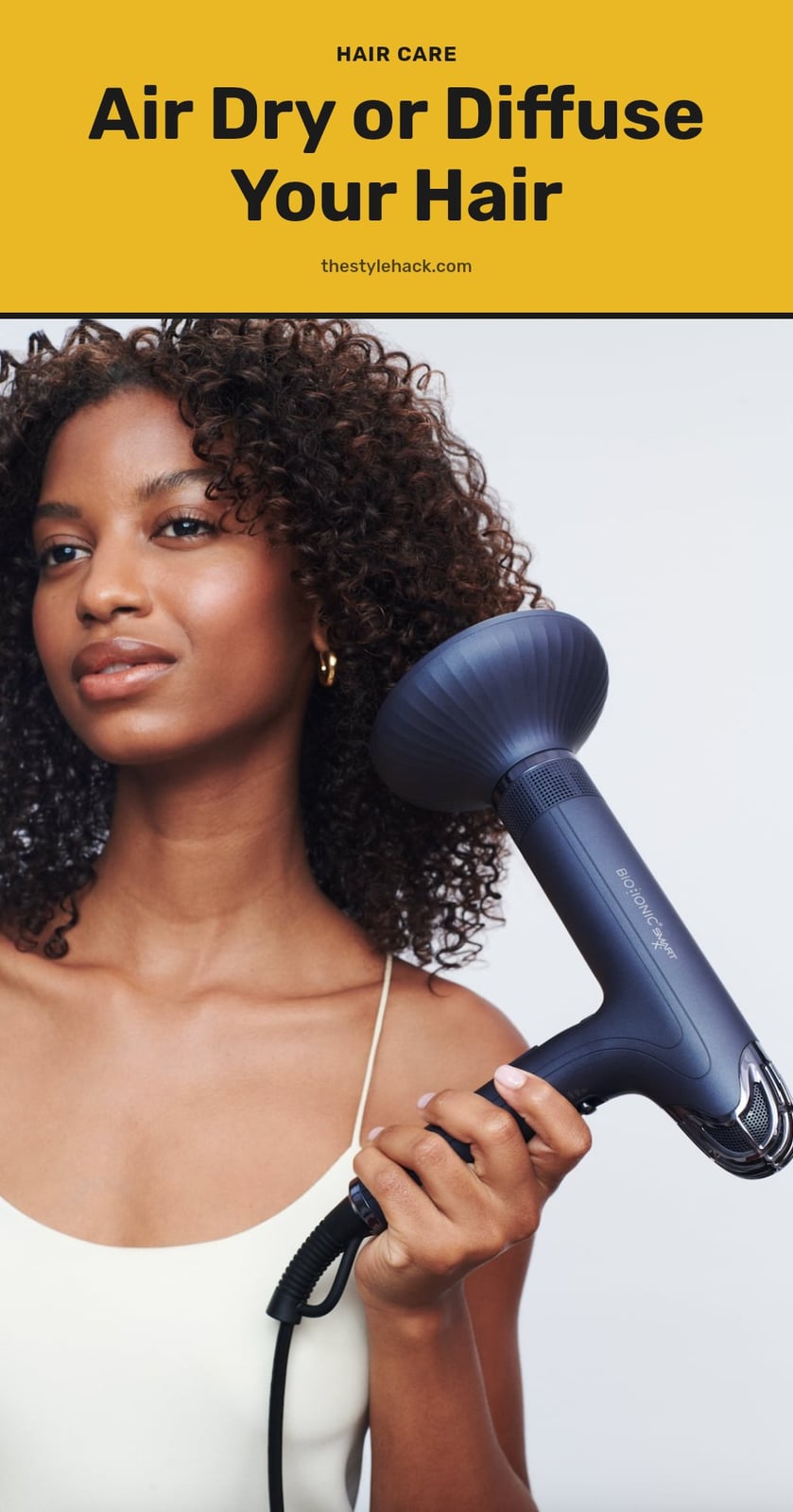
Air-drying your hair is the gentlest option, minimizing heat damage and frizz. If you must blow dry, use a diffuser attachment on a low heat and low speed setting. A diffuser distributes air evenly, reducing disruption to the hair cuticle and enhancing natural curls without frizz.
7. 6. Deep Condition Weekly
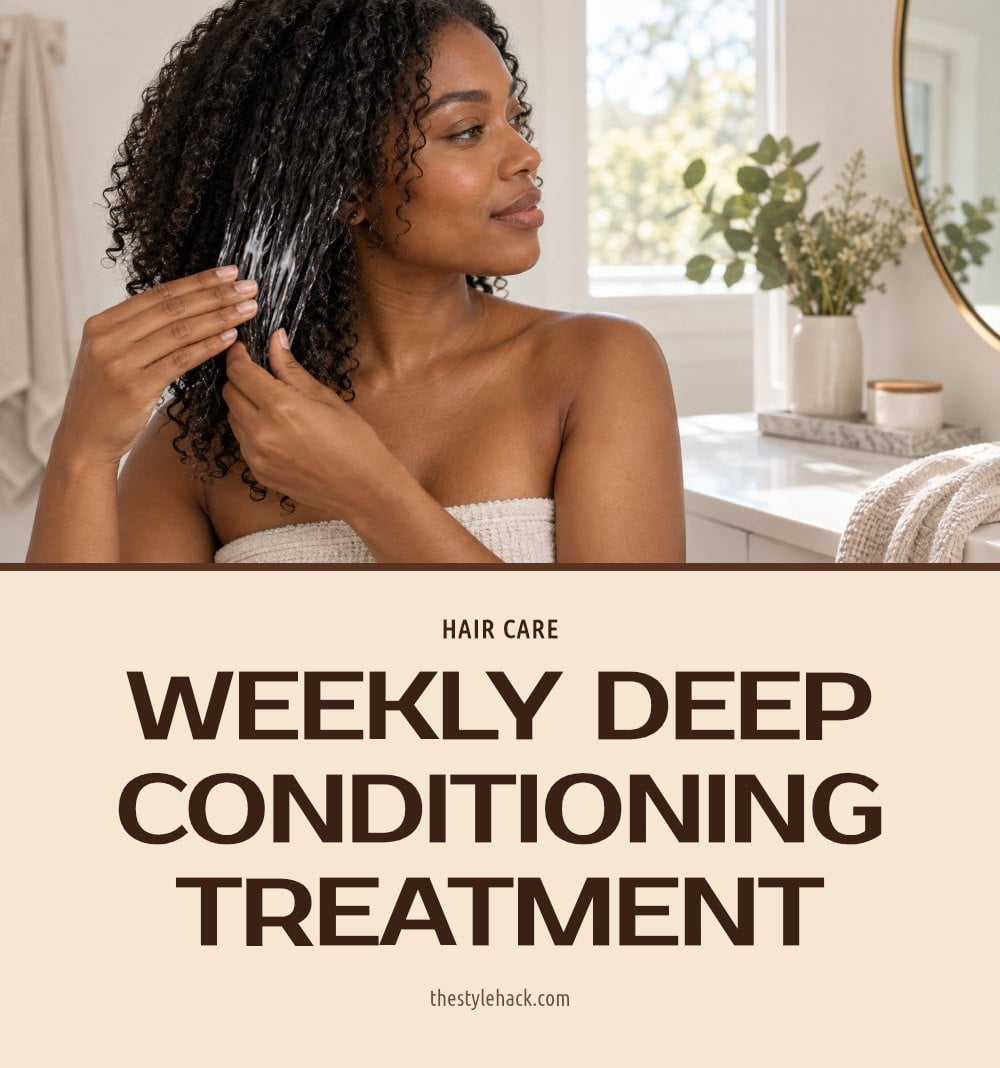
Deep conditioning treatments provide intense moisture, which is vital for combating dryness and smoothing the hair cuticle. Incorporating a hair mask into your routine once a week can significantly improve your hair’s hydration and reduce frizz over time. Good to know: Focus on masks with ingredients like argan oil, coconut oil, or shea butter for maximum hydration.
8. 7. Sleep on Silk or Satin
Cotton pillowcases create friction, roughing up your hair cuticle and leading to frizz and breakage overnight. Switching to a silk or satin pillowcase reduces this friction, keeping your hair smoother and less frizzy. This simple change can make a big difference in how your hair looks and feels in the morning.
9. 8. Get Regular Trims
Split ends travel up the hair shaft, making your hair look and feel frizzier. Regular trims remove these damaged ends, promoting healthier hair that is less prone to frizz. Aim for a trim every 6-8 weeks, even if it’s just a dusting to keep your ends fresh.
10. 9. Protect Hair from Heat
Heat styling without protection can severely damage the hair cuticle, increasing dryness and frizz. Always apply a heat protectant spray before using any heat styling tools, like flat irons or curling wands. This creates a barrier that shields your hair from intense heat, keeping it smoother and healthier.
11. 10. Avoid Brushing Dry Frizzy Hair
Brushing dry, frizzy hair can further disrupt the cuticle, leading to more frizz and even breakage. If you need to detangle, use a wide-tooth comb on damp hair after applying a leave-in conditioner. Pro move: For dry hair, use your fingers to gently smooth or reshape, or apply a serum to tame flyaways.
12. 11. Don’t Over-Wash Your Hair
Over-washing can strip your hair of its natural oils, leading to dryness and increased frizz. Aim to wash your hair 2-3 times a week, or even less if your hair allows. On non-wash days, use a dry shampoo at the roots if needed, and refresh ends with a light anti-frizz serum.
13. When to Consult a Professional
If your frizz is accompanied by significant hair loss, scalp irritation, or persistent dryness despite trying remedies, consult a dermatologist. A dermatologist can rule out underlying conditions or recommend medical treatments. For severe damage or styling challenges, a professional stylist can offer specialized treatments or personalized product recommendations.
14. Frequently Asked Questions
15. Why does my hair get frizzy even after I’ve styled it?
Frizz can appear after styling if your hair’s cuticle is still raised or if humidity is high. Using a heat protectant before styling and finishing with an anti-frizz serum can help seal the cuticle. Also, avoid brushing dry hair after styling, as that can disrupt the smooth finish.
16. Can humidity really make my hair frizzier?
Yes, humidity is a major trigger for frizz. When the air is humid, dry hair absorbs moisture from the atmosphere, causing the hair shaft to swell and the cuticle to lift. Using products with silicones or oils can create a barrier that helps block humidity.
17. Are there specific ingredients I should look for in anti-frizz products?
Look for moisturizing ingredients like glycerin and hyaluronic acid, which attract moisture to the hair. However, in very high humidity, these humectants can sometimes worsen frizz. Silicones can provide a temporary smooth finish, but some types may build up over time.
18. How often should I deep condition my hair for frizz?
Deep conditioning once a week is ideal for most people with frizzy hair. This provides intense moisture to smooth the cuticle and reduce dryness. If your hair is very damaged or dry, you can increase to twice a week, but avoid overdoing it to prevent product buildup.
19. Does brushing frizzy hair make it worse?
Yes, brushing dry, frizzy hair can further disrupt the cuticle and create more frizz and breakage. Instead, detangle with a wide-tooth comb on damp hair after applying a leave-in conditioner. For dry hair, use your fingers to gently smooth strands.
20. Final Thoughts
My tip: Start with just one or two changes, like swapping your towel and adding a weekly deep conditioner, and see how your hair responds. Real improvement usually shows within a few washes, but for lasting smoothness, stick with the routine for several weeks. With consistent care, you can keep frizz under control and enjoy shinier, healthier hair every day.
This article is for general informational purposes only and does not constitute medical or professional advice. Results may vary based on individual hair type and condition. If you experience significant hair loss, scalp irritation, or persistent issues, consult a dermatologist or licensed stylist.
More Blog ideas
- How to Heal Chapped Lips Overnight with Simple Steps
- Atomic Habits: 5 Lessons to Build Better Habits
- Hyaluronic Acid for Beginners
- How to Build a Gentle Skincare Routine for Sensitive Skin
- How to Increase Your Daily Drinking Water Intake
- Washing Hair Mistakes to Avoid and What to Do Instead
- Bleaching Hair Tips for Less Damage
- How to Make Your Body Mist Last Longer All Day
- How to Fix Your Skincare Routine
- Nervous System Regulation Tips
- Vagus Nerve Exercises for Stress Relief
- How to Make Your Own Whipped Body Butter at Home