How to Build a Gentle Skincare Routine for Sensitive Skin
Learn how to build a gentle skincare routine for sensitive skin. Discover products and steps to soothe irritation and strengthen your skin barrier.

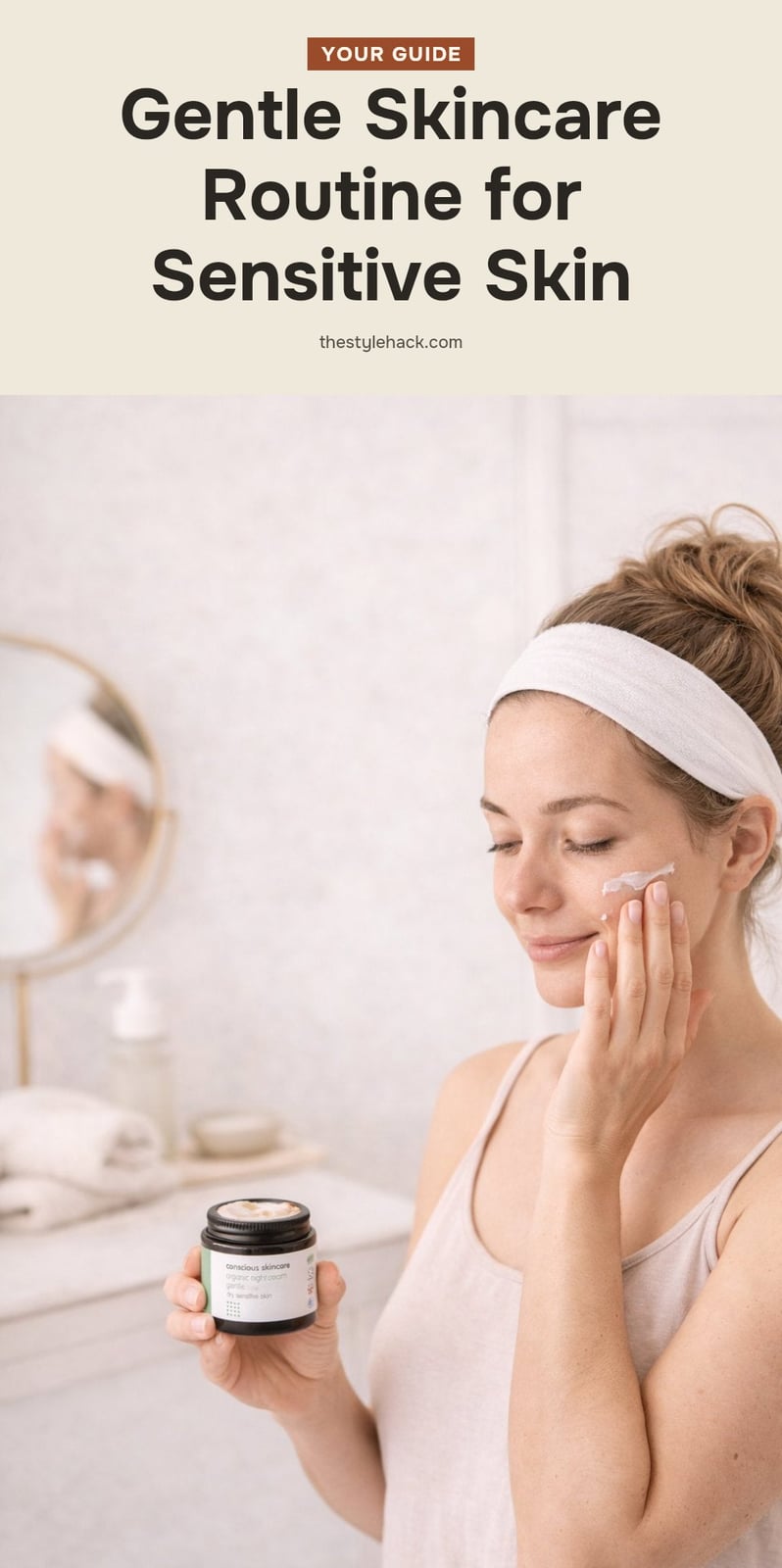
If your skin often feels red, itchy, or tight after using certain products, you’re not alone. Sensitive skin is a common condition where the skin’s protective barrier is compromised, making it react easily to triggers like fragrances or weather changes. This article walks you through the simple steps to build a gentle skincare routine that soothes irritation and strengthens your skin’s natural defenses.
I’ll share the key ingredients to look for, the mistakes to skip, and how long it takes to see real results.
Key Takeaways
- Choose fragrance-free, dye-free products labeled ‘hypoallergenic’ or ‘for sensitive skin’.
- Always patch test a new product on your inner forearm for 24-48 hours before full use.
- Use lukewarm water and a gentle, non-foaming cleanser to avoid stripping natural oils.
- Moisturize twice daily and apply a mineral-based sunscreen every day, even when it’s cloudy.
- Keep your routine simple, limit active ingredients and exfoliate sparingly, if at all.
1. What is Sensitive Skin and Why Does it React?
Sensitive skin is a common condition where your skin reacts easily to triggers like certain products or weather changes. It is not a medical diagnosis but a description of skin prone to adverse reactions such as redness, stinging, or itching. A compromised skin barrier is often the culprit, letting irritants in and allowing moisture to escape.
2. Your Essential Toolkit for Sensitive Skin
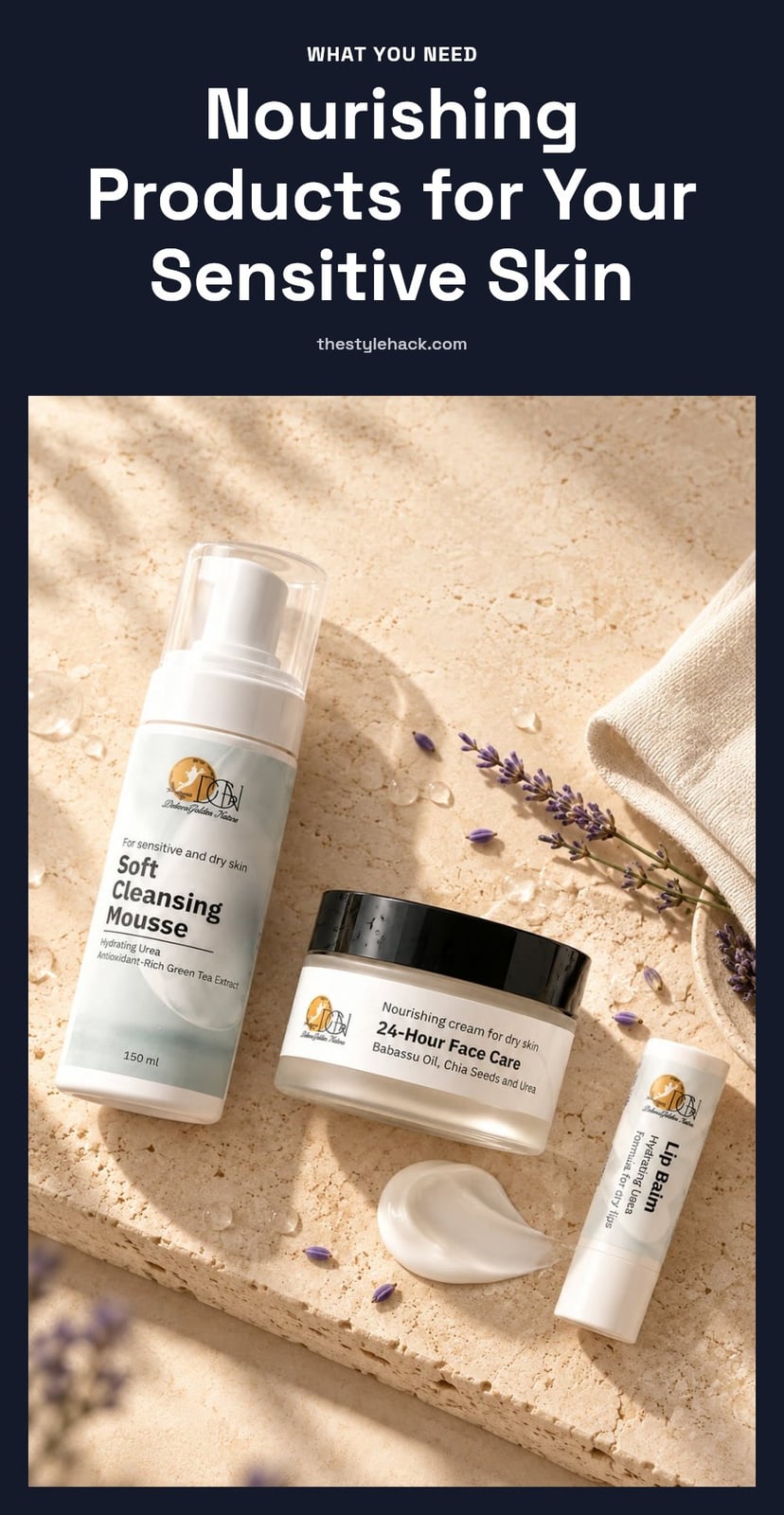
Building a sensitive skin toolkit starts with a gentle, fragrance-free cleanser that won’t strip natural oils. Follow with a rich, emollient moisturizer to lock in hydration and support the barrier. For daytime protection, choose a mineral-based broad-spectrum sunscreen with zinc oxide or titanium dioxide, which is less likely to cause irritation. A soft cotton towel for gentle drying is a simple but important addition.
Key ingredients to look for include:
- Ceramides: Help repair the skin barrier.
- Hyaluronic acid: Attracts and holds moisture.
- Glycerin: A gentle humectant that hydrates.
- Niacinamide: Soothes and strengthens the skin.
3. Step-by-Step: Building Your Gentle Skincare Routine

Start your routine by washing your face with lukewarm water and a gentle, non-foaming cleanser. Hot water strips the skin’s natural oils, while a foaming formula can contain harsh surfactants that irritate a compromised barrier. Massage the cleanser in with your fingertips using light, circular motions for about 30 seconds, then rinse thoroughly.
- Cleanse gently: Use lukewarm water and a non-foaming, fragrance-free cleanser. Avoid rubbing or scrubbing, and keep the contact time short. If your skin feels tight after washing, the cleanser is too harsh.
- Pat dry: Reach for a soft cotton towel and pat your skin dry. Do not rub, as friction can trigger redness and micro-irritation. Leave your skin slightly damp for the next step.
- Moisturize immediately: Within 60 seconds of cleansing, apply a rich, emollient moisturizer. This locks in the water still sitting on your skin, which helps support barrier repair. Use a generous layer, especially on dry or tight areas.
- Apply sunscreen: In the morning, finish with a mineral-based broad-spectrum sunscreen containing zinc oxide or titanium dioxide. These sit on the skin’s surface rather than absorbing in, which many people with sensitive skin tolerate better. Apply it as the last step, even on cloudy days.
- Patch test new products: Before using anything new on your face, apply a small amount behind your ear or on your inner forearm. Leave it for 24 to 48 hours. If you see redness, itching, or swelling, skip that product.
My tip: keep your routine to these few steps for at least two weeks before adding anything else. This gives your skin a clear baseline and makes it easier to spot what works and what doesn’t.
4. Common Mistakes When Caring for Sensitive Skin
Even with the best intentions, a few common mistakes can set back your progress.
- Over-Exfoliating: Harsh physical scrubs or strong chemical exfoliants strip the skin’s natural oils. Stick to gentle cleansing and exfoliate sparingly, if at all.
- Using Too Many Products: Layering multiple active ingredients can overwhelm sensitive skin. Simplify your routine to just the essentials.
- Skipping Sunscreen: Daily broad-spectrum sunscreen is crucial, even on cloudy days. If chemical sunscreens sting, try a mineral version with zinc oxide or titanium dioxide.
- Assuming ‘Natural’ is Always Safe: Many natural ingredients, like essential oils, can be highly irritating. Always check the label and patch test.
- Ignoring Persistent Irritation: If discomfort continues despite gentle care, it is a sign to re-evaluate your products or consult a dermatologist.
5. Expert Tips for Soothing and Protecting Sensitive Skin

When you have sensitive skin, the choices you make matter. Look for products labeled ‘fragrance-free,’ ‘dye-free,’ and ‘hypoallergenic,’ but remember these terms aren’t strictly regulated, so always patch test. Choose Wisely: Fragrance is one of the most common irritants, so skipping it entirely can reduce reactions.
Internal factors play a role too. Hydrate Internally: Drinking plenty of water supports overall skin health, which can help your skin stay more resilient. Manage Stress: Stress can exacerbate sensitivity, so try relaxation techniques like deep breathing or a short walk to keep flare-ups in check.
Pay attention to temperature and routine. Temperature Control: Use lukewarm water for cleansing and avoid very hot showers or baths, which can strip oils and worsen irritation. Simplify Your Routine: Less is often more for sensitive skin. Stick to a few key, well-tolerated products instead of layering on multiple actives.
6. What to Expect: Timeline and Investment for Sensitive Skin Care
With a consistent gentle routine, you can often see improvements in comfort and reduced reactivity within a few weeks. Timeline for Results: Your skin needs time to repair its barrier, so be patient and don’t switch products too quickly. Long-Term Health: Consistent application is key for long-term skin barrier health and resilience, not just a quick fix.
As for cost, gentle, fragrance-free products are available across all price points, from drugstore to high-end. Product Cost: You don’t need to spend a lot to find effective options. Investment in Health: View this as an investment in your skin’s comfort and long-term health, rather than a one-time purchase.
7. When to Consult a Dermatologist for Sensitive Skin
If skin irritation, redness, or swelling worsens or persists despite using gentle products, discontinue use immediately. Caution: Don’t keep applying a product that seems to be causing a reaction. Consult a dermatologist if you suspect an allergic reaction to a product, especially if you notice hives or severe itching.
Seek professional advice if your skin sensitivity is severe, unmanageable with over-the-counter products, or significantly impacts your quality of life. Good to know: Always avoid applying products to broken or compromised skin without professional guidance, as this can worsen irritation or lead to infection. A dermatologist can help identify triggers and tailor a routine that works for you.
8. Frequently Asked Questions
9. What ingredients should I avoid if I have sensitive skin?
Stay away from harsh alcohols, sulfates, strong acids (like glycolic or salicylic acid), and synthetic fragrances. Even natural essential oils can be irritating. Stick to products labeled ‘fragrance-free’ and ‘dye-free’ to reduce the risk of a reaction.
10. Can stress make sensitive skin worse?
Yes, stress can trigger or worsen sensitive skin symptoms like redness and itching. While you can’t eliminate stress entirely, managing it through relaxation techniques, adequate sleep, and a consistent routine may help calm your skin over time.
11. How long does it take to see results from a sensitive skin routine?
Most people notice improvements in comfort and reduced reactivity within a few weeks of consistent use. Your skin needs time to repair its barrier, so be patient and avoid switching products too often. Long-term health comes from steady, gentle care.
12. How do I know if my skin is sensitive?
If you often experience redness, stinging, burning, itching, dryness, or tightness after using skincare products or exposure to wind, cold, or sun, your skin may be sensitive. It’s a common descriptor, not a medical diagnosis, so pay attention to how your skin reacts to different triggers.
13. Final Thoughts
Building a gentle routine is about consistency, not perfection. Stick with a few simple products, a fragrance-free cleanser, a rich moisturizer, and a mineral sunscreen, and give your skin at least a few weeks to repair its barrier. You’ll likely notice less redness and irritation over time. Remember, if irritation persists or worsens, it’s time to see a dermatologist for personalized advice.
This article is for general informational purposes only and does not constitute medical or professional advice. Sensitive skin varies from person to person. If you experience persistent irritation, redness, or suspect an allergic reaction, please consult a dermatologist or healthcare provider for personalized guidance.
More Blog ideas
- How to Heal Chapped Lips Overnight with Simple Steps
- Atomic Habits: 5 Lessons to Build Better Habits
- Hyaluronic Acid for Beginners
- Beat Frizzy Hair: Easy Remedies for Smooth, Shiny Strands
- How to Increase Your Daily Drinking Water Intake
- Washing Hair Mistakes to Avoid and What to Do Instead
- Bleaching Hair Tips for Less Damage
- How to Make Your Body Mist Last Longer All Day
- How to Fix Your Skincare Routine
- Nervous System Regulation Tips
- Vagus Nerve Exercises for Stress Relief
- How to Make Your Own Whipped Body Butter at Home






