How to Fix Your Skincare Routine: Common Mistakes to Avoid
Feeling overwhelmed by skincare? Learn how to fix your routine by avoiding common mistakes and discover the simple steps to healthier, glowing skin.

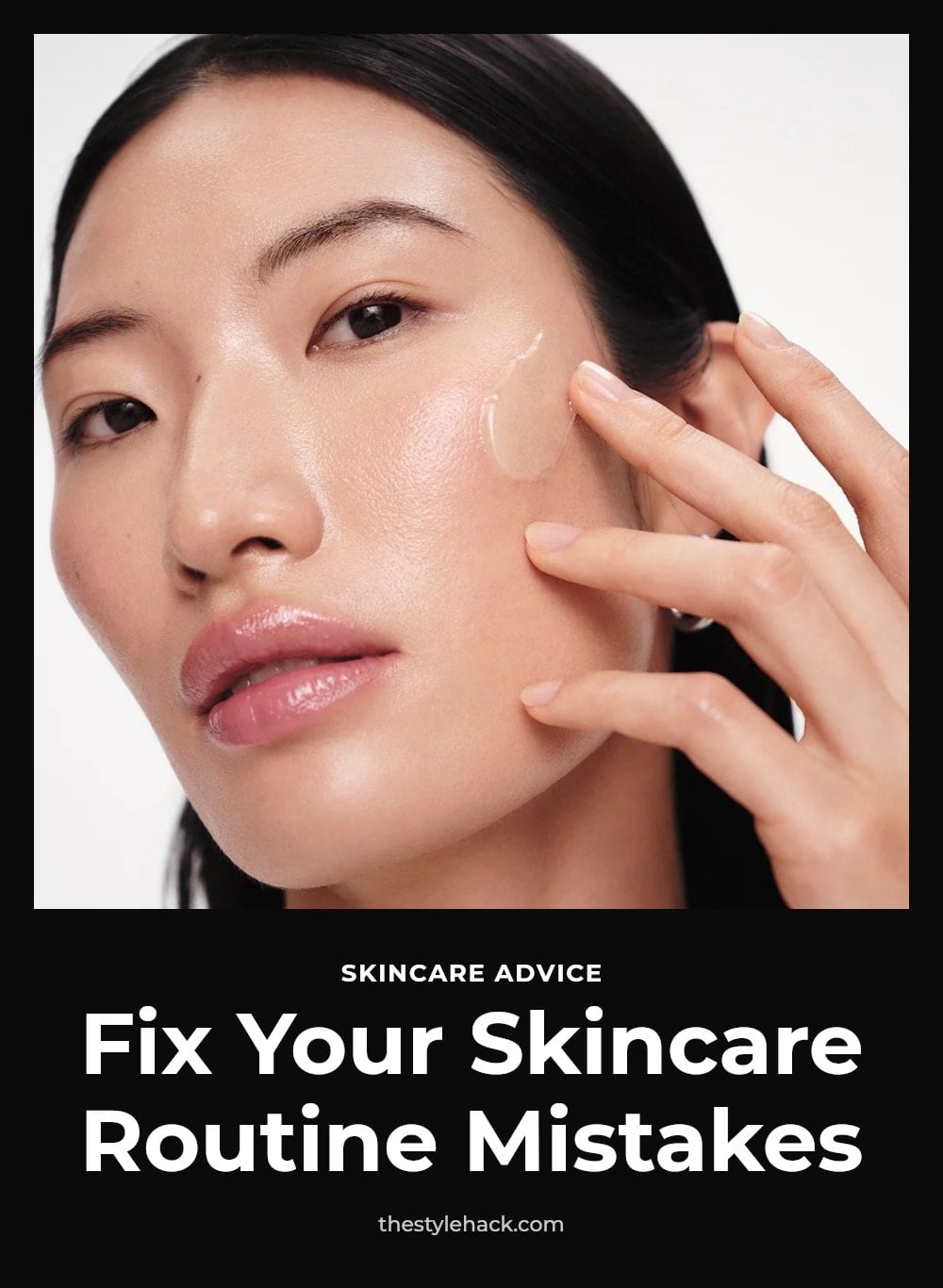
You’ve been sticking to your skincare routine, but your skin still isn’t cooperating. It’s frustrating when you’re doing all the right things and not seeing the glow you expected. The truth is, a few small but common mistakes could be holding you back, from using the wrong products for your skin type to skipping sunscreen on cloudy days. This article breaks down those missteps and shows you how to fix them for healthier, happier skin.
Key Takeaways
- Identify your skin type before choosing products to avoid irritation and wasted effort.
- Cleanse gently twice daily with lukewarm water and always remove makeup before bed.
- Apply broad-spectrum sunscreen with SPF 30 or higher every single day, rain or shine.
- Introduce one new product at a time and wait several days to a week to check for reactions.
- Expect visible results from a consistent routine after about 4 to 6 weeks, not overnight.
1. Why Your Skincare Routine Isn’t Working
If your skincare routine isn’t delivering results, the problem often comes down to a few common missteps: using products that don’t match your skin type, over-exfoliating, or skipping daily sun protection. These habits can undermine even the most dedicated regimen. The fix starts with understanding your skin’s unique needs and adopting a consistent, gentle approach. Prioritize your skin barrier health, and you’ll create a foundation that allows your products to actually work.
2. Understanding Your Skin Type

Knowing your skin type is the first step to building a routine that works. Without that foundation, you might be using products that are too heavy, too drying, or simply not addressing your real concerns. Skin types generally fall into five categories: normal, dry, oily, combination, and sensitive. Each requires a different approach.
3. Main Skin Types
- Normal: Balanced, not too oily or dry, with few imperfections.
- Dry: Feels tight, may flake, and benefits from richer moisturizers.
- Oily: Shiny, prone to breakouts, needs lightweight, oil-free hydration.
- Combination: Oily in the T-zone, dry elsewhere, requires targeted care.
- Sensitive: Easily irritated, needs fragrance-free, gentle formulas.
When you choose products formulated for your specific skin type, you avoid the cycle of excessive dryness, oiliness, or irritation that comes from mismatched products. It’s the single most important decision you can make for your skin.
4. Building a Simple, Effective Skincare Routine

You don’t need a 10-step routine to see results. A simple, consistent approach covers the basics: cleanse, treat, moisturize, and protect.
- Cleanse gently: Use a gentle cleanser with lukewarm water twice a day, morning and night. This removes dirt, oil, and makeup without stripping your skin’s natural moisture barrier.
- Apply treatments: If you use serums or treatments like Vitamin C, Hyaluronic Acid, or Niacinamide, apply them after cleansing. Start with the thinnest consistency and move to thicker formulas so lighter products can penetrate first.
- Moisturize: Even oily skin needs hydration. Choose a moisturizer that suits your skin type and apply it while your skin is slightly damp to lock in moisture.
- Protect with SPF: Finish with a broad-spectrum sunscreen of SPF 30 or higher every morning, even on cloudy days or if you’re indoors near windows. This is non-negotiable for preventing UV damage and premature aging.
Stick with this sequence daily, and give your skin time to adjust. Consistency beats complexity every time.
5. Common Skincare Mistakes That Hinder Progress
Even the best products won’t work if you’re making these common mistakes. Here’s what to avoid and what to do instead.
- Over-Exfoliating: Using harsh scrubs or too many active ingredients can damage your skin barrier, leading to redness and sensitivity. Instead, exfoliate gently 1-3 times a week, depending on your skin’s tolerance.
- Skipping Sunscreen: Neglecting daily SPF 30+ protection, especially when using active ingredients like retinoids, exposes your skin to harmful UV rays and accelerates aging. Apply sunscreen every morning, rain or shine.
- Not Removing Makeup: Going to bed with makeup on clogs pores and contributes to breakouts. Always cleanse thoroughly to remove all traces before sleep.
- Introducing Too Many New Products at Once: This makes it impossible to identify which product is causing irritation or if a product is actually working. Introduce new products one at a time, waiting several days to a week before adding another.
- Using Hot Water: Hot water strips your skin of natural oils, leading to dryness and irritation. Always wash with lukewarm water.
6. Pro Tips for a Healthier Skincare Journey

Patch Test New Products: Before applying a new product to your entire face, test a small amount on an inconspicuous area like behind your ear or on your inner arm. Wait a few days to check for any reaction before using it on your whole face.
Hydrate From Within: Drinking enough water throughout the day supports overall skin health and can contribute to a more radiant complexion. It’s a simple habit that works alongside your topical routine.
Be Patient and Consistent: Skincare results take time. Stick with a routine for at least 4-6 weeks before deciding if products are effective, since skin cell turnover is a gradual process. Switching products too often can prevent you from seeing real benefits.
Clean Your Tools: Regularly clean makeup brushes, sponges, and facial devices to prevent bacteria buildup that can lead to breakouts. A quick weekly wash keeps your tools and your skin healthier.
7. When to Consult a Dermatologist
If you experience persistent skin issues like severe acne, chronic redness, or unusual rashes that don’t improve with over-the-counter products, it’s time to see a dermatologist. They can diagnose underlying conditions and recommend prescription-strength treatments.
Consult a professional for any suspicious skin changes, such as new moles, changes in existing moles, or non-healing sores. Also seek help if you have severe allergic reactions to products, including intense burning, itching, or significant swelling. A dermatologist can provide a tailored plan for your specific needs.
8. Frequently Asked Questions
9. How long does it take to see results from a new skincare routine?
Most people begin to see noticeable improvements after 4 to 6 weeks of consistent use. Skin cell turnover takes time, so patience is key. If you don’t see changes right away, keep going, but if irritation develops, stop and reassess.
10. Can I use multiple serums at once?
Yes, but introduce them one at a time with a waiting period of several days to a week to watch for irritation. Applying too many active ingredients at once can overwhelm your skin and cause redness or sensitivity. Layer from thinnest to thickest consistency.
11. Is it bad to skip moisturizer if I have oily skin?
Yes, skipping moisturizer can actually make oily skin worse. When you don’t moisturize, your skin may produce even more oil to compensate. Use a lightweight, oil-free moisturizer daily to keep your skin balanced and hydrated.
12. What is a patch test and why is it important?
A patch test means applying a small amount of a new product to a discreet area, like behind your ear or on your inner arm, and waiting a few days to check for a reaction. It helps prevent widespread irritation or an allergic reaction before you use the product on your whole face.
13. How often should I exfoliate my face?
Most skin types do well with gentle exfoliation 1 to 3 times per week. Over-exfoliating can damage your skin barrier and cause redness and sensitivity. If you use chemical exfoliants or retinoids, be extra careful with sun protection since these can increase sun sensitivity.
14. Final Thoughts
Your best bet is to keep it simple: cleanse, treat, moisturize, and protect every day. Don’t expect a transformation in a week, most people start noticing real changes after about a month of steady habits. Stick with a routine that suits your skin type, and let consistency do the heavy lifting.
This article is for general informational purposes only and does not constitute medical or professional advice. Skincare results vary by individual. If you have persistent skin issues, severe acne, or any suspicious skin changes, please consult a dermatologist or healthcare professional.
More Blog ideas
- How to Heal Chapped Lips Overnight with Simple Steps
- Atomic Habits: 5 Lessons to Build Better Habits
- Hyaluronic Acid for Beginners
- How to Build a Gentle Skincare Routine for Sensitive Skin
- Beat Frizzy Hair: Easy Remedies for Smooth, Shiny Strands
- How to Increase Your Daily Drinking Water Intake
- Washing Hair Mistakes to Avoid and What to Do Instead
- Bleaching Hair Tips for Less Damage
- How to Make Your Body Mist Last Longer All Day
- Nervous System Regulation Tips
- Vagus Nerve Exercises for Stress Relief
- How to Make Your Own Whipped Body Butter at Home






