Aging Gracefully: 12 Simple Habits to Feel Your Best
Embrace aging gracefully with 12 simple, holistic habits. Learn how to prioritize well-being, maintain vitality, and feel your best at every age.


Aging gracefully isn’t about chasing eternal youth. It’s about feeling your best at every stage of life by focusing on your overall well-being. This article covers 12 simple habits that support physical health, mental resilience, and emotional balance, so you can embrace the natural process of getting older with confidence and vitality.
Key Takeaways
- Mix aerobic exercise and strength training at least twice a week to maintain muscle and bone health.
- Eat a diet rich in fruits, vegetables, lean proteins, and whole grains for cellular support.
- Get 7 to 9 hours of quality sleep each night for cognitive function and physical repair.
- Apply broad-spectrum SPF 30+ sunscreen daily to prevent premature skin aging.
- Stay socially connected and practice gratitude to support mental and emotional well-being.
01. What Does Aging Gracefully Really Mean?
Aging gracefully isn’t about chasing eternal youth. It’s about embracing the natural process of getting older with a positive mindset, focusing on holistic well-being rather than just appearance. This means prioritizing physical health, mental resilience, emotional balance, and social connection to live a fulfilling life at every age. It’s adapting to changes with wisdom and self-acceptance, not fighting them.
02. 1. Prioritize Regular Physical Activity

Regular physical activity is your strongest ally for maintaining muscle mass, bone density, and cardiovascular health as you age. Aim for a mix of aerobic exercises like brisk walking or cycling and strength training with resistance bands or weights, at least twice a week. Consistency matters more than intensity.
My tip: Choose activities you genuinely enjoy, whether it’s dancing, hiking, or swimming. When it feels like fun, you’ll stick with it long-term.
03. 2. Nourish Your Body with Whole Foods
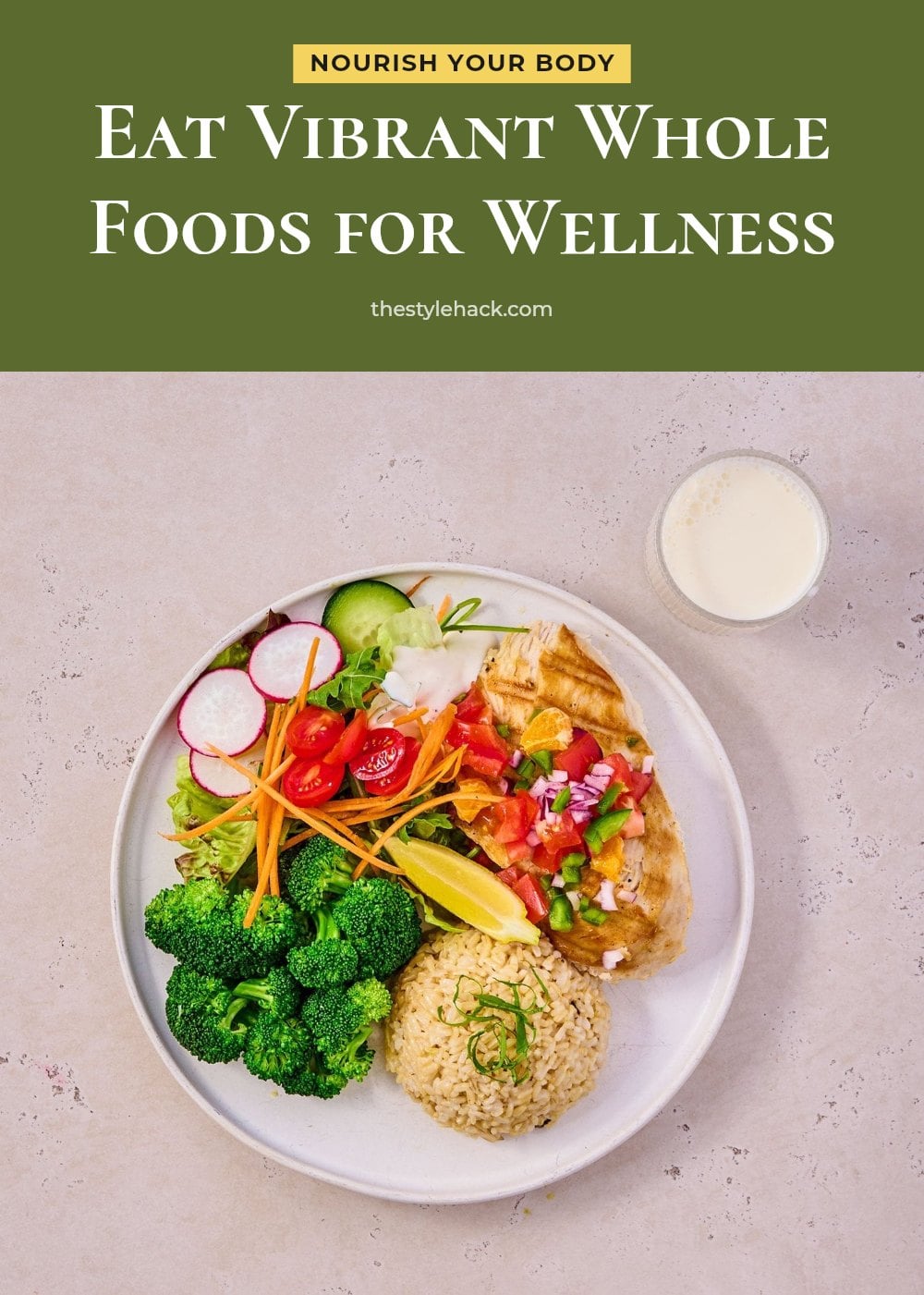
A diet rich in whole foods supports cellular health and can help prevent age-related diseases. Fill your plate with colorful fruits, vegetables, lean proteins like fish or poultry, and whole grains such as quinoa or oats. These provide essential vitamins, antioxidants, and fiber.
Limit processed foods, excessive sugar, and unhealthy fats. They can drain your energy and increase inflammation. Swapping a sugary snack for a handful of nuts or a piece of fruit can make a noticeable difference in how you feel daily.
04. 3. Get Consistent Quality Sleep
Quality sleep is non-negotiable for cognitive function, mood regulation, and physical repair. Most adults need 7 to 9 hours per night. During deep sleep, your body repairs tissues and consolidates memories, so skimping on rest can accelerate the aging process.
My tip: Establish a consistent sleep schedule, even on weekends. Create a relaxing bedtime routine like reading or gentle stretching, and keep your bedroom cool and dark to improve sleep quality.
05. 4. Protect Your Skin from the Sun

Daily use of broad-spectrum SPF 30+ sunscreen is the most effective way to prevent premature skin aging and reduce skin cancer risk. Apply it every morning as the last step of your skincare routine, even on cloudy days or when you’re mostly indoors.
Reapply every two hours when you’re outdoors for extended periods, and more often if you’re swimming or sweating. Tip: keep a travel-size bottle in your bag and set a phone reminder for midday.
06. 5. Cultivate Strong Social Connections

Strong social connections and regular community engagement can reduce feelings of loneliness and improve mental well-being. Isolation is a silent enemy, so make an effort to reach out to friends and family, and join groups that align with your interests.
- Schedule a weekly call or coffee date with a friend.
- Volunteer locally to meet like-minded people.
- Try a class or club that matches a hobby you enjoy.
07. 6. Practice Stress Management

Incorporate stress management techniques like meditation, yoga, or spending time in nature to mitigate the physiological effects of chronic stress on your body. These practices lower cortisol levels and support your overall calm.
Good to know: even 10-15 minutes a day can make a significant difference in your resilience. Start with a short guided meditation or a walk in a nearby park, and build from there.
08. 7. Keep Your Mind Engaged
Stay mentally active by learning new skills, reading, solving puzzles, or engaging in stimulating conversations to help maintain cognitive function. Your brain is like a muscle that needs regular exercise to stay sharp.
- Try a new language app for 10 minutes daily.
- Join a book club to combine reading with social interaction.
- Swap scrolling for crosswords or sudoku.
09. 8. Stay Well-Hydrated Daily

Regular hydration supports skin elasticity, organ function, and overall health. As you age, your body’s ability to sense thirst can decline, so relying on thirst alone may not be enough.
Carry a water bottle with you and sip throughout the day to ensure you’re getting enough fluids. Tip: Set a daily goal, like refilling a 20-ounce bottle three times, and drink a glass with each meal to stay on track.
10. 9. Schedule Regular Health Check-ups
Regular check-ups with your healthcare provider are your early warning system for age-related health conditions. Many issues are far easier to manage when caught early, so don’t skip your annual physicals or recommended screenings.
Make it simple by scheduling your next appointment before you leave the current one, and keep a list of any new symptoms or concerns to discuss. Prevention and early intervention are key to staying ahead of potential problems.
- Know your numbers: blood pressure, cholesterol, and blood sugar are routine checks that can flag issues early.
- Ask about screenings: mammograms, colonoscopies, and bone density tests have recommended ages and intervals.
- Bring your medication list: including supplements, so your provider can check for interactions.
If you experience persistent fatigue, mood changes, or new physical symptoms, don’t wait for your next appointment to consult a doctor.
11. 10. Practice Gratitude and Mindfulness
Practicing gratitude and mindfulness can shift your focus from what’s changing to what’s still rich in your life. A daily gratitude journal, even just three entries, trains your brain to notice the positive, which supports a more accepting view of aging.
Pro move: Take a few minutes each morning to sit quietly and focus on your breath. Notice the present moment without judgment. This simple pause reduces mental clutter and helps you respond to aging with calm rather than resistance.
12. 11. Find Purpose and Meaning
Engaging in activities that bring you joy and a sense of purpose contributes significantly to overall satisfaction and well-being at any age. Purpose can be as simple as a weekly volunteer shift, a creative hobby like painting or gardening, or mentoring someone younger in your field.
- Volunteer: Look for local opportunities that match your skills or passions.
- Creative hobby: Set aside 30 minutes a week for something you love.
- Mentor: Share your expertise with someone who can benefit from it.
Finding meaning enriches your life by giving you a reason to look forward to each day, which supports emotional resilience and a positive outlook on aging.
13. 12. Embrace New Experiences
Fear of aging can quietly talk you out of new experiences, but that’s exactly when you need them most. Learning a new skill, traveling to a fresh place, or revisiting a forgotten hobby adds richness that no skincare routine can match.
Pro move: Pick one small thing you’ve been curious about, whether it’s a pottery class, a weekend trip, or a language app. Commit to trying it once, and let the novelty remind you that growth doesn’t stop at any age.
14. Common Mistakes to Avoid When Aging Gracefully
Believing it’s about looking perpetually young: Aging gracefully is about health and vitality, not erasing every wrinkle. Focus on feeling good, not just looking young.
Focusing only on external appearance: While skincare is important, neglecting mental, emotional, and physical health means missing the biggest part of graceful aging. Your skin reflects what’s happening inside.
Ignoring mental and emotional well-being: Your mindset is crucial. Don’t let anxiety about aging or past regrets overshadow your present joy and future potential.
Thinking it’s too late to adopt healthy habits: It’s never too late to make positive changes. Your body and mind will thank you, no matter your age.
Overspending on unproven anti-aging products: Be wary of miraculous claims. Prioritize evidence-based practices and consult professionals for advice.
Neglecting preventive healthcare: Skipping doctor’s appointments or screenings can lead to missed opportunities for early detection and management of health issues.
15. Frequently Asked Questions
16. What is the most important aspect of aging gracefully?
The most important aspect is adopting a holistic approach that balances physical health, mental resilience, emotional balance, and social connection. While each area matters, prioritizing overall well-being over appearance alone is key to feeling your best at any age.
17. Can I start aging gracefully at any age?
Yes, it is never too late to adopt healthy habits. Your body and mind can respond positively to changes like better nutrition, regular exercise, and stress management, even if you start later in life. Consistency matters more than when you begin.
18. How does mental health affect aging gracefully?
Mental health plays a major role in how you experience aging. Practices like gratitude, mindfulness, and staying mentally active can foster a positive outlook and reduce stress. If you experience persistent mood changes or fatigue, it is wise to consult a healthcare professional.
19. Are there specific foods that help with graceful aging?
Foods rich in antioxidants, vitamins, and fiber support cellular health. Focus on colorful fruits, vegetables, lean proteins like fish or poultry, and whole grains such as quinoa or oats. Limiting processed foods, excessive sugar, and unhealthy fats can also positively impact your energy and long-term health.
20. How can I maintain social connections as I age?
Make a regular effort to reach out to friends and family, whether through weekly calls, group activities, or joining clubs that match your interests. Strong social connections reduce feelings of loneliness and improve mental well-being, so prioritize them just like you would exercise or sleep.
21. Final Thoughts
Start with one or two habits that feel manageable, like a daily walk or a gratitude journal. You can expect to notice positive shifts in your energy and mood within a few weeks to months. Remember, aging gracefully is a lifelong practice, not a destination, so be kind to yourself along the way.
This article is for general informational purposes only and does not constitute medical or professional advice. Always consult a healthcare provider before making significant changes to your diet, exercise, or wellness routine, especially if you have pre-existing health conditions or experience persistent symptoms.
More Blog ideas
- How to Heal Chapped Lips Overnight with Simple Steps
- Atomic Habits: 5 Lessons to Build Better Habits
- Hyaluronic Acid for Beginners
- How to Build a Gentle Skincare Routine for Sensitive Skin
- Beat Frizzy Hair: Easy Remedies for Smooth, Shiny Strands
- How to Increase Your Daily Drinking Water Intake
- Washing Hair Mistakes to Avoid and What to Do Instead
- Bleaching Hair Tips for Less Damage
- How to Make Your Body Mist Last Longer All Day
- How to Fix Your Skincare Routine
- Nervous System Regulation Tips
- Vagus Nerve Exercises for Stress Relief






