Anger: 10 Healthy Ways to Release It Without Hurting Anyone
Learn 10 healthy and constructive ways to release anger without negative consequences, from recognizing triggers to effective communication.


You know that rush of heat, the clenched jaw, the urge to say something you’ll regret later. Anger isn’t a flaw. It’s a natural signal that something’s off. The real challenge is what you do with it. This article walks you through ten healthy ways to release anger without hurting anyone, from quick calming techniques to long-term mindset shifts.
I’ve organized these strategies so you can start using them today, whether you need a five-minute breathing exercise or a deeper change in how you communicate. My tip: pick one or two to practice first, then build from there.
Key Takeaways
- Recognize your physical early warning signs like a faster heart rate or clenched jaw.
- Use deep breathing to activate your parasympathetic nervous system and calm down.
- Engage in physical activity to burn off adrenaline and reduce tension.
- Communicate with ‘I’ statements to express feelings without blaming others.
- Seek professional help if anger feels persistent or leads to thoughts of harm.
01. Understanding Anger and Why It Matters
Anger is a primary human emotion, right up there with happiness, sadness, and fear. It’s not bad in itself; it’s a signal that something feels wrong, like a perceived threat, injustice, or frustration. The key is how you handle it. Healthy management means processing the anger constructively, not suppressing it until you explode or bottling it up into resentment. Chronic unmanaged anger can take a real toll on your body, contributing to health issues like heart disease and high blood pressure. Physical symptoms like a racing heart or tense muscles are your body’s early warning system, and learning to read them is the first step to staying in control.
02. 1. Recognize Your Triggers and Early Signs

The first step to managing anger is knowing what sets it off. Think about the situations, people, or topics that consistently make your blood boil. Also tune into your body’s early warning signs: a faster heart rate, clenched jaw, or tight shoulders. These physical cues are your signal to act before the anger escalates.
My tip: Keep a simple journal for a week or two. Each time you feel angry, jot down what happened, what you felt in your body, and how you reacted. You’ll start spotting patterns, like that you always get irritable when you’re hungry or that a certain coworker’s tone is a trigger. Awareness is half the battle.
03. 2. Practice Deep Breathing and Relaxation

When you feel anger rising, your body’s fight-or-flight system kicks in. Deep breathing directly counteracts this by activating your parasympathetic nervous system, which calms you down. Try this: inhale slowly through your nose for a count of four, hold for four, then exhale through your mouth for a count of six. Repeat a few times until your heart rate steadies.
My tip: Pair the breathing with progressive muscle relaxation. While you exhale, consciously relax your shoulders, unclench your jaw, and soften your hands. This combination releases the physical tension that anger builds up, making it easier to think clearly.
04. 3. Engage in Physical Activity

Physical activity is a powerful outlet for releasing the pent-up energy and stress that anger builds. A brisk walk, a run, or a dance session in your living room can shift your focus and reduce tension. My tip: aim for just 15 to 20 minutes of moderate movement, enough to make a real difference. Choose an activity that feels good to you, not as a chore. Moving your body helps burn off adrenaline and gives your mind a break from the angry loop, so you can return to the situation with a clearer head.
05. 4. Communicate Assertively with ‘I’ Statements
Instead of blaming others, use ‘I’ statements to express how you feel. For example, say ‘I feel angry when X happens because Y’ rather than ‘You always make me angry.’
This approach focuses on your feelings and needs, making constructive dialogue possible. It reduces defensiveness and opens the door for the other person to understand your perspective.
Tip: Practice phrasing your statements in a calm, neutral tone before you need them. The more you rehearse, the more natural it feels when emotions run high.
06. 5. Take a Time-Out or Step Away

When a situation feels overwhelming, taking a time-out can prevent impulsive reactions you might regret. Physically remove yourself from the triggering environment for 15 to 30 minutes to cool down.
This break gives your body’s stress response time to settle, reducing the intensity of your anger. Use the time to do something calming, like deep breathing, listening to quiet music, or taking a short walk.
Good to know: Tell the other person you need a break and will return to talk later. This keeps communication open without letting the conflict escalate.
07. 6. Challenge Negative Thought Patterns
Cognitive restructuring helps you identify and change the thoughts that fuel your anger. When you feel angry, ask yourself if your thoughts are truly rational or if there’s another way to view the situation.
For instance, replace ‘He always does this to me!’ with ‘He made a mistake, and I can choose how to react.’ This shift in perspective reduces the intensity of your emotional response and gives you more control over your actions.
Pro move: Write down the angry thought and then write a more balanced alternative. Seeing it on paper helps you notice patterns and correct them faster.
08. 7. Practice Mindfulness and Awareness
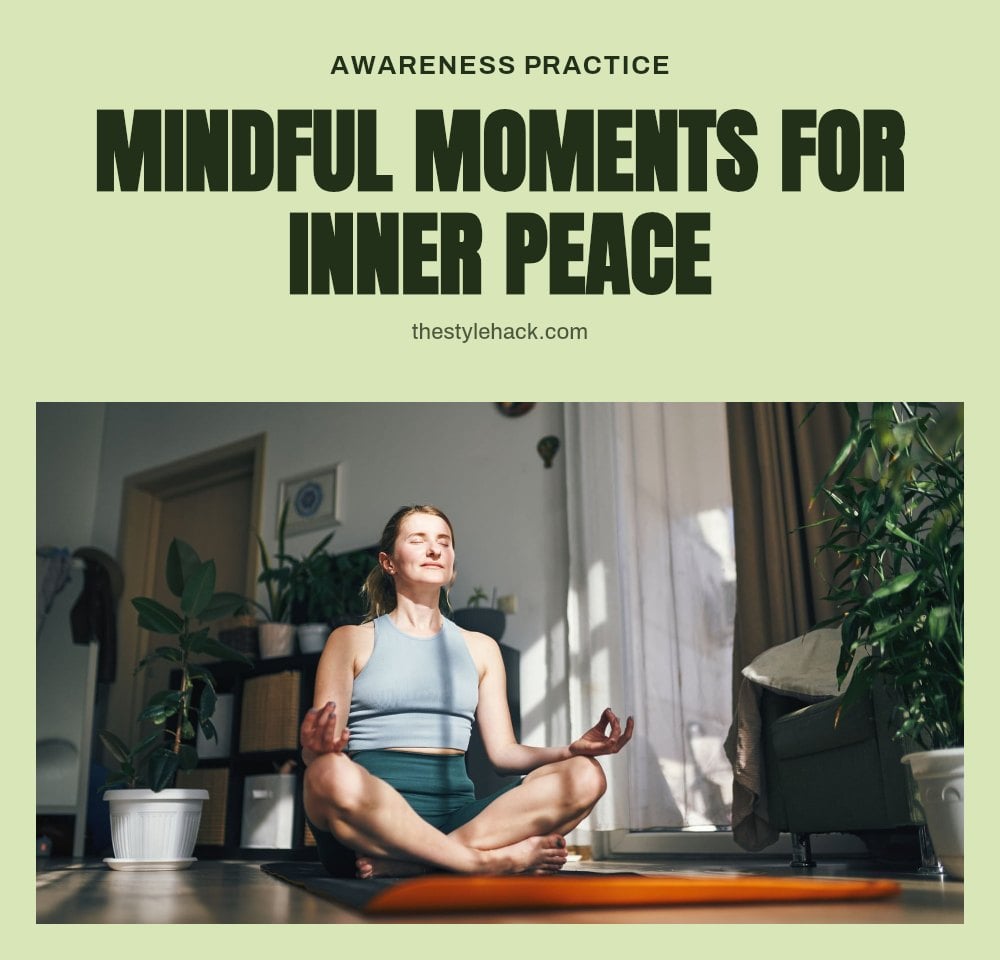
Mindfulness helps you become more aware of your emotional state without judgment. When anger arises, observe it as if from a distance, noting your thoughts and physical sensations without reacting immediately.
This pause creates a gap between the trigger and your response, allowing you to choose a thoughtful action instead of an impulsive one. You might notice your jaw clenching or your heart rate rising, and simply acknowledge it.
Quick tip: Regular mindfulness meditation, even just five minutes a day, can build your capacity to respond thoughtfully. Over time, you’ll catch anger earlier and handle it more gracefully.
09. 8. Cultivate Empathy and Perspective
Trying to understand the other person’s perspective can often diffuse your anger before it escalates. Ask yourself what might be driving their behavior or words, even if you don’t agree with them. Maybe they’re stressed, tired, or dealing with something you know nothing about. This doesn’t excuse their actions, but it can help you avoid taking things so personally.
My tip: When you catch yourself stewing, pause and imagine the situation from their side. You don’t have to approve of what they did, just recognize that their reality might look different from yours. That shift in view can take the edge off and open the door to a calmer conversation.
10. 9. Use Humor to Diffuse Tension
Appropriate humor can act like a pressure valve, releasing the build-up of tension that fuels anger. It shifts the emotional register from hostility to something lighter, which helps both you and the other person step back from the brink. This only works when the joke isn’t at anyone’s expense and doesn’t minimize a genuinely serious situation.
Look for the absurdity in a minor frustration, not the pain in a real grievance. A lighthearted comment about your own mistake, like fumbling for your keys while fuming, can break the cycle without dismissing the underlying issue. Self-deprecating humor works especially well because it disarms without pointing fingers.
- Tip: Keep a mental list of neutral, non-offensive phrases you can pull out when things get heated, so you don’t reach for sarcasm in the moment.
11. 10. Know When to Seek Professional Help
If anger feels persistent, destructive, or ever leads to thoughts of harming yourself or others, professional help is crucial. A therapist or counselor can give you tailored strategies and ongoing support for managing intense anger, which is hard to do alone.
- Signs to seek help: anger that damages relationships, leads to aggression, or causes problems at work or home.
- What therapy offers: a safe space to explore triggers and practice new responses without judgment.
Good to know: Don’t hesitate to reach out. Seeking support early is a sign of strength, not weakness, and it can prevent anger from taking a bigger toll on your life.
12. Frequently Asked Questions
13. Is anger always a bad emotion?
No, anger is a natural emotion that signals something feels wrong, like a perceived threat or injustice. It’s not inherently bad. It’s how you express and manage it that matters. Healthy anger involves processing the emotion constructively rather than suppressing it or exploding.
14. How do I identify my anger triggers?
Start by noticing the situations, people, or topics that consistently make you feel angry. Also pay attention to your body’s early warning signs, like a faster heart rate, clenched jaw, or tight shoulders. Journaling about these moments can help you spot patterns over time.
15. Can physical activity truly help with anger?
Yes, physical activity can be an effective way to release the pent-up energy and adrenaline that anger creates. A brisk walk, run, or even a few jumping jacks can shift your focus and lower your stress levels, helping you feel calmer and more in control.
16. What if I can’t control my anger on my own?
If anger feels persistent, destructive, or leads to thoughts of harming yourself or others, seeking professional help is crucial. A therapist or counselor can provide tailored strategies and ongoing support that’s hard to achieve alone. It’s a sign of strength to ask for help.
17. How long does it take to manage anger effectively?
Healthy anger management is an ongoing process that requires consistent practice. While you may notice improvements in emotional regulation within weeks to months, it’s a skill you build over time. Don’t expect perfection, focus on progress and being kind to yourself along the way.
18. Final Thoughts
Managing anger isn’t about never feeling it. It’s about learning to respond instead of react. Start by noticing your triggers and physical signs, then try one strategy like deep breathing or a quick walk. With consistent practice, you can expect to see improvements in emotional regulation over weeks to months.
Remember, you’re not trying to eliminate anger; you’re giving yourself better tools to handle it. That’s a skill worth building for yourself and everyone around you.
This article provides general information about managing anger and is not a substitute for professional medical or mental health advice. If you experience persistent, destructive anger or have thoughts of harming yourself or others, please consult a qualified therapist or counselor. For immediate help, contact a crisis hotline.
More Blog ideas
- How to Heal Chapped Lips Overnight with Simple Steps
- Atomic Habits: 5 Lessons to Build Better Habits
- Hyaluronic Acid for Beginners
- How to Build a Gentle Skincare Routine for Sensitive Skin
- Beat Frizzy Hair: Easy Remedies for Smooth, Shiny Strands
- How to Increase Your Daily Drinking Water Intake
- Washing Hair Mistakes to Avoid and What to Do Instead
- Bleaching Hair Tips for Less Damage
- How to Make Your Body Mist Last Longer All Day
- How to Fix Your Skincare Routine
- Nervous System Regulation Tips
- Vagus Nerve Exercises for Stress Relief