Appetite Control: 10 Simple Habits to Feel Full Longer
Learn 10 simple habits to control your appetite, feel full longer, and make healthier food choices. Discover practical, everyday strategies for lasting satiety.


You know that feeling when you’ve just eaten but still find yourself rummaging through the pantry? It’s frustrating, but it’s also your body’s way of signaling something deeper than just hunger. Appetite is a complex mix of physical need, emotions, habits, and even your environment. This article covers ten simple, everyday habits that help you feel full longer and take the guesswork out of appetite control, so you can nourish yourself without the constant struggle.
Key Takeaways
- Include a protein source at every meal to stay full and curb snacking.
- Drink a glass of water before meals to help you eat less without trying.
- Get 7-9 hours of quality sleep each night to keep hunger hormones in check.
- Eat slowly and without distractions to let your brain register fullness.
- Choose whole, unprocessed foods over processed ones for better satiety.
01. What Is Appetite and How Can I Control It?
Appetite is your body’s signal that it needs fuel, but it is often driven by more than physical hunger. Emotions, habits, and your environment can all trigger the urge to eat. Controlling your appetite is not about deprivation, it is about making smart choices and building lifestyle habits that support satiety and balanced eating. Focus on nutrient-dense foods, eat mindfully, and learn to recognize your body’s true hunger cues so you feel satisfied and nourished for longer.
02. 1. Prioritize Protein at Every Meal

Protein is the most satiating macronutrient, which means it keeps you full and curbs the urge to snack between meals. Include a lean source like chicken, fish, eggs, Greek yogurt, legumes, or tofu at every meal. It works by slowing digestion and signaling fullness to your brain.
- Breakfast: scrambled eggs or a protein smoothie set you up for better appetite control all day.
- Lunch: add grilled chicken or chickpeas to your salad.
- Dinner: pair fish or tofu with your vegetables.
My tip: start your day with a protein-rich breakfast, it makes the rest of your choices easier.
03. 2. Load Up on Fiber-Rich Foods
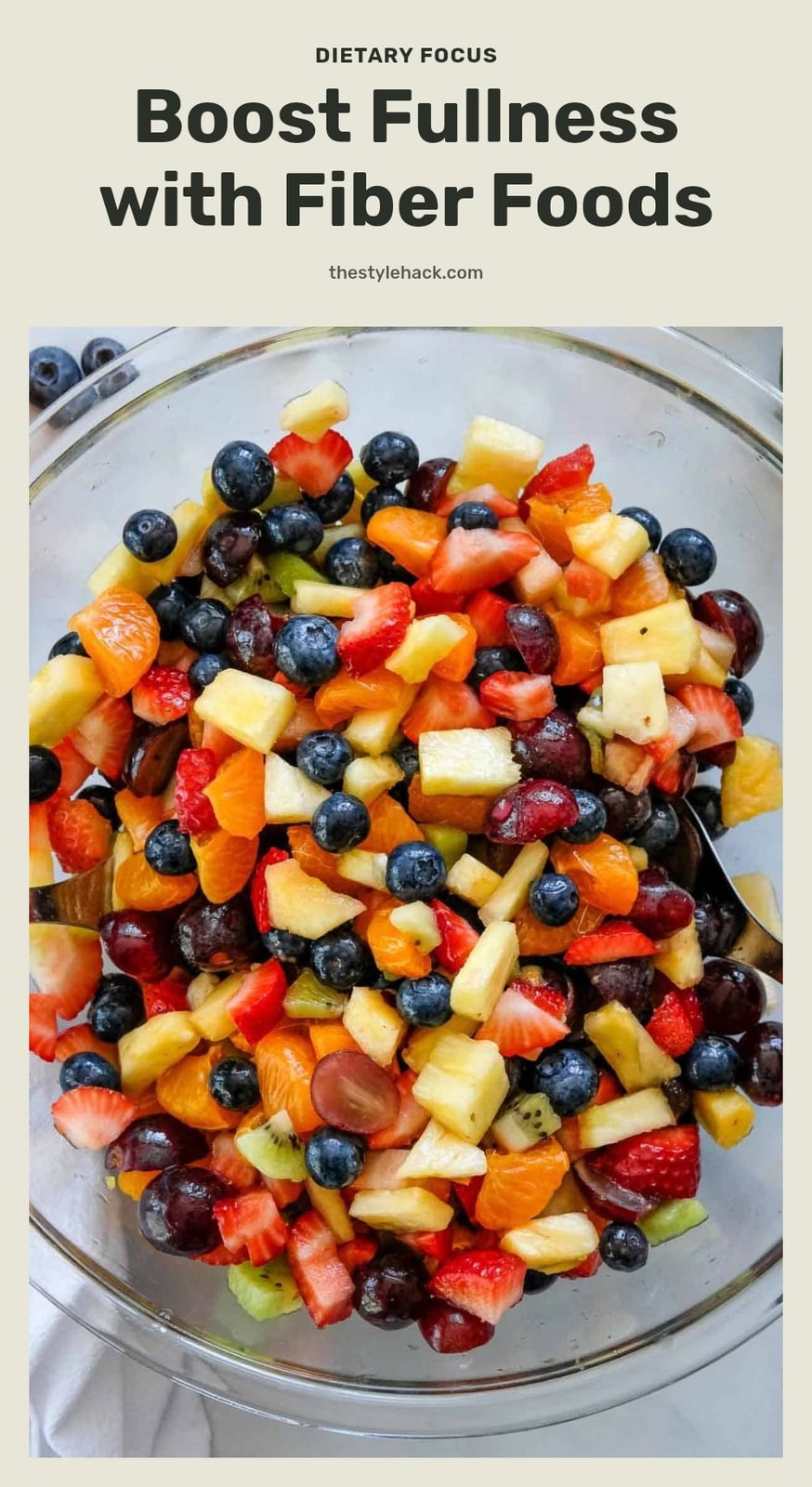
Fiber, especially soluble fiber, slows digestion and helps stabilize blood sugar. That keeps you full and prevents the energy crashes that lead to cravings. Aim to include fruits, vegetables, whole grains, and beans in your meals regularly.
- Breakfast: stir berries into oatmeal or yogurt.
- Lunch: add beans or lentils to soups and salads.
- Dinner: serve a side of steamed broccoli or roasted vegetables.
My tip: add a handful of berries to your oatmeal or a side of steamed broccoli to your dinner for an easy fiber boost.
04. 3. Stay Hydrated Throughout the Day
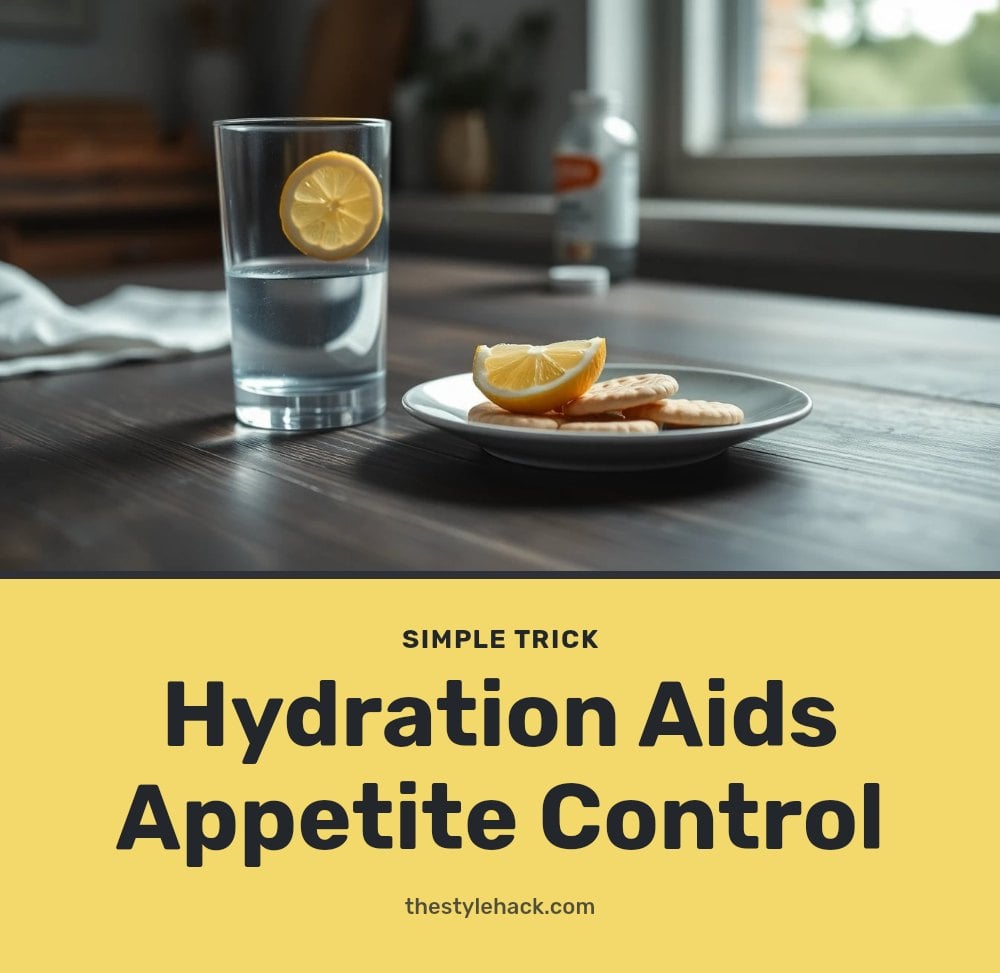
Your body can confuse thirst with hunger, so you may reach for food when water is what you need. Drinking enough water helps you tell the difference and can reduce overall calorie intake. Aim for at least 8 glasses a day as a general guideline, and try a glass before each meal as a specific strategy for appetite control.
- Morning: start with a glass of water before coffee.
- Meals: drink a full glass 10 minutes before eating to help you feel fuller.
- Snacks: if you feel hungry, drink water first and wait a few minutes.
My tip: keep a reusable water bottle handy to sip on throughout the day, it is an easy visual reminder.
05. 4. Practice Mindful Eating Habits

Eating slowly and paying attention to your body’s hunger and fullness cues can significantly improve appetite control. Chew your food thoroughly, savor each bite, and put your fork down between mouthfuls to give your brain time to register satiety signals. My tip: Eliminate distractions like screens during meals. Focus on the taste, texture, and aroma of your food.
06. 5. Get Adequate, Quality Sleep
Lack of sleep disrupts hormones that regulate appetite. It can increase ghrelin (the hunger hormone) and decrease leptin (the satiety hormone), making you feel hungrier. Aim for 7-9 hours of quality sleep each night to keep your appetite hormones in check. My tip: Establish a consistent sleep schedule, even on weekends, to support your body’s natural rhythms.
07. 6. Manage Your Stress Levels

Stress can profoundly impact appetite, leading to increased cravings for comfort foods or, for some, a loss of appetite. It often triggers emotional eating. Incorporate stress-reducing activities into your daily routine, such as meditation, yoga, deep breathing exercises, or spending time in nature. Tip: When you feel stressed, take a short break to do something calming before reaching for a snack.
08. 7. Include Healthy Fats in Your Diet
Healthy fats contribute to satiety and slow down stomach emptying, helping you feel full longer after meals. Incorporate sources like avocados, nuts, seeds, and olive oil into your diet in moderation. Good to know: Add a quarter of an avocado to your salad or a small handful of almonds as a snack to boost satiety.
09. 8. Eat Regular, Balanced Meals
Skipping meals backfires. It sets you up for extreme hunger later, which often leads to overeating and grabbing whatever is quickest, not healthiest. A routine of regular meals and planned snacks keeps your blood sugar stable and prevents those intense hunger pangs that override good judgment.
Pro move: aim to eat something every few hours, even a small, healthy snack like an apple with a few nuts. That small buffer keeps your appetite in check so your next meal is a choice, not a rescue mission.
10. 9. Choose Whole, Unprocessed Foods
Highly processed foods are often low in satiety and high in sugar, unhealthy fats, and refined grains. They can trigger cravings and make it harder to feel satisfied. Whole foods, on the other hand, pack more nutrients and volume, which helps you feel full with fewer calories.
Build your meals around foods in their natural state: vegetables, fruits, whole grains, beans, nuts, and lean proteins. These keep your blood sugar steadier and your hunger in check.
Quick tip: Read food labels and choose items with fewer ingredients, ideally ones you recognize as real foods. If a label reads like a chemistry experiment, it likely is.
- Takeaway: Prioritize whole, unprocessed foods with recognizable ingredients. Reading labels helps you avoid additives that can disrupt appetite signals and choose options that naturally support fullness.
11. Common Appetite Control Mistakes to Avoid
Ignoring true hunger vs. emotional hunger: Physical hunger builds gradually and often comes with a rumbling stomach. Emotional hunger hits suddenly and craves a specific comfort food. When the urge is emotional, try a non-food coping mechanism like a short walk or calling a friend.
Underestimating sleep and stress impact: Skimping on sleep or letting stress run high can override your best dietary efforts. These factors directly affect hunger hormones, so treat them with the same priority as your meals.
Focusing only on calories: A 100-calorie pack of crackers won’t satisfy like 100 calories of vegetables or Greek yogurt. Choose nutrient-dense, filling foods over simply counting numbers.
Eating too quickly: Your brain needs about 20 minutes to register fullness. Slow down, chew thoroughly, and pause between bites to give your body time to signal satiety.
Not drinking enough water: Thirst often masquerades as hunger. Drink a glass of water first and wait a few minutes before deciding if you truly need food.
12. Frequently Asked Questions
13. What is the difference between hunger and appetite?
Hunger is your body’s physical need for fuel; it usually builds gradually and comes with signs like a rumbling stomach. Appetite is more psychological, driven by cravings, emotions, or habits. You can have an appetite without being truly hungry.
14. Can stress really affect my appetite?
Yes, stress has a strong effect on appetite. For some people it triggers cravings for comfort foods, while for others it can suppress hunger entirely. Managing stress through activities like meditation or a short walk can help bring your appetite back to a balanced state.
15. How long does it take to see results from these habits?
Most people start noticing improvements in appetite control and satiety within a few weeks of consistent practice. The changes are gradual, so be patient. If you don’t see a shift after a month, consider tweaking one habit at a time.
16. Are there foods that suppress appetite naturally?
Certain foods are more satiating than others, meaning they help you feel full longer. Protein-rich foods like eggs, Greek yogurt, and legumes, as well as high-fiber foods like vegetables, whole grains, and beans, are top choices. Healthy fats from avocados or nuts also slow digestion and keep hunger at bay.
17. Is it normal to feel hungry all the time?
Occasional hunger is normal, but constant hunger may signal something else, like not eating enough protein or fiber, poor sleep, or stress. If it persists despite healthy habits, check in with a healthcare professional to rule out underlying issues.
18. Final Thoughts
My tip: pick just two or three of these habits to focus on for the next few weeks. For example, start by adding a serving of protein to breakfast and drinking a glass of water before lunch. You don’t need to overhaul everything at once. With consistent practice, you can expect to notice a real difference in how satisfied you feel after meals and how often you reach for food out of habit rather than true hunger. Small, smart choices add up to lasting appetite control.
This article is for general informational purposes only and does not constitute medical or dietary advice. Appetite and nutrition needs vary from person to person. If you experience sudden changes in appetite, significant weight changes, or have an underlying health condition, consult a doctor or registered dietitian for personalized guidance.
More Blog ideas
- How to Heal Chapped Lips Overnight with Simple Steps
- Atomic Habits: 5 Lessons to Build Better Habits
- Hyaluronic Acid for Beginners
- How to Build a Gentle Skincare Routine for Sensitive Skin
- Beat Frizzy Hair: Easy Remedies for Smooth, Shiny Strands
- How to Increase Your Daily Drinking Water Intake
- Washing Hair Mistakes to Avoid and What to Do Instead
- Bleaching Hair Tips for Less Damage
- How to Make Your Body Mist Last Longer All Day
- How to Fix Your Skincare Routine
- Nervous System Regulation Tips
- Vagus Nerve Exercises for Stress Relief