How to Avoid Burnout and Reclaim Your Well-Being
Learn how to prevent burnout with practical strategies for setting boundaries, prioritizing self-care, and managing stress effectively.


If you’re feeling constantly drained, detached, and like nothing you do matters, you might be heading toward burnout. It’s more than just being tired; it’s a state of emotional, physical, and mental exhaustion from prolonged stress. This article covers what burnout really is, why it happens, and practical strategies to prevent it and reclaim your well-being.
Key Takeaways
- Burnout involves exhaustion, cynicism, and reduced effectiveness, not just ordinary tiredness.
- Set clear work-life boundaries, like logging off at a set time each day.
- Prioritize sleep (7-9 hours), regular exercise, and short daily breaks.
- Learn to say no to extra commitments when you feel overwhelmed.
- Seek professional help if symptoms are severe or persist for weeks.
1. What is Burnout?
Burnout is a state of emotional, physical, and mental exhaustion caused by prolonged or excessive stress. It goes beyond ordinary tiredness, showing up as overwhelming exhaustion, cynicism or detachment from your job, and a sense of ineffectiveness. The World Health Organization classifies burnout as an occupational phenomenon, not a medical condition, resulting from chronic workplace stress that hasn’t been successfully managed.
2. Why Burnout Happens: Understanding the Triggers
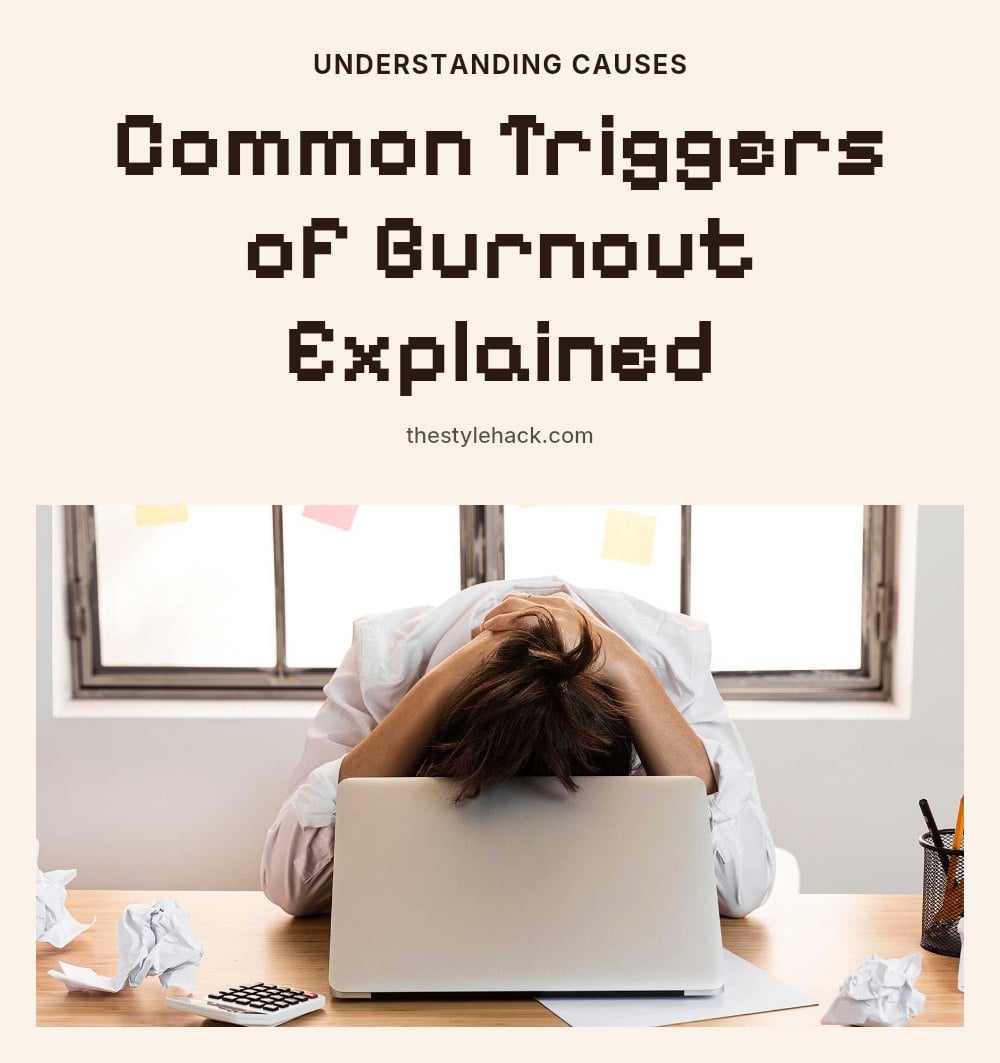
3. Why Burnout Happens: Understanding the Triggers
Burnout results from chronic, unmanaged stress, most often tied to the workplace. It builds when demands consistently outpace your ability to cope.
- Heavy workload: Too many tasks with too few resources or time to complete them.
- Lack of control: Little say over how, when, or where you do your work.
- Insufficient rewards: Not enough recognition, pay, or personal satisfaction from your efforts.
- Conflicting values: A mismatch between your own principles and what your job asks of you.
- Lack of community or support: Feeling isolated or unsupported by colleagues or supervisors.
Any combination of these factors can tip manageable stress into full burnout.
4. Strategies to Prevent and Recover from Burnout
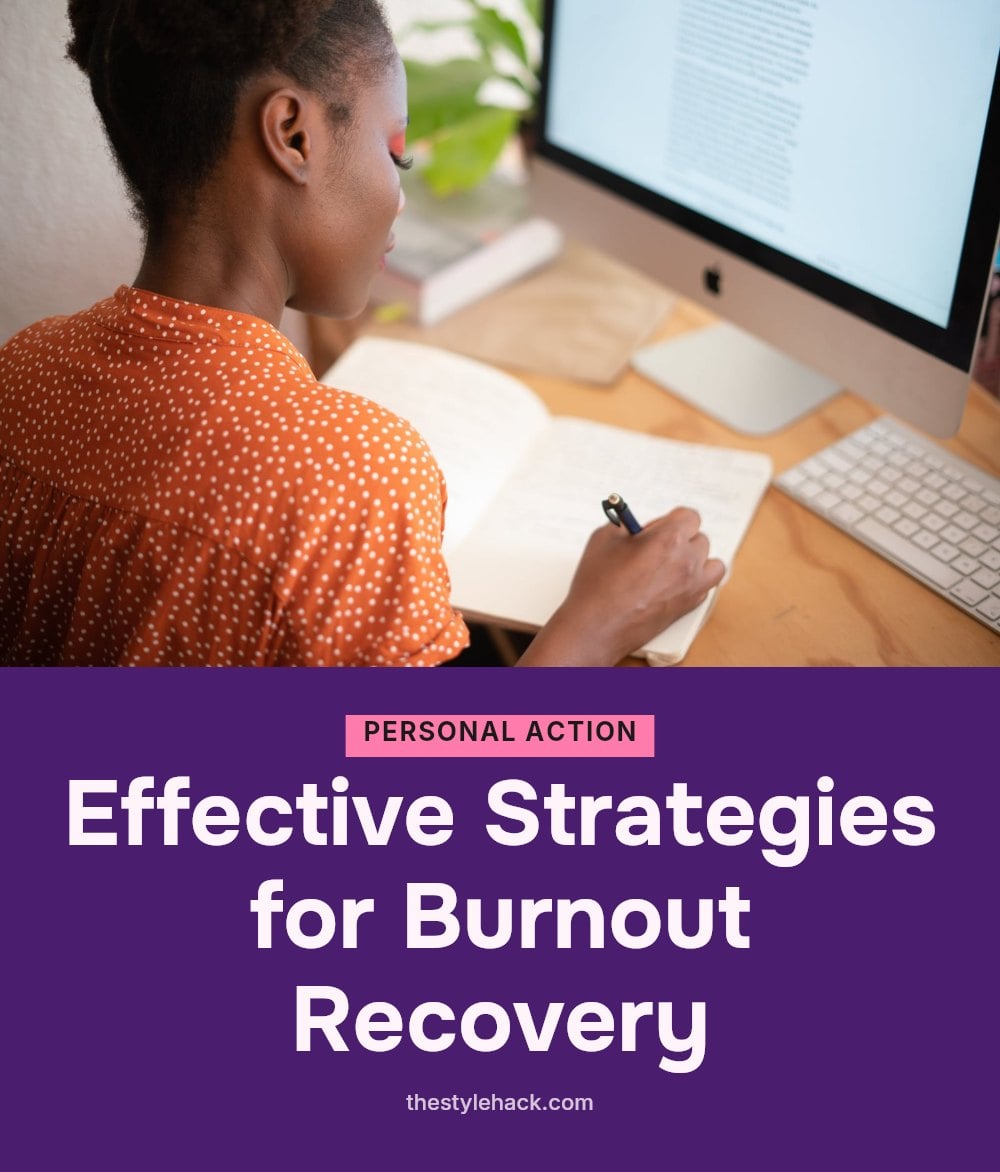
5. Strategies to Prevent and Recover from Burnout
Preventing burnout starts with daily habits, while recovery requires consistent, intentional steps. These strategies work for both phases.
- Set clear boundaries: Define when work ends and personal life begins. Log off at a set time and don’t check emails during off-hours.
- Prioritize self-care daily: Short breaks like a 5-minute stretch or a quiet cup of tea help reset your mind throughout the day. Make them non-negotiable.
- Get regular physical activity: Aim for moderate exercise like brisk walking for 30 minutes most days. This specifically reduces stress hormones and lifts mood, separate from shorter self-care breaks.
- Prioritize sleep: Aim for 7-9 hours per night. Consistent sleep improves emotional regulation and resilience against stress.
- Practice mindfulness or meditation: Even 5 minutes of deep breathing or a guided meditation can calm your nervous system and improve focus.
- Seek social support: Talk to trusted friends, family, or colleagues. Sharing the load provides relief and perspective.
- Delegate tasks: Let go of non-essential responsibilities at work and home. You don’t have to do everything yourself.
Start with one or two strategies and build from there. Small, consistent actions create lasting change. If symptoms persist or worsen, consult a healthcare professional.
6. Common Mistakes When Dealing With Burnout
Common Mistakes When Dealing With Burnout
Recognizing these pitfalls can help you avoid deepening the problem.
- Confusing burnout with simple stress: Burnout is more severe and requires different solutions. Underestimating it delays recovery.
- Pushing through exhaustion: Believing that grinding it out will lead to success often backfires, making symptoms worse and recovery longer.
- Neglecting personal needs and hobbies: Dropping activities you enjoy in favor of obligations leaves you with no source of renewal.
- Failing to set boundaries: Without clear limits, work creeps into evenings, weekends, and vacation time.
- Not communicating overwhelm: Keeping feelings to yourself prevents supervisors or loved ones from offering help or adjustments.
Avoiding these common missteps keeps your recovery efforts on track.
7. Top Tips for Sustained Well-being

My tip: Schedule ‘unplugged’ time daily to truly disconnect from work. Even 15 minutes without screens or notifications helps reset your nervous system.
Tip: Learn to say ‘no’ to new commitments when your plate is full. It protects your energy and prevents overload.
Pro move: Regularly review your priorities to ensure they align with your values. What mattered last month may not matter now.
My tip: Create a ‘joy list’ of activities that genuinely recharge you and make time for them. A short walk, a hobby, or calling a friend counts.
8. Essential Tools for Your Burnout Recovery Kit
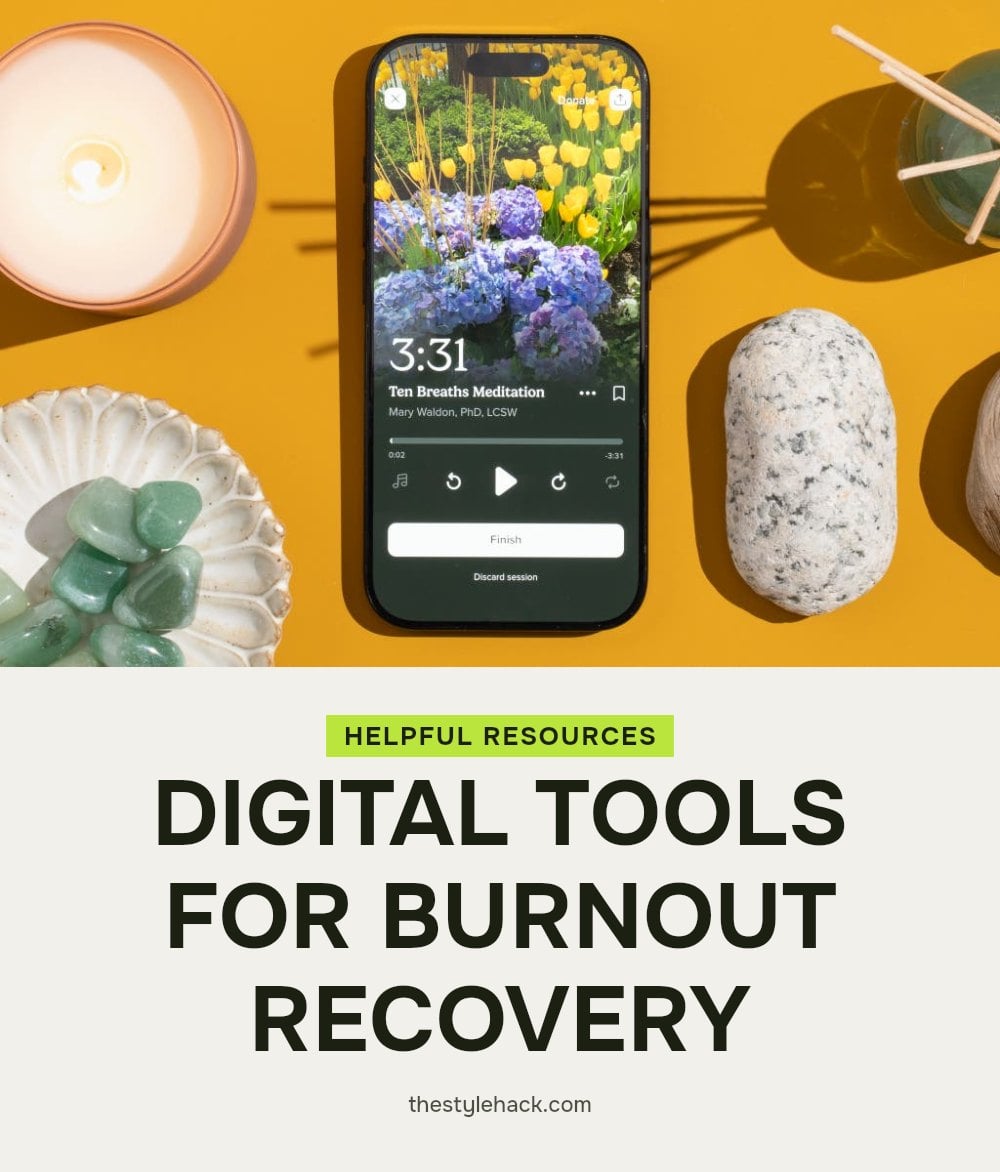
Journal or planner: For tracking moods, setting intentions, and organizing tasks. Comfortable walking shoes: To encourage regular physical activity and mindful movement. Meditation app or guide: For practicing mindfulness and stress reduction techniques. Therapy or counseling services: To provide professional guidance and support. Support group resources: For connecting with others who understand and can offer shared experiences.
9. When to Seek Professional Help for Burnout
Consult a healthcare professional if symptoms are severe, persistent, or significantly impacting daily life. Professional diagnosis and treatment are necessary if burnout co-occurs with or mimics depression or anxiety. Do not self-medicate with alcohol, drugs, or excessive caffeine, as this can worsen symptoms and create new health problems.
10. Understanding the Burnout Recovery Timeline
Preventing burnout is an ongoing process requiring consistent effort and self-awareness. Recovery from existing burnout can take weeks to months, depending on its severity and the interventions you employ, so be patient with yourself. Cost tiers for support range from free (self-care, support groups) to moderate (apps, books) to significant (therapy, retreats).
11. Frequently Asked Questions
12. Is burnout a medical diagnosis?
The World Health Organization classifies burnout as an occupational phenomenon, not a medical condition. It results from chronic workplace stress that hasn’t been successfully managed. However, burnout can mimic or co-occur with conditions like depression or anxiety, which do require a professional diagnosis.
13. How long does it take to recover from burnout?
Recovery time varies depending on severity and the steps you take. It can take weeks to months of consistent effort. Preventing burnout is an ongoing process that requires daily self-awareness and boundary setting, not a one-time fix.
14. Can burnout affect physical health?
Yes, burnout often shows up physically. Common symptoms include chronic fatigue, insomnia, frequent headaches, stomach problems, and loss of appetite. If these symptoms are severe or persistent, it’s important to consult a healthcare professional to rule out other causes.
15. What is the difference between stress and burnout?
Stress usually involves feeling overwhelmed but still engaged, while burnout is marked by exhaustion, cynicism, and a sense of ineffectiveness. Burnout is more severe and requires different solutions, such as stepping back from demands rather than just coping with them.
16. How can I support a friend who is experiencing burnout?
Listen without judgment and offer emotional support. Encourage them to set boundaries and take breaks. Suggest they seek professional help if symptoms persist. Avoid pushing them to ‘just relax’ or minimize their experience, as this can make them feel isolated.
17. Final Thoughts
Start with one small boundary today, like turning off work notifications after a certain hour. Recovery from burnout can take weeks to months, so be patient with yourself. The goal isn’t to eliminate stress entirely but to build resilience and protect your energy for what truly matters.
This article is for informational purposes only and does not constitute medical or professional advice. Burnout can mimic or co-occur with other health conditions. If you are experiencing severe or persistent symptoms, please consult a healthcare professional or mental health expert for a proper evaluation and treatment plan.
More Blog ideas
- How to Heal Chapped Lips Overnight with Simple Steps
- Atomic Habits: 5 Lessons to Build Better Habits
- Hyaluronic Acid for Beginners
- How to Build a Gentle Skincare Routine for Sensitive Skin
- Beat Frizzy Hair: Easy Remedies for Smooth, Shiny Strands
- How to Increase Your Daily Drinking Water Intake
- Washing Hair Mistakes to Avoid and What to Do Instead
- Bleaching Hair Tips for Less Damage
- How to Make Your Body Mist Last Longer All Day
- How to Fix Your Skincare Routine
- Nervous System Regulation Tips
- Vagus Nerve Exercises for Stress Relief






