How to Use Azelaic Acid: Tips for Beginners
Learn how to use azelaic acid effectively in your skincare routine. Get step-by-step guidance for beginners to achieve clearer, calmer skin.

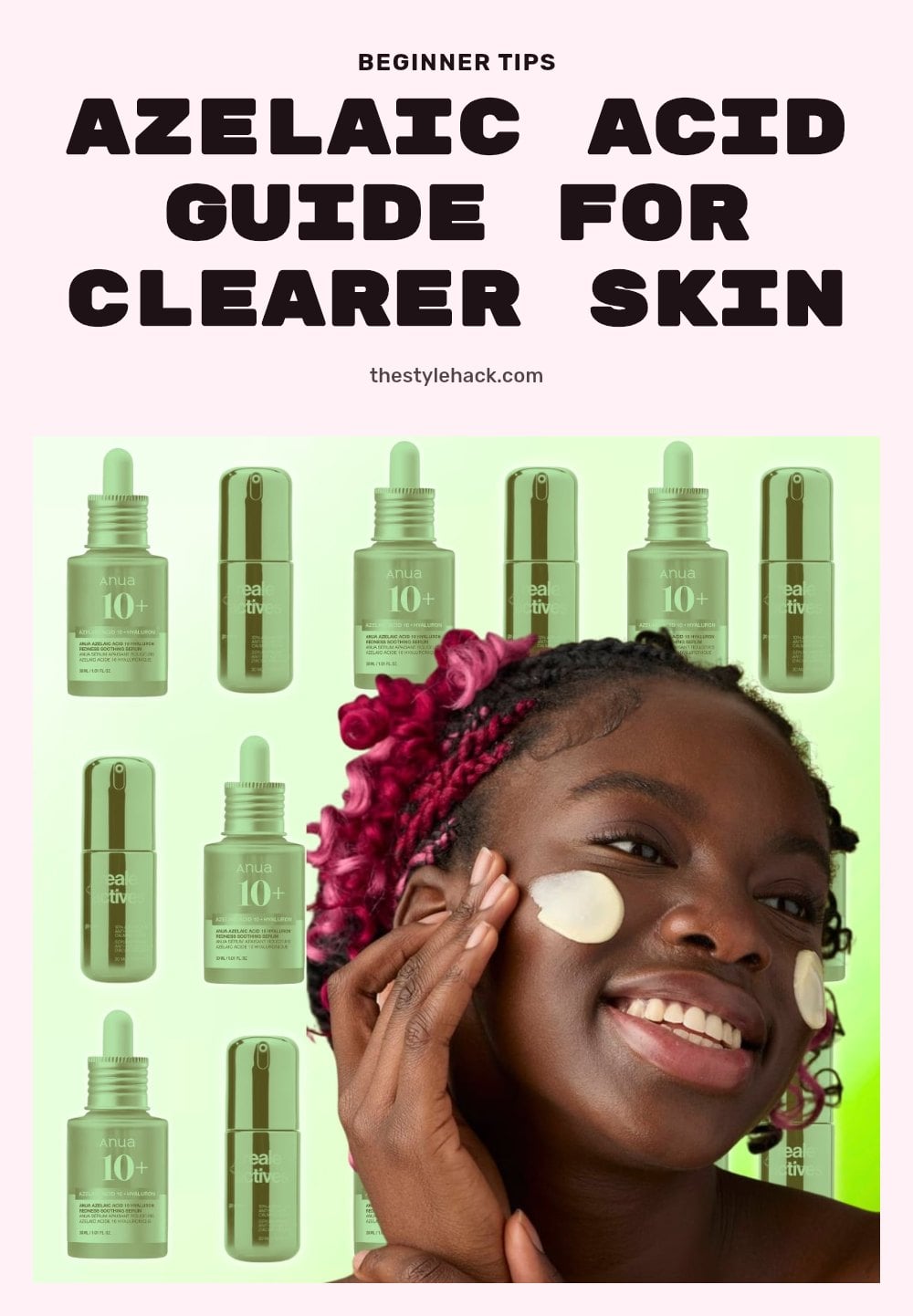
Starting a new skincare ingredient can feel like a guessing game, especially when you’re dealing with acne, rosacea, or dark spots. Azelaic acid is a gentle yet effective multitasker that addresses all three, but how you introduce it matters. In this article, I’ll walk you through the basics: what it does, how to use it step by step, and what to expect along the way.
Key Takeaways
- Start with a 10% concentration if you have sensitive skin.
- Apply a pea-sized amount to clean, dry skin once daily.
- Use sunscreen every morning to protect treated skin.
- Allow 4-8 weeks for initial improvement, 3-6 months for full results.
- Consult a dermatologist if irritation persists or worsens.
1. What Is Azelaic Acid and How Does It Work?
Azelaic acid is a naturally occurring dicarboxylic acid found in grains like barley, wheat, and rye. It’s a multitasker in skincare: it helps with acne by reducing inflammation and killing acne-causing bacteria, and it calms redness and swelling associated with rosacea. For hyperpigmentation, it inhibits melanin production, which fades dark spots and melasma over time. It also normalizes skin cell turnover to prevent clogged pores. In short, it’s a gentle yet effective ingredient for a range of common skin concerns.
2. Essential Products for Your Azelaic Acid Routine
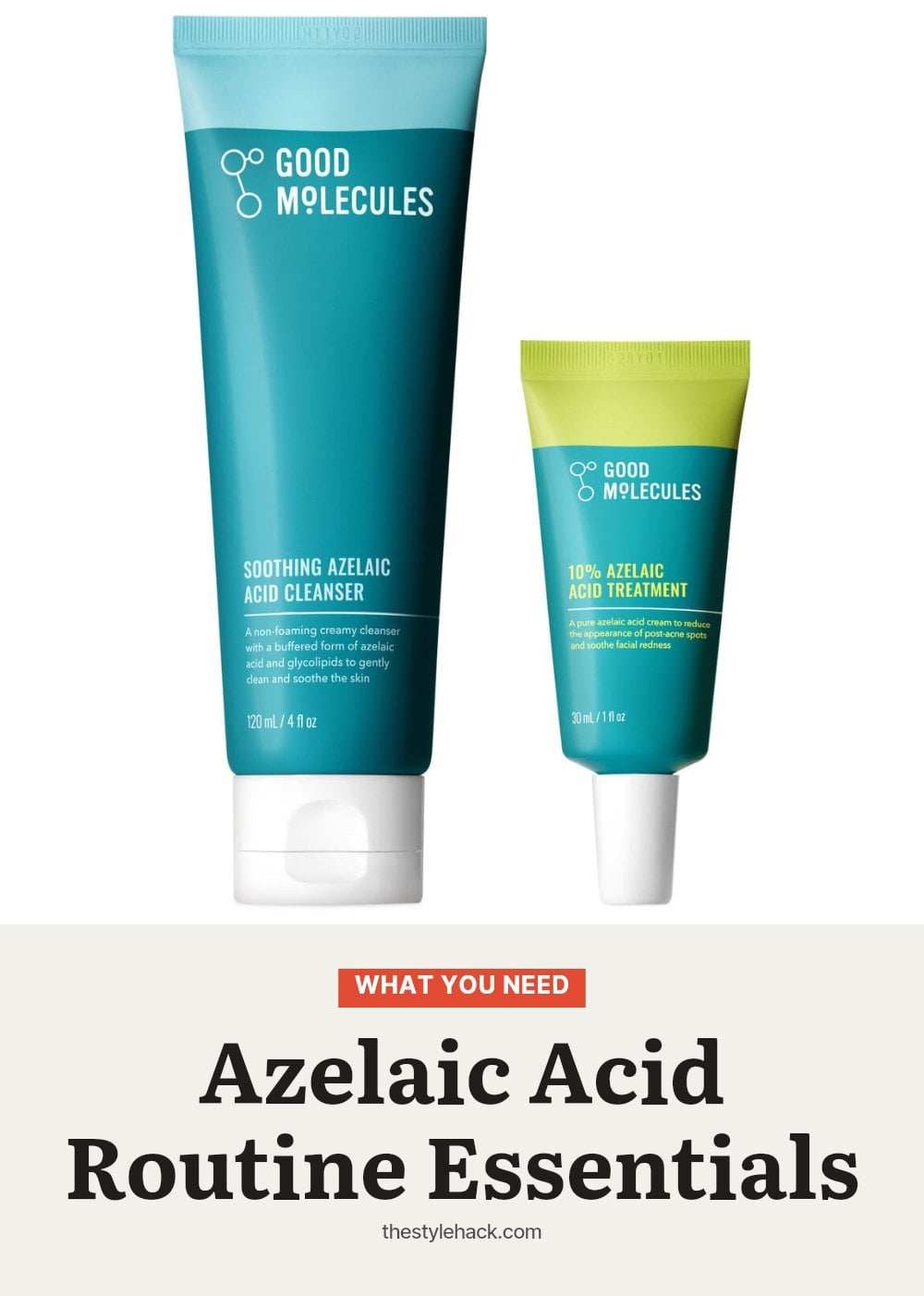
To get the most out of azelaic acid, you need a few basics in your routine. Start with a gentle cleanser to prep your skin without stripping it, which keeps irritation low before you apply the active ingredient.
- Gentle cleanser: A sulfate-free formula that removes dirt and oil without leaving skin tight.
- Azelaic acid product: Choose a serum, gel, or cream with a concentration between 10% and 20%. Lower percentages work well for sensitive skin, while higher ones are often prescription-strength.
- Hydrating moisturizer: Azelaic acid can cause dryness, so a simple moisturizer with ceramides or hyaluronic acid helps maintain your skin barrier.
- Broad-spectrum sunscreen: Use SPF 30 or higher every morning, since azelaic acid may increase sun sensitivity and unprotected sun exposure can worsen hyperpigmentation.
That’s the full set. No need for extra tools or complicated layering, just these four products done consistently.
3. Step-by-Step: Incorporating Azelaic Acid Into Your Routine
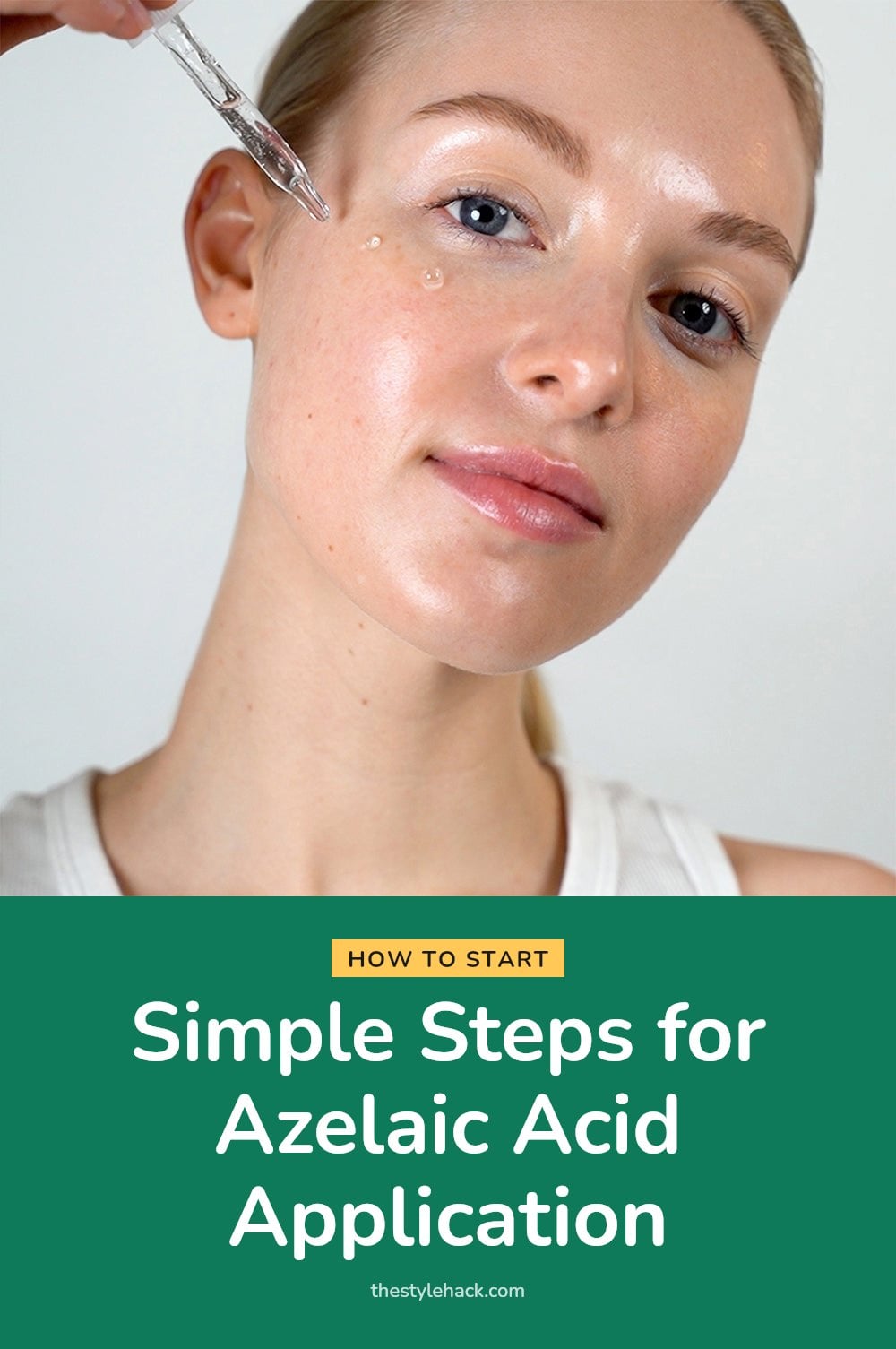
Start by washing your face with a gentle cleanser. This removes dirt, oil, and makeup so the azelaic acid can actually reach your skin. Rinse with lukewarm water and pat your skin dry with a clean towel. Make sure your face is completely dry before moving on, because applying azelaic acid to damp skin can increase the chance of stinging or irritation.
- Cleanse your face: Use a gentle, non-stripping cleanser and massage it over your entire face for about 30 seconds. Rinse thoroughly and gently pat dry with a soft towel.
- Wait for dryness: After cleansing, wait 2 to 3 minutes to ensure your skin is completely dry. This helps minimize any potential tingling or burning when you apply the acid.
- Squeeze a pea-sized amount: That’s enough for your whole face. Using more won’t speed up results and can increase irritation. Dot it on your forehead, cheeks, nose, and chin.
- Massage it in: Gently spread the product over your face in thin, even layers. Use light, upward strokes and avoid the eye area and any broken skin. Keep massaging until it’s fully absorbed, which usually takes 30 to 60 seconds.
- Follow with moisturizer: After the azelaic acid has absorbed, apply a hydrating moisturizer to lock in moisture and prevent dryness. This step also helps buffer any potential irritation.
- Apply sunscreen in the morning: If you’re using azelaic acid in your AM routine, finish with a broad-spectrum sunscreen of at least SPF 30. This is non-negotiable, especially when treating hyperpigmentation, because sun exposure can make dark spots worse.
When you first start, use azelaic acid every other day for the first week or two. This gives your skin time to adjust. After that, you can increase to daily use if your skin tolerates it well. Some people feel a mild tingling or itching for the first few minutes after application, which usually fades with regular use. If it lingers or feels intense, reduce the frequency or switch to a lower concentration.
Pro move: If you have sensitive skin, apply moisturizer first and wait 10 minutes before adding azelaic acid. This creates a buffer that can reduce irritation while still letting the acid work.
4. Expert Tips for Best Azelaic Acid Results
Getting the best results from azelaic acid comes down to how you introduce it and how patient you are. If your skin is sensitive, start with a 10% concentration. That lower strength still delivers benefits but gives your skin a gentler introduction.
- Start slow: Apply azelaic acid every other day for the first week or two. If your skin tolerates it well, gradually increase to once daily, then twice daily if needed.
- Stay consistent: Visible improvements typically take 4 to 8 weeks, but significant changes for acne, rosacea, or hyperpigmentation often need 3 to 6 months. Stick with it even if you do not see immediate changes.
- Combine with care: Azelaic acid can work alongside retinoids, AHAs, BHAs, or niacinamide, but introduce them one at a time. Patch test any new active on a small area first and wait a few days to check for irritation.
- Listen to your skin: Mild tingling or itching can happen at first. If you notice persistent redness, burning, or peeling, reduce frequency or drop to a lower concentration for a while.
My tip: Keep sunscreen non-negotiable. Azelaic acid can increase sun sensitivity, and skipping SPF can worsen the very hyperpigmentation you are trying to fade.
5. Common Mistakes to Avoid When Using Azelaic Acid
Using azelaic acid is straightforward, but a few common slip-ups can slow you down or irritate your skin. Here’s what to avoid and what to do instead.
- Applying too much: More product doesn’t mean faster results. A pea-sized amount is enough for your whole face. Excess can increase irritation, especially when you’re just starting out.
- Stopping too soon: Azelaic acid takes time. If you stop after a few weeks because you don’t see changes, you’ll miss the benefits. Stick with it for at least 4-8 weeks before judging.
- Skipping sunscreen: Azelaic acid can make your skin more sun-sensitive. Without daily broad-spectrum SPF, hyperpigmentation can worsen, undoing your progress. Apply sunscreen every morning.
- Combining too many strong actives: Layering azelaic acid with retinoids, AHAs, or BHAs all at once can overwhelm your skin. Introduce them one at a time and patch test first. If you’re unsure, talk to a dermatologist.
- Expecting a miracle for severe conditions: Azelaic acid helps, but it’s not a standalone cure for severe acne, rosacea, or melasma. If your condition is serious or doesn’t improve after consistent use, seek professional guidance.
6. Understanding the Azelaic Acid Results Timeline
Azelaic acid doesn’t work overnight. Many people notice initial improvements in their skin within 4 to 8 weeks of consistent use. For significant results with acne, rosacea, or hyperpigmentation, plan on 3 to 6 months of regular application. That’s why consistency matters more than anything else.
As for cost, over-the-counter azelaic acid products generally fall in the $15 to $40 range, depending on the formulation and concentration. Prescription-strength options may cost more, but your insurance might cover part of it, so it’s worth checking. My tip: set a reminder to apply it daily, and track your progress with monthly photos so you can see the slow, steady improvements.
7. When to Consult a Dermatologist
While azelaic acid is generally well tolerated, some situations call for a dermatologist’s input. See a professional if you experience severe or persistent irritation, burning, or itching that doesn’t ease up. Also, if your skin condition worsens or shows no improvement after consistent use, it’s time to get expert advice.
- Severe allergic reaction: Seek immediate medical attention if you notice a rash, swelling, or difficulty breathing.
- Combining treatments: Ask a dermatologist before pairing azelaic acid with prescription treatments like retinoids or oral medications.
- Persistent conditions: For severe acne, rosacea, or melasma that isn’t responding to over-the-counter products, a doctor can offer stronger options.
8. Frequently Asked Questions
9. Can I use azelaic acid every day?
Yes, many people can use azelaic acid daily, but it’s best to start slowly. Begin with every other day to let your skin adjust, then gradually increase to once or twice daily as tolerated. If you notice dryness or irritation, reduce frequency until your skin calms down.
10. How long does it take for azelaic acid to work?
Most people see initial improvements within 4 to 8 weeks of consistent use. However, significant results for acne, rosacea, or hyperpigmentation typically take 3 to 6 months. Consistency is key, so stick with it even if you don’t see changes right away.
11. What percentage of azelaic acid should I start with?
If you have sensitive skin, start with a 10% concentration. That’s enough to deliver benefits while being gentler on your skin. For others, 15% to 20% products are available over the counter or by prescription, but starting lower is always a safer bet.
12. Can azelaic acid be used with vitamin C?
Azelaic acid can be combined with vitamin C, but introduce them carefully. Since both are active ingredients, using them together may increase irritation, especially in the beginning. My tip: apply them at different times of day, such as vitamin C in the morning and azelaic acid at night, and patch test first.
13. Is azelaic acid safe for sensitive skin?
Yes, azelaic acid is generally well tolerated, even by sensitive skin types. That said, mild itching, burning, or stinging can occur when you first start. To minimize irritation, begin with a lower concentration, apply every other day, and always follow with a moisturizer.
14. Final Thoughts
My tip: treat azelaic acid like a marathon, not a sprint. Start low, go slow, and pair it with a moisturizer and daily sunscreen. Expect to see the first changes in about a month, but give it a full three to six months to judge its true effect on acne, rosacea, or hyperpigmentation. If your skin doesn’t improve or reacts badly, that’s your cue to talk to a dermatologist.
This article is for general information only and is not a substitute for professional medical advice. Always consult a dermatologist or healthcare provider before starting a new skincare treatment, especially if you have a persistent skin condition or are pregnant or breastfeeding.
More Blog ideas
- How to Heal Chapped Lips Overnight with Simple Steps
- Atomic Habits: 5 Lessons to Build Better Habits
- Hyaluronic Acid for Beginners
- How to Build a Gentle Skincare Routine for Sensitive Skin
- Beat Frizzy Hair: Easy Remedies for Smooth, Shiny Strands
- How to Increase Your Daily Drinking Water Intake
- Washing Hair Mistakes to Avoid and What to Do Instead
- Bleaching Hair Tips for Less Damage
- How to Make Your Body Mist Last Longer All Day
- How to Fix Your Skincare Routine
- Nervous System Regulation Tips
- Vagus Nerve Exercises for Stress Relief