The Perfect Bedtime Routine for a Calm, Restful Night
Discover how to create a personalized bedtime routine that helps you wind down, fall asleep faster, and enjoy more restorative rest every night.


If you’ve ever found yourself lying awake, staring at the ceiling, you’re not alone. A simple, consistent bedtime routine can be the missing link between a restless night and deep, restorative sleep. This article walks you through exactly how to build a personalized wind-down ritual that works for you, covering the essential steps, common mistakes to avoid, and expert tips for better sleep.
My tip: Start with just one or two calming activities and add more as you go. The goal is to signal to your body that it’s time to rest, not to create a chore list.
Key Takeaways
- Start your bedtime routine 30-60 minutes before your desired sleep time every night.
- Keep your bedroom between 60-67 degrees Fahrenheit for optimal sleep.
- Avoid screens for at least an hour before bed to prevent blue light from suppressing melatonin.
- Cut off caffeine at least 5 hours before bedtime to let it clear your system.
- If sleep troubles persist despite a consistent routine, talk to a healthcare professional.
1. What is a Bedtime Routine and Why Does it Matter?
A bedtime routine is a consistent set of relaxing activities you do in the hour or two before sleep. It signals to your body and mind that the day is over and it’s time to wind down. By repeating the same calming actions each night, you help regulate your circadian rhythm, your natural sleep-wake cycle. That regulation promotes faster sleep onset and more restorative sleep, so you wake up feeling genuinely refreshed.
2. Essential Tools for Your Relaxing Bedtime Routine
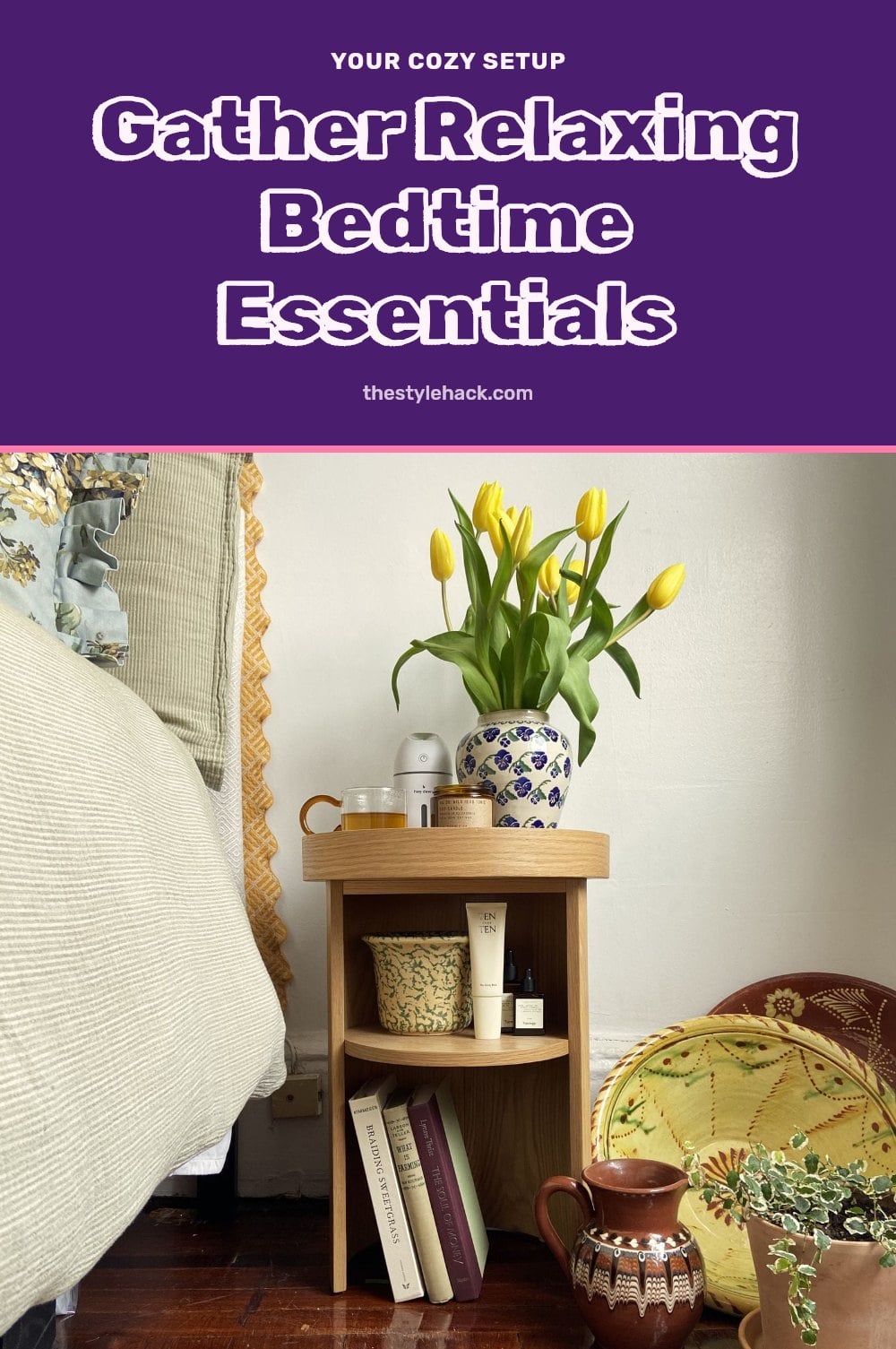
Having the right tools on hand makes winding down easier. Here are the essentials I keep in my own routine:
- Comfortable pajamas: Choose breathable fabrics like cotton to maintain an optimal sleep temperature.
- Eye mask: Blocks out light that can suppress melatonin production.
- Earplugs or white noise machine: Drowns out disruptive sounds for a quieter environment.
- Caffeine-free herbal tea: A warm cup of chamomile or peppermint helps you relax.
- Essential oil diffuser: Lavender or chamomile oils create a calming scent.
- Journal or physical book: Keeps you screen-free while you unwind.
3. Build Your Personalized Bedtime Routine in 5 Steps

Building a routine that works for you takes a few simple steps. Start with these five, and adjust based on what helps you relax most.
- Dim the lights: Begin at least an hour before bed by lowering overhead lights and avoiding screens. Bright light, especially blue light from phones and TVs, can suppress melatonin and keep you alert. This can be part of a 30-60 minute wind-down window.
- Take a warm bath: A warm shower or bath 30 to 90 minutes before sleep can help. The subsequent drop in core body temperature signals your body it’s time to rest. Adjust the timing to fit your evening.
- Do a calming activity: Read a physical book, do gentle stretching, or listen to quiet music. Choose something that doesn’t stimulate your mind. This is the core of your routine.
- Set up your bedroom: Make sure the room is cool (60-67°F), dark, and quiet. Use blackout curtains, an eye mask, or a white noise machine if needed. A dedicated sleep space reinforces the habit.
- Stick to a schedule: Go to bed and wake up at the same time every day, even on weekends. Consistency reinforces your circadian rhythm and makes the routine feel automatic.
4. Common Bedtime Routine Mistakes to Avoid
Even with good intentions, a few common mistakes can derail your sleep. Watch out for these:
- One-size-fits-all thinking: A routine that works for someone else may not work for you. Personalize your activities based on what actually relaxes you.
- Ignoring diet and stimulants: Caffeine stays in your system for hours, and heavy meals can cause indigestion. Avoid both close to bedtime.
- Using screens in bed: Your bed should be for sleep, not scrolling. Keep phones and tablets out of the bedroom to avoid blue light exposure.
- Skipping the sleep sanctuary: If your bedroom is cluttered, bright, or noisy, it’s harder to fall asleep. Make it dark, cool, and quiet.
- Expecting overnight results: A new routine takes time. Consistency over several weeks is what brings lasting improvements.
5. Expert Tips for Enhancing Your Sleep Quality

Mind Your Timing: Aim for 7-9 hours of sleep each night, and stick to a consistent bedtime and wake-up time, even on weekends. This helps regulate your circadian rhythm, making it easier to fall asleep and wake naturally.
Optimize Your Environment: Keep your bedroom between 60-67 degrees Fahrenheit. A cooler room supports the drop in core body temperature that signals your body it’s time to sleep.
Hydrate Smart: Drink enough water during the day, but limit liquids in the hour before bed to reduce the chance of waking up for bathroom trips. This timing works best when you pair it with your evening routine, so your last glass of water comes well before you start winding down.
Practice Mindfulness: Incorporate a short meditation or deep breathing exercise into your wind-down. Even 5 minutes of focused breathing can calm a racing mind and prepare you for rest.
6. When to Talk to a Healthcare Professional About Your Sleep
If you consistently struggle with sleep despite a consistent routine, it may be time to talk to a healthcare professional. Persistent difficulty falling or staying asleep can signal an underlying issue.
Watch for these signs:
- Excessive daytime sleepiness or fatigue that interferes with daily life
- Symptoms that suggest a sleep disorder, such as loud snoring, gasping for air during sleep (possible sleep apnea), or chronic insomnia
- Regular reliance on over-the-counter sleep aids, consult a doctor before using them long-term, as they can have side effects or interact with other medications
7. Frequently Asked Questions
8. How long should a bedtime routine be?
A bedtime routine should ideally last 30 to 60 minutes. This gives your body enough time to transition from the day’s activities into a relaxed state. Shorter routines can still help, but consistency matters more than length. Find a duration that fits your schedule and feels calming, not rushed.
9. Can I watch TV during my bedtime routine?
Watching TV is generally not recommended as part of a bedtime routine. The blue light from screens can suppress melatonin production and interfere with your sleep. If you must watch something, try to keep the screen dim and avoid stimulating content. A physical book or calming music is a better choice.
10. What if I don’t feel sleepy after my routine?
If you don’t feel sleepy after your routine, don’t force it. Get out of bed and do something calm and relaxing in dim light, like reading a physical book or listening to soft music, until you feel drowsy. Lying in bed awake can create anxiety around sleep. Trust that your body will naturally feel sleepy when it’s ready.
11. Is it okay to nap during the day if I have a bedtime routine?
Napping can be fine, but timing and length matter. Keep naps short, around 20-30 minutes, and avoid napping too late in the afternoon. A late or long nap can interfere with your nighttime sleep, even with a good bedtime routine. If you have trouble sleeping at night, try cutting out daytime naps altogether.
12. Final Thoughts
Building a bedtime routine is one of the most effective ways to improve your sleep quality and overall well-being. Start with a few small changes, like dimming the lights and putting away your phone an hour before bed, and stick with them for a few weeks. You may start noticing a difference in how easily you fall asleep and how rested you feel in the morning. The key is consistency and choosing activities that genuinely help you unwind.
This article is for general informational purposes only and does not constitute medical advice. Sleep needs and challenges vary from person to person. If you have persistent difficulty sleeping or suspect an underlying condition, please consult a healthcare professional or sleep specialist for personalized guidance.
More Blog ideas
- How to Heal Chapped Lips Overnight with Simple Steps
- Atomic Habits: 5 Lessons to Build Better Habits
- Hyaluronic Acid for Beginners
- How to Build a Gentle Skincare Routine for Sensitive Skin
- Beat Frizzy Hair: Easy Remedies for Smooth, Shiny Strands
- How to Increase Your Daily Drinking Water Intake
- Washing Hair Mistakes to Avoid and What to Do Instead
- Bleaching Hair Tips for Less Damage
- How to Make Your Body Mist Last Longer All Day
- How to Fix Your Skincare Routine
- Nervous System Regulation Tips
- Vagus Nerve Exercises for Stress Relief






