Beginner Upper Body Workout: Your Complete Guide
Learn how to perform an effective upper body workout for beginners. Build strength safely and improve your posture with our step-by-step guide.

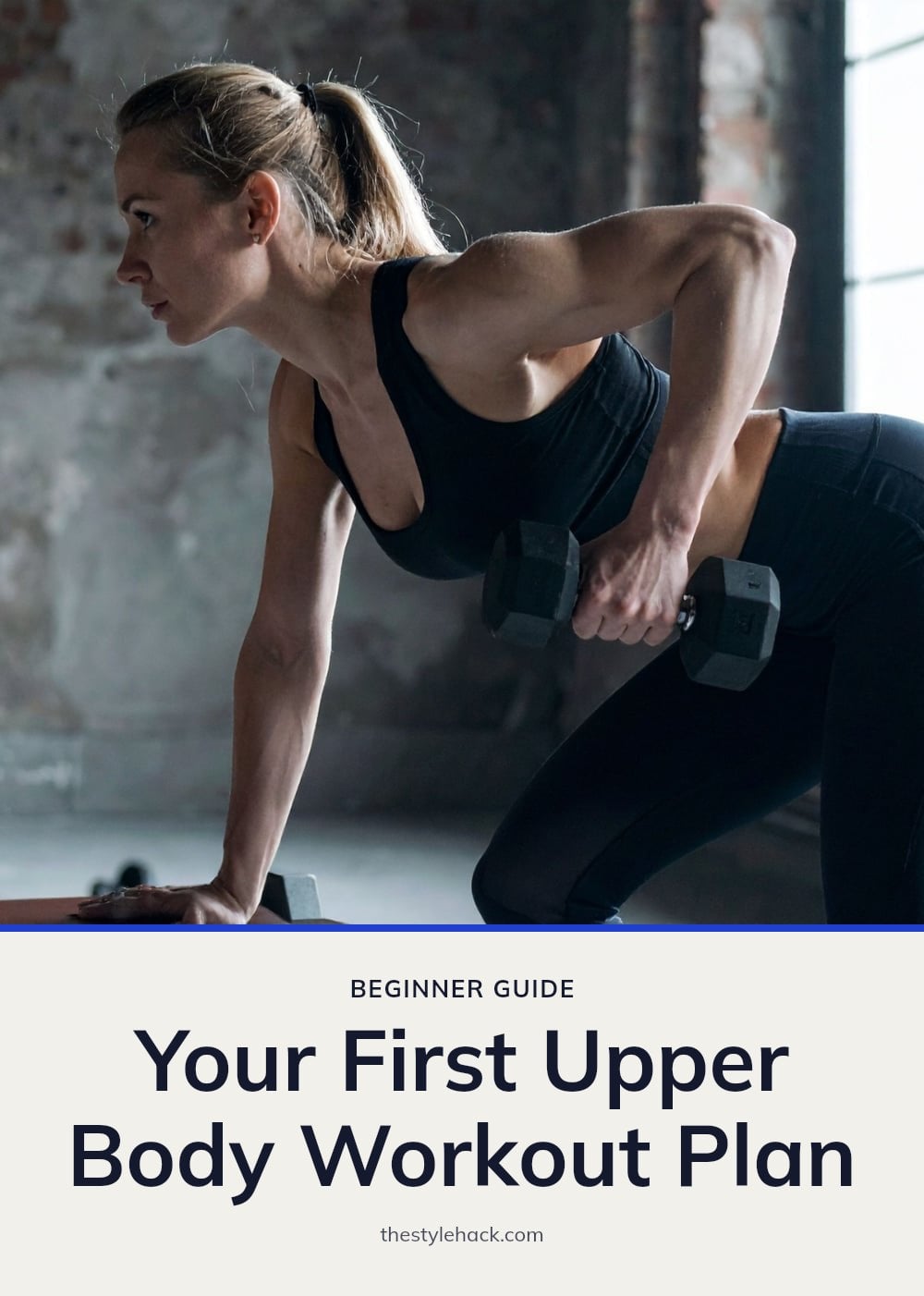
Starting an upper body workout can feel overwhelming with all the different exercises and equipment out there. The good news is that you don’t need a gym full of machines to build strength in your chest, back, shoulders, biceps, and triceps. This guide covers everything you need to know as a beginner, from essential equipment and proper form to a simple step-by-step plan you can follow at home.
Key Takeaways
- Focus on proper form over heavy weight to prevent injury and build a solid foundation.
- Aim for 2-3 upper body workouts per week with at least one rest day between sessions.
- Include compound exercises like push-ups and dumbbell rows to work multiple muscle groups at once.
- Warm up for 5 minutes and cool down with static stretches after every workout.
- Expect noticeable strength improvements within 4 to 6 weeks with consistent effort.
1. What is an Upper Body Workout and Why Do I Need One?
An upper body workout targets the muscles in your chest, back, shoulders, biceps, and triceps. It improves posture, increases overall strength, and makes daily tasks like carrying groceries or lifting a child easier. For beginners, the key is to focus on foundational movements and proper form rather than heavy weights. This approach builds a solid base and helps prevent injury.
2. Essential Equipment for Your Upper Body Workout

You don’t need a gym full of machines to build upper body strength. Here is the basic equipment that covers most exercises:
- Dumbbells: Versatile for rows, presses, curls, and extensions. Start with a light pair to master form.
- Resistance bands: Offer adjustable resistance for all fitness levels and are easy to store.
- Stable bench or surface: Needed for exercises like dumbbell rows and seated shoulder presses.
- Yoga mat: Provides comfort for floor exercises like push-ups and planks.
Many exercises, including push-ups and band rows, require only bodyweight or a single band. You can build an effective routine with minimal gear.
3. Understanding Your Upper Body Muscles
Knowing the major muscle groups helps you design a balanced routine. The pectorals (chest) control pushing movements. The latissimus dorsi and trapezius (back) handle pulling and posture. The deltoids (shoulders) assist in overhead lifts and rotations. The biceps (front of upper arm) bend the elbow, while the triceps (back of upper arm) straighten it.
Compound exercises work several of these groups at once, making your workout more efficient. For example, a push-up targets the chest, shoulders, and triceps. By understanding which muscles each exercise activates, you can ensure you hit all areas and avoid creating strength imbalances.
4. Step-by-Step: Your Beginner Upper Body Workout Plan
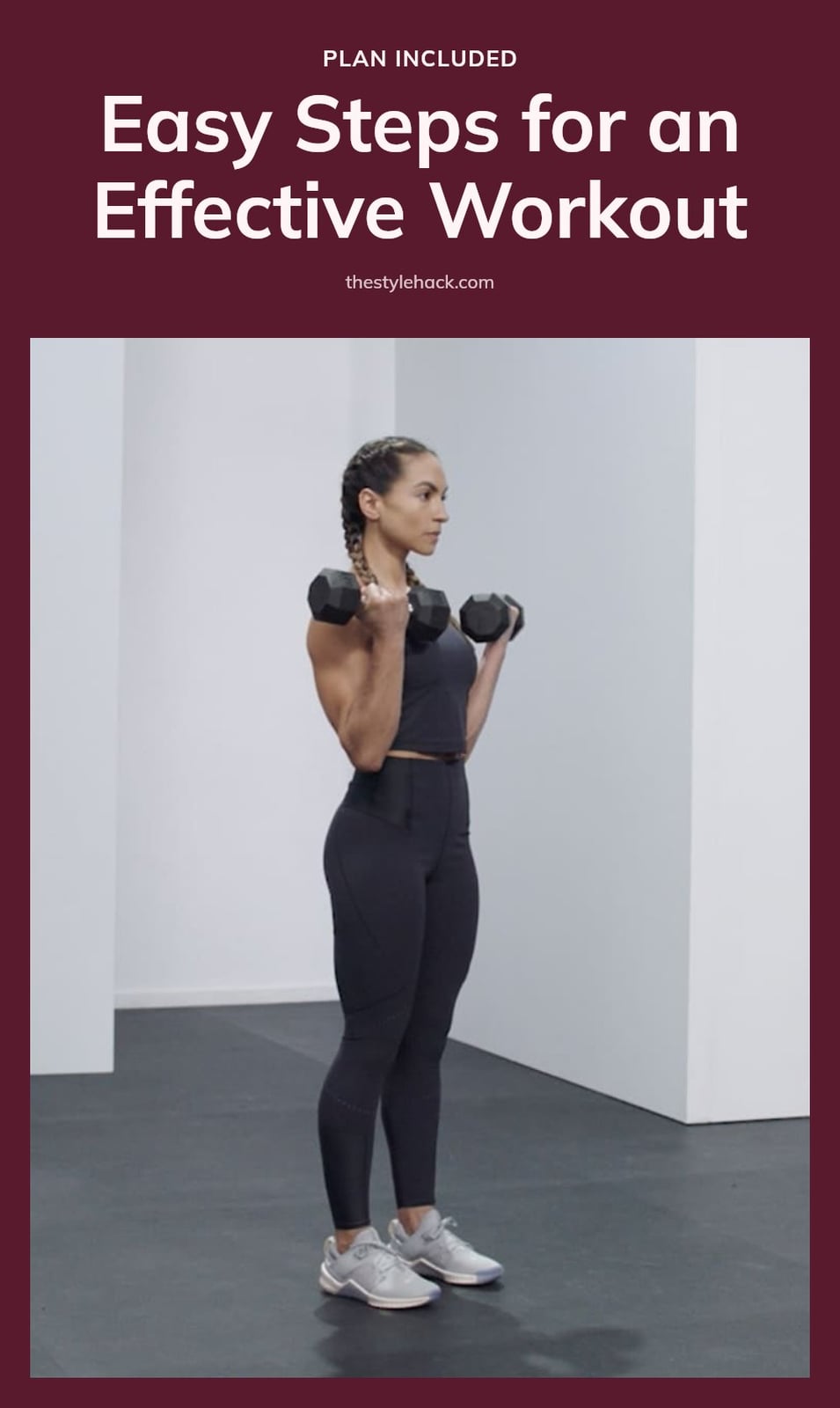
This plan is designed for beginners. Perform it 2-3 times per week with at least one rest day between sessions.
- Warm up: Do 5 minutes of light cardio (jumping jacks or brisk walking) followed by dynamic stretches like arm circles and torso twists. This increases blood flow and reduces injury risk.
- Perform push-ups: Start on your knees or toes, hands slightly wider than shoulders. Lower your chest toward the floor, keep your body straight, and push back up. Do 2-3 sets of 8-12 reps.
- Do dumbbell rows: Place one hand and knee on a bench, back flat. Hold a dumbbell in the opposite hand, pull it toward your hip, squeeze your shoulder blade, and lower with control. Complete 2-3 sets of 8-12 reps per side.
- Complete overhead presses: Stand with feet shoulder-width apart, dumbbells at shoulder height, palms forward. Press the dumbbells overhead until arms are fully extended, then lower slowly. Do 2-3 sets of 8-12 reps.
- Rest between sets: Take 60-90 seconds of rest to allow your muscles to recover before the next set.
- Cool down: Finish with 5 minutes of static stretches, holding each for 15-30 seconds. Stretch your chest, back, shoulders, and arms to improve flexibility and aid recovery.
Focus on controlled movements and proper form over heavy weights. If you can’t complete 8 reps with good form, reduce the weight.
5. 1. Push-Ups: A Foundation for Chest and Triceps
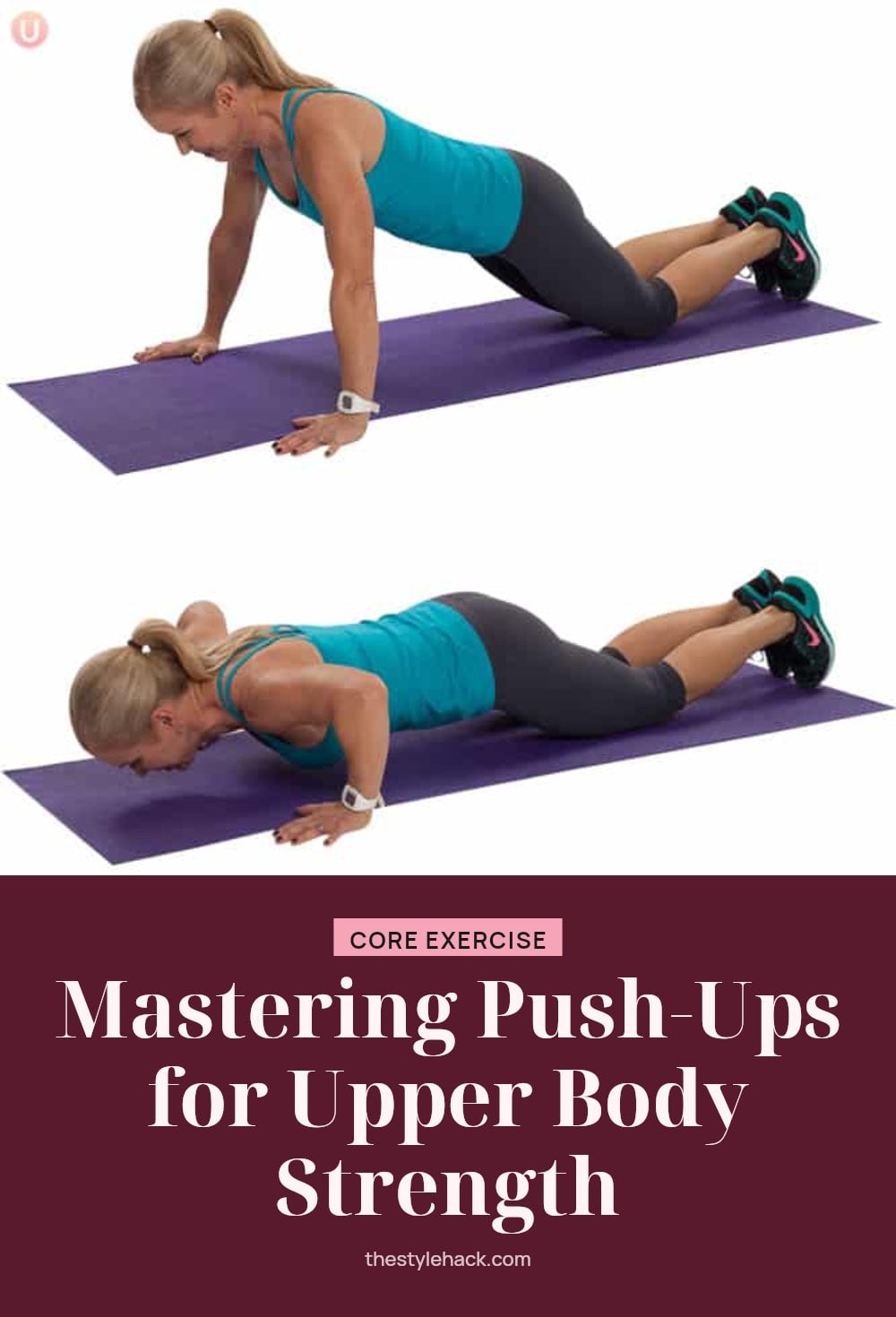
Place your hands slightly wider than your shoulders, with your body in a straight line from head to heels. If you are new to this, start on your knees to build strength before progressing to your toes.
Lower your chest toward the floor while keeping your elbows at about a 45-degree angle from your body. Push back up to the starting position, and keep your core tight throughout the movement so your hips don’t sag.
Tip: Move slowly on the way down and press forcefully on the way up to get the most from each rep.
6. 2. Dumbbell Rows: Strengthening Your Back
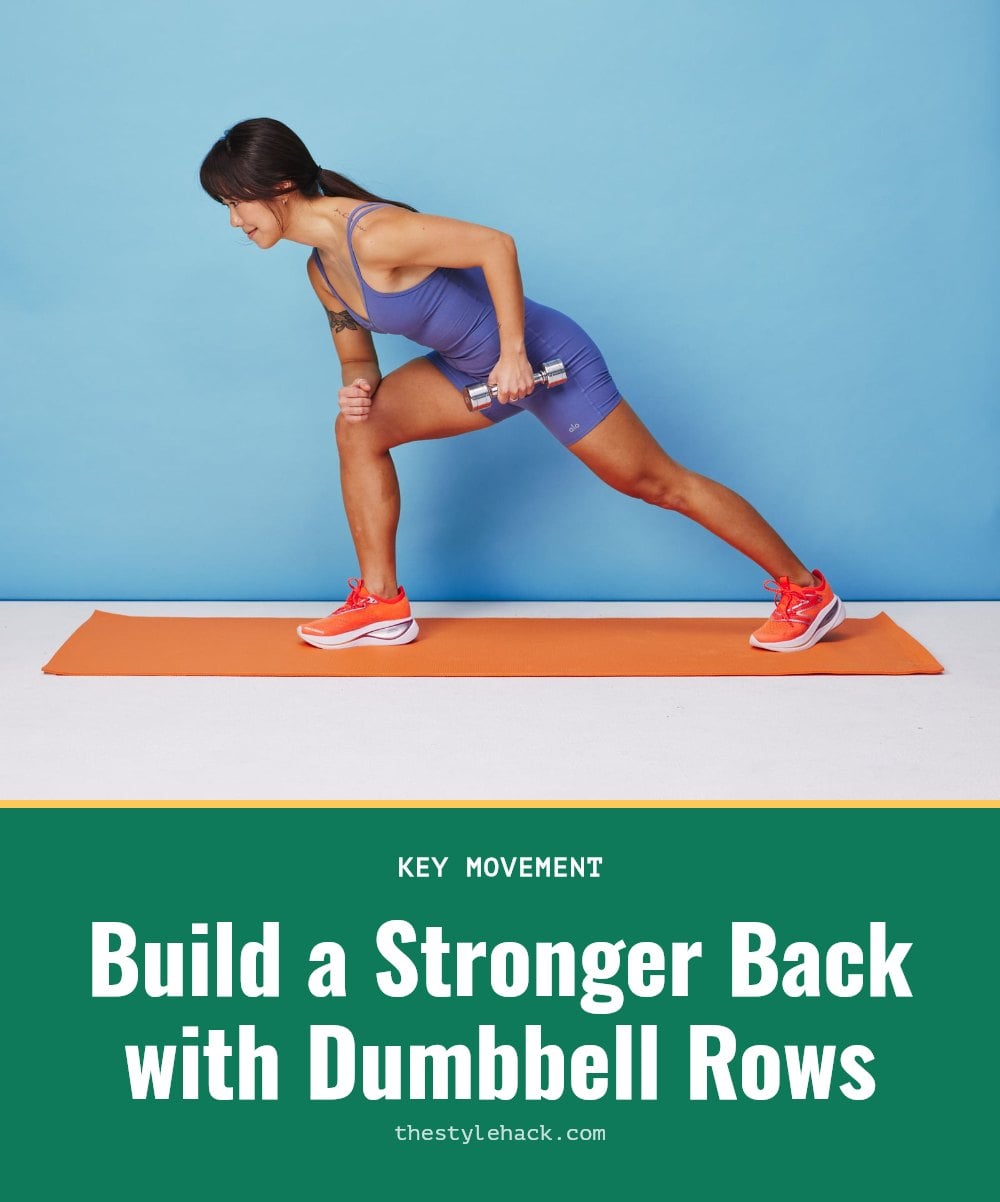
Set up by placing one hand and knee on a bench, keeping your back flat like a tabletop. Hold a dumbbell in the opposite hand with your arm extended straight down toward the floor.
Pull the dumbbell up toward your hip, leading with your elbow and squeezing your shoulder blade at the top. Lower it back down with control, resisting the urge to let gravity drop the weight.
This move targets your latissimus dorsi and trapezius, building the pulling strength that balances all your pushing exercises. Keep your core tight so your torso stays still throughout the rep.
7. 3. Overhead Press: Building Strong Shoulders
Stand with your feet shoulder-width apart, holding a dumbbell in each hand at shoulder height with palms facing forward. Press the dumbbells straight overhead until your arms are fully extended, then lower them slowly back to the starting position.
Keep your core tight throughout the movement to protect your lower back. Avoid arching your back as you press. If you feel strain in your lower back, lighten the weight or practice with no weights until your form feels solid.
8. Common Mistakes to Avoid in Your Upper Body Workout
Using Momentum: Swinging the weights shifts the load off your muscles and onto your joints. Lift and lower with a slow, controlled tempo so the target muscle does the work.
Neglecting Muscle Groups: A routine that only hits chest and biceps leaves your back and triceps behind, which can lead to imbalance and poor posture. Include pushes and pulls so every major group gets attention.
Skipping Progressive Overload: If you repeat the same weight and reps forever, your strength plateaus. Add a little resistance, an extra rep, or one more set every couple of weeks to keep challenging your muscles.
Ignoring Rest Days: Muscles repair and grow during recovery, not during the workout itself. Take at least one full day off between upper body sessions, and sleep well.
Improper Breathing: Holding your breath during a lift raises blood pressure and reduces performance. Exhale as you push or pull, inhale as you lower the weight.
9. Pro Tips for a Successful Upper Body Workout
Listen to Your Body: Muscle fatigue during a set is normal, but sharp or shooting pain is not. Stop immediately if you feel anything beyond a deep burn, and take an extra rest day if needed.
Stay Hydrated: Keep a water bottle nearby and sip between sets. Dehydration can reduce strength and make you feel dizzy, so drink before, during, and after your workout.
Prioritize Form: Always choose proper form over lifting heavier weights. A lighter weight with controlled movement builds muscle more safely than a heavy one with poor mechanics.
Consider a Professional: If you are new to strength training, a certified personal trainer can check your form and build a program around your goals. Even a few sessions can prevent bad habits that lead to injury.
10. Workout Timeline and When to Expect Results
Plan for 2-3 upper body sessions per week, always with at least one rest day in between so your muscles have time to repair and grow. With consistent effort, you can often notice strength improvements within 4 to 6 weeks, like lifting a heavier dumbbell or doing more push-ups than when you started.
Consistency matters more than intensity for long-term progress. Stick with the routine even on weeks when you feel less motivated, and gradually increase resistance or reps to keep challenging your muscles.
Equipment cost is flexible. Bodyweight exercises like push-ups are free, while a basic home setup with dumbbells and resistance bands is a moderate investment that covers most upper body moves.
11. When to Consult a Doctor or Personal Trainer
Before you start any new exercise program, check with your doctor first, especially if you have a pre-existing health condition like high blood pressure, joint issues, or heart problems. Your doctor can tell you whether strength training is safe for your situation and whether any modifications are needed.
During a workout, stop immediately and get medical advice if you feel sharp pain, dizziness, or nausea. These symptoms are different from normal muscle fatigue, and pushing through them can make an injury worse.
If you are new to strength training or have specific goals like improving posture or recovering from an injury, a certified personal trainer can help. They can teach you proper form, build a program around your needs, and show you how to progress safely.
12. Frequently Asked Questions
13. What is progressive overload and why is it important?
Progressive overload means gradually increasing the challenge you place on your muscles over time, whether by adding more weight, doing more repetitions, or increasing the number of sets. It’s important because muscles adapt to stress, so without this gradual increase, your strength gains will stall and you won’t continue to improve.
14. Can I build upper body strength without weights?
Yes, you can build significant strength using only bodyweight exercises like push-ups, planks, and inverted rows. Resistance bands are another great no-weight option that still provides progressive resistance. The key is to increase the difficulty over time, such as by switching from knee push-ups to full push-ups.
15. How long does it take to see results from upper body workouts?
With consistent training 2-3 times per week, many beginners notice strength improvements within 4 to 6 weeks. This might mean lifting a heavier dumbbell or doing more push-ups than when you started. Visible muscle changes often take a few weeks longer and depend on your diet and recovery.
16. What should I eat after an upper body workout?
After your workout, aim for a meal or snack that includes protein to help repair muscle tissue and carbohydrates to replenish energy stores. Good options include a protein shake with a banana, Greek yogurt with berries, or a chicken and vegetable wrap. Staying hydrated is equally important for recovery.
17. What are the best upper body exercises for beginners?
Start with compound movements that work multiple muscle groups at once, such as push-ups for chest and triceps, dumbbell rows for back, and overhead presses for shoulders. Add isolation exercises like bicep curls and tricep extensions once you feel comfortable with the basics. Master form first before increasing weight.
18. Final Thoughts
Your best first step is to start with bodyweight or light dumbbell exercises, focusing on controlled movements and proper form. Stick with 2-3 sessions per week, and you can expect to see real strength gains in about a month. Remember, consistency matters more than intensity, so keep showing up and listening to your body.
This article provides general fitness information and is not a substitute for professional medical or training advice. Before starting any new exercise program, especially if you have a pre-existing health condition, consult a doctor or certified personal trainer. Stop immediately if you experience sharp pain or discomfort.
More Blog ideas
- How to Heal Chapped Lips Overnight with Simple Steps
- Atomic Habits: 5 Lessons to Build Better Habits
- Hyaluronic Acid for Beginners
- How to Build a Gentle Skincare Routine for Sensitive Skin
- Beat Frizzy Hair: Easy Remedies for Smooth, Shiny Strands
- How to Increase Your Daily Drinking Water Intake
- Washing Hair Mistakes to Avoid and What to Do Instead
- Bleaching Hair Tips for Less Damage
- How to Make Your Body Mist Last Longer All Day
- How to Fix Your Skincare Routine
- Nervous System Regulation Tips
- Vagus Nerve Exercises for Stress Relief






