Easy Beginner Workout to Start Today
Discover an easy beginner workout plan to kickstart your fitness journey. Learn proper form, essential exercises, and a weekly schedule for success.

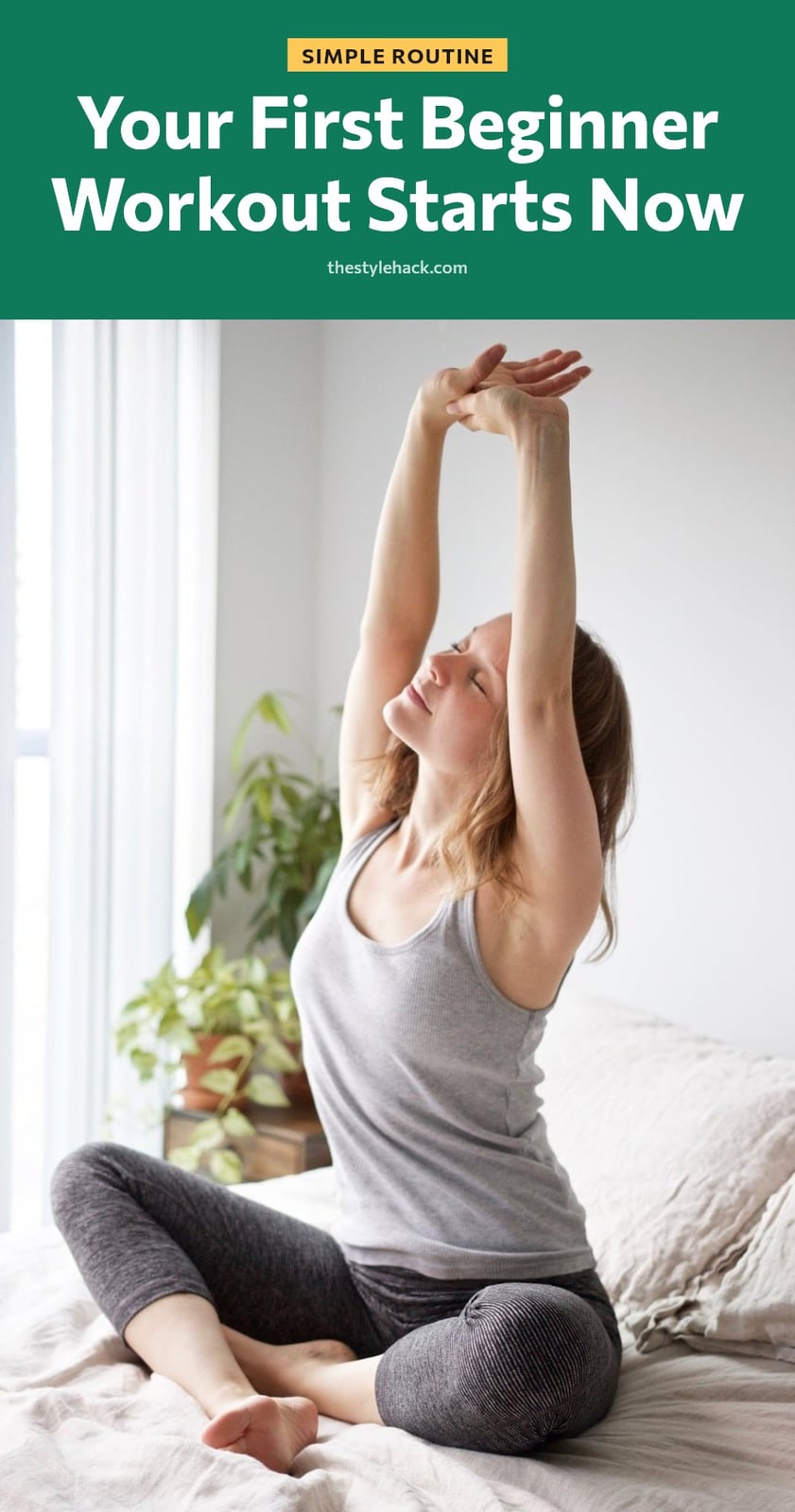
Starting a workout routine can feel overwhelming, but the best way to begin is with simple, low-impact exercises that build strength and endurance gradually. The key is to focus on consistency over intensity, choosing activities you enjoy so you stick with them. This article covers a full-body beginner workout plan, including warm-up, main exercises, and cool-down, along with tips on gear, scheduling, and how to progress safely.
Key Takeaways
- Aim for 2 to 3 full-body workouts per week with rest days in between.
- Always include a 5-10 minute warm-up and a 5-10 minute cool-down.
- Focus on proper form and controlled movements, not speed or heavy weights.
- Listen to your body; stop if you feel sharp pain, not just muscle soreness.
- Noticeable improvements in strength and endurance typically appear within 4-6 weeks.
1. Your First Step to Fitness: A Simple Beginner Workout
Starting a workout routine is about building consistency and good habits, not intensity. Focus on foundational, low-impact exercises that build strength and endurance gradually. Aim for 2-3 full-body workouts per week, always including a warm-up and cool-down. Before beginning any new exercise program, especially if you have health conditions or have been inactive, consult a healthcare professional.
2. 1. Warm-Up: Arm Circles and Leg Swings
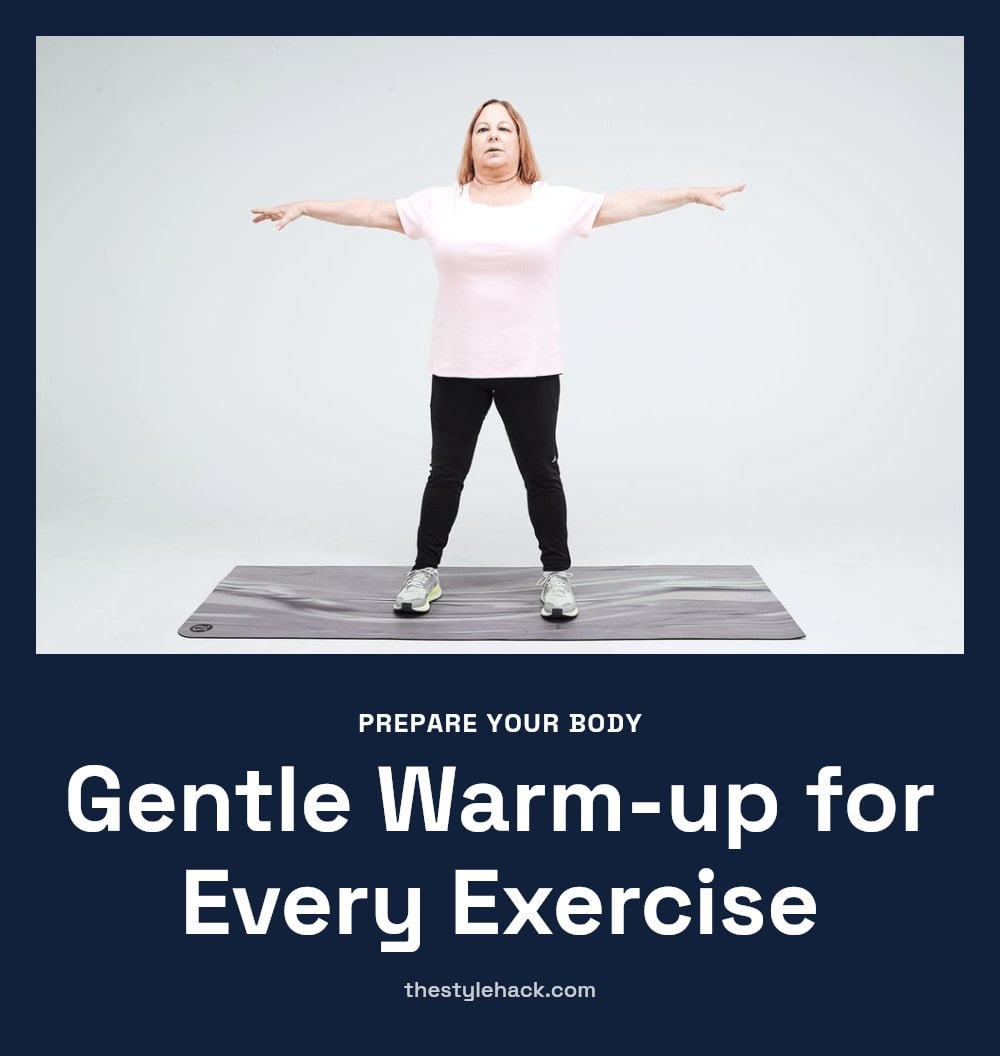
Stand tall with feet shoulder-width apart. For arm circles, extend arms out to the sides and make small circles forward, gradually increasing the size, then reverse direction. For leg swings, hold onto a wall or chair for balance. Swing one leg forward and backward in a controlled motion, then switch legs. These dynamic stretches increase blood flow and prepare your joints for movement.
- Sets and reps: 10-15 circles each direction for arms; 10-12 swings per leg.
- Form cue: Keep your core engaged and movements controlled, not jerky.
- Make it easier or harder: Reduce range of motion for less intensity; increase circle size or swing height for more.
3. 2. Bodyweight Squats
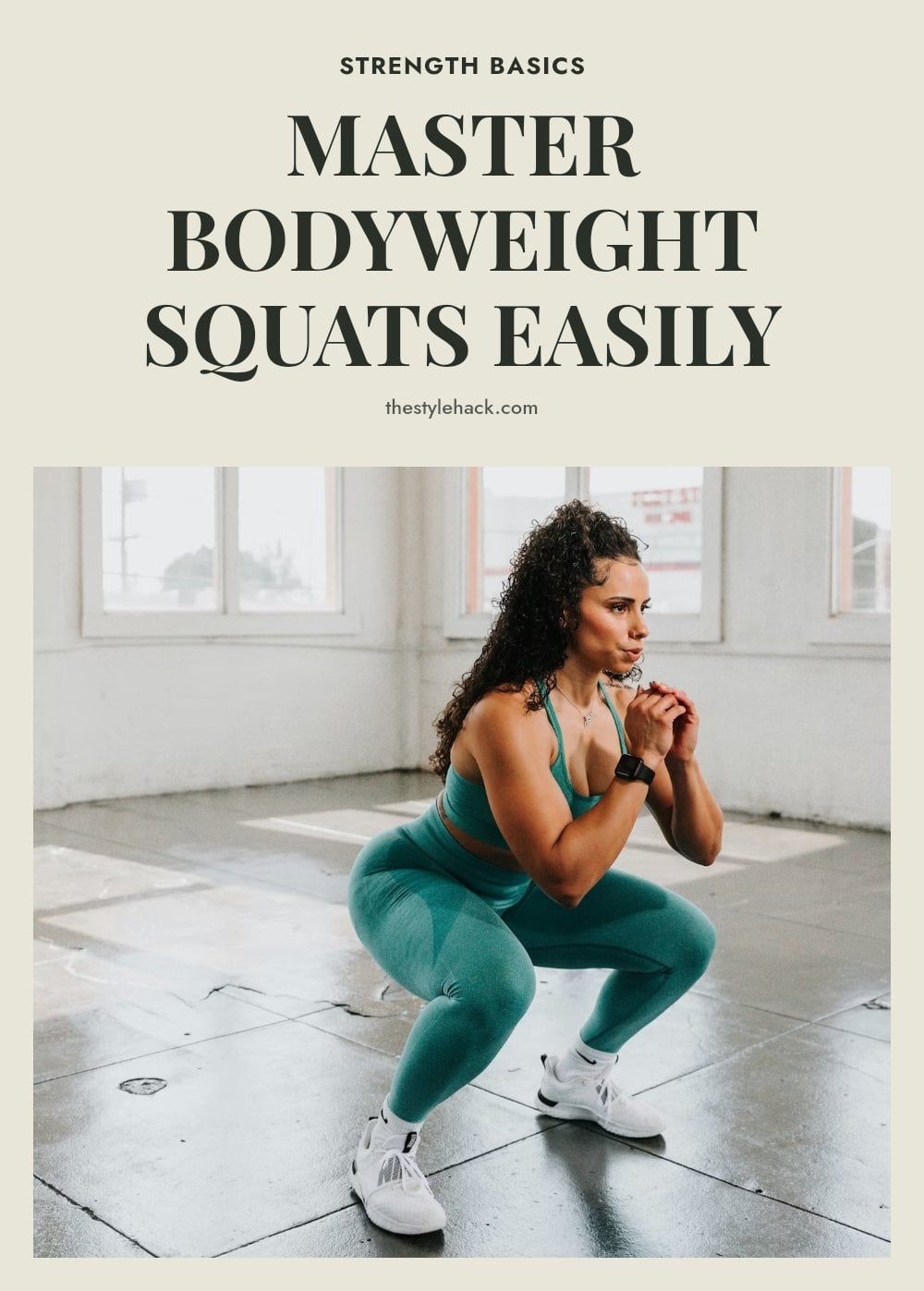
Stand with feet shoulder-width apart, toes pointing slightly out. Keep your chest up and core engaged. Lower your hips as if sitting back into a chair, ensuring your knees track over your toes. Go as low as comfortable while maintaining good form. Push through your heels to return to the starting position.
- Sets and reps: 3 sets of 10-12 repetitions.
- Form cue: Keep your weight in your heels and your knees aligned with your second toe.
- Make it easier or harder: Reduce depth for easier; hold light dumbbells for harder.
4. 3. Modified Push-Ups
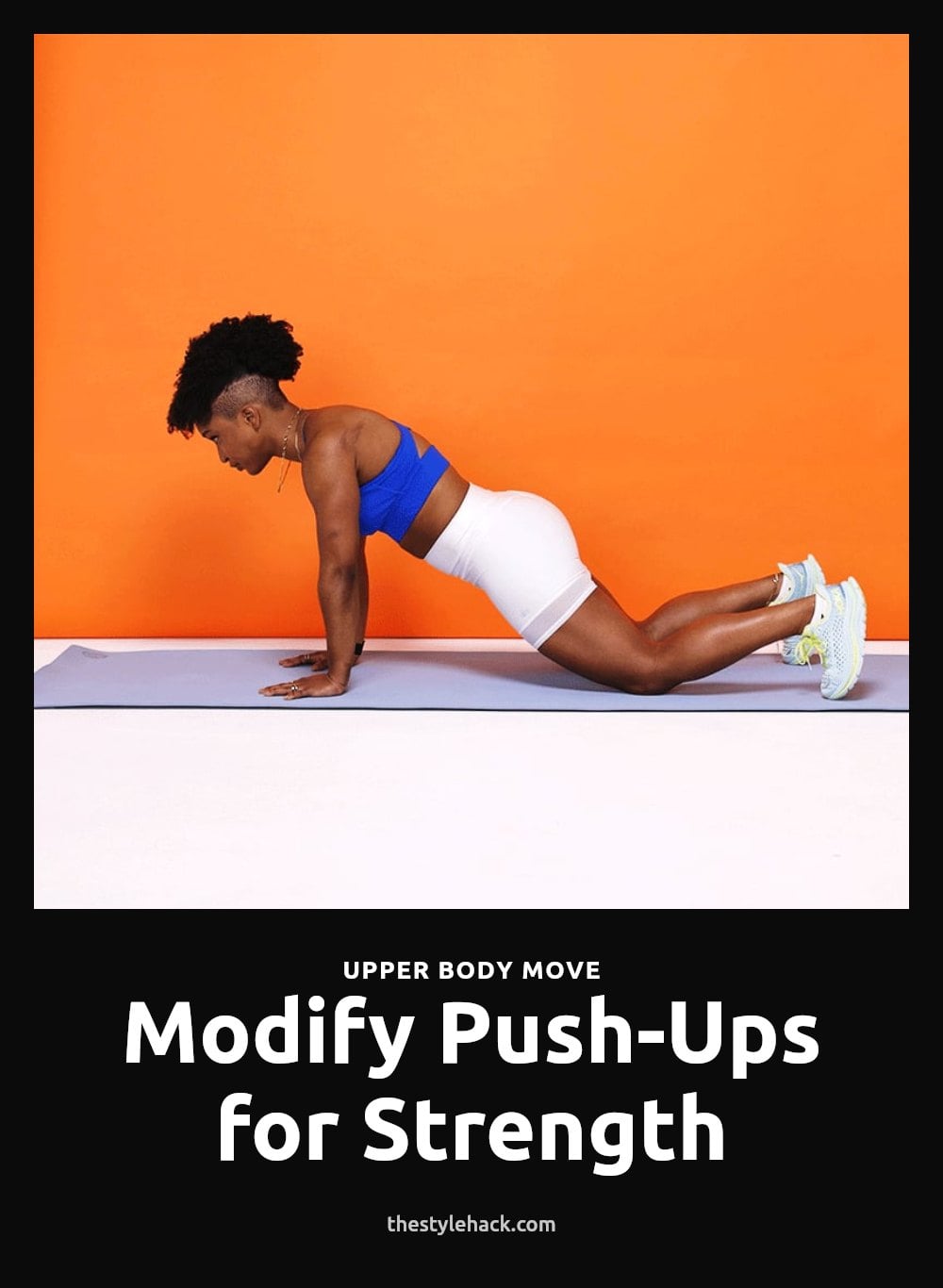
Start on your hands and knees, hands slightly wider than shoulder-width apart. You can also perform these against a wall or on an incline. Keep your body in a straight line from head to knees (or heels if on toes). Lower your chest towards the floor, bending your elbows, then push back up to the starting position.
- Sets and reps: 3 sets of 8-10 repetitions.
- Form cue: Keep your elbows at a 45-degree angle to your body, not flared out.
- Make it easier or harder: Use a wall or higher incline for easier; move to full push-ups on toes for harder.
5. 4. Glute Bridges
Lie on your back with knees bent, feet flat on the floor hip-width apart, and arms by your sides. Engage your core and glutes, then lift your hips off the floor until your body forms a straight line from shoulders to knees.
- Sets and reps: 3 sets of 12-15 repetitions.
- Form cue: Squeeze your glutes at the top, then slowly lower your hips back down.
- Make it easier or harder: Easier: perform with feet closer to your hips. Harder: extend one leg straight out while lifting.
6. 5. Plank
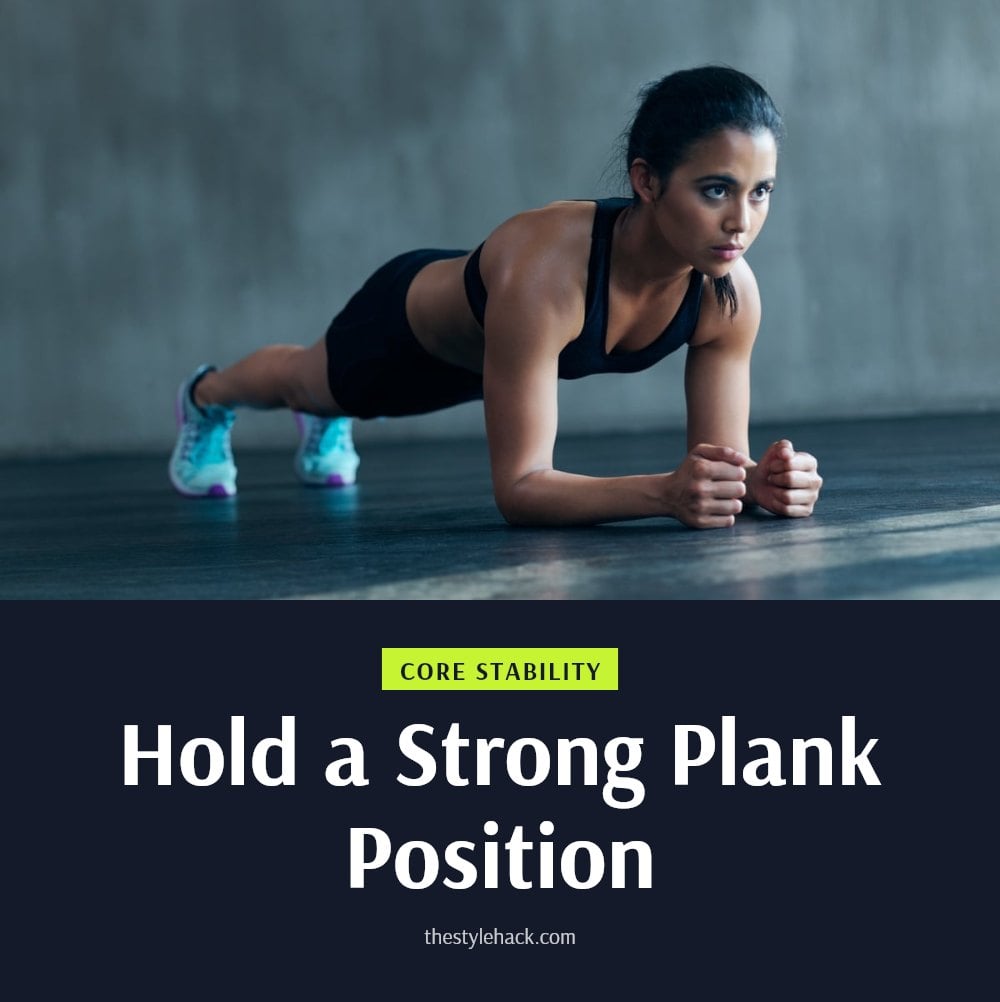
Start in a push-up position, then lower onto your forearms. Keep your body in a straight line from head to heels, and engage your core, glutes, and quads. Avoid letting your hips sag or rise too high, and hold the position for 20-30 seconds, or as long as you can maintain proper form.
- Time: 20-30 seconds per set, 3 sets total.
- Form cue: Squeeze your glutes and pull your belly button toward your spine to keep your back flat.
- Make it easier or harder: Drop to your knees for an easier version, or extend your arms fully for a tougher one.
7. 6. Walking Lunges
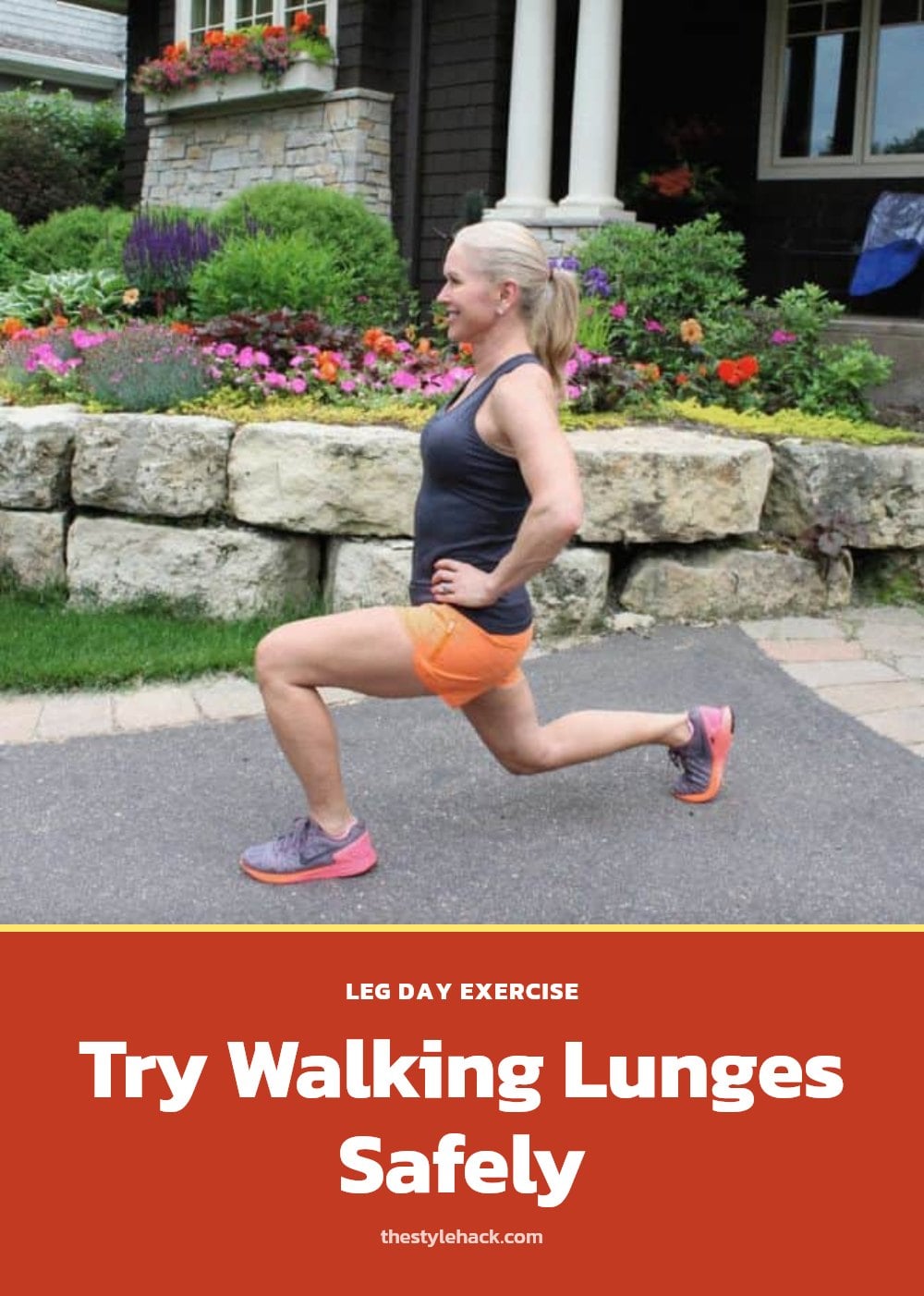
Stand tall with feet hip-width apart. Step forward with one leg, lowering your hips until both knees are bent at about a 90-degree angle. Your front knee should stay directly over your ankle, and your back knee should hover just above the floor.
- Sets and reps: 3 sets of 8-10 lunges per leg.
- Form cue: Keep your torso upright and core engaged to protect your lower back.
- Make it easier or harder: Reduce the step length for balance, or hold light dumbbells for added challenge.
8. 7. Cool-Down: Static Stretches
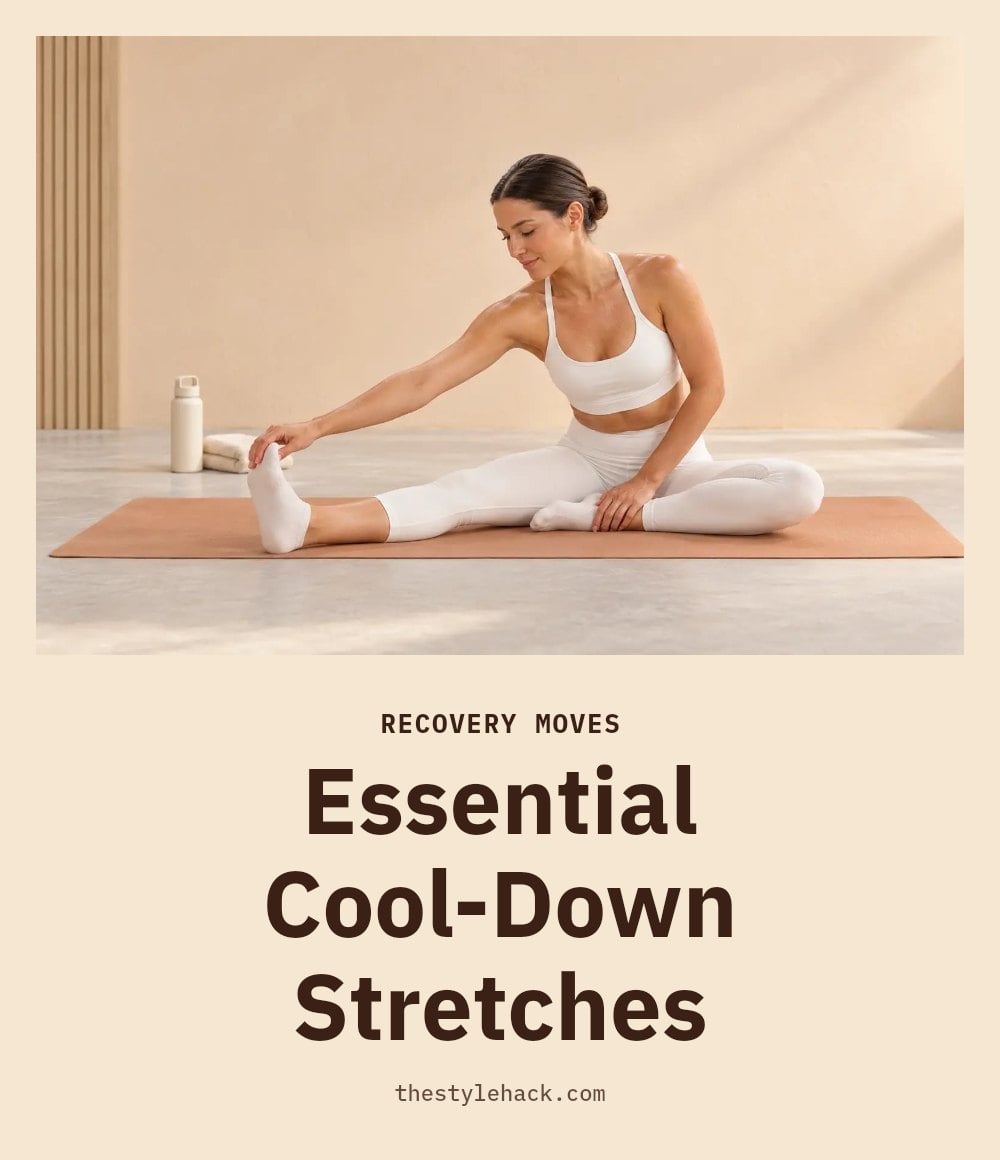
Spend 5-10 minutes cooling down with static stretches to help your muscles relax and ease soreness. Hold each stretch for 20-30 seconds while breathing deeply, and focus on the areas you worked, like hamstrings, quads, and chest.
- Sets and reps: One hold per stretch, 20-30 seconds each.
- Form cue: Keep your body relaxed and avoid bouncing.
- Make it easier or harder: Use a chair for balance on the quad stretch, or deepen the hamstring stretch as you warm up.
Try a seated or standing hamstring stretch, a standing quad stretch, and a doorway chest stretch to cover the major muscles from this workout.
9. Essential Gear for Your Beginner Workout
You do not need a gym membership or fancy equipment to start. Pull on comfortable athletic clothing that lets you move freely, like stretchy leggings or shorts and a breathable top. Supportive athletic shoes protect your feet and joints during standing moves like squats and lunges, so skip the worn-out sneakers.
- Water bottle: Keep one nearby and sip before, during, and after your workout to stay hydrated.
- Exercise mat: Optional but helpful for floor exercises like glute bridges and planks, since it cushions your knees and elbows.
My tip: lay out your gear the night before so there is no excuse to skip your session. That is the whole list, nothing pricey or complicated.
10. Your Weekly Beginner Workout Schedule
Consistency matters more than intensity when you are just starting out. Aim for 2 to 3 full-body workouts per week, and always take a rest day in between sessions so your muscles have time to recover and grow. If you feel sore or tired, it is fine to swap a workout day for a gentle walk or an extra rest day.
| Day | Activity | Notes |
|---|---|---|
| Monday | Full-body workout | Follow the exercises above |
| Tuesday | Rest or light walk | Let your muscles recover |
| Wednesday | Full-body workout | Same routine or slight variation |
| Thursday | Rest or gentle stretching | Keep moving lightly |
| Friday | Full-body workout | Focus on good form |
| Weekend | Rest or fun activity | Listen to your body |
Adjust the schedule to fit your life. If you miss a day, do not try to make up for it by doing two workouts in one day. Just pick up where you left off and keep going.
11. Frequently Asked Questions
12. How long should a beginner workout last?
A full beginner workout, including warm-up and cool-down, typically lasts 20 to 30 minutes. The main exercise portion can be around 15 to 20 minutes, with 5 to 10 minutes each for warming up and cooling down. As you get stronger, you can gradually increase the duration.
13. Can I lose weight with a beginner workout?
Yes, a consistent beginner workout can support weight loss, especially when combined with a balanced diet and healthy lifestyle. The American Heart Association recommends at least 150 minutes of moderate-intensity aerobic activity per week, which these workouts can help you build toward. Weight loss also depends on factors like calorie intake and overall activity level.
14. What should I eat before and after a workout?
Before a workout, a light snack like a banana or a small handful of nuts about 30 to 60 minutes prior can give you energy. Afterward, aim for a combination of protein and carbohydrates within a couple of hours to support muscle recovery, such as Greek yogurt with berries or a turkey sandwich. Staying hydrated is just as important.
15. How do I know if I’m doing an exercise correctly?
Focus on feeling the movement in the intended muscles without pain in your joints. For example, during a squat your knees should track over your toes and your chest should stay up. If you feel sharp pain or strain in a joint, stop and check your form. It can help to practice in front of a mirror or record yourself to compare with proper form videos.
16. Is it okay to feel sore after a workout?
Yes, some muscle soreness, especially in the first few weeks, is normal and a sign your muscles are adapting. This is called delayed onset muscle soreness (DOMS) and usually peaks 24 to 48 hours after exercise. However, sharp or persistent pain during a movement is not okay and means you should stop and rest. Always listen to your body.
17. Final Thoughts
Your best bet is to start with the exercises outlined here, bodyweight squats, modified push-ups, glute bridges, planks, and walking lunges, and follow the weekly schedule of 2 to 3 full-body sessions. Expect to feel some muscle soreness at first, but within 4 to 6 weeks of consistent effort you should see real improvements in strength and endurance. The most important thing is to keep showing up, even on days when you don’t feel perfect.
This article provides general fitness information for educational purposes only and is not a substitute for professional medical or health advice. Before starting any new exercise program, especially if you have pre-existing health conditions, are pregnant, or have been sedentary for a long time, consult a qualified healthcare professional. Stop exercising immediately if you experience sharp pain, dizziness, or chest discomfort.
More Blog ideas
- How to Heal Chapped Lips Overnight with Simple Steps
- Atomic Habits: 5 Lessons to Build Better Habits
- Hyaluronic Acid for Beginners
- How to Build a Gentle Skincare Routine for Sensitive Skin
- Beat Frizzy Hair: Easy Remedies for Smooth, Shiny Strands
- How to Increase Your Daily Drinking Water Intake
- Washing Hair Mistakes to Avoid and What to Do Instead
- Bleaching Hair Tips for Less Damage
- How to Make Your Body Mist Last Longer All Day
- How to Fix Your Skincare Routine
- Nervous System Regulation Tips
- Vagus Nerve Exercises for Stress Relief