How to Heal a Breakout Fast: Natural Remedies
Discover effective natural remedies and skincare practices to heal breakouts quickly and reduce their appearance, for clearer, healthier skin.

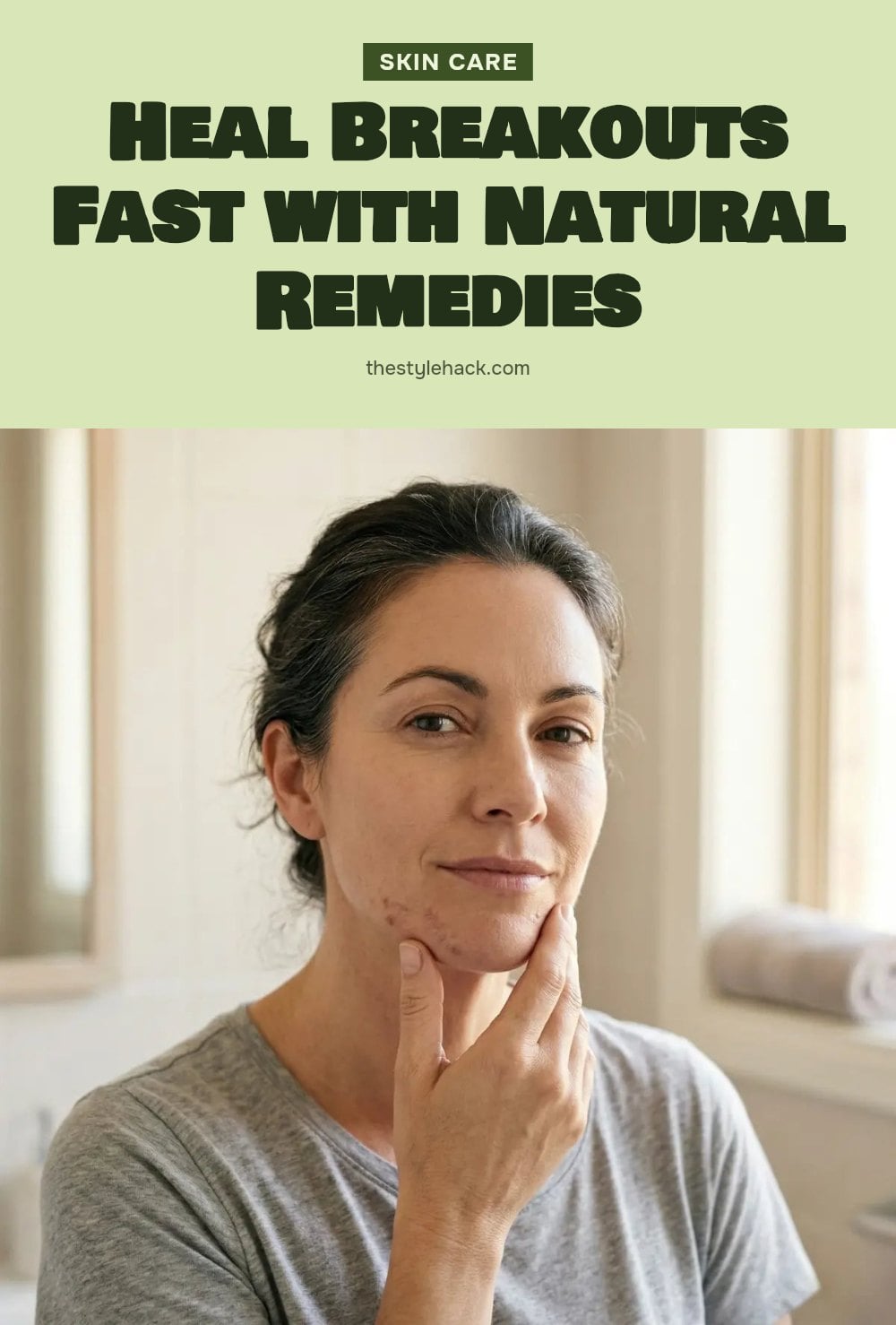
Waking up to a fresh breakout is never fun. You want it gone, and you want it gone now. While there’s no magic overnight fix, the right natural remedies and consistent habits can calm inflammation, clear blemishes, and stop new ones in their tracks. This article covers what causes breakouts, fast-acting natural treatments, common mistakes to avoid, and daily habits that keep your skin clearer over time.
Key Takeaways
- Cleanse twice daily with a gentle, non-comedogenic cleanser to remove oil and bacteria.
- Apply a cold compress for 1-2 minutes to reduce swelling and redness.
- Use diluted tea tree oil or raw honey as a spot treatment for breakouts.
- Moisturize even oily skin with a lightweight, non-comedogenic product.
- See a dermatologist if breakouts are severe, persistent, or include painful cysts.
1. What Causes Breakouts and How to Treat Them Quickly
Breakouts happen when pores get clogged with oil, dead skin, and bacteria, which triggers inflammation and those red, swollen bumps you want gone fast. Quick treatment focuses on reducing that inflammation and clearing the pores, but consistency is what actually delivers lasting results. Natural remedies like tea tree oil and aloe vera can soothe and treat blemishes effectively, so you don’t need a harsh chemical routine to see progress.
2. Why Breakouts Appear: Understanding the Root Causes
Breakouts don’t appear out of nowhere. The root causes are pretty straightforward, and knowing them helps you pick the right approach.
3. Primary culprits
- Excess sebum: Your skin produces too much oil, which can mix with dead skin cells and block hair follicles.
- Dead skin buildup: When cells don’t shed properly, they accumulate and clog pores.
- Bacteria: Propionibacterium acnes thrives in clogged pores and triggers inflammation.
4. Triggers that worsen breakouts
Hormonal changes, stress, certain foods, and some medications can all make breakouts more frequent or severe. Inflammation is the common thread, causing the redness and swelling you see. Understanding these factors means you can address both the immediate breakout and what’s driving it.
5. Your Skincare Arsenal: Essential Tools and Natural Remedies
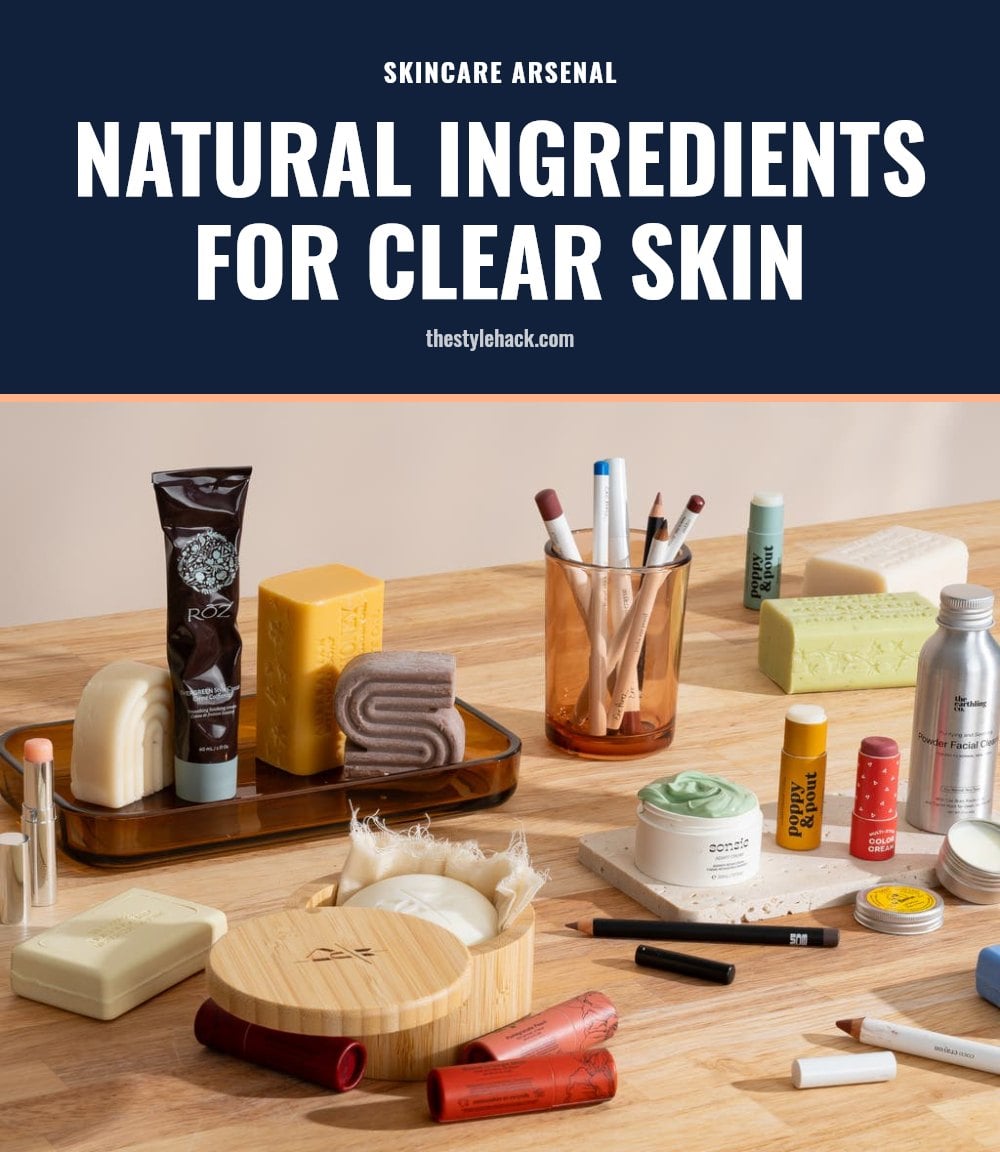
Before you start treating, gather a few basics that actually work. Here’s what I keep on hand and why.
- Gentle cleanser: A non-comedogenic formula removes dirt without stripping your skin’s natural barrier.
- Non-comedogenic moisturizer: Hydration is non-negotiable, even for oily skin, to keep your barrier healthy.
- Tea tree oil (diluted): A potent spot treatment with antimicrobial and anti-inflammatory properties.
- Raw honey: A natural antibacterial that also calms redness.
- Aloe vera gel: Pure gel soothes inflamed skin and promotes healing.
- Witch hazel: An astringent that helps reduce oiliness and inflammation.
- Green tea bags: Steeped and cooled, they make a compress rich in antioxidants.
6. Fast-Acting Natural Remedies to Calm and Clear Breakouts

When a breakout flares, you want relief now. These five methods target swelling, bacteria, and oil without harsh chemicals.
7. Cold compress
Wrap an ice cube or cold pack in a clean cloth and hold it on the blemish for 1-2 minutes. The cold constricts blood vessels, immediately reducing swelling and redness. Repeat a few times a day.
8. Diluted tea tree oil
Mix 1 drop of tea tree oil with 9 drops of a carrier oil like jojoba or coconut. Dip a cotton swab and apply directly to the spot. Leave it on for 15-20 minutes, then rinse.
Caution: Never apply tea tree oil undiluted, it can cause burns. Patch test on your inner arm first.
9. Pure aloe vera gel
Scoop fresh gel from a leaf or use a store-bought version with minimal ingredients. Apply a thin layer over the breakout and leave it on for 15-20 minutes before rinsing. Aloe’s anti-inflammatory properties calm redness and speed healing.
10. Honey mask
Spread raw honey over your face or just on affected areas. Leave for 15-20 minutes, then rinse with warm water. Honey’s antibacterial action fights bacteria while reducing inflammation.
Tip: Use a thin layer so it doesn’t drip, and relax while it works.
11. Green tea compress
Steep a green tea bag in hot water for 3-5 minutes, let it cool, then place the bag directly on the breakout for 10 minutes. The antioxidants and anti-inflammatory compounds help reduce oil and calm irritation.
Pro move: Keep brewed green tea in the fridge for a quick, cool compress anytime.
12. Common Breakout Mistakes to Avoid for Faster Healing
Picking or squeezing: This is the number one mistake. It pushes bacteria deeper, worsens inflammation, and almost guarantees a scar that takes weeks to fade. Leave the pimple alone and treat it instead.
Over-exfoliating: Scrubbing hard or using a harsh scrub strips your skin barrier. That triggers more oil production and more breakouts. Stick to gentle exfoliation once or twice a week.
Skipping moisturizer: Oily skin needs hydration too. Without it, your skin overcompensates by producing even more sebum. A lightweight, non-comedogenic moisturizer keeps the barrier healthy.
Too many actives: Layering salicylic acid, benzoyl peroxide, and retinoids at once irritates your skin and causes redness. Pick one targeted treatment and use it consistently.
Expecting instant results: No remedy works overnight. If you don’t see change in a day or two, don’t switch products. Consistency over weeks is what actually clears breakouts.
13. Preventing Future Breakouts: Daily Habits for Clear Skin
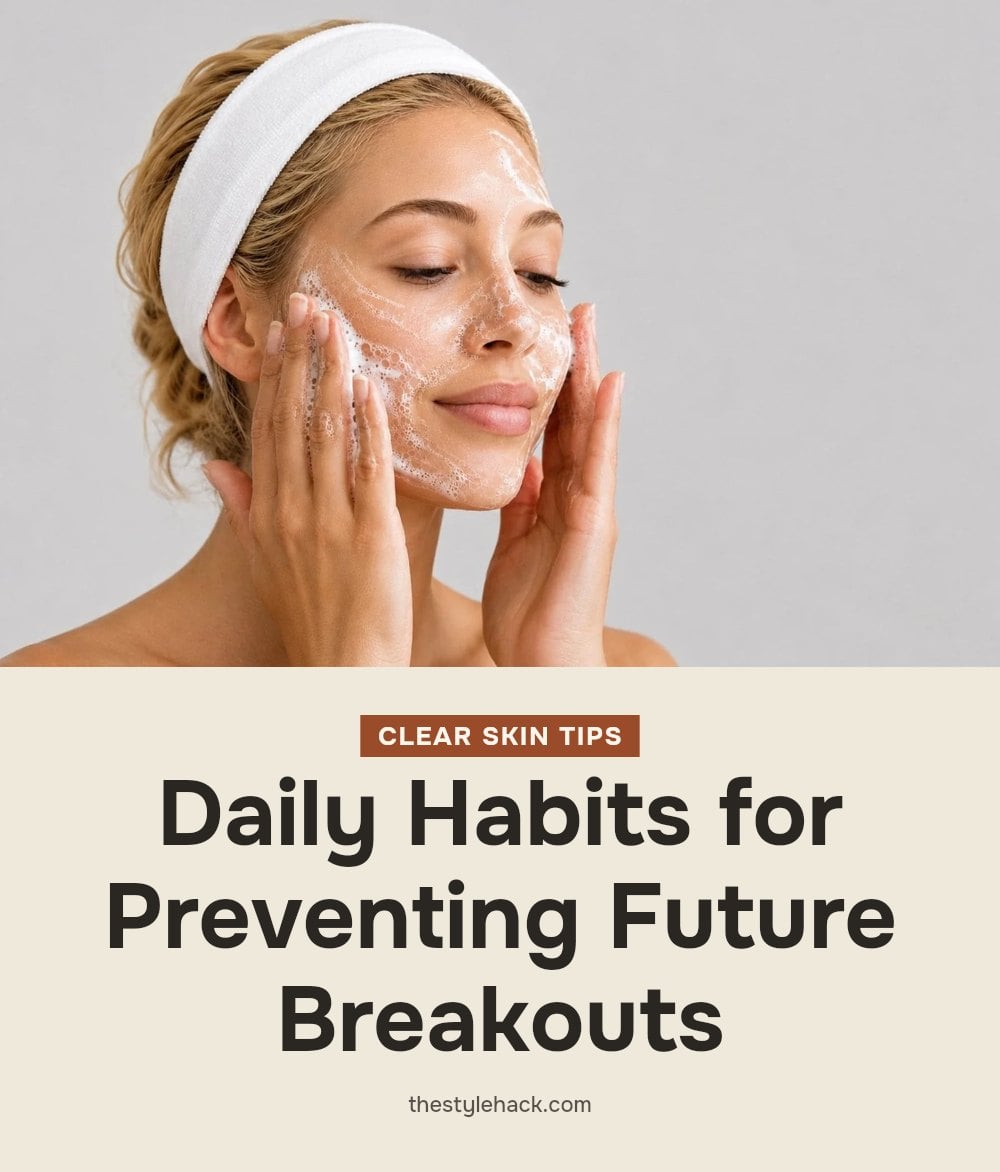
Build these habits into your routine and breakouts become less frequent over time.
- Cleanse twice daily: Use a gentle, non-comedogenic cleanser morning and night. This removes excess oil and bacteria without stripping your skin.
- Moisturize every time: Even oily skin needs a lightweight moisturizer to support the skin barrier and prevent rebound oiliness.
- Change pillowcases weekly: Pillowcases collect oil, dead skin, and bacteria from your face. A fresh set reduces exposure overnight.
- Stay hydrated and eat well: Water supports skin function. A balanced diet with fruits, vegetables, and whole grains can help keep breakouts in check.
- Keep hands off your face: Touching transfers dirt and bacteria. Always remove makeup before bed to let your skin breathe and repair.
14. When to See a Dermatologist for Persistent Breakouts
Natural remedies and consistent routines work for most mild to moderate breakouts, but sometimes professional help is needed. See a dermatologist if your breakouts are severe, persistent, or include deep, painful cysts that don’t respond to home care. Also consult a doctor if natural treatments and over-the-counter products haven’t made a difference after several weeks. If you notice significant scarring or discoloration from breakouts, a dermatologist can recommend treatments to minimize damage. Sudden, widespread breakouts with no clear cause also warrant a professional evaluation to rule out underlying issues.
15. Frequently Asked Questions
16. How long do natural remedies take to work on breakouts?
Results vary from person to person. Some people notice minor improvements within a few days, while significant changes may take several weeks of consistent application. Patience is key, and combining remedies with daily skincare habits gives you the best chance of seeing progress.
17. Can diet really affect my breakouts?
Yes, diet can play a role. Eating a balanced diet rich in fruits, vegetables, and whole grains supports overall skin health. Some people find that certain foods, like dairy or high-glycemic items, trigger breakouts, but it’s not the same for everyone. Pay attention to what your skin does after certain meals.
18. Is it okay to wear makeup if I have a breakout?
You can wear makeup, but choose non-comedogenic products that won’t clog pores. Make sure to remove all makeup before bed, as sleeping with it on can worsen breakouts. If a breakout is inflamed, giving your skin a break from makeup may help it heal faster.
19. What’s the difference between a breakout and acne?
A breakout is a single flare-up of pimples, blackheads, or whiteheads, often triggered by stress, hormones, or diet. Acne is a chronic skin condition that causes recurring breakouts over time. Breakouts can be a symptom of acne, but not everyone who gets an occasional breakout has acne.
20. Can stress cause breakouts?
Yes, stress can exacerbate breakouts. When you’re stressed, your body produces more hormones that can increase oil production and inflammation, leading to more frequent or severe breakouts. Managing stress through relaxation techniques, exercise, or adequate sleep may help reduce flare-ups.
21. Final Thoughts
Healing a breakout fast comes down to calming inflammation, keeping pores clear, and avoiding the mistakes that make things worse. My tip: build a simple routine with a gentle cleanser, a lightweight moisturizer, and a natural spot treatment like tea tree oil or honey, and stick with it. Expect minor improvements within a few days, but give it several weeks of consistent care for significant changes. If your breakouts are severe or painful, don’t hesitate to see a dermatologist.
This article is for general information only and is not a substitute for professional medical advice. If you have severe, persistent, or painful breakouts, or if natural remedies cause irritation, consult a dermatologist or healthcare provider for personalized guidance.
More Blog ideas
- How to Heal Chapped Lips Overnight with Simple Steps
- Atomic Habits: 5 Lessons to Build Better Habits
- Hyaluronic Acid for Beginners
- How to Build a Gentle Skincare Routine for Sensitive Skin
- Beat Frizzy Hair: Easy Remedies for Smooth, Shiny Strands
- How to Increase Your Daily Drinking Water Intake
- Washing Hair Mistakes to Avoid and What to Do Instead
- Bleaching Hair Tips for Less Damage
- How to Make Your Body Mist Last Longer All Day
- How to Fix Your Skincare Routine
- Nervous System Regulation Tips
- Vagus Nerve Exercises for Stress Relief






