How to Build a Body Care Routine that Feels Like a Spa
Transform your skin with a luxurious body care routine. Learn the essential steps, products, and tips for hydrated, smooth, and radiant skin.

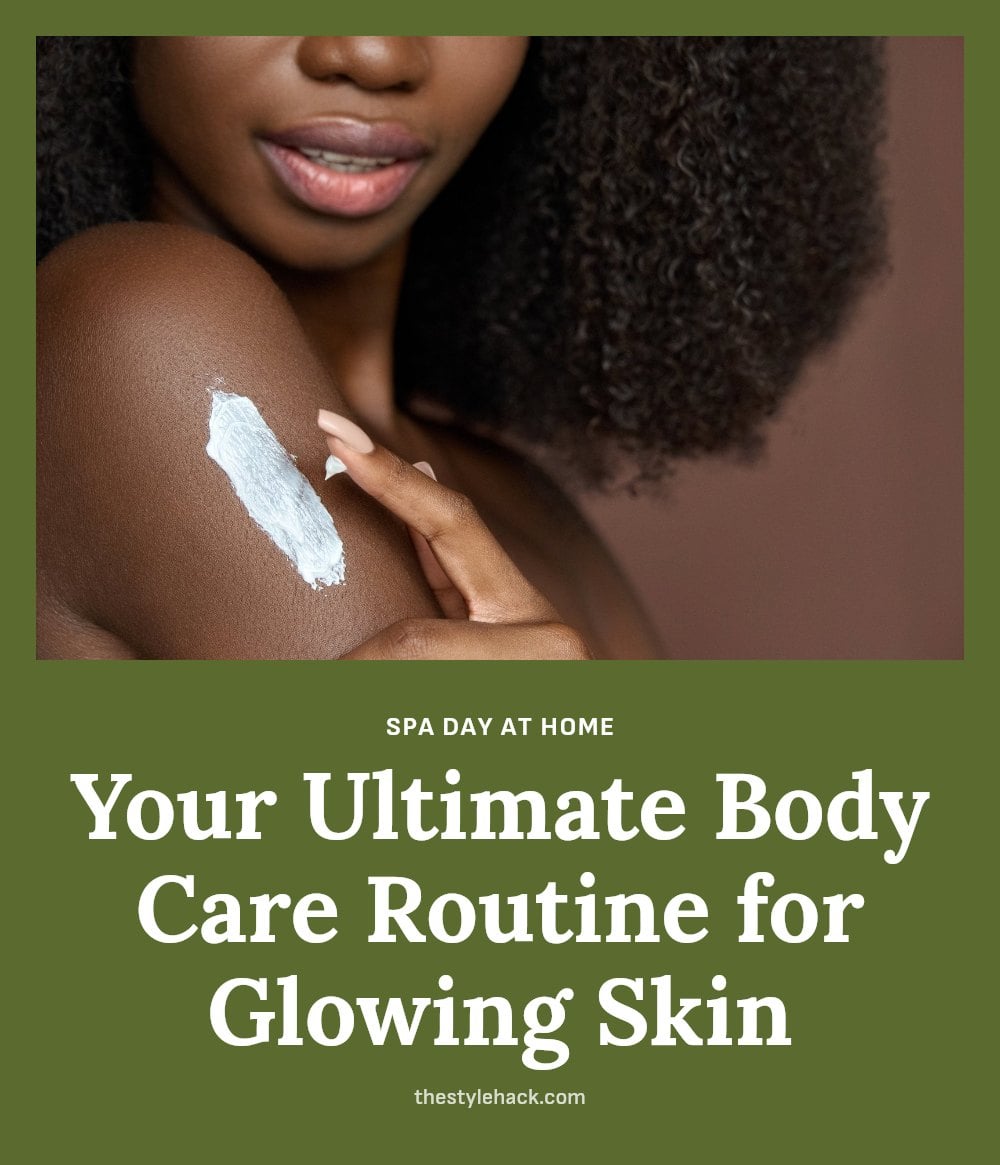
You already have a skincare routine for your face, but what about the rest of your body? Your body’s skin is just as important, and it deserves the same kind of attention. A simple body care routine can keep your skin smooth, hydrated, and protected, and it can even feel like a mini spa session at home.
In this article, I’ll walk you through the essential steps, the tools you’ll need, and some tips to make your routine feel luxurious. You’ll also learn how to avoid common mistakes and when to see a dermatologist.
Key Takeaways
- Cleanse daily with lukewarm water and a gentle, pH-balanced body wash.
- Exfoliate 1-3 times per week to remove dead skin cells.
- Moisturize immediately after showering while skin is still damp.
- Apply broad-spectrum SPF 30 or higher to exposed skin daily.
- Expect smoother, more hydrated skin within a few weeks of consistency.
1. What is a Body Care Routine?
Think of a body care routine as the skincare routine you already know and love, but for your entire body. It’s a structured sequence of cleansing, exfoliating, moisturizing, and protecting your skin to maintain its health and appearance. The goal is to address concerns like dryness and rough texture while promoting overall well-being and that spa-like feeling from head to toe.
2. Your Essential Body Care Toolkit
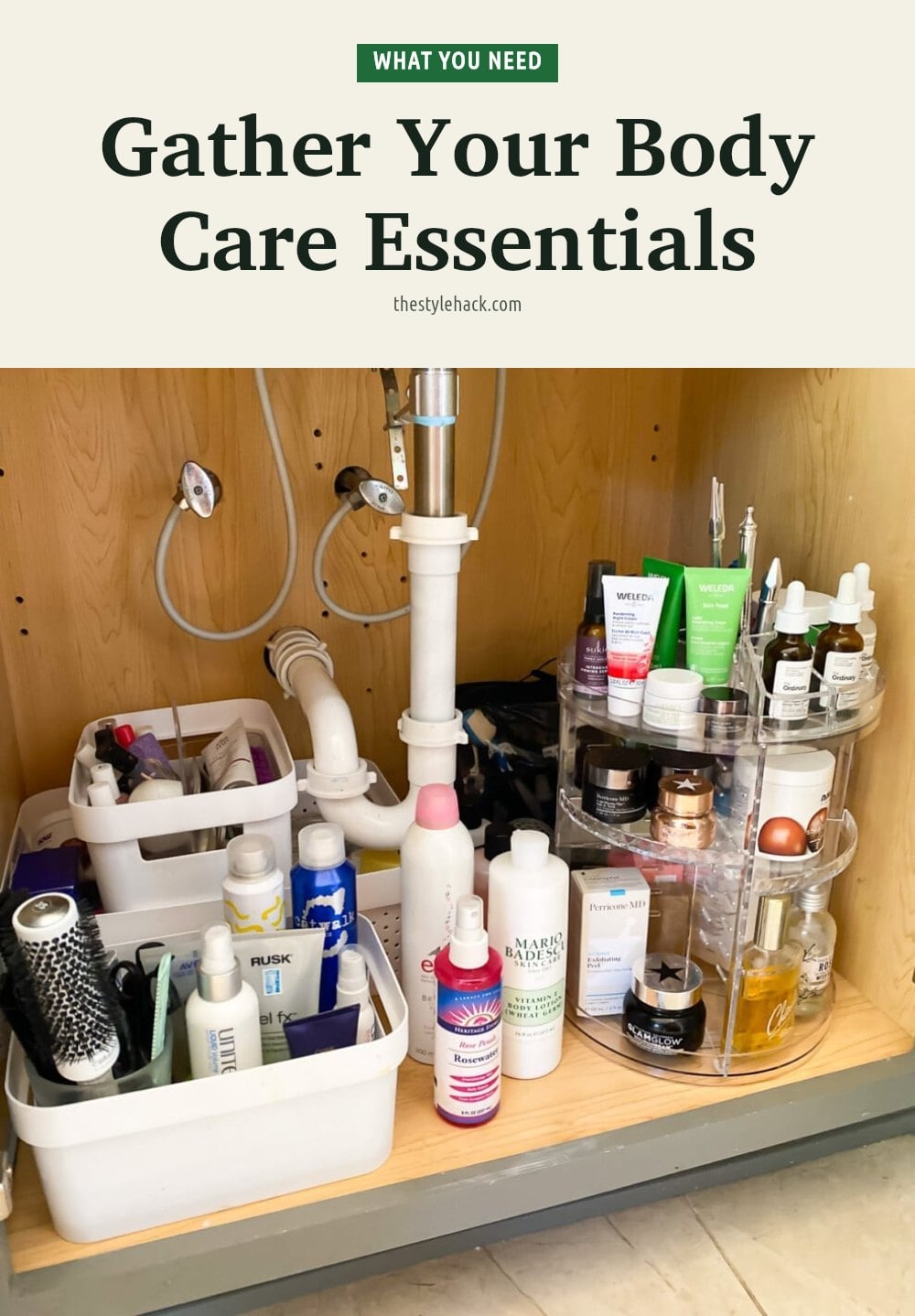
Building your body care routine starts with the right tools. Here are the essentials you’ll want in your kit:
- Gentle body cleanser: Choose one that respects your skin’s natural pH, typically between 4.7 and 5.75.
- Body exfoliator: A physical scrub or a chemical exfoliant for smoother skin.
- Body moisturizer: A lotion, cream, or butter to lock in hydration.
- Body oil: For an extra layer of moisture, especially on damp skin.
- Sunscreen: Broad-spectrum SPF 30+ for exposed skin.
- Exfoliating tool: A loofah, washcloth, or mitt to aid in exfoliation.
3. Your Step-by-Step Spa-Like Body Care Ritual

- Cleanse with lukewarm water: Start your shower with lukewarm water, not hot, because hot water strips your skin’s natural oils and disrupts its slightly acidic pH (4.7 to 5.75). Use a gentle body wash to remove dirt, sweat, and oil without damaging the moisture barrier.
- Exfoliate 1-3 times a week: After cleansing, exfoliate to slough off dead skin cells and prevent clogged pores. Use a physical scrub or a chemical exfoliant, and limit this step to 1-3 times per week to avoid irritation. Focus on rough areas like elbows and knees.
- Moisturize on damp skin: Right after you pat dry, apply your body lotion, cream, or butter while your skin is still damp. This locks in hydration more effectively than applying to dry skin. Choose a formula that matches your skin type, lighter lotions for oily skin, richer creams for dry skin.
- Protect with SPF 30+ daily: Finish by applying a broad-spectrum sunscreen with SPF 30 or higher to any exposed body parts, even on cloudy days. This prevents UV damage that leads to premature aging and skin cancer. Reapply every two hours if you’re outdoors.
4. Top Tips for a Luxurious Body Care Experience

Take your routine from basic to luxurious with these tips.
- Dry brush on non-exfoliating days: Before showering, use a dry brush with gentle strokes toward your heart to stimulate circulation and lymphatic drainage. Skip it on days you exfoliate to avoid over-scrubbing.
- Layer body oil after moisturizer: Apply your moisturizer to damp skin, let it absorb for a minute, then pat dry. Follow with body oil to seal in hydration and lock moisture longer.
- Use targeted treatments: Body masks or specialized treatments can address specific concerns like rough patches on elbows or dullness on legs. Apply them once or twice a week for an extra boost.
- Stay consistent: Make your routine a daily ritual. Visible results for smoother, more hydrated skin appear within a few weeks of consistent practice.
5. Common Body Care Blunders to Avoid
Using harsh cleansers is a common mistake. Avoid soaps that strip natural oils; instead, choose gentle, pH-balanced formulas that respect your skin’s natural acidity (4.7 to 5.75). Over-exfoliating is another blunder. Limit exfoliation to 1-3 times per week to prevent irritation and barrier damage. Tip: If your skin feels tight or looks red, you are exfoliating too often.
Skipping moisturizer is a no-go even if your skin doesn’t feel dry. Always moisturize to maintain hydration. Neglecting sun protection is a serious error. Apply broad-spectrum SPF 30+ to all exposed body parts daily, even on cloudy days. Finally, don’t ignore specific areas like hands, feet, elbows, and knees. These often need extra care, so give them an extra layer of moisturizer or a targeted treatment.
6. How Long Does a Body Care Routine Take and When Will You See Results?
A basic body care routine takes 5-10 minutes each day. Exfoliation adds a few extra minutes 1-3 times per week. With consistent practice, you can expect to see smoother, more hydrated skin within a few weeks. Cost varies widely. You can build an effective routine with budget-friendly drug store options or choose more luxurious spa-grade products. The key is consistency, not the price tag.
7. When to Consult a Dermatologist
Consult a dermatologist if you experience persistent redness, itching, burning, or a rash that doesn’t resolve. If you have a pre-existing condition like eczema or psoriasis, talk to a professional before introducing new products. Also seek advice for specific skin concerns that don’t improve with a regular routine, such as persistent keratosis pilaris or severe dryness.
8. Frequently Asked Questions
9. How often should I exfoliate my body?
Exfoliate your body 1 to 3 times per week, depending on your skin type and the product you use. If you have sensitive skin, start with once a week and see how your skin responds. Over-exfoliating can cause irritation, so it’s better to err on the side of caution.
10. Can I use facial products on my body?
You can, but it’s not always ideal. Facial products are often more expensive and may not be formulated for larger areas. They might also be too heavy or too light for body skin. It’s usually better to choose products specifically designed for the body, which can be more cost-effective and suited to your body’s needs.
11. What’s the best way to moisturize really dry skin?
For very dry skin, apply a rich body cream or butter immediately after showering while your skin is still damp. This helps lock in moisture. You can also follow with a body oil to seal in hydration. Consider using a humidifier in dry environments and avoid hot showers, which can worsen dryness.
12. Is dry brushing really effective for skin health?
Dry brushing is believed by some to improve circulation and lymphatic drainage, though scientific evidence is limited. It can also help exfoliate and leave your skin feeling smooth. If you try it, use gentle strokes toward your heart and avoid broken or irritated skin.
13. How can I make my body care routine more sustainable?
To make your routine more sustainable, choose products with minimal packaging or refillable options. Look for bars of soap or shampoo instead of bottled liquids. Also, use a washcloth or loofah instead of disposable wipes, and consider buying in bulk to reduce waste.
14. Final Thoughts
Building a body care routine doesn’t have to be complicated. Start with the basics: cleanse, exfoliate, moisturize, and protect. Choose products that suit your skin type and remember to be gentle, especially with exfoliation and water temperature.
With consistent effort, you’ll likely notice smoother, healthier skin in just a few weeks. If you have persistent skin issues, don’t hesitate to consult a dermatologist. Your body works hard for you, so give it the care it deserves.
This article is for general informational purposes only and is not a substitute for professional medical advice. Always consult a dermatologist or healthcare provider if you have persistent skin issues, allergies, or underlying conditions. Stop using any product that causes irritation and seek medical help if needed.
More Blog ideas
- How to Heal Chapped Lips Overnight with Simple Steps
- Atomic Habits: 5 Lessons to Build Better Habits
- Hyaluronic Acid for Beginners
- How to Build a Gentle Skincare Routine for Sensitive Skin
- Beat Frizzy Hair: Easy Remedies for Smooth, Shiny Strands
- How to Increase Your Daily Drinking Water Intake
- Washing Hair Mistakes to Avoid and What to Do Instead
- Bleaching Hair Tips for Less Damage
- How to Make Your Body Mist Last Longer All Day
- How to Fix Your Skincare Routine
- Nervous System Regulation Tips
- Vagus Nerve Exercises for Stress Relief