Best Cardio Workouts for Weight Loss at Home
Discover the 8 best cardio workouts you can do at home for effective weight loss, with a weekly plan and tips for staying consistent.

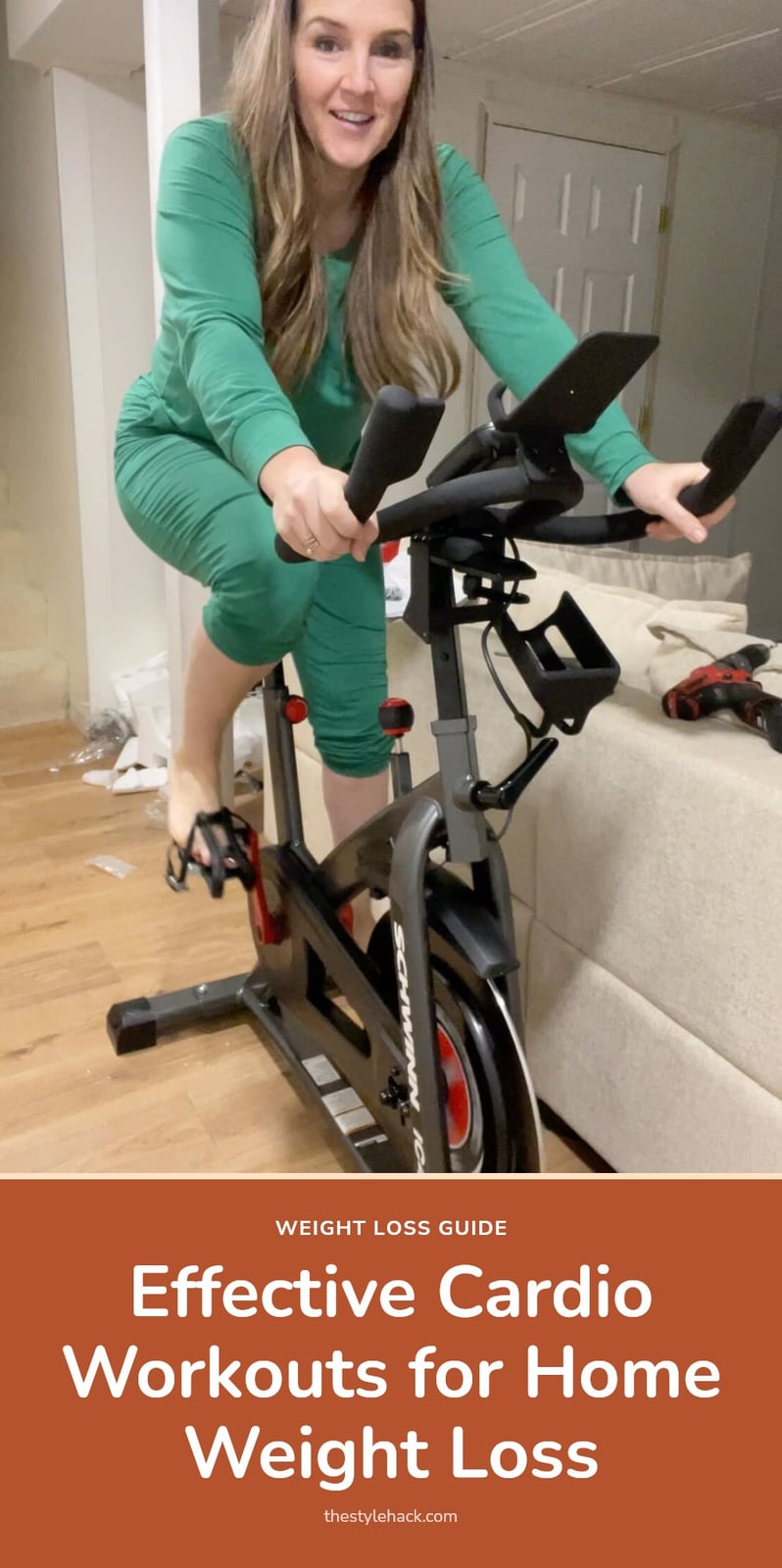
When you’re aiming to lose weight at home, cardio is a powerful tool, but not all cardio is created equal. The most effective at-home workouts are those that get your heart rate up quickly and keep it there, like HIIT and bodyweight circuits. This article covers the best cardio moves you can do in your living room, a weekly plan to keep you on track, and the mistakes to avoid for real results.
Key Takeaways
- Aim for at least 150 minutes of moderate cardio per week, or 75 minutes of vigorous intensity.
- Combine cardio with strength training for more effective weight loss than cardio alone.
- Use the talk test: you can talk but not sing during moderate intensity.
- Always warm up for 5-10 minutes and cool down with static stretches afterward.
- Consistency beats intensity, especially for beginners, so pick activities you enjoy.
1. The Best Cardio Workouts for Weight Loss at Home
When you want to lose weight at home, effective cardio comes down to exercises that get your heart rate up without needing a gym. High-intensity interval training (HIIT) and bodyweight circuits are especially efficient because they alternate bursts of effort with short rests, burning more calories in less time than steady-state cardio. Consistency and proper form matter more than pushing yourself to exhaustion every session. For the best results, pair your cardio with a balanced diet and two or three days of strength training each week.
2. 1. Warm-Up: Arm Circles and Leg Swings
Stand with your feet hip-width apart. Make small circles with your arms, gradually making them larger, then reverse the direction. Next, hold onto a wall or chair and gently swing one leg forward and backward, then side to side, keeping your core tight. Do 10 to 15 reps per leg.
- Sets: 1 round of each movement
- Form cue: Keep your shoulders relaxed and your torso still during leg swings
- Make it easier: Reduce the range of motion and slow down the movement
3. 2. Jumping Jacks
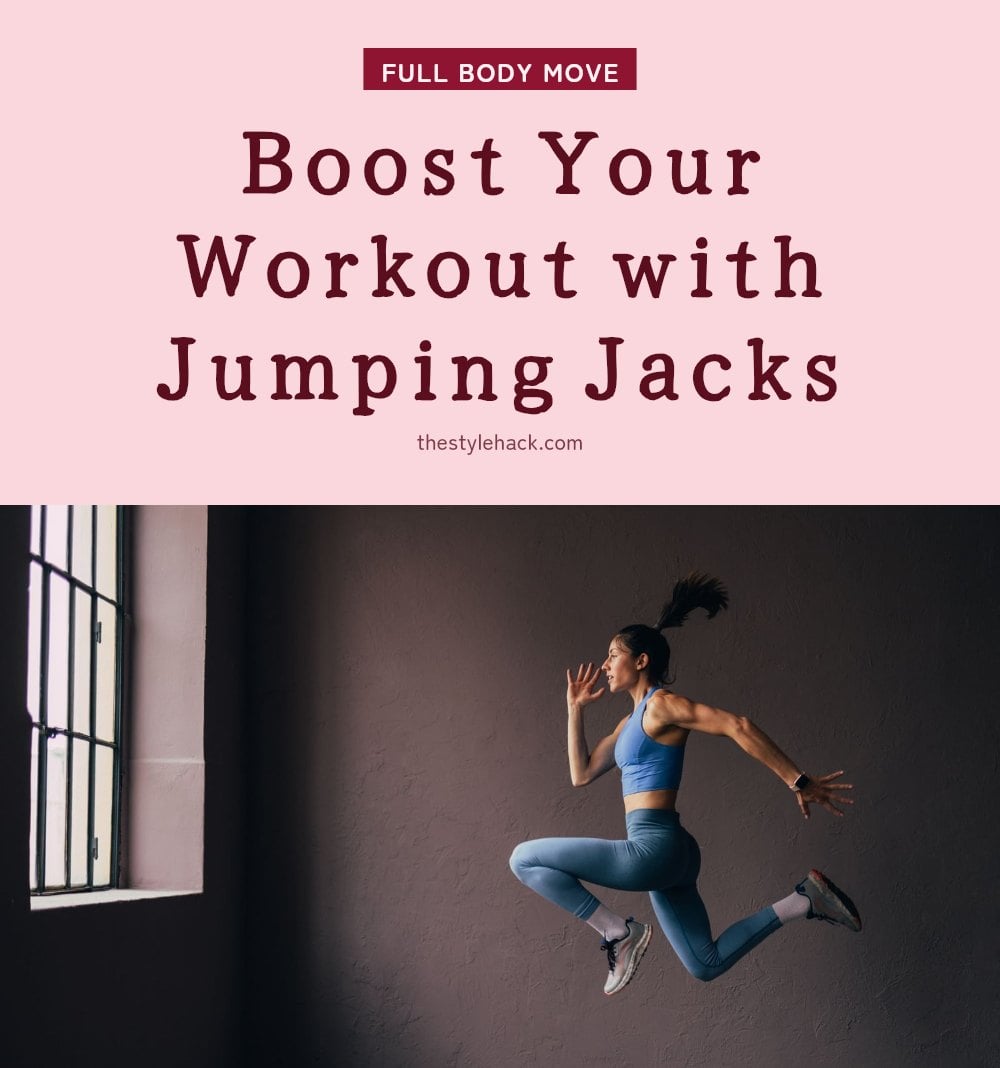
Start with your feet together and arms at your sides. Jump and spread your feet wider than shoulder-width while raising your arms overhead. Land softly and immediately jump back to the starting position with control.
- Time or reps: 3 sets of 30-60 seconds or 15-20 reps per set
- Form cue: Land with your knees slightly bent to absorb impact
- Make it easier: Step out one foot at a time instead of jumping
4. 3. High Knees
Run in place, driving your knees up toward your chest as high as you comfortably can. Pump your arms in sync with your legs, just like you are sprinting. Keep your footfalls light and quick.
- Time: 3 sets of 30-45 seconds
- Form cue: Keep your core engaged and your torso upright
- Make it easier: March in place, lifting your knees only to hip height
5. 4. Mountain Climbers
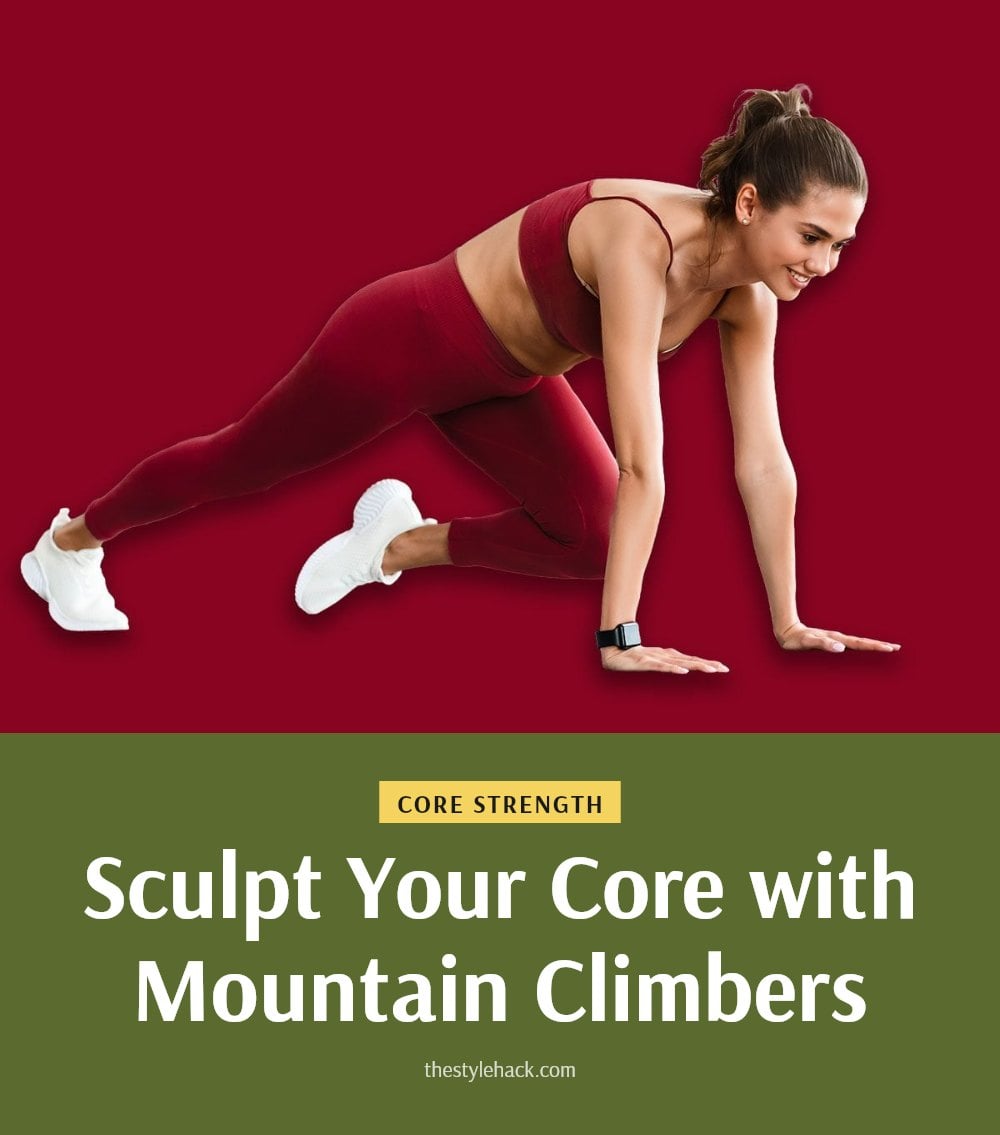
Start in a plank position with your hands directly under your shoulders and your body in a straight line from head to heels. Alternate bringing one knee toward your chest, then quickly switch legs as if running in place. Keep your hips stable and your core tight throughout the movement.
- Time: 3 sets of 30-60 seconds, resting 30 seconds between sets.
- Form cue: Keep your shoulders over your wrists and avoid letting your hips sag or pike up.
- Make it easier or harder: Slow the pace for less intensity or speed up for a challenge. To modify, step feet back one at a time instead of jumping.
6. 5. Burpees (Modified)
Squat down and place both hands flat on the floor, shoulder-width apart. Step or jump your feet back into a plank position, keeping your body in a straight line. Step or jump your feet forward to meet your hands, then stand up to finish one rep.
- Sets and reps: 3 sets of 8-12 reps, moving at a steady pace.
- Form cue: Keep your core tight and back flat during the plank phase.
- Make it easier or harder: Step feet back instead of jumping, or add a push-up at the bottom for more challenge.
7. 6. Dancing or Zumba
Put on your favorite upbeat music and move freely, or follow an online dance workout video. Focus on continuous movement that keeps your heart rate up. You can pause for a sip of water and jump back in.
- Time: 20-30 minutes, allowing natural breaks as needed.
- Form cue: Keep your core engaged and arms moving to maximize calorie burn.
- Make it easier or harder: Slow your pace for lower intensity, or add more jumps and faster footwork for higher intensity.
8. 7. Jump Rope (Imaginary or Real)
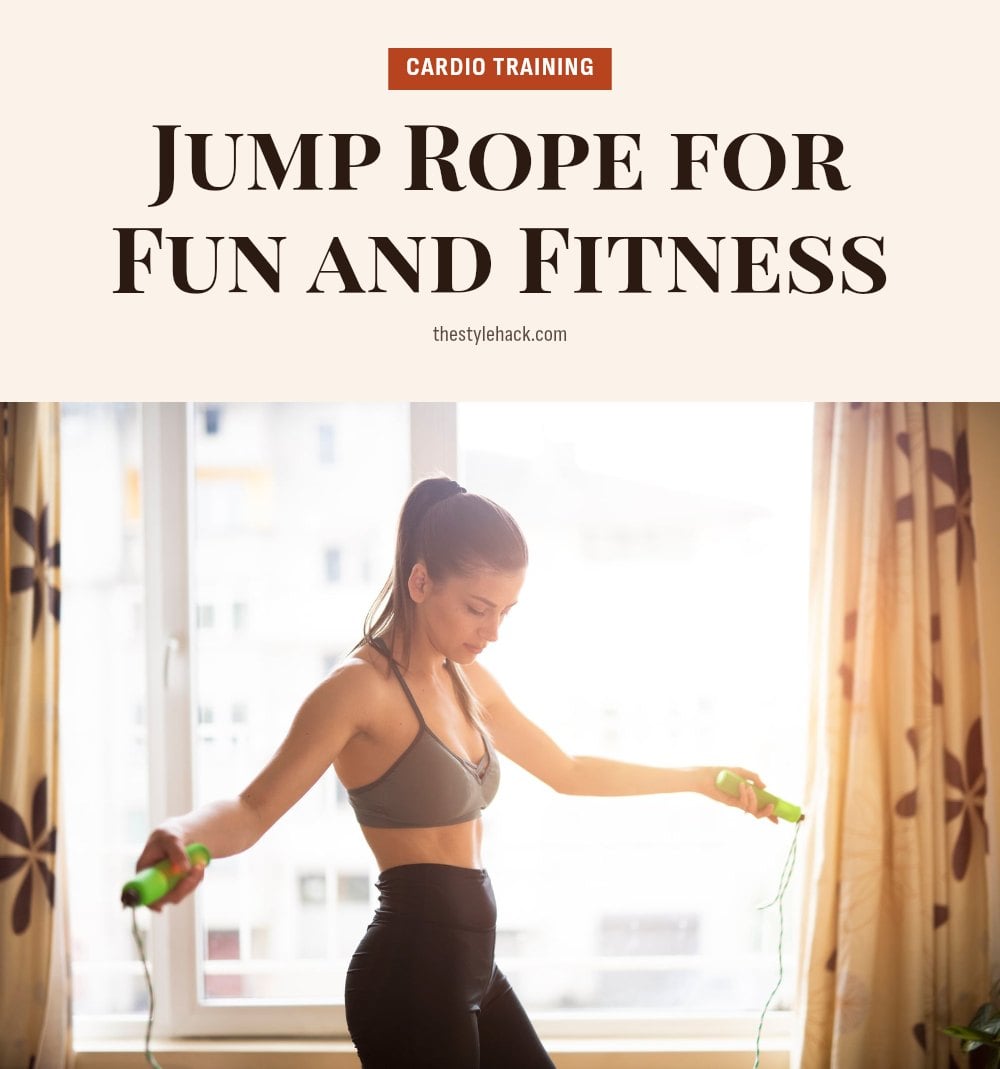
If you have a jump rope, use it. If not, mimic the motion with your arms and jump lightly, keeping your feet close to the ground. Focus on using your wrists to turn the “rope” rather than your whole arms, which saves energy and keeps a steady pace.
- Time: 3 sets of 60-90 seconds, with 30-45 seconds of rest between sets.
- Form cue: Keep your jumps low and your core tight. Land softly on the balls of your feet.
- Make it easier or harder: Slow your rhythm or jump on one foot at a time to reduce intensity. To increase it, speed up the rope turns or add a double under (two rope rotations per jump).
9. 8. Cool-Down: Static Stretches
Finish every workout with gentle static stretches to help your muscles recover and your heart rate return to normal. Hold each stretch for 20-30 seconds without bouncing, and breathe deeply throughout.
- Time: 5-10 minutes total, holding each stretch for 20-30 seconds.
- Form cue: Stretch to the point of mild tension, not pain. Keep your movements slow and controlled.
- Make it easier or harder: For a deeper hamstring stretch, bend your knee slightly. For a gentler quad stretch, hold onto a wall for balance.
10. Weekly At-Home Cardio Plan for Weight Loss
This weekly plan mixes moderate and vigorous cardio to keep your body guessing and maximize calorie burn. Always start with a warm-up and end with a cool-down. Listen to your body and swap days or take extra rest if needed.
| Day | Workout | Intensity |
|---|---|---|
| Monday | 30 min dancing or Zumba | Moderate |
| Tuesday | 20 min HIIT: 40 sec work, 20 sec rest (jumping jacks, high knees, mountain climbers, burpees) | Vigorous |
| Wednesday | Rest or gentle walk | |
| Thursday | 30 min jump rope (real or imaginary) | Moderate to vigorous |
| Friday | 20 min HIIT: same format as Tuesday, vary exercises | Vigorous |
| Saturday | 35 min dance or bodyweight circuit (mix of jumping jacks, high knees, mountain climbers) | Moderate |
| Sunday | Rest or gentle stretching |
Combine this plan with a balanced diet for the best weight loss results.
11. Common Cardio Mistakes to Avoid for Weight Loss
Even with a solid plan, a few common mistakes can slow your progress or cause injury. Here is what to watch for and how to fix it.
- Only doing low-intensity cardio: Steady-state walking is great for health, but for weight loss you need moderate to vigorous intensity. Use the talk test: you should be able to talk but not sing during moderate effort, and only say a few words during vigorous effort.
- Neglecting proper form: Poor form reduces effectiveness and raises injury risk. Watch a video of the exercise or use a mirror to check your posture, especially for moves like burpees and mountain climbers.
- Not challenging yourself enough: As your fitness improves, your workouts need to keep up. Gradually increase duration, intensity, or complexity so your body continues to adapt.
- Skipping warm-up and cool-down: A 5-minute warm-up prepares your muscles and heart for work, and a 5-minute cool-down helps recovery. Skipping them increases injury risk and can slow recovery.
- Ignoring pain: Muscle fatigue during a hard set is normal. Sharp, sudden pain is not. Stop immediately if you feel it, and consult a professional if it persists.
12. Frequently Asked Questions
13. How often should I do cardio for weight loss?
For weight loss, aim for at least 150 minutes of moderate-intensity cardio per week, which can be broken into 30-minute sessions five days a week. If you prefer vigorous workouts like HIIT, 75 minutes weekly is enough. Consistency matters more than cramming it all into one day, so spread it out and listen to your body.
14. Can I lose weight with cardio alone?
Yes, you can lose weight with cardio alone, but it’s generally more effective when combined with strength training. Cardio burns calories, while strength training builds muscle, which boosts your metabolism. For optimal results, include both in your routine and pair them with a healthy, balanced diet.
15. What is the ‘talk test’ for cardio intensity?
The talk test is a simple way to gauge your intensity. During moderate exercise, you should be able to talk but not sing. If you’re working vigorously, you’ll only manage a few words before needing a breath. Adjust your pace to hit the right zone for your goals.
16. How long does it take to see weight loss results from cardio?
Visible weight loss from cardio typically appears after several weeks to months of consistent effort, especially when combined with dietary changes. Everyone is different, so focus on how you feel and your endurance improving. If you’re not seeing changes after a few months, consider increasing intensity or adjusting your diet.
17. Final Thoughts
For sustainable weight loss at home, mix moderate and vigorous cardio throughout the week, and pair it with strength training and a balanced diet. Expect visible results after several weeks to months of consistent effort, not overnight. My tip: choose the workouts you actually look forward to, whether that’s dancing, jumping rope, or burpees, and stick with the plan. Your future self will thank you.
This article is for general information only and is not medical or professional advice. Before starting any new exercise program, especially if you have health conditions or concerns, consult a doctor. If you experience chest pain, severe dizziness, or sudden joint pain, stop exercising and seek medical help.
More Blog ideas
- How to Heal Chapped Lips Overnight with Simple Steps
- Atomic Habits: 5 Lessons to Build Better Habits
- Hyaluronic Acid for Beginners
- How to Build a Gentle Skincare Routine for Sensitive Skin
- Beat Frizzy Hair: Easy Remedies for Smooth, Shiny Strands
- How to Increase Your Daily Drinking Water Intake
- Washing Hair Mistakes to Avoid and What to Do Instead
- Bleaching Hair Tips for Less Damage
- How to Make Your Body Mist Last Longer All Day
- How to Fix Your Skincare Routine
- Nervous System Regulation Tips
- Vagus Nerve Exercises for Stress Relief






