11 Clear Skin Habits to Start Today for a Radiant Glow
Discover 12 simple yet effective clear skin habits you can start today. Learn practical tips for a healthy, radiant complexion and address common skin concerns.

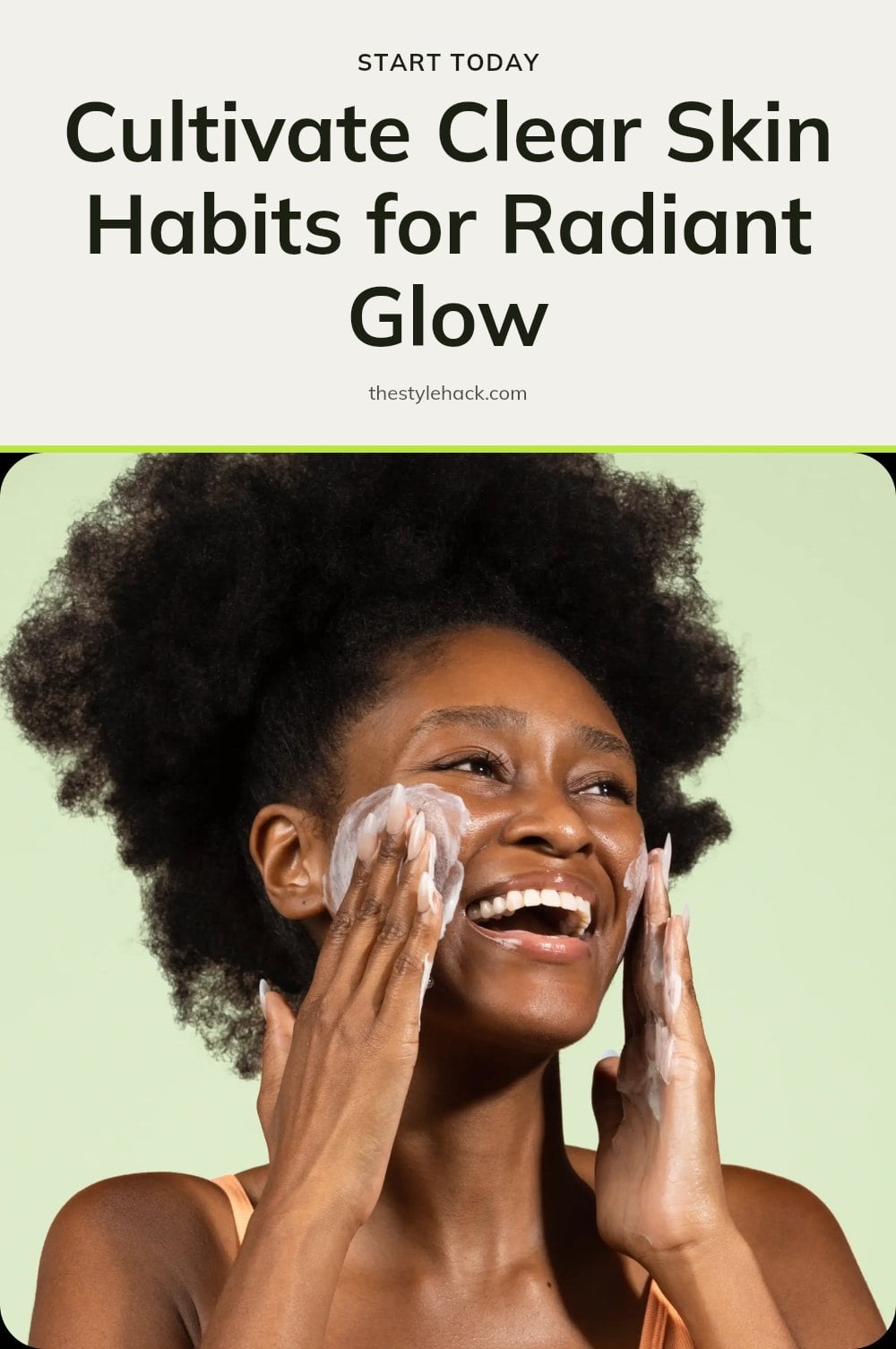
You’ve probably tried a dozen products promising clear skin overnight, but the real secret isn’t in a bottle. It’s the small, daily habits that add up to a healthy, radiant complexion. This article breaks down 11 practical steps you can start today, from your morning cleanse to your pillowcase swap, so you can build a routine that actually works for you.
Key Takeaways
- Cleanse your face twice daily with a gentle, non-comedogenic cleanser.
- Apply broad-spectrum sunscreen with SPF 30 or higher every morning.
- Exfoliate gently 1 to 3 times per week to promote cell turnover.
- Change your pillowcase at least once a week to reduce bacteria buildup.
- Consult a dermatologist if breakouts are severe or persist for months.
01. Achieving Clear Skin: Your Daily Guide
Clear skin comes from a daily routine you can actually stick to, not from chasing quick fixes. The foundation is simple: gently cleanse, moisturize, and protect with sunscreen every day. Beyond your skincare products, healthy lifestyle choices like eating well, managing stress, and sleeping enough play a significant role in how your skin looks and feels. Give your routine time to work, noticeable improvements often take a few weeks to a few months, so stay consistent and patient.
02. 1. Cleanse Your Face Twice Daily

Cleanse your face morning and night to remove dirt, oil, and makeup that can clog pores and lead to breakouts. Use a gentle, non-comedogenic cleanser that won’t strip your skin’s natural barrier.
- Morning: A light cleanse preps skin for moisturizer and sunscreen.
- Evening: Double-cleanse if you wear makeup or sunscreen to ensure all residue is gone.
- Tip: Avoid hot water; lukewarm water is less irritating.
03. 2. Moisturize Every Single Day
Moisturizing daily maintains your skin’s barrier function and prevents it from overproducing oil, even if you have oily skin. Skipping moisturizer can actually trigger more breakouts as your skin tries to compensate for dryness.
- Choose wisely: Look for a non-comedogenic moisturizer labeled oil-free or gel-based if you are prone to clogged pores.
- Apply: Use it on slightly damp skin after cleansing to lock in hydration.
04. 3. Apply Broad-Spectrum Sunscreen Daily

Apply a broad-spectrum sunscreen with SPF 30 or higher every morning. It protects against UV damage that can worsen hyperpigmentation and premature aging. Use it regardless of weather or if you spend most of your day indoors near windows.
- Amount: A nickel-sized dollop for your face and neck.
- Reapply: Every two hours if you are outside or near windows for extended periods.
- Myth: You don’t need sunscreen on cloudy days. Up to 80% of UV rays can penetrate clouds.
05. 4. Exfoliate Gently 1-3 Times a Week
Exfoliating 1 to 3 times a week removes dead skin cells and encourages cell turnover, which can leave your skin smoother and your pores looking clearer. Choose a gentle exfoliant, either a chemical one with salicylic or lactic acid or a soft physical scrub, and apply it with light pressure in small circles.
- Start slow: Begin with once a week and see how your skin responds before increasing frequency.
- Listen to your skin: If you notice redness, stinging, or tightness, you are over-exfoliating and should cut back.
- Skip exfoliating on days you use strong actives like retinoids or acids to avoid irritating your barrier.
Over-exfoliation can damage your skin’s protective layer, so more is not better. Aim for a balance where your skin feels smooth but never stripped.
06. 5. Change Your Pillowcase Regularly

Your pillowcase collects oil, dirt, and bacteria from your hair and skin every night. Sleeping on it for weeks means pressing those impurities back into your face for hours at a time. A weekly swap breaks that cycle.
For acne-prone skin, this simple habit can noticeably reduce breakouts over time.
- Change weekly: Put a fresh pillowcase on every Sunday, or at least once every 7 days.
- Use clean extras: Keep a spare set folded in your drawer so you never skip the swap.
- Wash in hot water: Hot water removes more oil and bacteria than a cold rinse.
07. 6. Stay Hydrated with Water
Drinking enough water keeps your whole body functioning well, and your skin is part of that system. A well-hydrated body can support normal skin turnover and a healthier appearance, though the direct link between water intake and clear skin is debated among experts.
- Aim for regular sips: Carry a reusable bottle and refill it through the day, so you are not relying on thirst alone.
- Watch your urine color: Pale yellow usually means you are well hydrated, while dark yellow is a sign to drink more.
- Balance with food: Water-rich fruits and vegetables, like cucumber and watermelon, also count toward your daily intake.
My tip: set a reminder on your phone for every couple of hours, especially if you spend long stretches at a desk and forget to drink.
08. 7. Eat a Balanced, Whole Foods Diet

Fill half your plate with fruits, vegetables, and whole grains at each meal. These foods deliver essential nutrients and antioxidants that support your skin’s overall health, from reducing oxidative stress to aiding normal cell function.
- Choose color: leafy greens, berries, carrots, and citrus offer a range of vitamins like A, C, and E.
- Swap refined carbs: whole grains like oats and quinoa provide steady energy and fiber instead of sugar spikes.
- Keep it simple: you don’t need a strict diet, just consistent, balanced choices most days.
Direct links between specific foods and acne are still debated, but a nutrient-dense diet is a solid foundation for wellness that can reflect in your skin over time.
09. 8. Manage Stress Effectively
Stress triggers hormonal fluctuations that can make existing skin conditions like acne worse. When you’re under pressure, your body produces more cortisol, which may increase oil production and inflammation in the skin.
Building short, consistent relaxation habits into your day can make a real difference. Try these techniques:
- Deep breathing: Take 5 slow breaths, inhaling for 4 counts and exhaling for 6, whenever you feel tension rising.
- Meditation: Start with just 5 minutes a day using a guided app or simply focusing on your breath.
- Yoga or stretching: Even 10 minutes of gentle movement helps lower stress hormones and improves circulation to your skin.
Finding what works for you matters more than doing it perfectly. A calmer mind often shows up as calmer skin, so treat stress management as part of your skincare routine, not a separate task.
10. 9. Prioritize Sufficient Sleep

Your body does its main repair work while you sleep, and your skin is part of that process. During deep sleep, skin cell regeneration ramps up, which supports a healthier, more even complexion. Aim for 7 to 9 hours of quality sleep each night to give your skin the time it needs to recover from daily stressors.
Consistency matters more than one perfect night. Try to keep a regular sleep schedule, even on weekends, and wind down with a relaxing routine before bed. Dim lights, skip screens an hour before sleep, and keep your bedroom cool and dark.
- Set a fixed bedtime: Your body’s internal clock responds to routine, so going to bed at the same time helps you fall asleep faster.
- Protect your skin at night: Sleep on a clean pillowcase and keep your hair off your face to avoid transferring oils while you rest.
11. 10. Avoid Touching Your Face Frequently
Your hands touch dozens of surfaces throughout the day, picking up bacteria, oil, and dirt along the way. Every time you rest your chin on your palm or absentmindedly scratch your forehead, you transfer that mess directly to your skin. That bacteria can settle into pores and trigger new breakouts or make existing ones angrier.
Breaking the habit takes conscious effort. My tip: Keep your hands busy with a stress ball or fidget toy when you catch yourself reaching for your face. Prop your chin on a tissue or a clean sleeve instead of your bare hand.
12. 11. Pat Skin Dry with a Clean Towel
After washing your face, gently pat it dry with a clean, soft towel instead of rubbing. Rubbing creates friction and irritation that can aggravate sensitive or acne-prone skin. A dedicated towel that you wash frequently helps avoid transferring bacteria back onto your face.
13. When to Consult a Dermatologist
If your breakouts are severe, painful, or have lasted for months despite a consistent routine, it’s time to see a dermatologist. The same goes for persistent eczema, redness, or any condition that interferes with your daily life. When over-the-counter products and home remedies aren’t making a visible difference after several weeks, professional guidance can help.
A dermatologist can identify what’s really going on with your skin and recommend prescription treatments or procedures that target the root cause. They can also help you manage complex concerns like hormonal acne or rosacea safely.
Caution: Don’t wait until a minor issue becomes a major one. Early professional advice often means simpler, more effective treatment.
14. Frequently Asked Questions
15. How long does it take to see results from a new skincare routine?
Most people start to see noticeable improvements in skin clarity within a few weeks to several months of consistent routine and lifestyle adjustments. Patience is key, as skin cell turnover takes time. If you don’t see changes after a few months, consider consulting a dermatologist.
16. Can diet really affect my skin’s clarity?
Yes, a balanced diet rich in fruits, vegetables, and whole grains may support overall skin health by providing essential nutrients and antioxidants. While the direct link between specific foods and acne is debated, many people find that reducing processed foods and sugar helps their skin look clearer.
17. Is it okay to use multiple active ingredients at once?
Using too many active ingredients at once can lead to irritation, redness, and sensitivity. It’s best to introduce new products one at a time and see how your skin reacts. If you want to combine ingredients like retinoids and acids, do so cautiously and consider alternating days.
18. What’s the best way to prevent breakouts on my body?
Body breakouts often respond to the same principles as facial acne: gentle cleansing, non-comedogenic moisturizer, and exfoliation 1 to 3 times a week. Wearing breathable fabrics, showering after sweating, and changing your sheets regularly can also help reduce body breakouts.
19. Should I moisturize if I have oily skin?
Yes, absolutely. Moisturizing daily helps maintain your skin’s barrier function and prevents it from overproducing oil, which can actually make oily skin worse. Choose a non-comedogenic, oil-free, or gel-based moisturizer to hydrate without clogging pores.
20. Final Thoughts
Building clear skin doesn’t mean overhauling your entire life overnight. Start with one or two habits from this list, like swapping your pillowcase weekly or patting your face dry instead of rubbing, and layer on more as they become automatic. Realistic expectation: noticeable improvements can take a few weeks to several months of consistency. Stick with it, and your skin will thank you.
This article is for general informational purposes only and does not constitute medical advice. Skin care routines affect individuals differently. If you have a persistent or severe skin condition, consult a dermatologist or healthcare professional for personalized guidance.
More Blog ideas
- How to Heal Chapped Lips Overnight with Simple Steps
- Atomic Habits: 5 Lessons to Build Better Habits
- Hyaluronic Acid for Beginners
- How to Build a Gentle Skincare Routine for Sensitive Skin
- Beat Frizzy Hair: Easy Remedies for Smooth, Shiny Strands
- How to Increase Your Daily Drinking Water Intake
- Washing Hair Mistakes to Avoid and What to Do Instead
- Bleaching Hair Tips for Less Damage
- How to Make Your Body Mist Last Longer All Day
- How to Fix Your Skincare Routine
- Nervous System Regulation Tips
- Vagus Nerve Exercises for Stress Relief






