A Comprehensive Guide to Hair Oiling for Healthy Hair
Learn how to oil your hair with our step-by-step guide. Discover the benefits of hair oiling, how to choose the right oil, and achieve healthier, radiant hair.

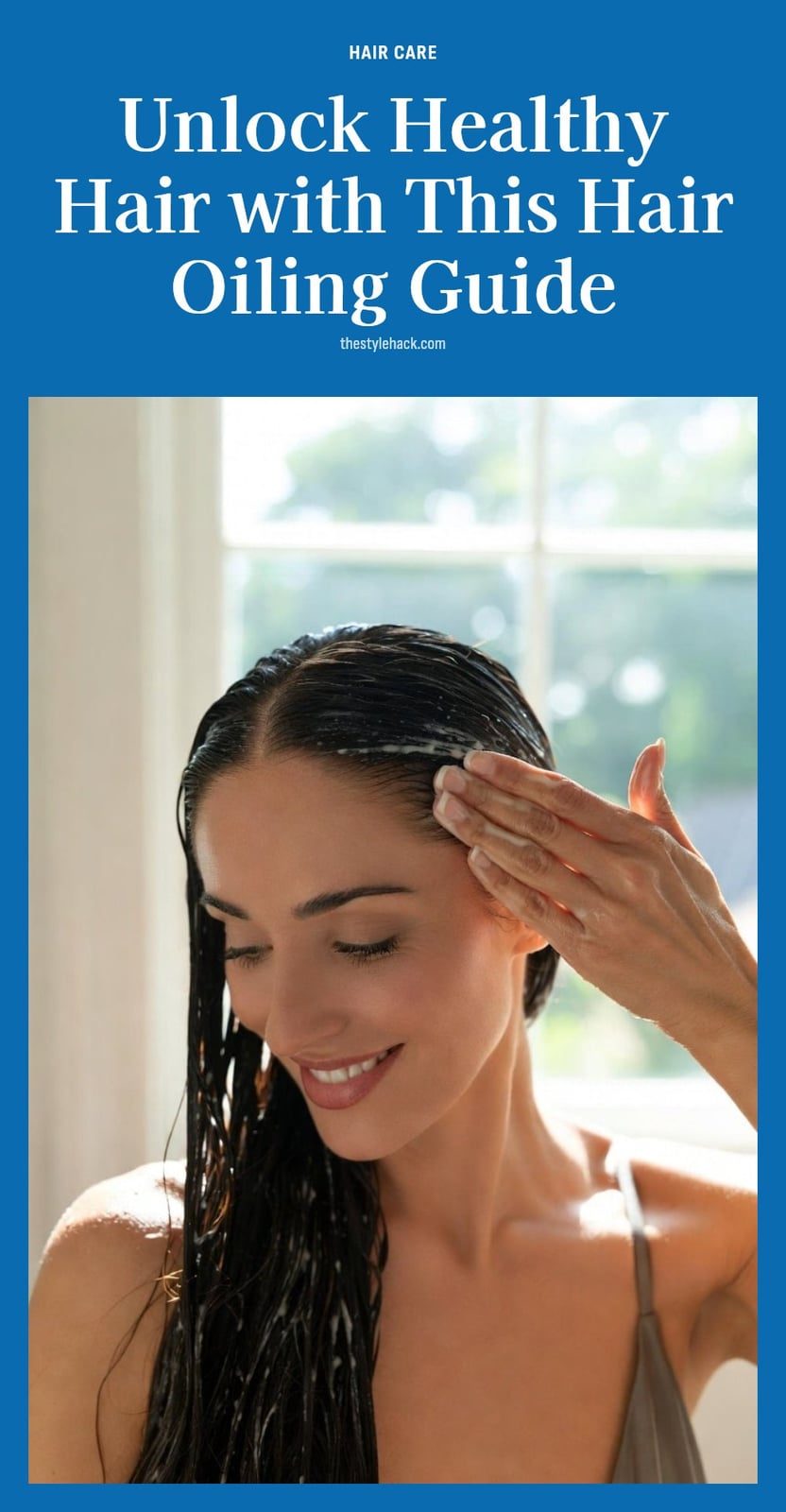
If your hair has been looking dull, dry, or prone to breakage, you might be wondering if there’s a natural way to bring it back to life. Hair oiling is an ancient practice, especially popular in South Asian traditions, that can deeply moisturize, nourish, and protect your strands. It’s a simple ritual that can improve texture, add shine, and reduce damage over time.
In this article, I’ll walk you through how hair oiling works, the best oils for your hair type, a step-by-step routine, and common mistakes to avoid. By the end, you’ll know exactly how to start oiling your hair for healthier, more radiant results.
Key Takeaways
- Apply hair oil 1-2 times a week for consistent benefits.
- Warm the oil slightly before application for better penetration.
- Choose coconut oil for dry hair, argan for frizz control.
- Leave oil on for 30 minutes to a few hours before washing.
- Always patch test a new oil 24 hours before full use.
1. What is Hair Oiling and Why Should You Try It?
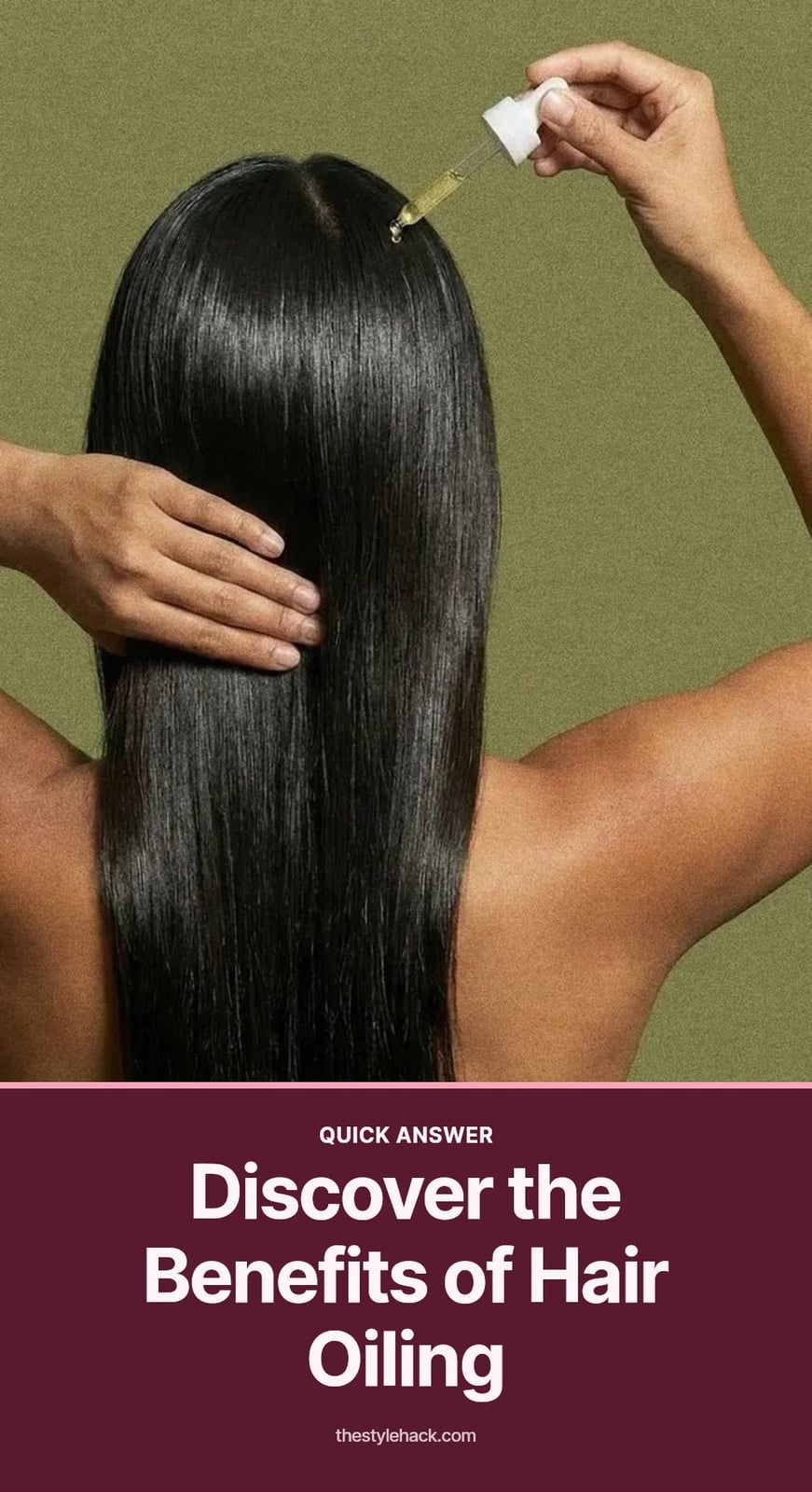
Hair oiling is an ancient practice, rooted in South Asian traditions, where oil is applied to the scalp and hair to deeply moisturize, nourish, and protect. It’s a simple ritual that can improve your hair’s texture, add a healthy shine, and reduce the damage caused by daily styling and washing. The key is choosing the right oil for your hair type and applying it correctly, so you get the benefits without weighing your hair down or leaving it greasy.
2. How Hair Oiling Works Its Magic
Oils work their magic by penetrating the hair shaft, which reduces something called hygral fatigue, the damage from your hair repeatedly swelling and shrinking as it absorbs and loses water. Some oils, like coconut oil, have a molecular structure that lets them slip inside the hair more effectively than others, locking in moisture and strength.
On the scalp, oiling moisturizes dry skin and may improve blood circulation, which some believe supports hair growth. On the strands, a protective layer of oil reduces friction from styling and shields against environmental aggressors like wind and sun. The result is hair that’s more resilient and less prone to breakage.
3. Your Hair Oiling Essentials
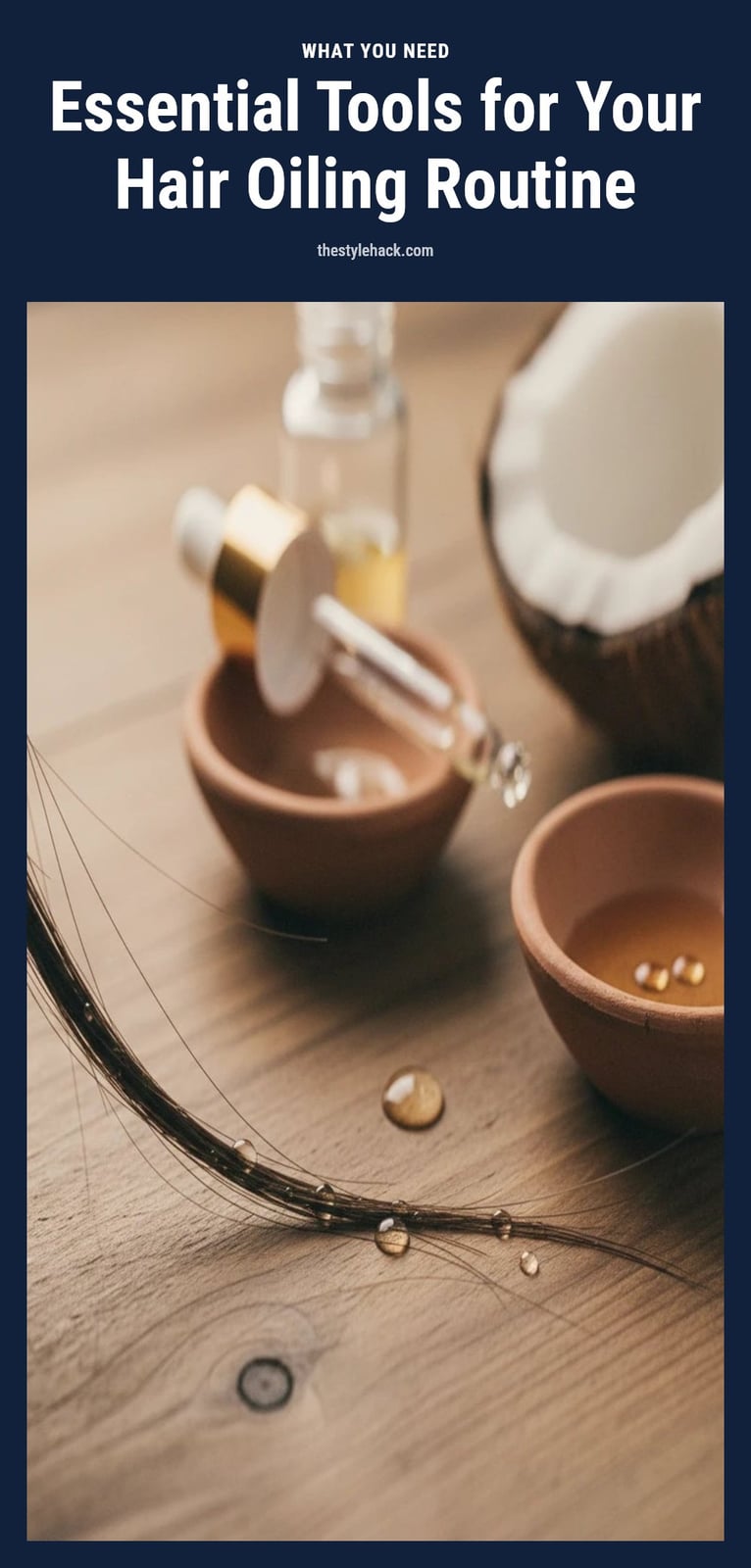
Before you start, gather these essentials:
- Hair oil: Choose based on your hair type and goals, like coconut for dry hair or argan for shine.
- Small bowl: Use it to warm the oil gently, which helps it penetrate better.
- Applicator bottle or dropper: This gives you precise control when applying oil directly to your scalp.
- Wide-tooth comb: Essential for gently detangling your hair after oiling without causing breakage.
4. Step-by-Step: How to Properly Oil Your Hair
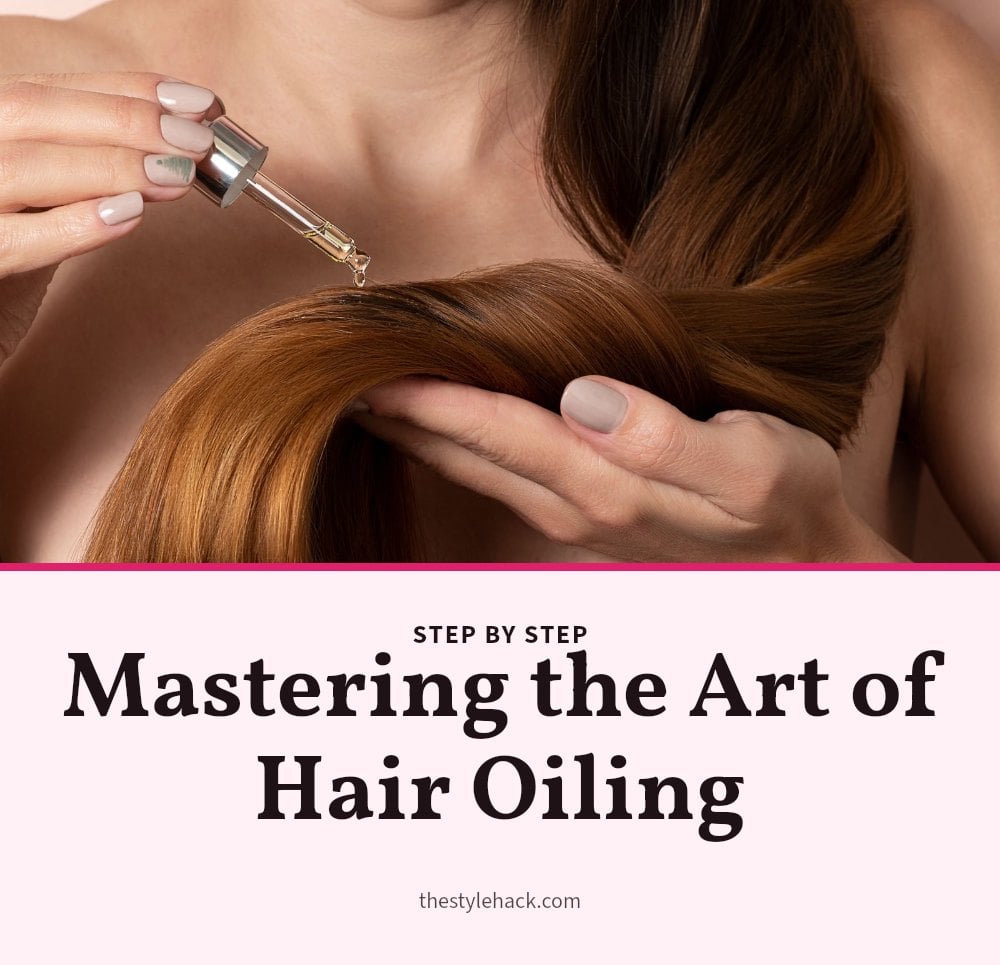
Follow these steps for a proper hair oiling session:
- Warm the oil: Place a small amount in a bowl and warm it slightly, either by setting the bowl in warm water or rubbing it between your palms. It should feel comfortably warm, not hot, to avoid burns.
- Apply to scalp: Part your hair in sections and use your fingertips to apply the oil directly to your scalp. Massage gently in circular motions, being careful not to rub too hard, as aggressive rubbing can irritate your scalp or cause breakage.
- Work through lengths: After covering your scalp, work the remaining oil down through the lengths of your hair, paying extra attention to the dry ends. Use a wide-tooth comb to distribute the oil evenly and gently detangle.
- Leave it on: Let the oil sit for 30 minutes to an hour. If your hair is very dry, you can leave it on longer, even overnight, but be mindful that heavy oils left too long can attract dirt or cause buildup.
- Shampoo thoroughly: Wash your hair with shampoo, and you may need to shampoo twice to remove all the oil residue. Make sure no oil is left behind, as it can make your hair look dull and greasy.
- Condition as usual: Follow up with your regular conditioner to keep your hair soft and manageable.
5. Choosing the Best Oil for Your Hair Type
Different oils bring different benefits, so the best choice depends on your hair type and what you want to improve. Here is a quick comparison of the most popular options.
| Oil | Best For | Key Benefit |
|---|---|---|
| Coconut | Dry, damaged hair | Deep penetration, reduces protein loss |
| Argan | Frizzy, dull hair | Adds shine, controls frizz |
| Jojoba | Oily or balanced scalps | Mimics natural sebum, balances oil |
| Castor | Thinning hair | May promote a feeling of thickness |
| Olive or Almond | Normal to dry hair | All-round moisturizing |
My tip: start with a lighter oil like jojoba if you have fine hair, and switch to coconut or olive if your strands feel dry and need more nourishment.
6. Common Hair Oiling Mistakes to Avoid
Even with the right oil, a few common mistakes can keep you from getting the results you want. Avoid these pitfalls.
- Using too much oil: This can leave your hair greasy and difficult to wash out. A little goes a long way, start with a few drops and add more only if needed.
- Not washing thoroughly: Incomplete rinsing leads to product buildup and dull hair. Shampoo twice if needed to remove all residue.
- Choosing the wrong oil: An oil that is too heavy for fine hair, or not nourishing enough for dry hair, won’t give you the best results. Match the oil to your hair type.
- Aggressive scalp massage: Rubbing too hard can cause irritation or breakage. Be gentle and use your fingertips in slow, circular motions.
- Expecting instant results: Consistency is key with hair oiling; visible improvements take time. Stick with it for a few weeks before judging the outcome.
7. Top Tips for Maximizing Your Hair Oiling Results

These extra tips will help you get the most out of every oiling session.
- Patch test first: Always apply a new oil to a small skin area, like your inner arm, and wait 24 hours to check for allergies before using it on your whole scalp.
- Warm oil, not hot: Gently warm your oil in a bowl set in warm water. It should be comfortably warm to the touch, not hot, to avoid burns.
- Consistency is key: Aim for 1-2 times a week to see the best improvements in shine and texture. Skipping weeks will slow your progress.
- Listen to your hair: Adjust the amount of oil and frequency based on how your hair responds. Fine hair may need less oil and fewer sessions, dry hair may need more.
- Protect your pillow: If you leave oil in overnight, cover your pillow with a towel to prevent stains and to keep the oil from transferring to your skin.
8. How Long Until You See Results? And What About Cost?
Wondering when you will see results and what this costs? Here is the breakdown.
- Frequency: Apply hair oil 1-2 times a week for consistent benefits.
- Duration of application: Leave the oil on for 30 minutes to a few hours before washing. Overnight is fine for very dry hair, but not for fine or oily types.
- Visible results: You may start to notice improved shine, softness, and reduced frizz within a few weeks of consistent use. Deeper changes in hair health can take a couple of months.
- Cost: Hair oils range from budget-friendly options like pure coconut oil to premium blends, typically costing $5-$30 per bottle, depending on the oil type and brand.
9. When to Talk to a Professional
Persistent scalp irritation, redness, or itching after oiling is a clear signal to stop and see a dermatologist. If you already have a scalp condition like severe dandruff, psoriasis, or eczema, talk to a dermatologist before starting a regular oiling routine, as some oils may worsen these issues. And if you notice that hair loss or breakage gets worse despite consistent oiling, a trichologist or dermatologist can help identify the underlying cause.
10. Frequently Asked Questions
11. How often should I oil my hair?
For most people, oiling your hair 1-2 times a week is ideal. This frequency keeps your hair moisturized without risking buildup or greasiness. If you have very fine or oily hair, you might want to start with once a week and see how your hair responds. Adjust based on how your scalp and strands feel.
12. Can hair oiling help with hair growth?
Hair oiling may support hair growth indirectly. Scalp massage during application can stimulate blood flow, which some believe promotes healthier follicles. While there’s no guarantee it will speed up growth, regular oiling can reduce breakage and improve overall hair health, making your hair look thicker and fuller over time.
13. What’s the best time to oil my hair?
There’s no strict rule, but many people prefer oiling before a shower, as a pre-shampoo treatment. This protects your hair from shampoo’s stripping effects. You can do it in the morning or evening, whichever fits your schedule. Just ensure you leave the oil on for at least 30 minutes before washing.
14. Can I leave hair oil on overnight?
Yes, overnight oiling is fine for many hair types, especially if you have dry or thick hair. However, be cautious if you have fine or oily hair, as leaving heavy oils on too long can lead to buildup or attract dirt. If you do leave it overnight, cover your pillow with a towel and shampoo thoroughly in the morning.
15. Does hair oiling work for all hair types?
Hair oiling is beneficial for most hair types, but the key is choosing the right oil and amount. For fine or oily hair, opt for lighter oils like jojoba and use a small amount. For thick or dry hair, heavier oils like coconut work well. Always listen to your hair and adjust accordingly.
16. Final Thoughts
For the best results, pick an oil that matches your hair’s needs, like coconut for dryness or argan for shine, and stick to a weekly routine. Don’t expect dramatic changes overnight; visible improvements in shine and texture usually appear within a few weeks of consistent use. Remember, a little oil goes a long way, and thorough washing is key to avoiding buildup.
So grab your favorite oil, set aside 30 minutes this week, and give your hair the nourishment it’s been craving. Your strands will thank you.
This article is for general informational purposes only and is not a substitute for professional medical or dermatological advice. If you have a persistent scalp condition, severe irritation, or any concerns, please consult a qualified healthcare provider or dermatologist before starting a new hair care routine.
More Blog ideas
- How to Heal Chapped Lips Overnight with Simple Steps
- Atomic Habits: 5 Lessons to Build Better Habits
- Hyaluronic Acid for Beginners
- How to Build a Gentle Skincare Routine for Sensitive Skin
- Beat Frizzy Hair: Easy Remedies for Smooth, Shiny Strands
- How to Increase Your Daily Drinking Water Intake
- Washing Hair Mistakes to Avoid and What to Do Instead
- Bleaching Hair Tips for Less Damage
- How to Make Your Body Mist Last Longer All Day
- How to Fix Your Skincare Routine
- Nervous System Regulation Tips
- Vagus Nerve Exercises for Stress Relief






