How to Create Your Own Personalized Dopamine Menu
Learn how to create a personalized 'dopamine menu' with simple, joyful activities to boost your mood and motivation naturally. Discover easy steps.

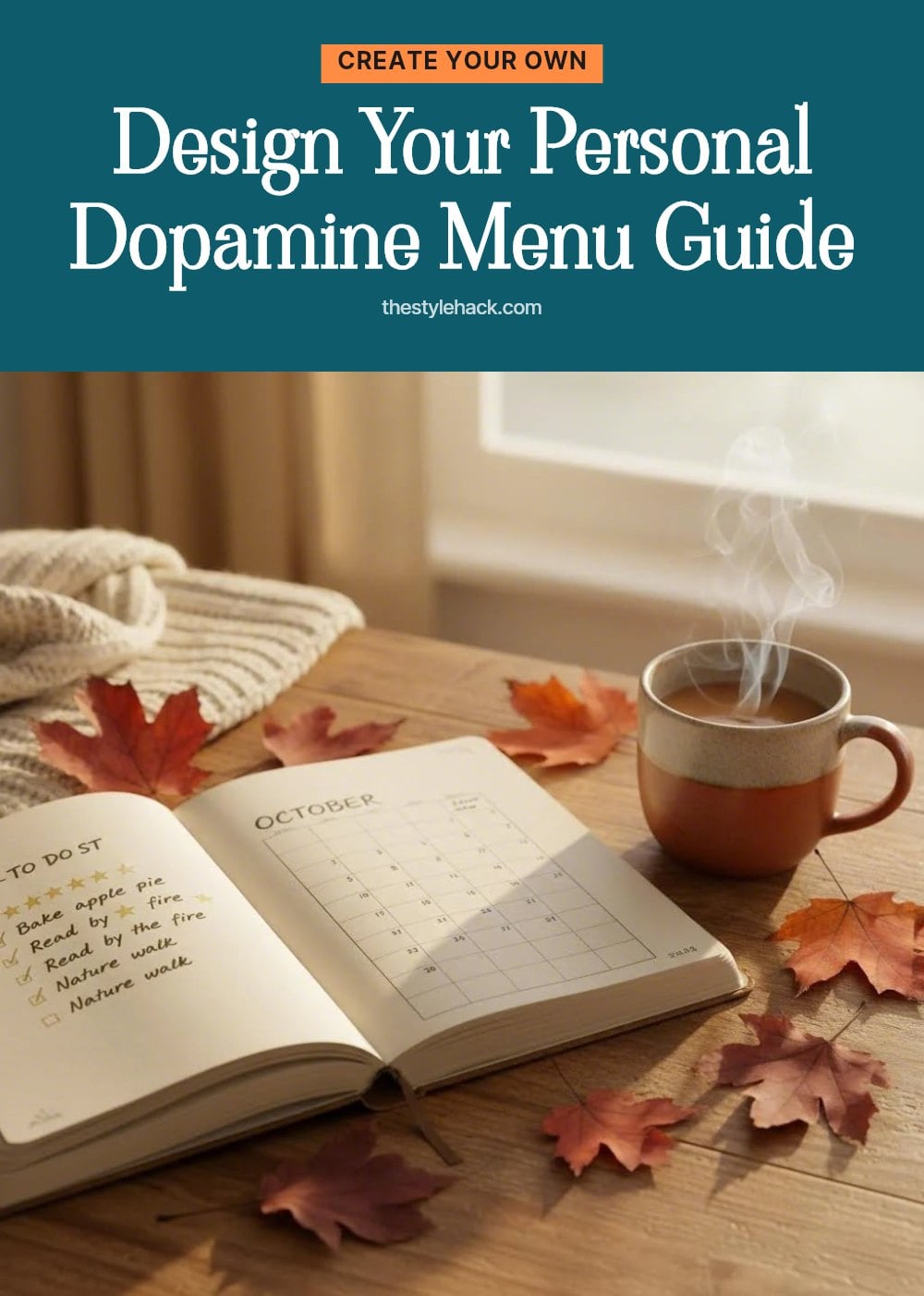
Have you ever felt stuck in a rut, lacking the motivation to do much of anything? You might be looking for a simple, personalized way to lift your mood and get moving again. This article walks you through creating your own dopamine menu, a curated list of activities that can help boost your mood and motivation by tapping into your brain’s natural reward system.
Key Takeaways
- Create a personalized list of activities that bring you joy, satisfaction, or accomplishment.
- Categorize your menu items by effort level (low, medium, high) for easy access.
- Keep your menu visible and accessible, like on your phone or a whiteboard.
- Use your menu proactively to gain momentum, not to avoid necessary tasks.
- Consult a healthcare professional if you experience persistent low mood or depression.
1. What Exactly Is a Dopamine Menu?
A dopamine menu is a personalized list of activities that reliably bring you joy, satisfaction, or a sense of accomplishment. It’s a proactive tool to boost mood and motivation by engaging your brain’s reward system. The goal is to create an accessible toolkit of feel-good actions you can turn to when you need to combat inertia or low spirits.
2. Why Your Brain Loves a Dopamine Boost
Dopamine is a neurotransmitter that plays a key role in motivation, reward, pleasure, and motor control. When you do something that feels good or rewarding, your brain releases a small amount of dopamine, which reinforces that behavior.
3. Activities That Naturally Boost Dopamine
- Accomplishment and mastery: Completing a task, learning a new skill, or checking off a goal can trigger a dopamine release.
- Social connection: Talking with a friend, sharing a laugh, or even a quick text exchange can stimulate reward pathways.
- Novel experiences: Trying something new, a different route home, a new recipe, a podcast you’ve never heard, keeps your brain engaged.
- Physical activity: Even a short walk, a few stretches, or a dance break can positively impact mood and neurotransmitter levels.
4. Tools for Building Your Menu
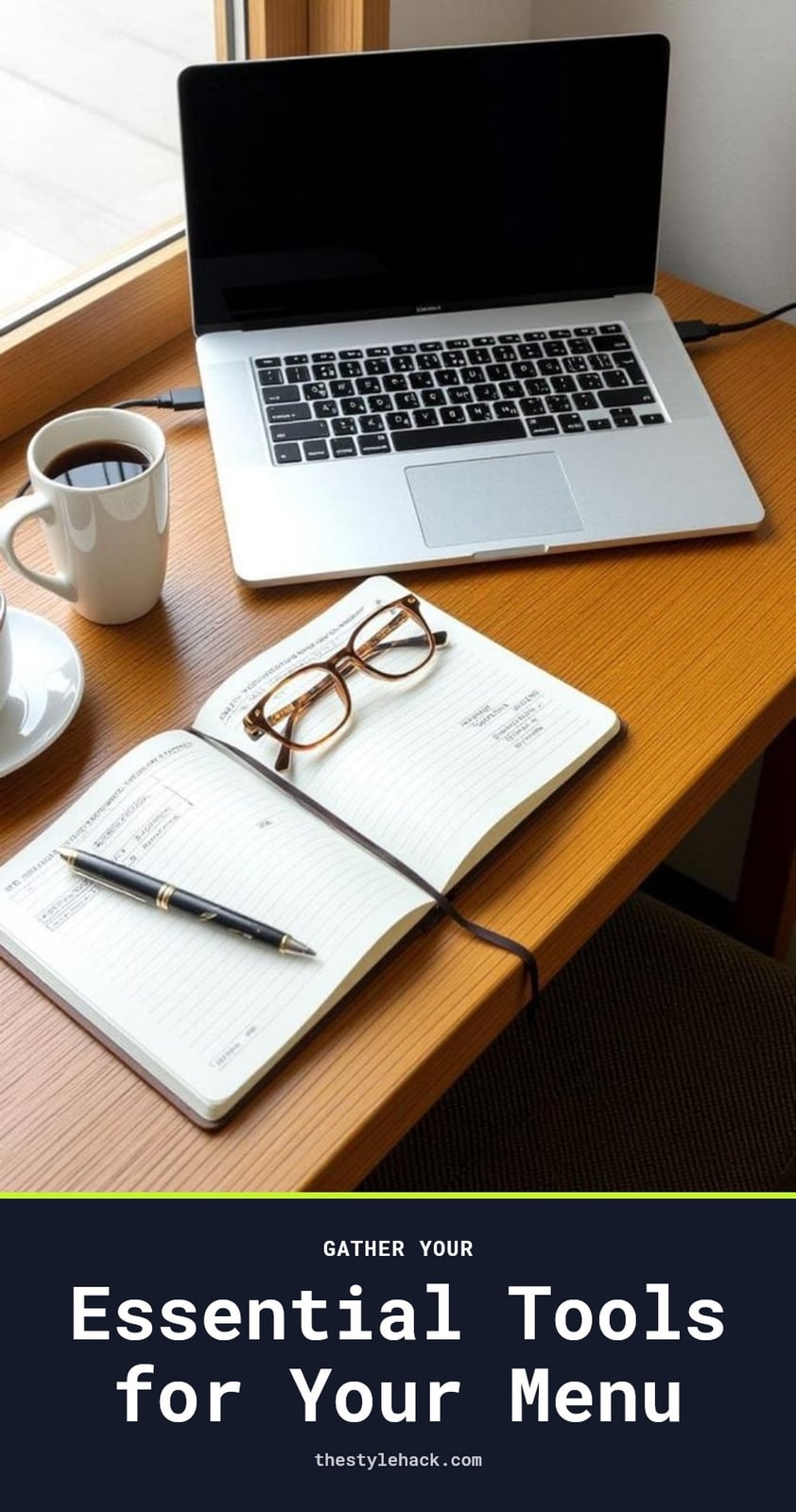
You don’t need anything fancy to build your menu. Grab a pen and paper or open a digital note-taking app to list your activities. A calendar or planner helps you schedule your chosen items into your week. A journal is optional but useful for reflecting on how each activity makes you feel afterward.
5. Step-by-Step: Crafting Your Personalized Dopamine Menu
Follow these steps to create a menu that actually works for you.
- Brainstorm your joys: Write down activities that genuinely make you feel good, energized, or accomplished. Think small, a 5-minute stretch, calling a friend, or finishing a chapter of a book.
- Categorize by effort: Group items by effort level or time commitment. Low effort (listen to a favorite song), medium effort (go for a 15-minute walk), high effort (take a class or hike). This makes it easy to pick something no matter your energy.
- Keep it accessible: Save your menu on your phone, a sticky note on your mirror, or a whiteboard in your workspace. The easier it is to see, the more you’ll use it.
- Prioritize active engagement: Choose activities where you participate rather than passively consume. That can include low-effort mindful actions like savoring a cup of tea or noticing a scent, not just high-effort tasks like drawing. The key is being present, not scrolling on autopilot.
- Add variety: Include different types of activities, physical, creative, social, mindful, sensory, to prevent habituation. Rotating between categories keeps your brain from getting too used to any one reward.
- Schedule proactively: Block time in your calendar for a few menu items each week. Treat them like appointments you don’t cancel.
- Experiment and reflect: Try new activities regularly. After each one, note how you felt, more energized, calmer, accomplished. Use this feedback to refine your list.
6. Dopamine Menu Idea Starters: Find Your Joy
These are starting points, not a mandatory list. Pick what sounds good to you and adjust as you go.
Quick boosts (low effort, 5-10 minutes):
- Stretch or do a few yoga poses: Even two minutes of movement can shift your energy.
- Listen to one song you love: Preferred music can release dopamine quickly.
- Step outside for natural light: Exposure helps regulate mood and circadian rhythms.
- Make a cup of tea or coffee mindfully: Focus on the smell and warmth.
Creative outlets (medium effort, 15-30 minutes):
- Doodle, sketch, or color: No skill needed; the act itself is rewarding.
- Write a short journal entry or a poem: Creative expression provides intrinsic satisfaction.
- Play a musical instrument or sing: Even a few minutes of playing can be a source of joy.
Social connections:
- Call or text a friend: Social interaction is a powerful driver of positive emotions.
- Join a short online class or group chat: Connection can happen in small doses.
Mindfulness and novelty:
- Try a new recipe or a new walking route: Novel experiences stimulate dopamine pathways.
- Do a 5-minute meditation: Mindfulness can reduce stress and support well-being.
- Read a short article or a chapter of a book: Learning something new can feel like an accomplishment.
7. Common Dopamine Menu Mistakes to Avoid
Even a well-intentioned dopamine menu can backfire. Avoid these common pitfalls.
- Don’t confuse it with treatment: A dopamine menu is a self-help tool, not a substitute for medical care. If you have persistent low mood or depression symptoms, see a professional.
- Don’t fill it with passive activities: Endless scrolling or binge-watching won’t give you the same boost as active engagement. Prioritize things that require you to participate.
- Don’t copy generic ideas: Your menu must resonate with you personally. If a suggestion doesn’t feel right, skip it.
- Don’t make activities too complex: If a task requires a lot of setup or execution time, you won’t do it when motivation is low. Keep it manageable, and remember that some medium-effort activities may take 15-30 minutes total, which is fine.
- Don’t forget to use it: The menu only works if you actually open it when you need a boost. Keep it visible.
- Don’t expect intense highs: Subtle boosts are valuable. A small sense of accomplishment or a moment of calm counts.
8. Pro Tips for Maximizing Your Dopamine Menu

These small adjustments can make your dopamine menu work better over time.
- Categorize by effort level: Label items as low, medium, or high effort so you can pick the right one for your current energy.
- Keep your menu visible: Put it on your phone home screen, a sticky note, or a whiteboard you see daily.
- Experiment with novelty: Add one new activity every week to keep your brain engaged and prevent habituation.
- Focus on intrinsic satisfaction: Choose activities that feel rewarding in themselves, not just for an external result.
- Schedule ‘dopamine dates’: Block 15-30 minutes in your calendar for a menu activity. Treat it as non-negotiable.
- Reflect regularly: After each activity, note how you felt. Refine your list based on what actually works.
9. When to Seek Professional Help
A dopamine menu is a helpful self-help tool, but it is not a replacement for professional care. If you experience persistent low mood, lack of motivation, or symptoms of depression, consult a healthcare professional. Also be mindful of any activities on your menu that might trigger unhealthy habits or addictions for you personally. Use the menu to support your well-being, not to avoid addressing deeper issues.
10. Frequently Asked Questions
11. How often should I use my dopamine menu?
There’s no set rule, but the key is to use it intentionally. Some people find it helpful to schedule one or two low-effort activities daily, while others turn to their menu a few times a week when they feel a dip in motivation. Experiment to see what frequency feels supportive without becoming a chore.
12. Can a dopamine menu help with procrastination?
Yes, it can be a useful tool for overcoming procrastination. By choosing a quick, low-effort activity from your menu, you can build momentum and shift your brain into a more productive state. The goal is to use it as a bridge to get started on a task, not as a permanent distraction.
13. What if I don’t feel anything from my menu items?
If you don’t notice a shift in mood or motivation, it’s a sign to revisit your list. The activities need to genuinely resonate with you, not just be generic suggestions. Try a few new things, or adjust the timing or context of when you use them. If you consistently feel flat, it may be worth discussing with a professional.
14. Is a dopamine menu the same as self-care?
A dopamine menu can be a part of your self-care routine, but it’s not exactly the same. Self-care is a broader concept that includes any activity you do to maintain your physical, mental, and emotional health. A dopamine menu is more focused on activities that specifically boost your mood and motivation through your brain’s reward system.
15. How long does it take to create a good dopamine menu?
You can create a solid initial menu in about 30 to 60 minutes by brainstorming activities and categorizing them by effort. However, the menu is meant to evolve. As you try out different activities and reflect on how they make you feel, you’ll refine your list over time to make it more effective for you.
16. Final Thoughts
Building your own dopamine menu is a simple yet powerful way to take charge of your daily mood and motivation. Start with just a few activities that genuinely feel good to you, and don’t worry if it takes a bit of trial and error to find what works. The real benefit comes from using it consistently, so keep it handy and pick something from your list whenever you need a small boost. Your menu will evolve with you, becoming a reliable toolkit for better days.
This article is for informational purposes only and does not constitute medical advice. A dopamine menu is a self-help tool and is not a substitute for professional medical or psychological care. If you are experiencing persistent low mood, lack of motivation, or symptoms of depression, please consult a qualified healthcare professional.
More Blog ideas
- How to Heal Chapped Lips Overnight with Simple Steps
- Atomic Habits: 5 Lessons to Build Better Habits
- Hyaluronic Acid for Beginners
- How to Build a Gentle Skincare Routine for Sensitive Skin
- Beat Frizzy Hair: Easy Remedies for Smooth, Shiny Strands
- How to Increase Your Daily Drinking Water Intake
- Washing Hair Mistakes to Avoid and What to Do Instead
- Bleaching Hair Tips for Less Damage
- How to Make Your Body Mist Last Longer All Day
- How to Fix Your Skincare Routine
- Nervous System Regulation Tips
- Vagus Nerve Exercises for Stress Relief