Creativity: Unlock Your Inner Creative Genius with These Essential Tips
Learn how to enhance your creativity and generate innovative ideas. Discover practical strategies to solve problems and unlock your full imaginative potential.

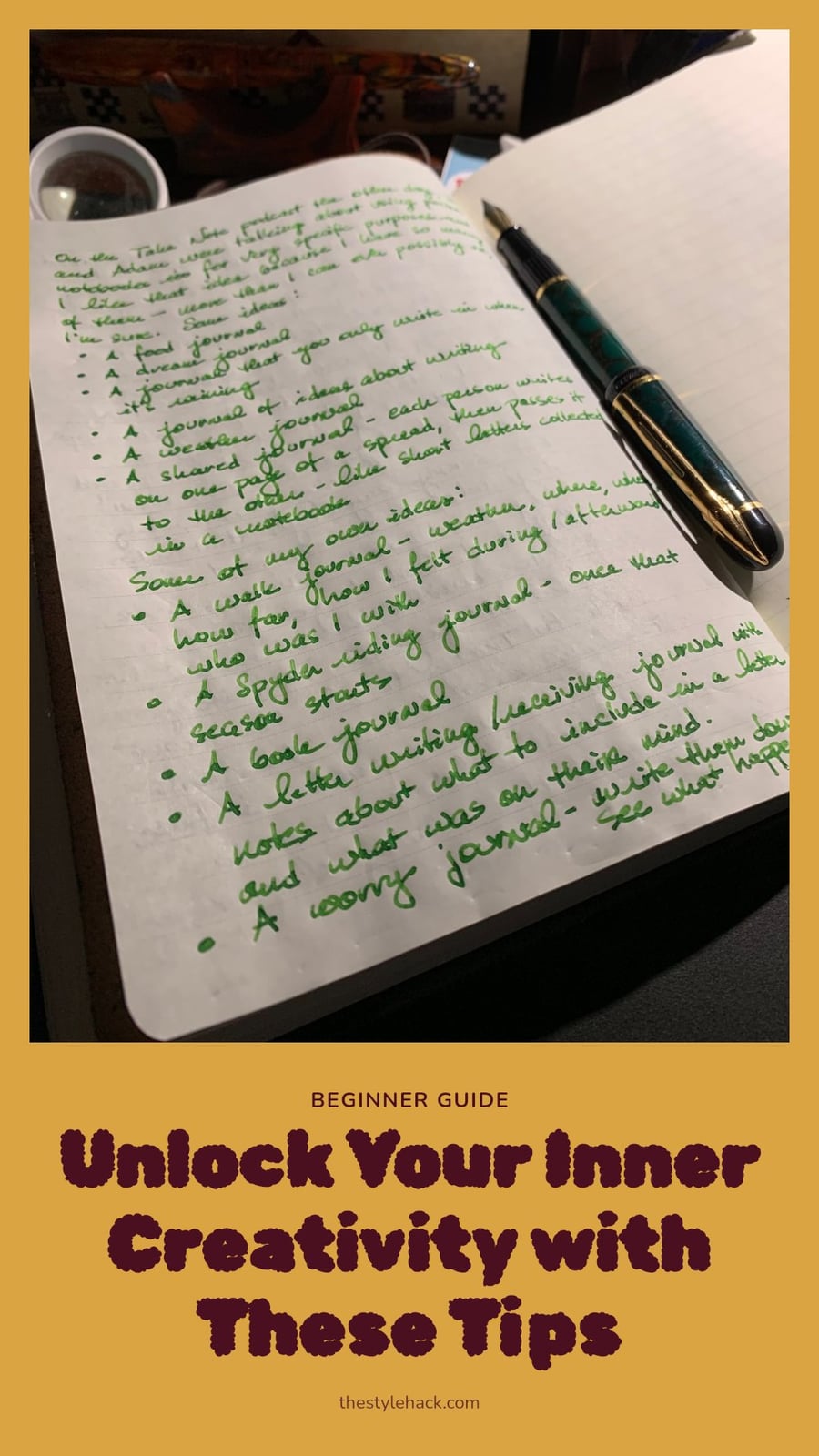
Feeling stuck in a creative rut? You’re not alone. The good news is that creativity isn’t a mysterious gift reserved for artists and inventors; it’s a skill you can actively build with the right habits and mindset. Whether you’re tackling a work project, solving a personal problem, or just want to think more imaginatively, this article will walk you through practical, science-backed strategies to unlock your creative potential.
From daily idea generation exercises to the surprising role of sleep and nature walks, you’ll discover how small, intentional changes can lead to big creative breakthroughs. Let’s dive in.
Key Takeaways
- Creativity is a skill that can be developed with consistent practice and a growth mindset.
- Engage in daily idea generation exercises, like listing 10 new uses for a common object.
- Expose yourself to diverse experiences, cultures, and information to spark new connections.
- Prioritize 7-9 hours of quality sleep to support memory consolidation and novel thinking.
- Take regular breaks in nature to allow your subconscious to work on problems.
1. Unlock Your Inner Creative Genius
Creativity is a skill you can actively develop, not a talent you are born with. It means intentionally generating new ideas, making unexpected connections, and finding novel solutions to everyday problems. Cultivating it requires consistent practice, a willingness to experiment, and creating an environment that sparks imaginative thought. My tip: treat creativity like a muscle. The more you use it, the stronger it gets.
2. 1. Engage in Daily Idea Generation
Dedicate time each day to idea generation exercises. For example, list 10 new uses for a common object like a paperclip, a brick, or a rubber band. This practice trains your brain in divergent thinking, the ability to generate many unique ideas without immediate judgment.
My tip: Keep a running list in a dedicated notebook or digital file for all your silly ideas. You never know when one might spark something brilliant.
3. 2. Expose Yourself to Diverse Input
Actively seek out new environments, cultures, and information regularly. Read a book outside your usual genre, visit a new neighborhood, or watch a documentary on an unfamiliar topic. Exposure to diverse experiences and perspectives is a powerful stimulant for new ideas and connections.
My tip: Try to have at least one new experience each week, even if it is just trying a different route to work or listening to a new podcast.
4. 3. Capture Every Idea Immediately

Always have a way to capture your ideas, no matter how small or fleeting they seem. Use a small notebook, a voice recorder on your phone, or a digital note-taking app. Do not immediately judge or censor your ideas during this capture phase. The goal is quantity over quality at first.
Tip: A small physical notebook I can carry everywhere works best for me. There is something about putting pen to paper that a screen can’t replicate.
5. 4. Practice Mindfulness and Meditation
Mindfulness and meditation quiet the mental chatter that blocks new ideas. When you sit still for even a few minutes, you create space for unexpected connections to surface. The practice trains your brain to notice subtle thoughts instead of dismissing them.
Good to know: Start with 5-10 minutes of guided meditation each day. I use a simple timer and focus on my breath. Within a week, I noticed I could concentrate longer and catch ideas I would have missed before.
6. 5. Collaborate and Seek Diverse Perspectives

Creative blocks often happen when you work alone. Reach out to people with different backgrounds, skills, or opinions. A fresh perspective can reframe a problem and reveal solutions you never considered.
Pro move: If you work solo, join an online community or a mastermind group. I post half-formed ideas in a Slack group and get back angles that completely shift my approach. The key is listening without defending your original idea.
7. 6. Schedule Dedicated Creative Time
Inspiration rarely arrives on its own. Add a recurring appointment in your calendar for creative exploration with zero pressure to produce results. Treat it like a meeting you cannot cancel.
During that time, you can sketch, brainstorm, or simply let your mind wander. The absence of deadlines frees your brain to make loose associations and surprising leaps.
Quick tip: I block out one hour every Sunday evening. No phone, no email, just a notebook and a question I want to play with. That hour often generates ideas I use all week.
8. 7. Embrace Playfulness and Experimentation

Playfulness lowers the fear of being wrong, which is the biggest barrier to original thinking. Try approaching a routine task as if you have no rules. Experiment with a different method or swap materials just to see what happens.
Constraints can actually boost creativity. Limiting your options forces you to work around boundaries, which often sparks more inventive solutions than unlimited freedom does.
Tip: Think like a child. Kids try things without worrying about failure. When I feel stuck, I give myself permission to make something deliberately bad. That looseness almost always leads to a usable idea.
9. 8. Take Regular Breaks, Especially in Nature
Stepping away from a problem often leads to breakthroughs, especially when you walk in nature. This creates an incubation period where your subconscious mind works on the issue without your active effort. A change of scenery reduces mental fatigue and allows new connections to form naturally.
Good to know: When I feel stuck, I go for a walk around the block or to a nearby park. The answer almost always surfaces within minutes.
10. 9. Prioritize Adequate Sleep
Sleep is non-negotiable for creativity. During deep sleep, your brain consolidates memories and strengthens neural pathways, which directly supports divergent thinking and novel associations. A well-rested brain generates more unique ideas and evaluates them more effectively.
Pro move: Aim for 7-9 hours of quality sleep each night. Fatigue and stress are proven creativity killers that block the mental clarity you need.
11. 10. Cultivate a Growth Mindset

Believing that creativity can be developed through effort, known as a growth mindset, is strongly linked to higher creative output. When you see ability as malleable rather than fixed, you take more risks and persist through challenges. This mindset turns obstacles into learning opportunities.
Quick tip: View every challenge as a chance to grow. Each so-called failure is just a stepping stone toward a better solution.
12. 11. Reflect on Your Creative Process
Reflecting on your creative process helps you identify what environments, times of day, or activities spark your best ideas. Keep a journal of your insights, breakthroughs, and the triggers behind creative blocks. This self-awareness allows you to replicate conditions that work and avoid those that don’t.
Tip: Once you know your personal creative triggers, you can intentionally design your day for more inspiration.
13. Common Creativity Mistakes to Avoid
Relying solely on spontaneous inspiration is a common trap. Inspiration rarely arrives on its own; you have to actively seek it out through consistent habits and exploration. Set aside time each day to generate ideas, even if they feel forced at first.
Dismissing ‘silly’ ideas too quickly is another mistake. During brainstorming, every idea has potential. Some of the best solutions start as wild concepts, so resist the urge to censor or judge until you’ve had time to explore them.
Overthinking and striving for perfection can lead to paralysis. Perfectionism stops you from starting or finishing. Instead, embrace iteration: allow ideas to develop and improve over time, and don’t expect a masterpiece on the first try.
Failing to take breaks can hinder creativity. Your brain needs downtime to process information and make new connections. Schedule regular breaks, especially walks in nature, to let ideas incubate and surface naturally.
Finally, comparing yourself to others will only hinder your progress. Everyone’s creative journey is unique. Focus on your own growth and celebrate small wins, rather than measuring yourself against someone else’s output.
14. Frequently Asked Questions
15. Is creativity an innate talent or a skill?
Creativity is a skill that can be developed, not a talent you’re born with. While some people may have a natural inclination, research shows that with consistent practice, a growth mindset, and the right techniques, anyone can enhance their creative thinking. This means you can actively train your brain to generate novel and useful ideas.
16. How can I overcome a creative block?
A creative block often stems from waiting for inspiration to strike. Instead, take proactive steps: change your environment, take a walk in nature, or try a brainstorming exercise like listing many ideas without judging them. These actions can shift your mental state and help you move past the block.
17. What is divergent thinking?
Divergent thinking is the ability to generate many unique ideas or solutions to a problem. It’s a key component of creativity, and you can practice it through exercises like listing 10 new uses for a common object. This type of thinking encourages you to explore multiple possibilities without immediate judgment.
18. How does sleep affect creativity?
Sleep is crucial for creativity because it consolidates memories and strengthens neural pathways, which supports both divergent thinking and the ability to make novel associations. A well-rested brain is more effective at generating unique ideas and evaluating them. Aim for 7-9 hours of quality sleep each night.
19. Can collaboration boost creativity?
Yes, collaborating with others can significantly boost creativity. Working with people who have different backgrounds, skills, or opinions provides fresh perspectives that can reframe problems and reveal solutions you might not have considered. If you work solo, consider joining an online community or a mastermind group.
20. How long does it take to become more creative?
Consistent practice over weeks or months can lead to noticeable improvements in creative thinking and idea generation. The exact timeline varies depending on how often you practice and the techniques you use. The key is to stay patient and keep experimenting with different methods to find what works best for you.
21. Final Thoughts
To become more creative, start by committing to one or two of these practices and weaving them into your routine. For example, set a daily reminder to jot down 10 ideas for a common object, and schedule a weekly walk in a park without your phone. These small steps, done consistently over weeks or months, will noticeably improve your ability to generate and refine ideas.
Remember, creativity thrives on patience and self-compassion. Don’t compare your journey to others, and allow yourself to make mistakes along the way. The goal is progress, not perfection, and every step you take brings you closer to your inner creative genius.

More Blog ideas
- How to Heal Chapped Lips Overnight with Simple Steps
- Atomic Habits: 5 Lessons to Build Better Habits
- Hyaluronic Acid for Beginners
- How to Build a Gentle Skincare Routine for Sensitive Skin
- Beat Frizzy Hair: Easy Remedies for Smooth, Shiny Strands
- How to Increase Your Daily Drinking Water Intake
- Washing Hair Mistakes to Avoid and What to Do Instead
- Bleaching Hair Tips for Less Damage
- How to Make Your Body Mist Last Longer All Day
- How to Fix Your Skincare Routine
- Nervous System Regulation Tips
- Vagus Nerve Exercises for Stress Relief