Cuticles: 7 Easy Steps to Soft, Neat Cuticles at Home
Learn how to care for your cuticles at home with 7 easy steps. Get soft, neat cuticles and prevent dryness, hangnails, and infections.

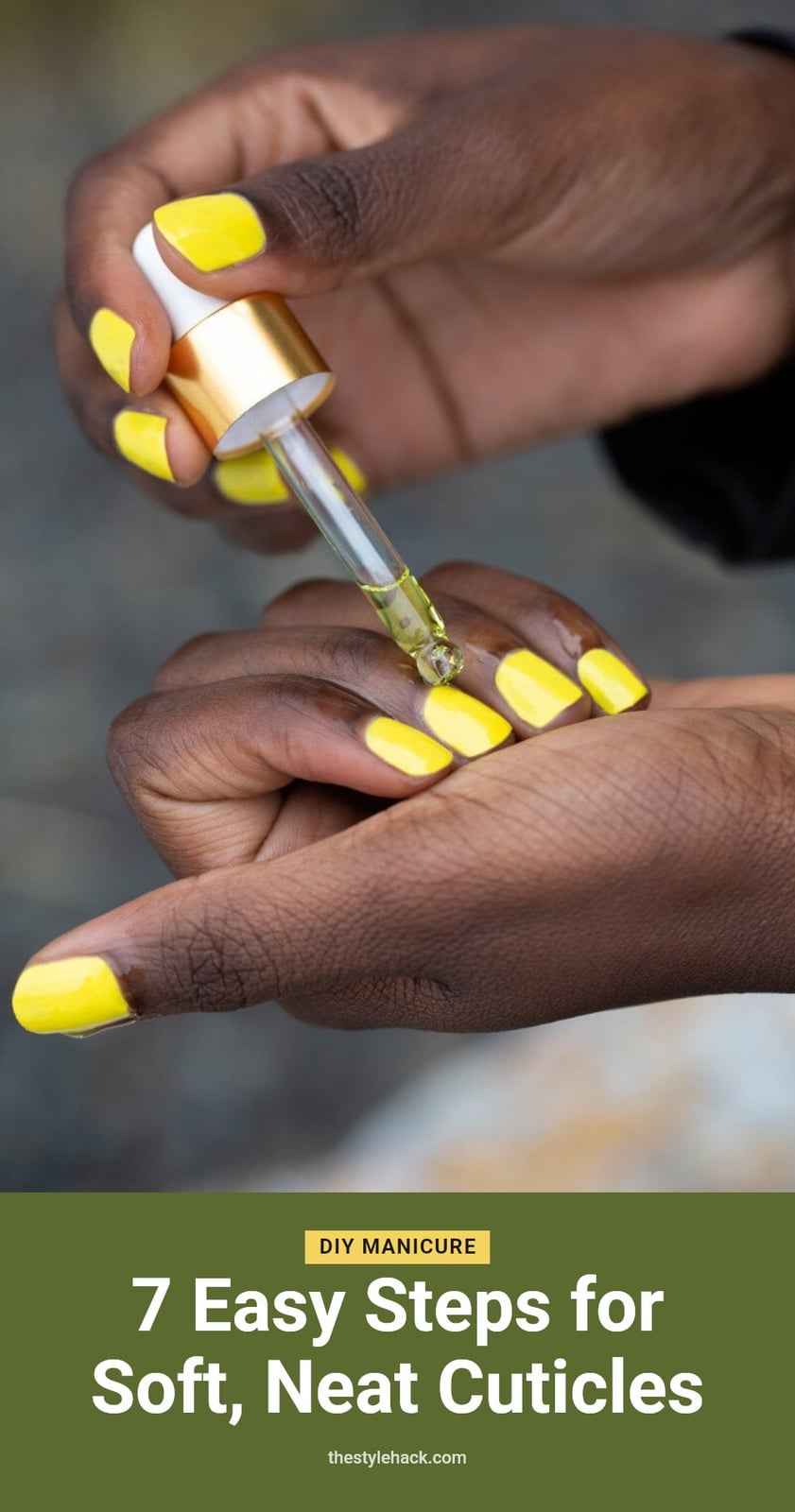
You don’t need a salon appointment to have neat, healthy-looking cuticles. The secret is knowing what your cuticles actually do and how to treat them gently at home. This article walks you through the simple, step-by-step routine I recommend, from softening and pushing back to daily moisturizing, so you can care for your nails without risking damage or infection.
Key Takeaways
- Never cut your cuticles; gently push them back after softening to protect the nail barrier.
- Soak your fingertips in warm water for 5 to 10 minutes before any cuticle work.
- Moisturize daily with cuticle oil or balm, then lock it in with hand cream.
- Trim only true hangnails (torn skin at the side of the nail) with clean nippers.
- Wear rubber gloves for dishwashing and cleaning to prevent drying and cracking.
01. Why Proper Cuticle Care Matters
Your cuticles are more than a cosmetic detail. They form a protective seal over your nail matrix, the area where new nail cells grow, keeping out bacteria and preventing infections. Gentle care, which means regular moisturizing and softly pushing them back, maintains this barrier and supports healthy nail growth. Cutting your cuticles breaks that natural defense, leaving your nails vulnerable to irritation, dryness, and potential infections. So skip the snipping and focus on keeping them soft and neat instead.
02. 1. Gather Your Gentle Tools
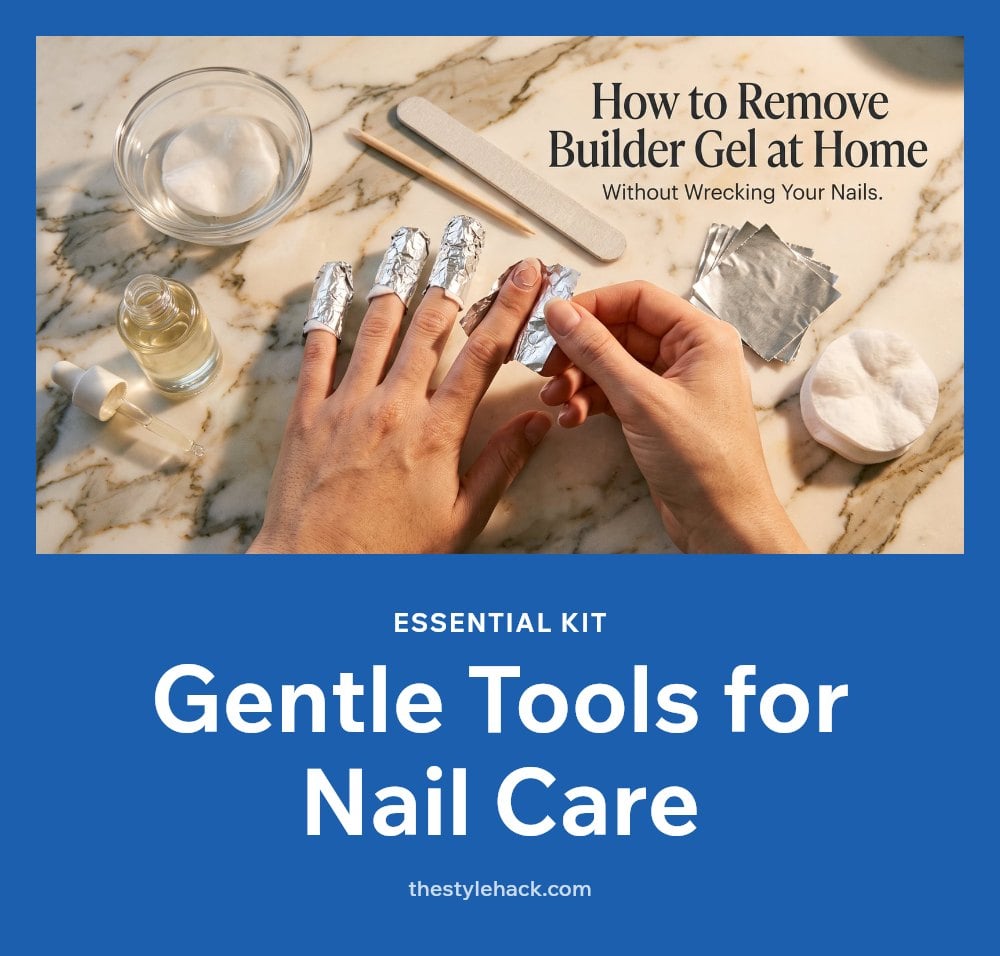
Start with the right supplies so you don’t damage your nail plate. You’ll need:
- Cuticle oil or balm: for daily hydration.
- Hand cream: to lock in moisture after care.
- Rubber-tipped pusher or orange wood stick: for gentle pushing.
- Small bowl: for soaking your fingertips.
- Cuticle nippers: only for true hangnails, and they must be clean and sharp.
Skip metal pushers if you tend to press hard. They can scratch the nail plate, leaving permanent grooves.
03. 2. Soften Your Cuticles First
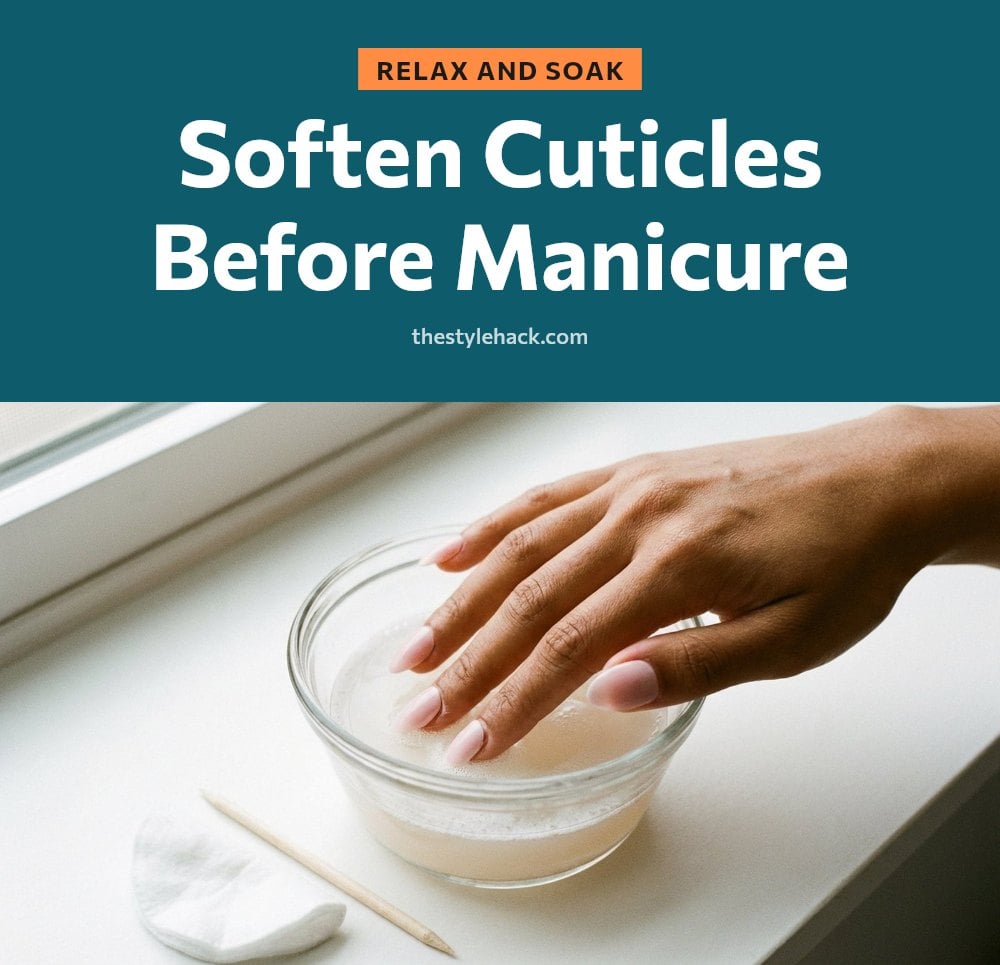
Softening is the step you can’t skip. Soak your fingertips in warm water for 5 to 10 minutes. This makes the cuticle pliable, so it moves instead of tearing when you push it back. Add a drop of mild soap or a few drops of cuticle oil to the water for extra softening. Or, do your cuticle care right after a warm shower or bath, when they’re already naturally soft. Working with softened cuticles reduces the risk of damage and makes the whole process smoother.
04. 3. Apply a Cuticle Remover (Optional)
If your cuticles are stubborn or overgrown, a cuticle remover can help dissolve dead skin cells. Apply the product exactly as the packaging directs, usually leaving it on for a few minutes, then gently wipe it away with a soft cloth. These removers often contain strong ingredients like potassium hydroxide, which break down skin cells chemically. My tip: Don’t leave strong removers on longer than recommended. They can irritate the surrounding skin, especially if you have sensitive hands. Rinse well if you feel any stinging.
05. 4. Gently Push Back Your Cuticles
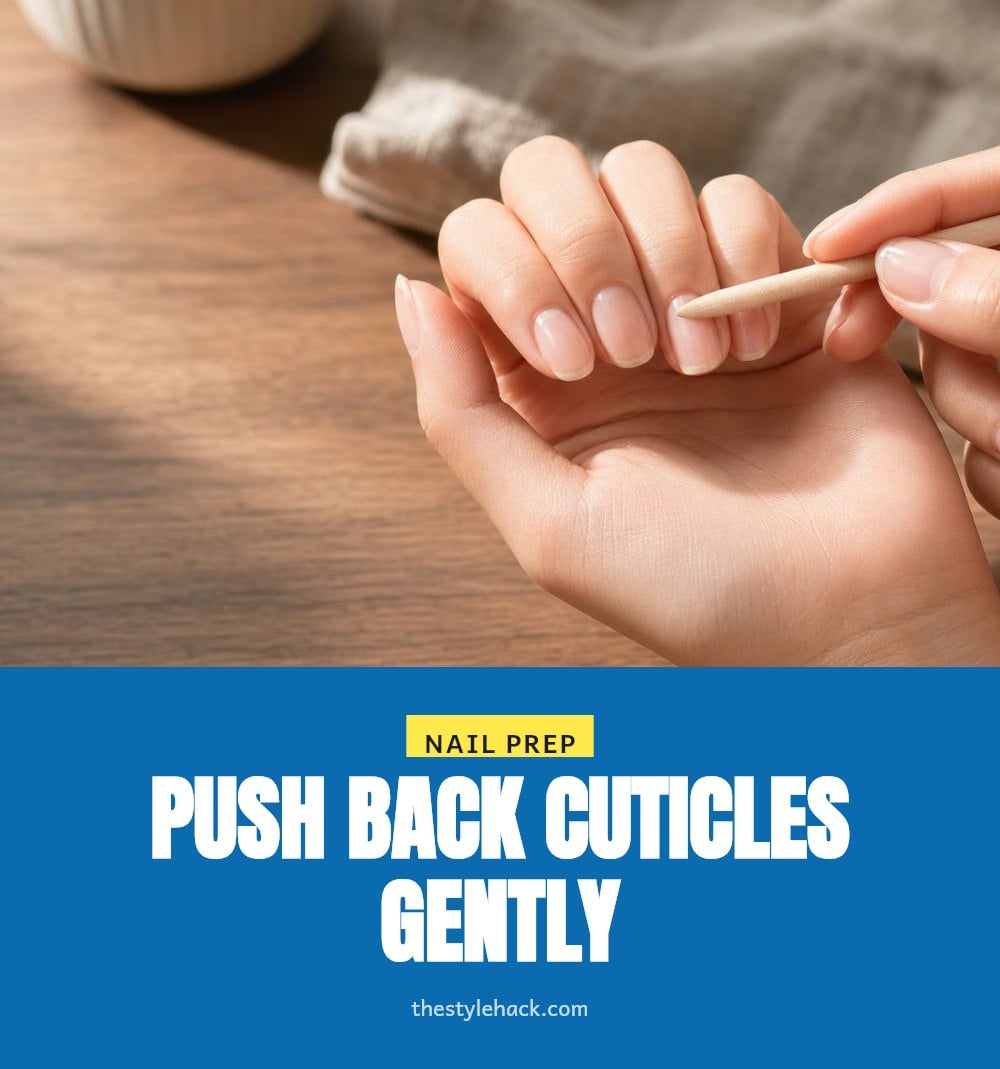
Working with a soft rubber-tipped pusher or an orange wood stick, angle it at the base of your nail and push the softened cuticle back toward the nail fold. Use light, even pressure and move slowly around each nail, giving the skin time to release rather than tear.
Stop if you feel any resistance or discomfort. Over-pushing can damage the nail matrix, the area where your nail grows from, and may lead to ridges or uneven texture over time. A few gentle passes per nail are enough.
06. 5. Trim Only True Hangnails

Keep your nippers away from the actual cuticle. That living tissue seals your nail plate, and cutting it breaks the barrier that keeps bacteria out. Instead, look for true hangnails: small, torn pieces of skin at the sides of your nails.
Clip only the loose, dead portion with clean, sharp cuticle nippers. Cut flat against the skin, and stop before you reach any pink or tender area. Snipping live skin causes pain and opens the door to infection.
07. 6. Moisturize, Moisturize, Moisturize
Finish every session by massaging a generous amount of cuticle oil or balm into each nail and the surrounding skin. Work it in for about 30 seconds per hand so it actually absorbs. Then apply a hand cream over the top to seal the moisture in.
My tip: keep a cuticle oil pen in your bag and reapply whenever your hands feel tight or dry. Daily moisturizing keeps the cuticle flexible, so it resists cracking and stays smooth between weekly push-back sessions.
08. 7. Protect Your Cuticles Daily
Your daily habits affect your cuticles as much as your dedicated care routine. Wear rubber gloves for dishwashing, cleaning, or any task that keeps your hands in water for more than a few minutes. Water strips the skin of its natural oils, and harsh chemicals speed up that drying.
Keep your fingers away from your mouth. Picking or biting at cuticles and hangnails tears the skin further and transfers bacteria from your hands to the open area. If you catch yourself doing it, apply a thick balm as a reminder and a barrier.
09. When to See a Professional
If you notice redness, swelling, increased pain, or pus around your nails, stop all at-home care immediately. These signs can indicate paronychia, an infection of the nail fold, which may need medical attention. Consult a doctor or dermatologist for proper diagnosis and treatment. Waiting or continuing to work on the area can make the problem worse, so don’t hesitate to reach out to a professional.
10. Frequently Asked Questions
11. What is the difference between cuticle and eponychium?
The cuticle is the thin layer of dead skin cells that sits on the nail plate, sealing the area between the nail and the skin. The eponychium is the live tissue at the base of the nail, just above the cuticle. You should never cut the eponychium, as it is living skin that protects the nail matrix.
12. Can I cut my cuticles if they are overgrown?
No, cutting your cuticles is not recommended, even if they look overgrown. Cutting breaks the natural seal that protects your nail bed from bacteria and fungi, which can lead to infections like paronychia. Instead, soften them with a soak or cuticle remover and gently push them back.
13. How often should I push back my cuticles?
You should gently push back your cuticles about once a week or every two weeks, after softening them. Doing it more often can irritate the skin and damage the nail matrix, leading to ridges or other nail problems. Daily moisturizing is fine between sessions.
14. What are hangnails and how should I treat them?
Hangnails are small, torn pieces of skin at the sides of your nail, not the cuticle itself. To treat them, carefully clip only the loose, dead skin with clean, sharp cuticle nippers. Do not pull or bite them, as that can worsen the tear and lead to infection. Moisturize the area afterward.
15. Can cuticle removers damage my nails?
Cuticle removers contain chemicals like potassium hydroxide that dissolve dead skin cells. If left on too long or used too often, they can irritate the skin or dry out the nail plate. Always follow the product’s directions and rinse thoroughly. For most people, occasional use is safe when done correctly.
16. Final Thoughts
Stick with this gentle routine, and you’ll notice softer, neater cuticles within a couple of weeks. Moisturize every day and push back once a week or every two weeks, no more. That consistent, light touch is what keeps your cuticles healthy and your nails looking their best without needing a pro.
This article provides general information for at-home cuticle care and is not a substitute for professional medical advice. If you experience redness, swelling, pain, or pus around your nails, stop all home treatments and consult a doctor or dermatologist.
More Blog ideas
- How to Heal Chapped Lips Overnight with Simple Steps
- Atomic Habits: 5 Lessons to Build Better Habits
- Hyaluronic Acid for Beginners
- How to Build a Gentle Skincare Routine for Sensitive Skin
- Beat Frizzy Hair: Easy Remedies for Smooth, Shiny Strands
- How to Increase Your Daily Drinking Water Intake
- Washing Hair Mistakes to Avoid and What to Do Instead
- Bleaching Hair Tips for Less Damage
- How to Make Your Body Mist Last Longer All Day
- How to Fix Your Skincare Routine
- Nervous System Regulation Tips
- Vagus Nerve Exercises for Stress Relief






