Cycling Tips for Beginners: How to Ride Comfortably
Starting cycling? Learn how to ride comfortably and safely with essential tips on bike setup, gear, and technique for beginners.

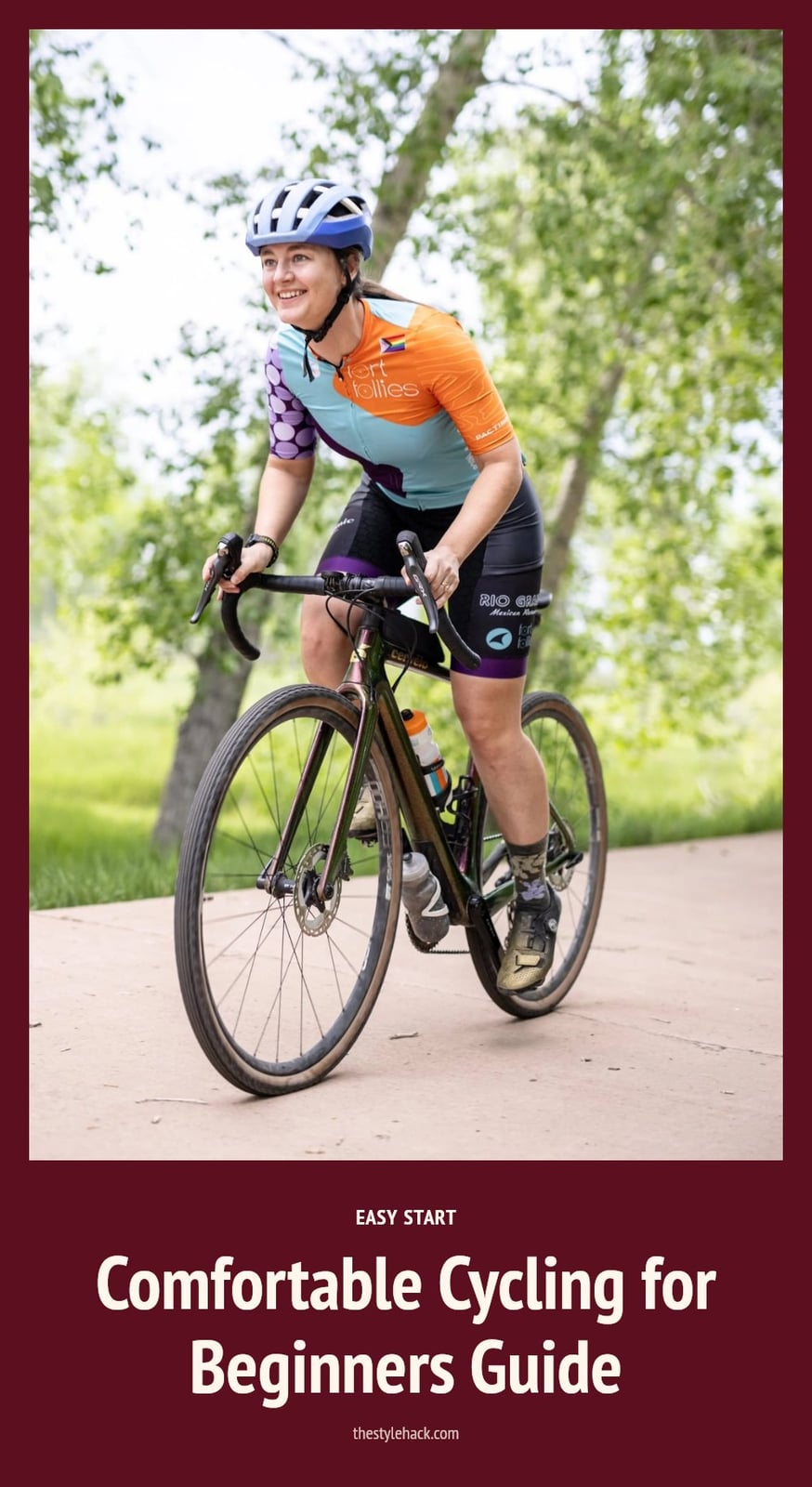
Getting comfortable on a bike is the first step to making cycling a habit you actually enjoy. Whether you’re riding for fitness or just to get around, a few simple adjustments to your bike and gear can make all the difference. In this article, I’ll walk you through the essentials for a smooth, safe start.
From setting your saddle height to choosing the right shorts, the goal is to help you ride without aches or second-guessing. No need to overthink it, just a handful of smart choices and you’ll be ready to roll.
Key Takeaways
- Set your saddle so your heel just touches the pedal at the bottom of the stroke, keeping a slight knee bend.
- Start with 20-30 minute rides on flat terrain, 2-3 times a week, then gradually increase.
- Always wear a properly fitted helmet that sits level and covers your forehead.
- Check tire pressure before each ride to prevent flats and ensure a smooth roll.
- Use front and rear lights and reflective gear when riding in low light or at night.
1. Start Your Cycling Journey Right
Starting cycling is exciting, but comfort and safety come first. Focus on three things: proper bike fit, essential gear, and gradual progression. Adjust your saddle and handlebars so your body feels aligned, always wear a helmet, and begin with short, flat rides. This approach builds confidence and prevents discomfort, helping you enjoy every mile from the start.
2. 1. Choose the Right Bike Type
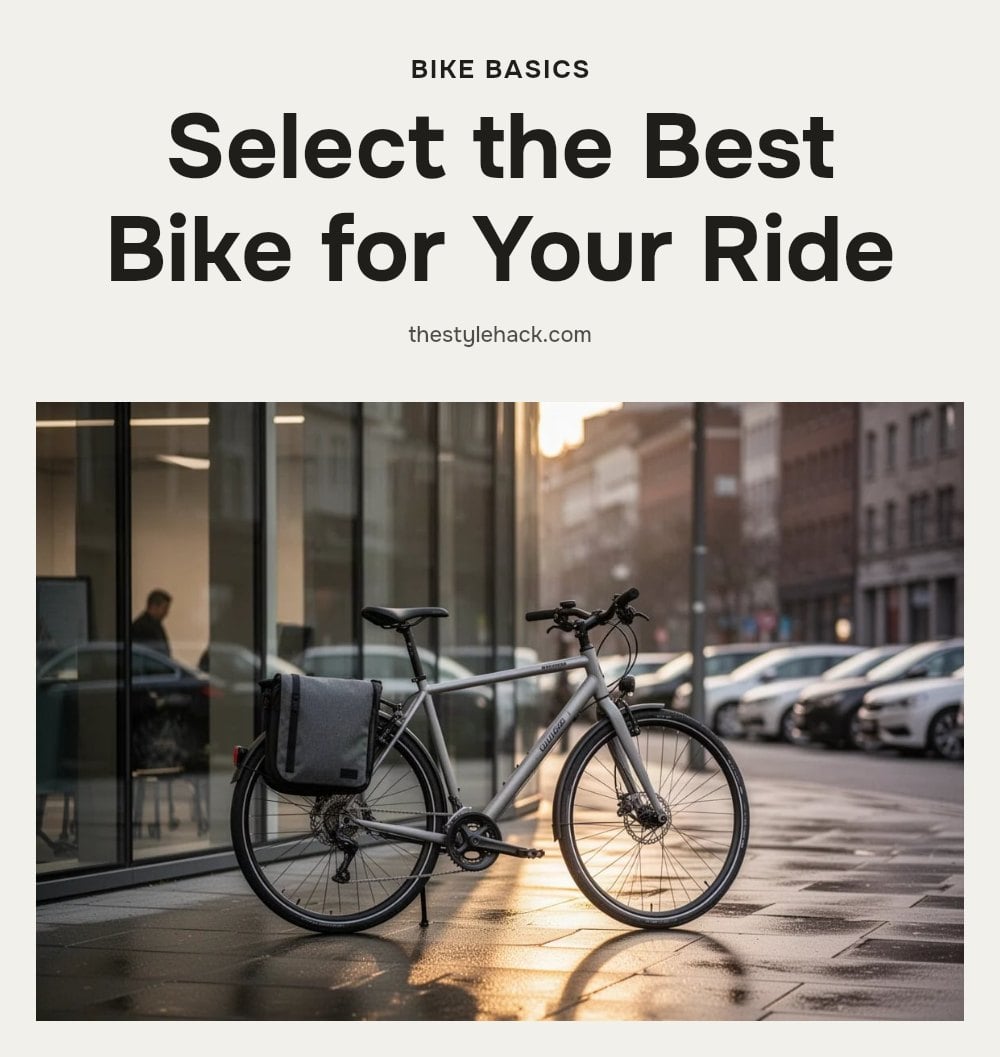
For beginners, a hybrid bike often offers the best balance of comfort and versatility. It handles pavement, gravel, and light trails without feeling too aggressive. Road bikes are faster on smooth surfaces, while mountain bikes are built for rough off-road paths. Your choice depends on where you plan to ride most.
My tip: Borrow or rent different types before buying. A weekend on a hybrid versus a road bike can reveal what feels natural. Test on your usual routes, not just a parking lot, to get a real sense of each bike’s handling.
3. 2. Master Your Saddle Height
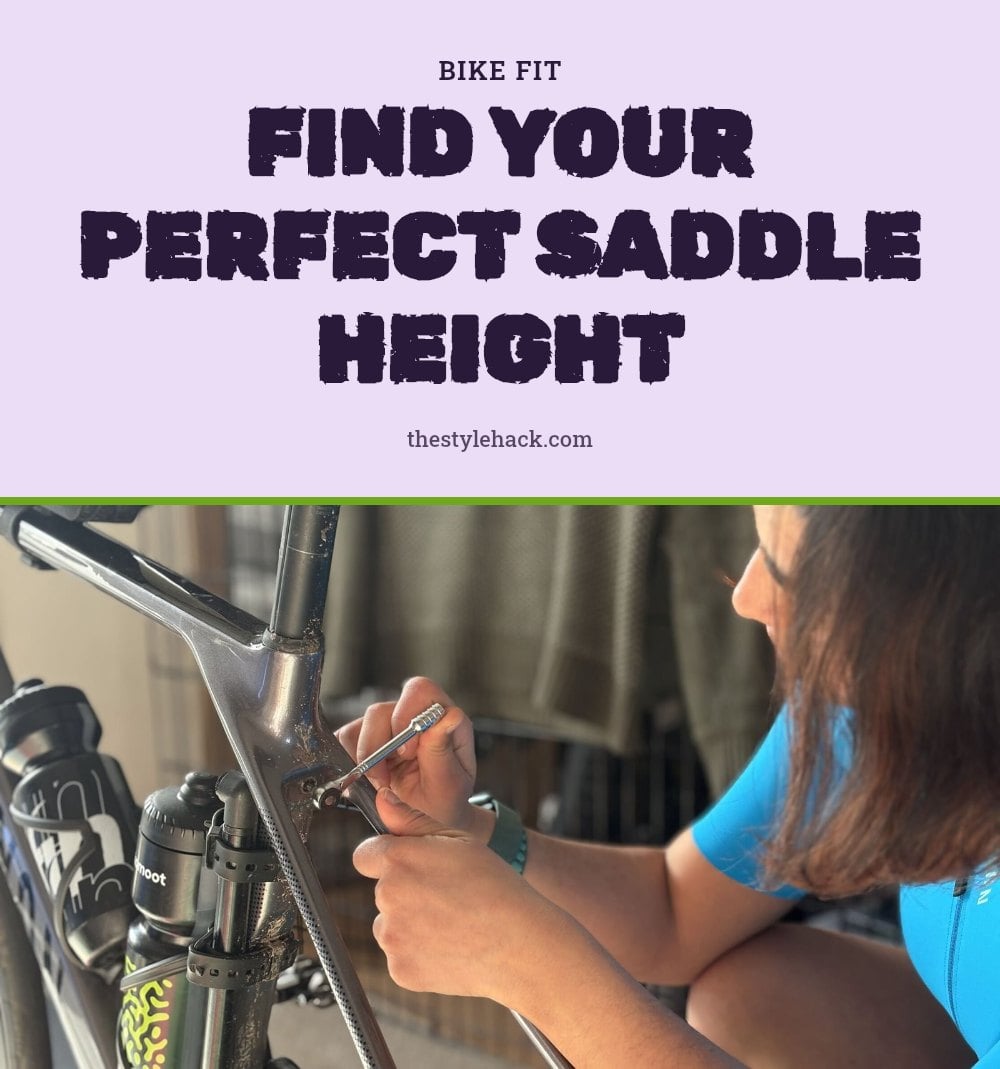
Proper saddle height is crucial for comfort and efficiency. When it’s too low, you’ll strain your knees and lose power. Too high, and you’ll rock side to side, risking chafing and instability.
Set it so your heel just touches the pedal at the bottom of the stroke, with a slightly bent knee (25 to 35 degrees of flexion). This position allows a full, smooth pedal rotation.
My tip: If you feel unstable, start with the saddle a little lower, then raise it gradually as you gain confidence. Small changes, about a quarter inch at a time, make a big difference.
4. 3. Adjust Handlebar Position
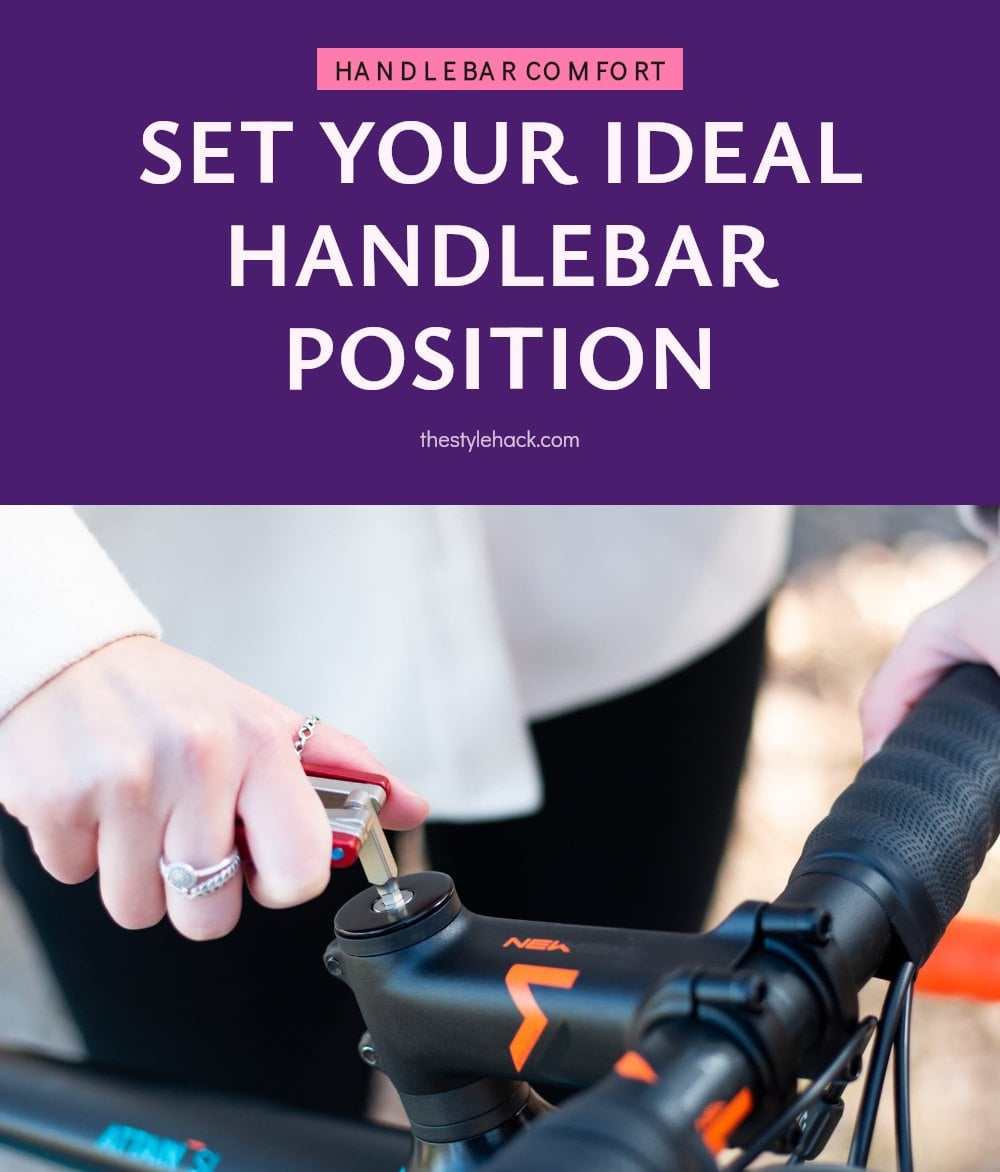
Handlebar height shapes your whole riding posture. Aim for a comfortable, slightly forward lean without putting excessive pressure on your hands or wrists. If the bars are too low, you’ll strain your back and neck. Too high, and steering feels less responsive.
Start with the bars at saddle height or slightly below, then adjust in small increments. You want a relaxed reach, not a stretched one.
Tip: Test different heights on a short ride. Make one small change at a time, and pay attention to any numbness or tension in your shoulders and wrists. The right position feels natural, allowing good control without effort.
5. 4. Always Wear a Helmet
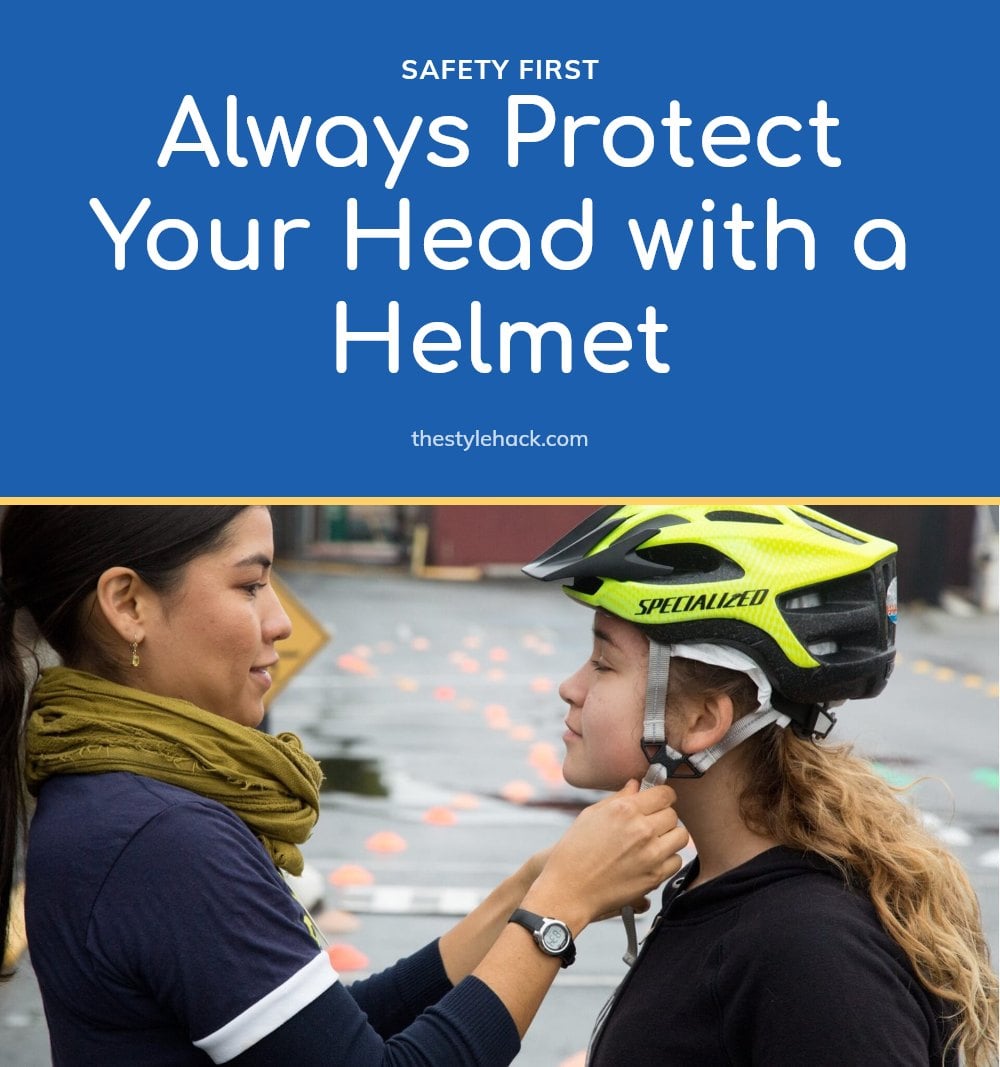
A properly fitted helmet is non-negotiable for safety. It protects against head injuries in a fall, so wear it on every ride, no matter how short. The helmet should sit snugly, level on your head, and cover your forehead, with the chin strap fastened securely.
Check that it doesn’t move when you shake your head. If it shifts, tighten the straps or adjust the fit dial. Good to know: Replace your helmet after any significant impact, even if it looks fine. The foam inside can compress and lose its protective integrity without visible damage.
6. 5. Invest in Padded Shorts
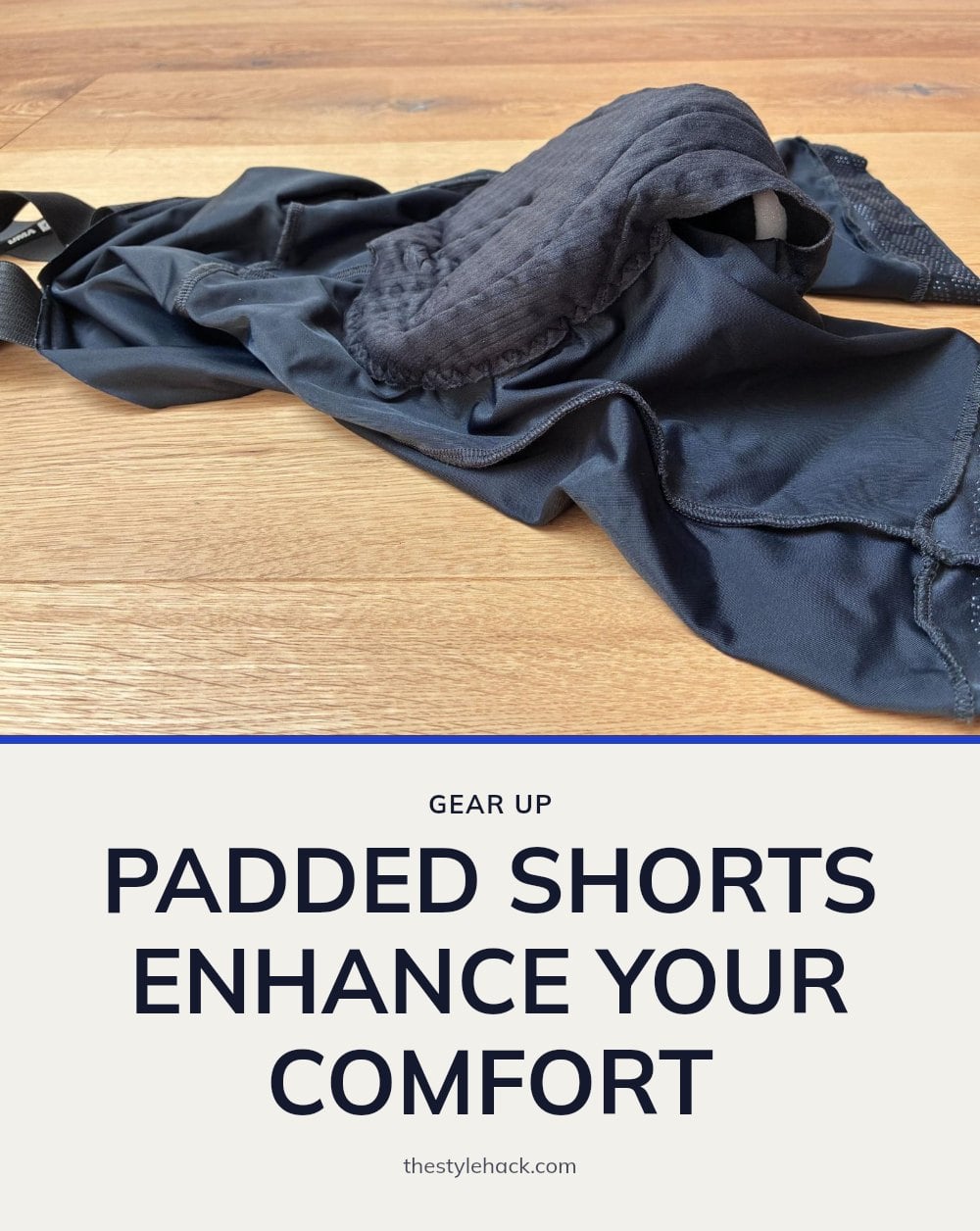
Padded cycling shorts reduce discomfort on longer rides by preventing chafing and providing cushioning where you need it most. The padding, called a chamois, absorbs vibration and friction against the saddle. Wear them without underwear to minimize friction and avoid seams digging in.
You don’t need expensive ones to start, but a good pair makes a real difference. Pro move: Don’t underestimate the power of quality shorts. They can make or break your riding experience, especially when you’re just getting used to the saddle.
7. 6. Learn Basic Braking Techniques
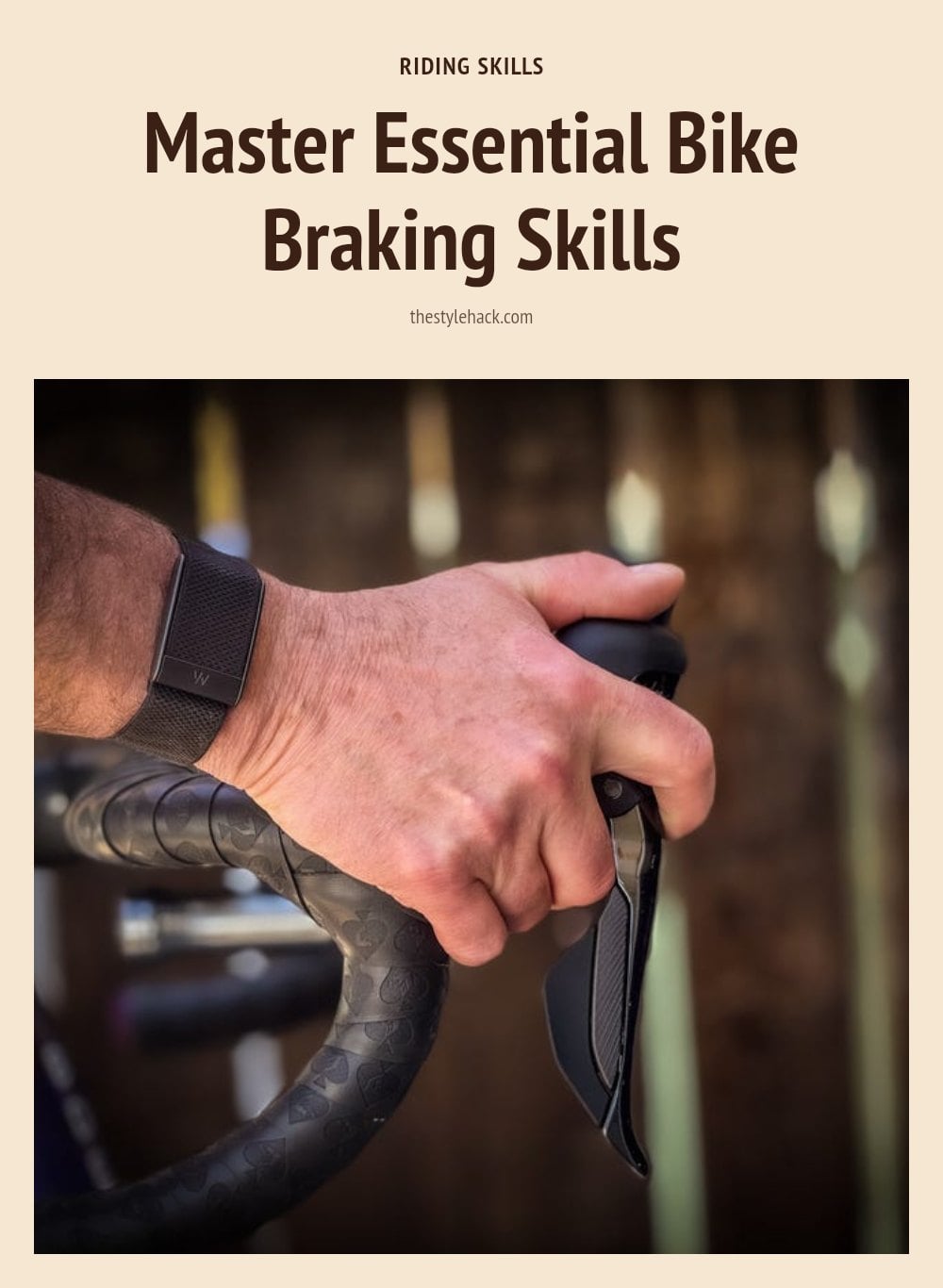
Brake gently and evenly, using both brakes together. The front brake provides most of the stopping power, but apply it cautiously to avoid pitching over the handlebars. The rear brake helps stabilize, especially on loose or wet surfaces.
Practice in a safe, empty area. Squeeze both levers smoothly, feeling how the bike responds. Quick tip: Always look where you want to go, not at the obstacle, and brake smoothly rather than abruptly. This keeps you balanced and in control.
8. 7. Shift Gears Smoothly
Shift gears smoothly by easing pressure on the pedals slightly as you switch. This reduces strain on the drivetrain and prevents the chain from skipping or jamming. Use lower gears for climbing hills and higher gears for flat terrain or downhill sections.
Pedal lightly while shifting, then resume normal pressure. Tip: Anticipate terrain changes and shift before you need to, rather than struggling in the wrong gear. This makes your ride more efficient and prevents unnecessary wear on your bike.
9. 8. Start Short and Flat
Start with shorter, flatter rides to build endurance and confidence before tackling longer distances or hills. Aim for 20-30 minute rides 2-3 times a week, then gradually increase duration and intensity as you feel more comfortable.
Good to know: Explore local bike paths or quiet streets to get comfortable with your bike and surroundings. This lets you focus on pedaling and steering without worrying about traffic.
10. 9. Stay Hydrated and Fueled
Drink water before, during, and after every ride, especially in warmer weather. Dehydration can cause fatigue and headaches, making your ride less enjoyable. For rides over an hour, bring snacks like energy bars or fruit to keep your energy up.
Pro move: A water bottle cage on your bike makes hydration easy and accessible while riding, so you don’t have to stop.
11. 10. Check Tire Pressure Regularly
Check your tire pressure before each ride. Properly inflated tires roll faster, reduce the risk of flats, and make for a smoother, more comfortable ride. Look at the sidewall of your tires for the recommended pressure range, and use a pump with a gauge to hit it.
Quick tip: A good floor pump with a gauge is a worthwhile investment for consistent tire maintenance. It’s more accurate than a hand pump and easier to use.
12. 11. Be Visible and Aware
Use reflective gear and lights to stay visible, especially in low-light conditions or at night. A front light helps you see, and a rear light makes you visible to drivers. Always be aware of your surroundings and anticipate potential hazards like potholes or opening car doors.
Tip: Assume drivers don’t see you and always ride defensively. Use hand signals to communicate your turns and stops, and make eye contact with drivers when possible.
13. When to Consult a Professional
Persistent pain in your knees, back, or wrists, even after adjusting your saddle and handlebars, is a signal to see a professional. A physical therapist or bike fit specialist can assess your position and make corrections you might miss on your own.
For bike issues that go beyond basic maintenance, or if you’re unsure how to fix something, a professional bike mechanic is worth the visit. They can handle brake adjustments, gear tuning, and other repairs safely.
If you have pre-existing health conditions, talk to your doctor before starting cycling. They can advise on any precautions based on your specific situation.
14. Frequently Asked Questions
15. What kind of bike is best for beginners?
A hybrid bike is often the best choice for beginners because it balances comfort and versatility. It handles pavement, gravel, and light trails without feeling too aggressive. If you plan to ride mostly on smooth roads, a road bike is faster, while a mountain bike works for rough off-road paths. Pick the one that matches where you’ll ride most.
16. How often should I ride my bike as a beginner?
Start with 20-30 minute rides 2-3 times a week. This gives your body time to adapt without overdoing it. As you feel more comfortable, gradually increase the duration or frequency. Consistency matters more than intensity in the beginning.
17. What should I eat before a bike ride?
Eat a light snack about 30-60 minutes before you ride, like a banana, a small granola bar, or toast with peanut butter. This gives you quick energy without weighing you down. For rides over an hour, bring along a snack to keep your energy steady.
18. How do I adjust my bike seat height?
Sit on the saddle and place your heel on a pedal at the bottom of the stroke. Your leg should be straight, with a very slight bend at the knee. If your hips rock side to side when pedaling, the seat is too high. Adjust in small increments until the position feels stable and comfortable.
19. Final Thoughts
If you take one thing from this, let it be this: get the basics right before you worry about speed or distance. A comfortable bike fit, a well-worn helmet, and a consistent short-ride routine will carry you further than any fancy gear. Expect to feel a bit awkward for the first few rides, but within a couple of weeks, your confidence and endurance will grow. Keep it simple, stay safe, and enjoy the ride.
This article provides general information for beginner cyclists and is not a substitute for professional advice. If you experience persistent pain or have a medical condition, consult a doctor or a qualified bike fit specialist. Always follow local traffic laws and wear appropriate safety gear.
More Blog ideas
- How to Heal Chapped Lips Overnight with Simple Steps
- Atomic Habits: 5 Lessons to Build Better Habits
- Hyaluronic Acid for Beginners
- How to Build a Gentle Skincare Routine for Sensitive Skin
- Beat Frizzy Hair: Easy Remedies for Smooth, Shiny Strands
- How to Increase Your Daily Drinking Water Intake
- Washing Hair Mistakes to Avoid and What to Do Instead
- Bleaching Hair Tips for Less Damage
- How to Make Your Body Mist Last Longer All Day
- How to Fix Your Skincare Routine
- Nervous System Regulation Tips
- Vagus Nerve Exercises for Stress Relief