How to Make a Daily Routine Schedule for a Balanced Life
Learn how to make a daily routine schedule that reduces stress, boosts productivity, and brings balance to your life. Get actionable steps and tips.


If you feel like your days are a blur of tasks and you never have time for yourself, a daily routine schedule can be the anchor you need. It’s not about filling every minute with work, but about creating a predictable flow that supports your goals and well-being. In this article, I’ll walk you through how to build a flexible routine that reduces stress, boosts productivity, and leaves room for what matters most.
Key Takeaways
- Start with one or two small habit changes, like a consistent wake-up time, to avoid burnout.
- Include time blocks for both focused work and self-care to prevent overwhelm.
- Review your routine weekly or monthly to adjust it as your life changes.
- Allow buffer time between tasks to handle unexpected events without stress.
- Prioritize your most important tasks early in the day to beat procrastination.
1. What is a Daily Routine Schedule and Why Do You Need One?
A daily routine schedule is a planned structure for your day that balances tasks, self-care, and leisure. It’s not about rigid rules; it’s a flexible framework that gives your day shape. By reducing the number of decisions you make, a routine lowers stress and adds predictability. It also helps you manage time more effectively, supports healthy habits, and leads to a more balanced, fulfilling life.
2. Essential Tools for Building Your Daily Routine
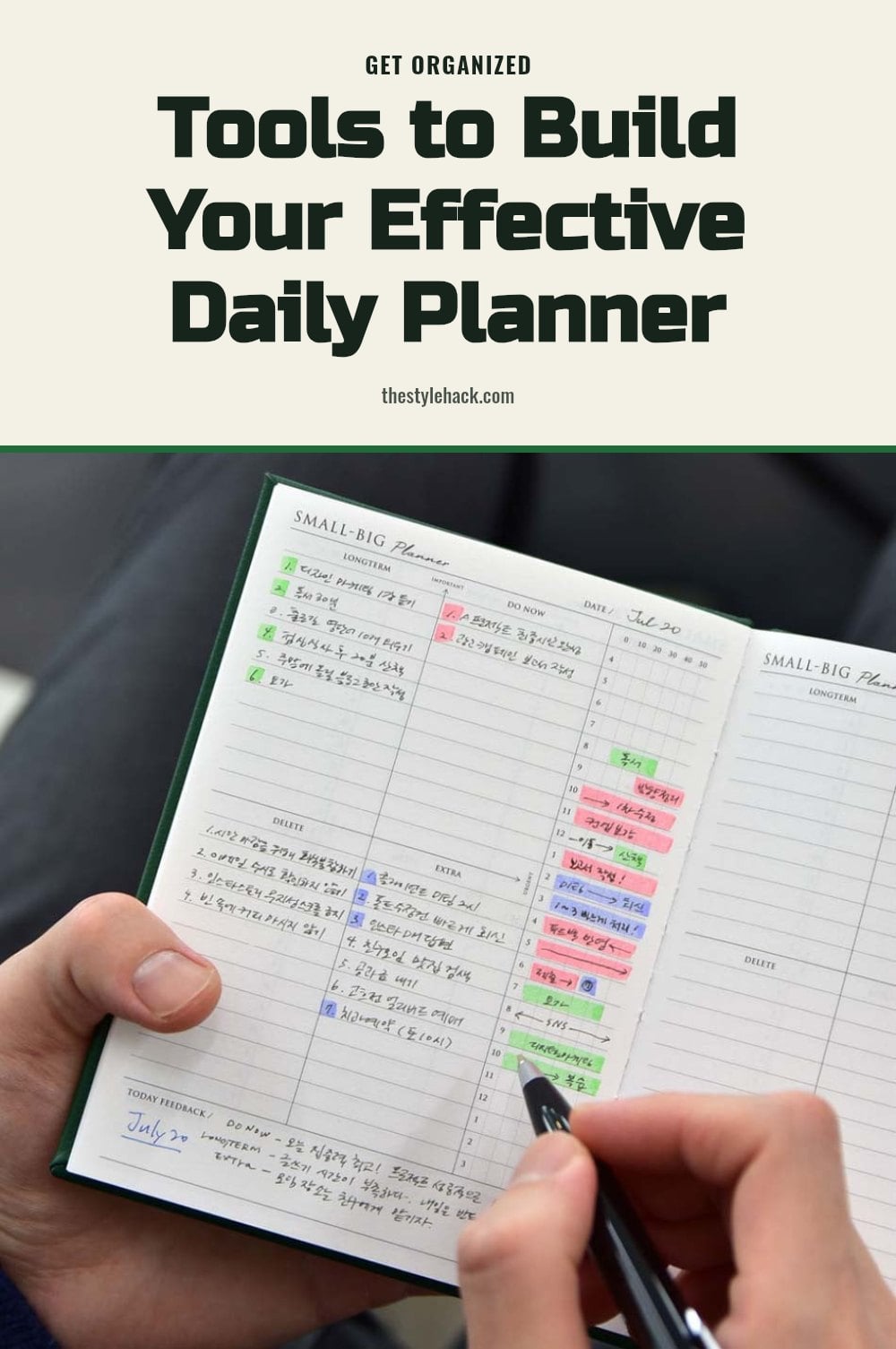
You don’t need a lot of fancy gear to build a routine. Start with these basics:
- Planner: Digital or physical, use it to map out your day and keep your schedule visible.
- Calendar app: Set appointments and reminders so nothing slips through the cracks.
- To-do list app or notebook: Track tasks and check them off as you go.
- Timer: Use it for time blocking and focused work sessions.
These tools work together to keep you organized and on track.
3. Step-by-Step: Crafting Your Personalized Daily Routine

Building a routine that sticks takes a few deliberate steps. Here’s how I approach it:
- Identify your priorities: Before planning, list your core values and top goals. Your routine should support what matters most, not just fill time.
- Set consistent sleep times: Wake up and go to bed at the same time daily, even on weekends. Consistent sleep improves energy and makes the rest of your routine easier.
- Time block important tasks: Assign specific slots for your key activities. For example, 9 to 11 a.m. for deep work. This boosts productivity by giving each task a clear start and end.
- Tackle critical tasks early: Do your most important work first thing in the morning. You’ll avoid procrastination and feel accomplished early.
- Schedule breaks and self-care: Block out time for lunch, short walks, or reading. These pauses prevent burnout and keep you refreshed.
- Add buffer time: Leave 10 to 15 minutes between tasks to handle overruns or transitions. This keeps your schedule realistic.
- Review and adjust: At the end of each week, look at what worked and what didn’t. Tweak your routine to fit your current needs.
My tip: start with just two or three of these steps. Once they feel natural, add more.
4. Example Daily Routine Schedule for a Productive Day
Here’s a simple template to get you started. It’s built for a typical weekday, but you can shift the times to match your life.
| Time | Activity |
|---|---|
| 7:00 AM | Wake up, morning routine |
| 8:00 AM | Breakfast and plan the day |
| 9:00 AM | Focused work block |
| 12:00 PM | Lunch and short break |
| 1:00 PM | Meetings or administrative tasks |
| 3:00 PM | Afternoon break, walk |
| 3:30 PM | Deep work or project time |
| 5:30 PM | Exercise or self-care |
| 7:00 PM | Dinner and leisure |
| 9:30 PM | Evening wind-down |
| 10:30 PM | Sleep |
Adjust the times to fit your energy peaks and personal commitments. The key is to keep the structure flexible enough to adapt.
5. Common Mistakes When Building a Daily Routine (and How to Fix Them)
Trying to implement too many changes at once: Starting with a full overhaul is a fast track to burnout. Pick just one or two small habits, like a consistent wake-up time or a 10-minute morning stretch, and build from there.
Creating an overly rigid schedule: A routine without flexibility breaks at the first unexpected event. Leave buffer time between tasks and allow yourself to shift blocks when life happens.
Not including enough time for rest or breaks: Skipping breaks drains your energy fast. Schedule dedicated self-care time and buffer slots so you have room to breathe and recover.
Neglecting sleep, nutrition, or physical activity: These are the foundation of any productive day. Prioritize a consistent bedtime, balanced meals, and short movement breaks, even a 20-minute walk counts.
Failing to review and adjust your routine: What worked last month may not work now. Set a weekly or monthly check-in to assess what’s working and tweak your schedule so it stays effective.
6. Top Tips for Sticking to Your New Daily Routine

Batch similar tasks together: Grouping all your emails, errands, or phone calls into one block cuts down on context switching and saves mental energy.
Establish a consistent evening routine: A wind-down ritual, like dimming lights, reading, or light stretching, signals your body that it’s time to sleep, improving rest quality.
Start with a positive morning routine: A few minutes of quiet, hydration, or movement sets a calm, focused tone for the hours ahead.
Don’t compare your routine to others: Your life, energy levels, and priorities are unique. Personalize your schedule to fit you, not someone else’s highlight reel.
Be realistic about what you can accomplish: Overestimating leads to frustration. My tip: plan for 60-70% of your ideal output and leave the rest for buffer or unexpected tasks.
7. Frequently Asked Questions
8. How long does it take to establish a new daily routine?
It typically takes between 21 and 66 days for a new habit to become automatic. The exact time depends on the complexity of the habit and your consistency. Be patient and focus on small, sustainable changes rather than trying to overhaul everything at once.
9. What if I miss a day or get off track with my routine?
Don’t get discouraged. Missing a day is normal and not a failure. Simply get back on track the next day without guilt. A routine is meant to be flexible, so use it as a guide, not a rulebook. The key is consistency over time, not perfection.
10. Should I include weekends in my daily routine schedule?
Yes, but keep it looser than your weekday schedule. Maintaining consistent sleep and meal times on weekends can support your energy levels and make Monday easier. However, leave plenty of room for spontaneity, rest, and activities you enjoy.
11. How can I make my routine flexible enough for unexpected events?
Build buffer time between tasks, such as 15 to 30 minutes, to absorb overruns or surprises. Also, avoid overscheduling your day. When something unexpected comes up, shift a non-urgent task to another slot or day rather than trying to squeeze it in.
12. Final Thoughts
Start small: pick one habit, like setting a consistent wake-up time, and build from there. Expect it to take a few weeks for the new pattern to feel natural, and give yourself grace on days you slip. A routine is a tool to support you, not a test to pass, so keep tweaking it until it fits your life.
More Blog ideas
- How to Heal Chapped Lips Overnight with Simple Steps
- Atomic Habits: 5 Lessons to Build Better Habits
- Hyaluronic Acid for Beginners
- How to Build a Gentle Skincare Routine for Sensitive Skin
- Beat Frizzy Hair: Easy Remedies for Smooth, Shiny Strands
- How to Increase Your Daily Drinking Water Intake
- Washing Hair Mistakes to Avoid and What to Do Instead
- Bleaching Hair Tips for Less Damage
- How to Make Your Body Mist Last Longer All Day
- How to Fix Your Skincare Routine
- Nervous System Regulation Tips
- Vagus Nerve Exercises for Stress Relief