Damaged Hair Remedies: How to Restore Your Hair’s Health
Discover effective damaged hair remedies to restore moisture, strengthen strands, and prevent further damage. Learn gentle care and deep conditioning.

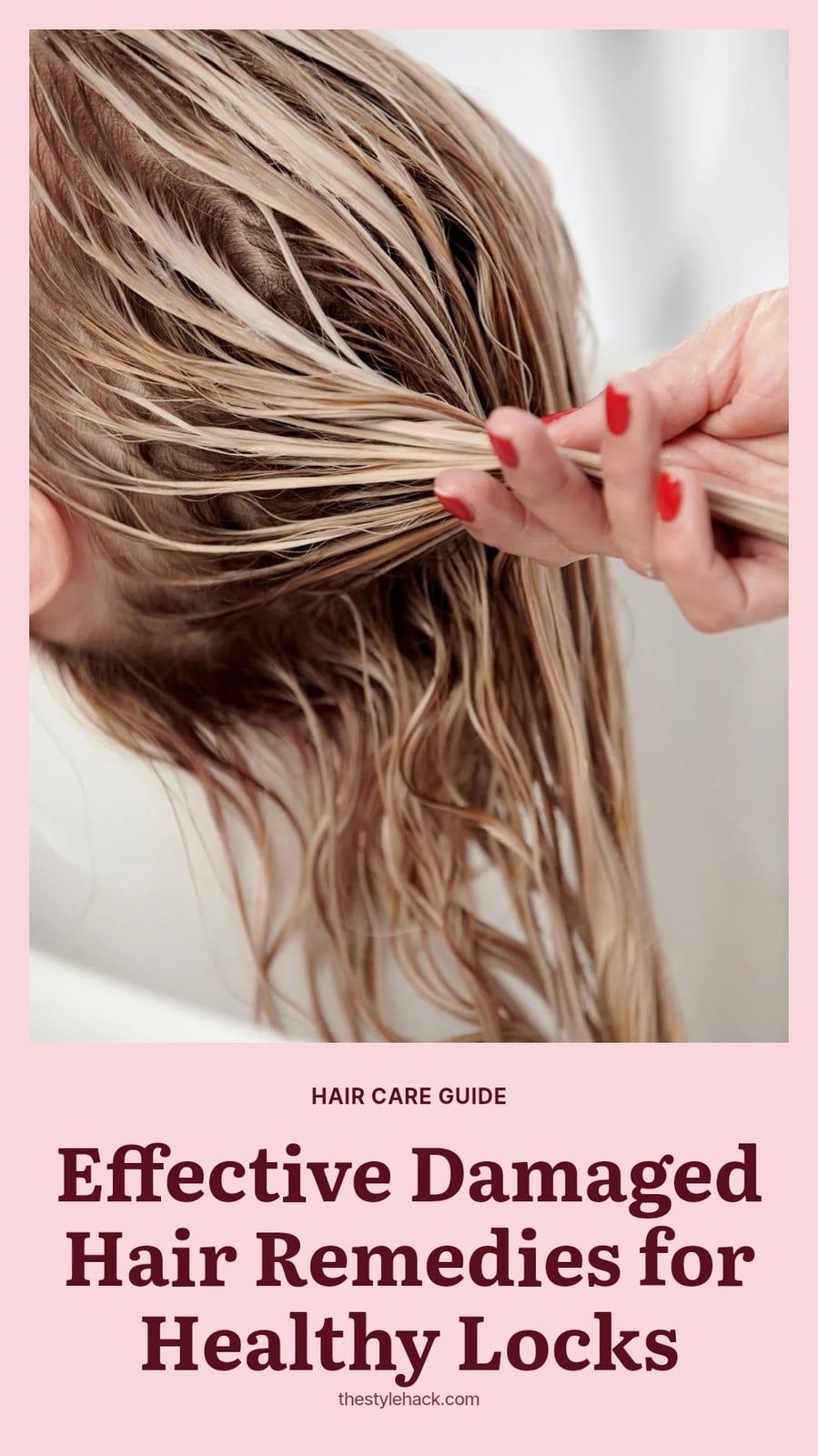
If your hair feels dry, brittle, or looks dull no matter what you do, you’re likely dealing with damage to the outer cuticle layer. The good news is that with the right routine, you can restore moisture, strengthen strands, and prevent further breakage. This article covers the most effective remedies for damaged hair, from step-by-step care to common mistakes to avoid.
Key Takeaways
- Wash damaged hair no more than two to three times a week to avoid stripping natural oils.
- Use a heat protectant spray before any heat styling to reduce damage.
- Get a trim every six to eight weeks to permanently remove split ends.
- Apply coconut oil one hour before washing to protect hair from water damage.
- Choose sulfate-free shampoo and conditioner to preserve your hair’s moisture.
1. Quick Fix for Damaged Hair
Damaged hair can be significantly improved with a consistent routine built on gentle care, deep conditioning, and protective measures. The most effective remedies restore moisture, strengthen the hair shaft, and prevent further harm. While some damage is reversible, severely compromised ends often need a trim to remove the most affected parts. Start with a sulfate-free shampoo, a weekly deep conditioning mask, and always use a heat protectant before styling.
2. Why Your Hair Gets Damaged
3. What Damages Your Hair
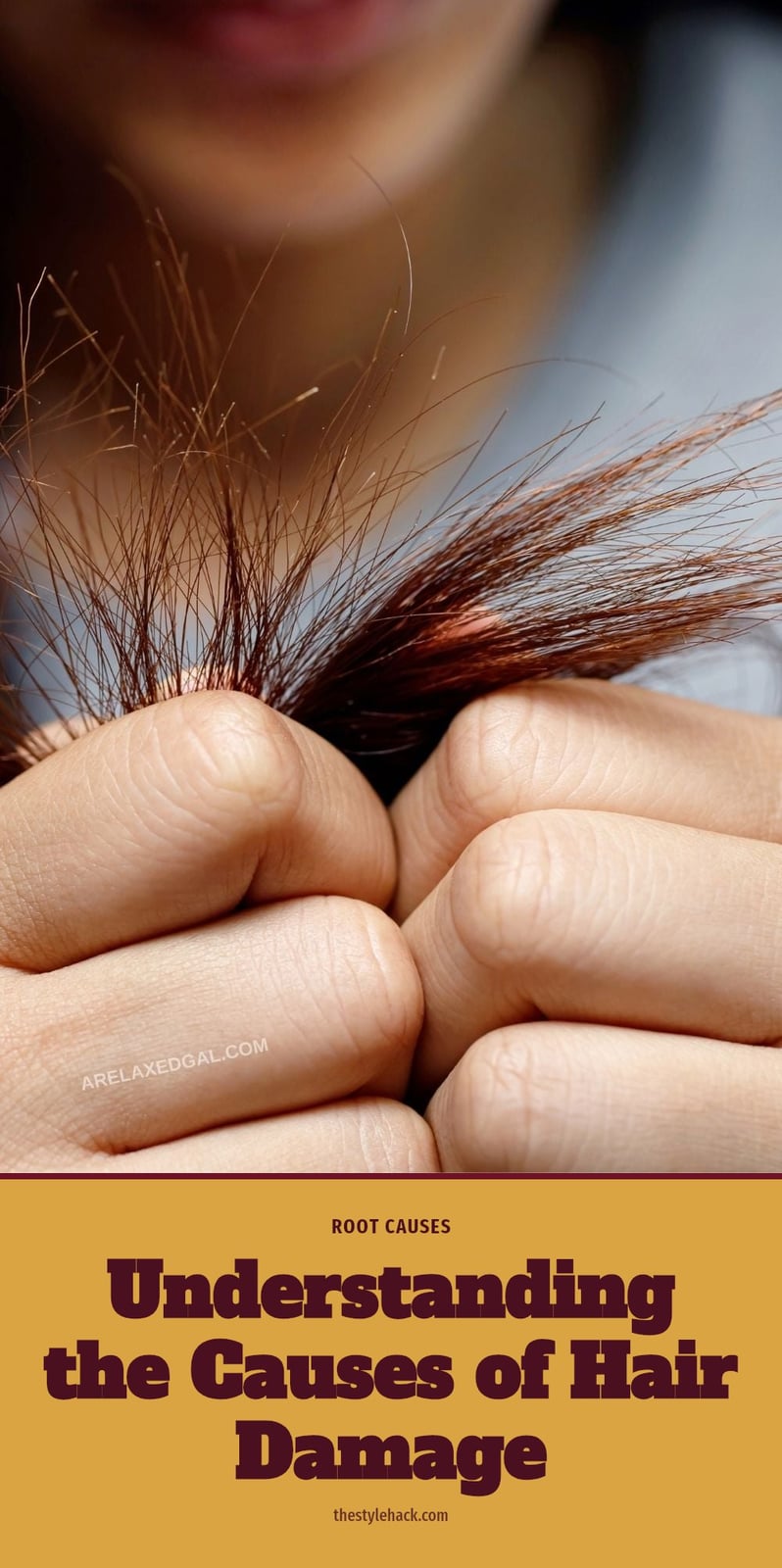
Hair damage starts when the outer cuticle layer lifts or erodes, exposing the inner cortex. This makes strands vulnerable to moisture loss and breakage. Common culprits include heat styling tools, chemical treatments like coloring or perms, vigorous brushing, and environmental factors such as UV rays.
Once the cuticle is compromised, hair loses moisture quickly, becoming brittle and prone to frizz. The good news is that understanding these causes helps you avoid them and choose the right repair strategies.
4. Essential Tools for Hair Repair
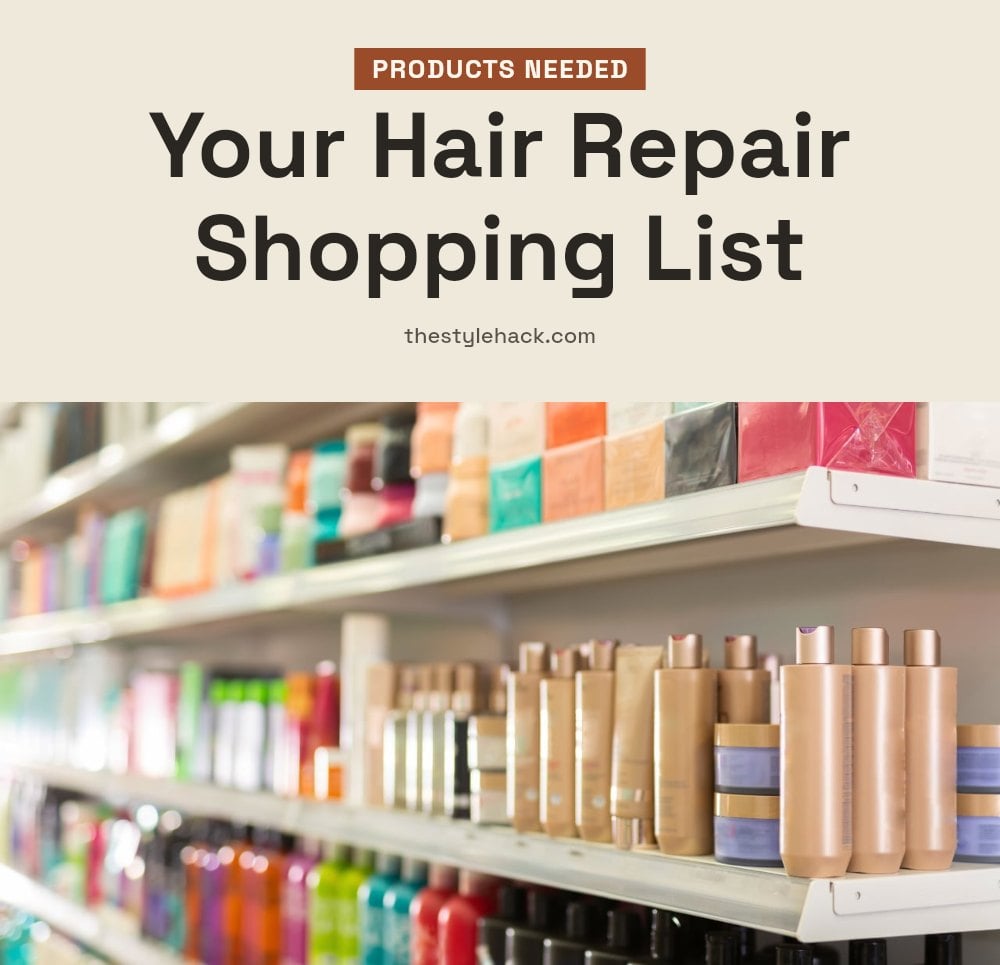
Having the right tools and products makes a real difference in repairing damaged hair. Here is what you need:
- Deep conditioning mask: Provides intense moisture and nourishment, use once or twice a week.
- Sulfate-free shampoo and conditioner: Gentler on hair, preserves natural oils.
- Wide-tooth comb: Essential for detangling wet hair without breakage.
- Heat protectant spray: Creates a barrier against styling tool damage.
- Hair oil (argan or coconut): Adds extra moisture and shine.
- Microfiber towel: Reduces friction and frizz during drying.
5. Step-by-Step: Repairing Damaged Hair
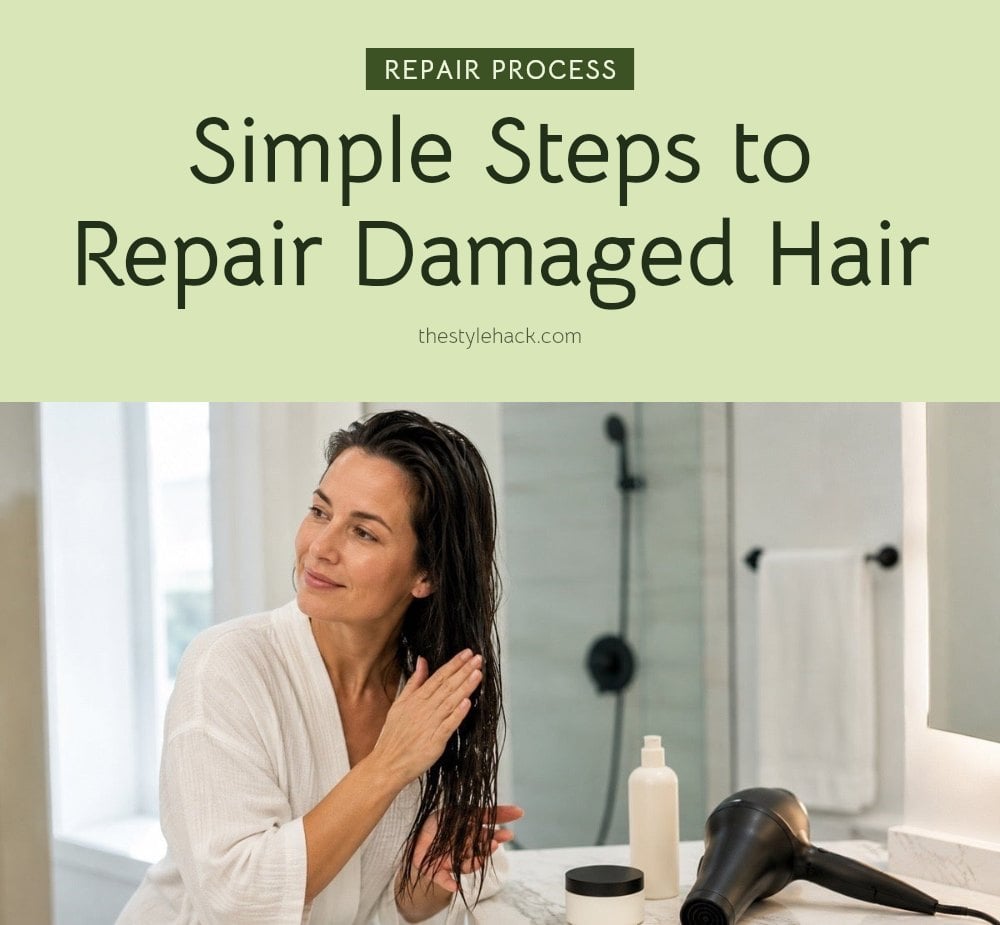
Follow this step-by-step routine to repair damaged hair, based on a proven method.
- Identify your hair type: Determine if your hair is straight, wavy, curly, or kinky, and note your scalp type (dry, oily, or sensitive). This helps you pick the right products.
- Prep with coconut oil: About an hour before washing, apply coconut oil to your hair, focusing on the ends. This protects against water damage and protein loss. This is a pre-wash treatment, not a leave-in oil.
- Wash sparingly: Limit washing to 2-3 times a week. Use a sulfate-free, moisturizing shampoo suited to your scalp. If you have an oily scalp, clarify once every two weeks with a clarifying shampoo, focusing on the roots. Follow with a deep conditioner to replenish moisture.
- Use a scalp massager: Gently clean your roots with a scalp massager, using light pressure to avoid stress and damage. Think of it as a gentle massage, not a scrub.
- Deep condition: Apply a deep moisturizing conditioner, clip your hair up, and leave it in for 5-10 minutes before rinsing.
- Filter your water: Install a shower head water filter to remove chlorine, heavy metals, and other damaging chemicals.
- Micro-plop: After washing, gently scrunch your hair with a microfiber towel to reduce friction and frizz.
- Seal in moisture: Apply a leave-in conditioner to lock in hydration.
- Use scalp oil: The day before washing, apply a scalp oil like coconut, argan, or jojoba to keep your scalp and hair healthy. This is a separate treatment from the pre-wash coconut oil, applied to the scalp, not the lengths.
- Finish with gel serum: Once your hair is dry, apply a gel serum to tame frizz and add shine.
Here is the method in action: Beauty Theory demonstrates it in about 11 minutes. The how-to part starts at 4:29.
6. Common Mistakes That Worsen Hair Damage

Over-washing Hair: Washing more than two to three times a week strips natural oils and damages the F-layers, lifting cuticles and increasing frizz. Stick to a minimal schedule for damaged hair.
Vigorous Towel Drying: Rubbing hair with a regular towel creates friction that causes breakage and frizz. Always micro-plop with a microfiber towel to gently squeeze out excess water.
Brushing Wet Hair with a Standard Brush: Hair is most fragile when wet. Use a wide-tooth comb, starting from the ends and working upward, to detangle without snapping strands.
Overusing Heat Styling Without Protection: High heat without a heat protectant spray compromises the hair’s structure. Apply a heat protectant every time you style.
Believing Split Ends Can Be Repaired: Split ends cannot be fused back together. Regular trims every six to eight weeks are the only way to remove them and prevent further damage.
7. Smart Tips for Healthier Hair

Understand Your Hair Porosity: Knowing how well your hair absorbs moisture helps you pick the most effective products and treatments. Low-porosity hair needs lighter products; high-porosity hair benefits from richer ones.
Lukewarm Water is Best: Wash your hair with lukewarm water. Hot water strips essential natural oils, leaving hair drier and more prone to damage.
Air-Dry When Possible: Let your hair air-dry whenever you can. If you must use a blow dryer, even the lowest heat setting can still cause damage over time. Apply a heat protectant spray first, and keep the dryer moving to minimize direct heat on any one section.
Protect from the Sun: Excessive sun exposure degrades hair proteins and pigments. Wear a hat or use a UV-protective spray when spending time outdoors.
Consider a Silk Pillowcase: Silk or satin pillowcases reduce friction on your hair while you sleep, which can minimize breakage and frizz.
8. Preventing Future Hair Damage
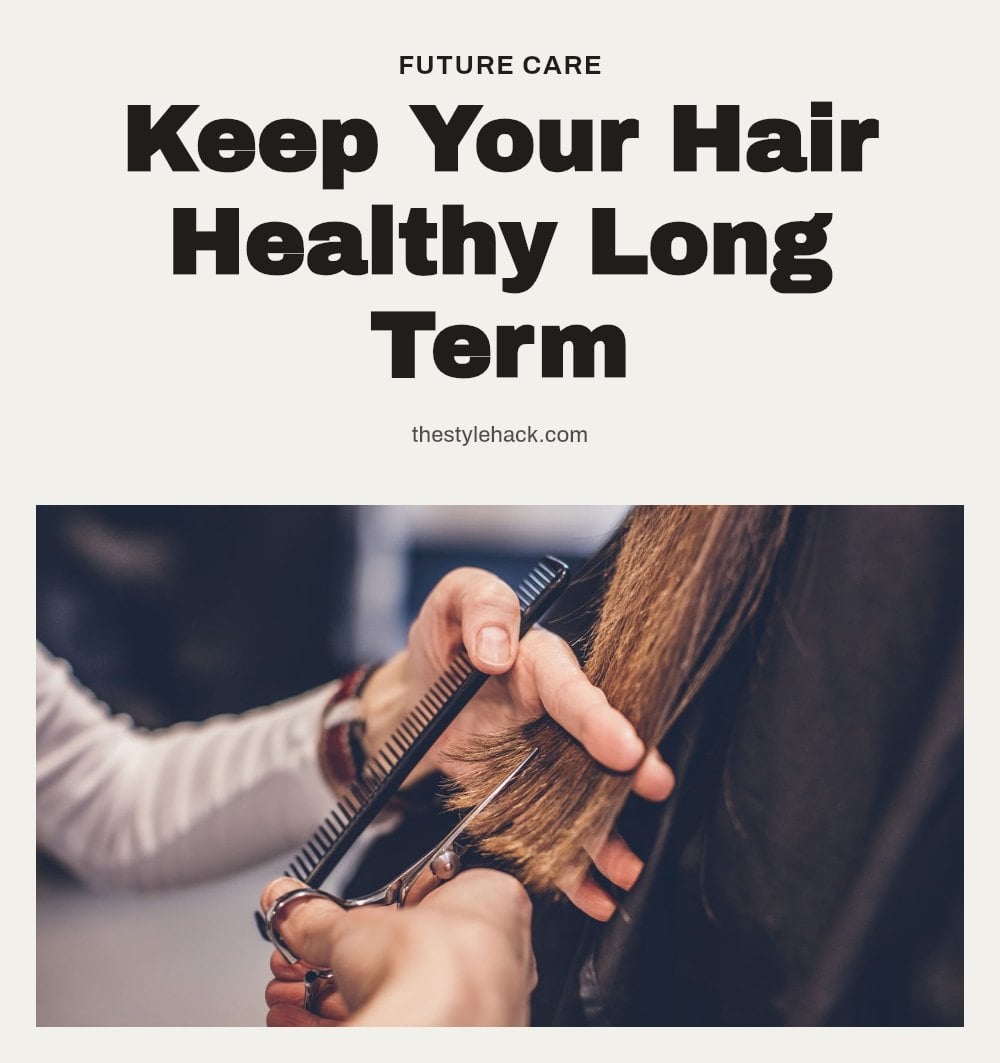
Regular Trims: Get a trim every six to eight weeks to remove split ends before they travel up the hair shaft and cause more damage.
Limit Chemical Treatments: Avoid over-processing your hair with too many colorings, perms, or relaxers in a short period. Space them out to let your hair recover.
Use Heat Protectant Always: Make it a habit to apply a heat protectant spray every single time you use heat styling tools, even on low settings.
Gentle Detangling: Always use a wide-tooth comb and start detangling from the ends, working your way up to avoid breakage.
Balanced Diet: A diet rich in proteins, vitamins, and minerals supports strong, healthy hair from the inside out. Include foods like eggs, nuts, and leafy greens.
9. When to Consult a Professional
If you experience severe damage such as extreme breakage, chemical burns on the scalp, or sudden, significant hair loss, see a dermatologist or professional hairstylist.
When at-home remedies and consistent care don’t show improvement after several months, professional advice can help identify underlying issues.
Consult a pro for personalized treatment plans, especially if you have unique hair porosity or scalp conditions. Also, before any major chemical treatment, get a professional assessment to ensure your hair is healthy enough to withstand the process.
10. Frequently Asked Questions
11. How long does it take to see results from damaged hair remedies?
You can notice improvements in texture and appearance within a few weeks of consistent care. For severely damaged hair, full restoration may take several months and will likely require regular trims to remove the most damaged ends.
12. Can split ends truly be repaired without a trim?
No, split ends cannot be repaired or fused back together. The only way to permanently remove them is to have them trimmed. Products can temporarily seal the ends and make them look smoother, but the split will eventually travel up the hair shaft if left untreated.
13. What are the best products for very damaged hair?
Look for a sulfate-free moisturizing shampoo, a deep moisturizing conditioner, and a leave-in conditioner to seal in moisture. A deep conditioning mask used once or twice a week provides intense nourishment. For added strength, consider a protein treatment, but use it sparingly to avoid stiffness.
14. Does diet affect hair health and damage?
Yes, a clean diet rich in protein supports hair health. Foods like eggs, avocado, sweet potato, nuts, and Greek yogurt provide nutrients that help strengthen hair from the inside. A protein-rich diet can complement your topical hair care routine.
15. What causes hair to become damaged?
Hair damage usually starts when the outer cuticle layer lifts or erodes, exposing the inner cortex. Common causes include heat styling, chemical treatments (coloring, perms, relaxers), vigorous brushing, tight hairstyles, and environmental factors like UV rays and chlorine.
16. Final Thoughts
Start with one change: swap your regular shampoo for a sulfate-free version and wash no more than three times a week. Expect to see improvements in texture and shine within a few weeks, but full restoration of severely damaged hair can take several months with consistent care. Stick with the routine, and your hair will thank you.
This article is for general informational purposes only and does not constitute medical or professional advice. Hair care results vary by individual. If you have severe damage, scalp irritation, or persistent hair loss, please consult a dermatologist or professional hairstylist.
More Blog ideas
- How to Heal Chapped Lips Overnight with Simple Steps
- Atomic Habits: 5 Lessons to Build Better Habits
- Hyaluronic Acid for Beginners
- How to Build a Gentle Skincare Routine for Sensitive Skin
- Beat Frizzy Hair: Easy Remedies for Smooth, Shiny Strands
- How to Increase Your Daily Drinking Water Intake
- Washing Hair Mistakes to Avoid and What to Do Instead
- Bleaching Hair Tips for Less Damage
- How to Make Your Body Mist Last Longer All Day
- How to Fix Your Skincare Routine
- Nervous System Regulation Tips
- Vagus Nerve Exercises for Stress Relief






