Dandruff: 9 Natural Remedies to Try at Home
Tired of an itchy, flaky scalp? Discover 9 effective natural remedies for dandruff you can try at home to soothe irritation and reduce flakes.

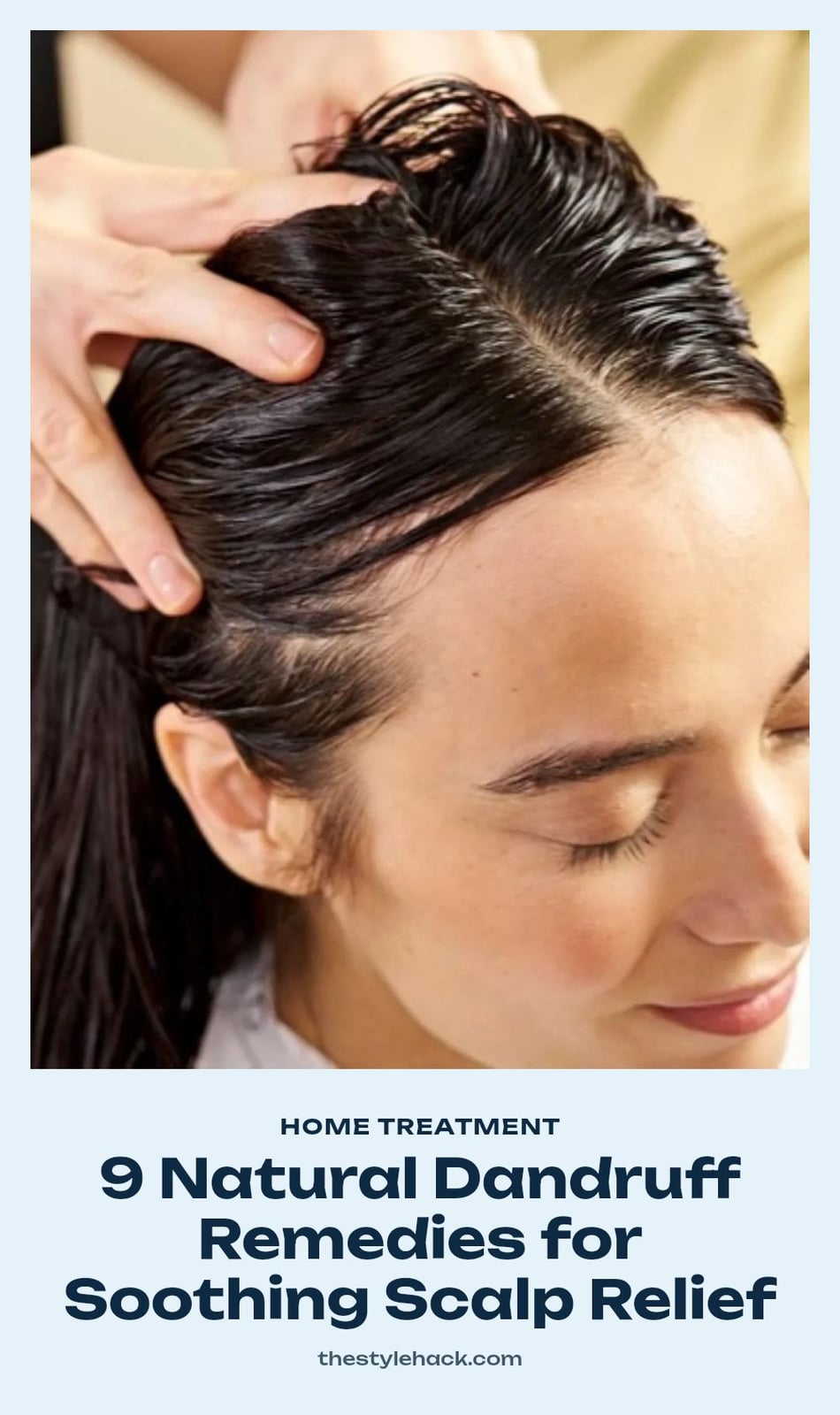
Dealing with a flaky, itchy scalp can be frustrating, but you’re not alone. Dandruff is a common condition that often stems from an overgrowth of a yeast-like fungus on your scalp. The good news is that several natural remedies can help you manage the flakes and soothe irritation right at home.
In this article, I’ll walk you through nine natural approaches, from tea tree oil to dietary tweaks, and share tips on how to use them safely and effectively. Plus, I’ll cover when it’s time to see a professional.
Key Takeaways
- Dilute essential oils like tea tree oil with a carrier oil before applying.
- Use remedies consistently 2-3 times per week for several weeks.
- Wash hair regularly with a gentle shampoo to prevent oil buildup.
- See a dermatologist if dandruff is severe or persists after home care.
- Incorporate omega-3 rich foods like salmon into your diet for scalp health.
01. What is Dandruff and How Can Natural Remedies Help?
Dandruff is a common scalp condition, a mild form of seborrheic dermatitis, that shows up as flaky skin and often itching. It’s frequently linked to an overgrowth of a yeast-like fungus called Malassezia globosa, which feeds on the natural oils on your scalp. Natural remedies can help manage these symptoms by reducing fungal growth, soothing irritation, gently exfoliating flakes, and balancing the scalp’s pH.
02. 1. Tea Tree Oil Scalp Treatment
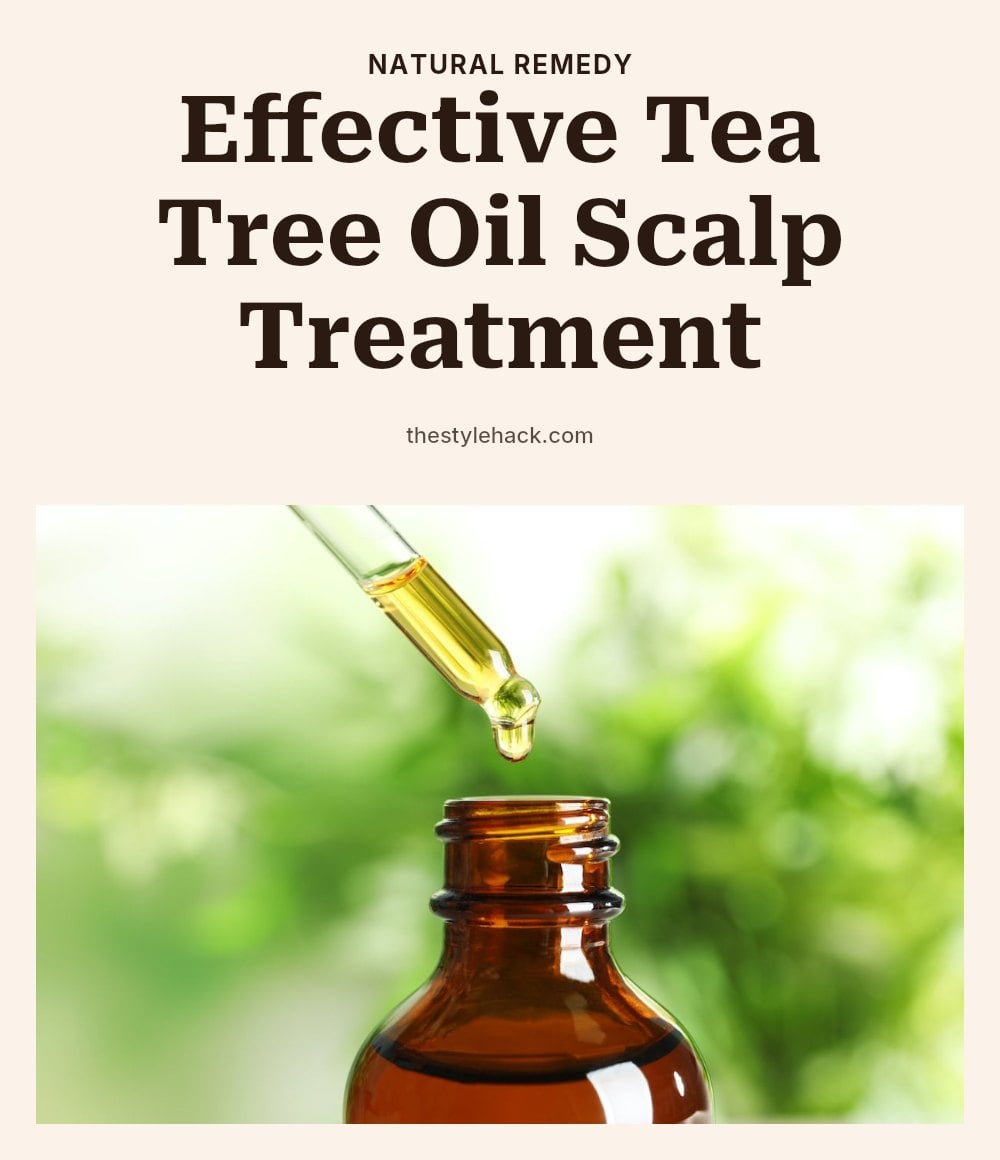
Tea tree oil is known for its antifungal and antiseptic properties, which may help fight Malassezia, the yeast often behind dandruff. Caution: Always dilute tea tree oil with a carrier oil like coconut or olive oil before applying to your scalp to prevent irritation.
- My tip: Mix a few drops of tea tree oil into your regular shampoo or conditioner for an easy boost.
- Perform a patch test on a small area of skin before using it on your whole scalp.
03. 2. Apple Cider Vinegar Rinse
Apple cider vinegar (ACV) is thought to help balance your scalp’s pH, making it less inviting for fungal growth. It also has mild antifungal properties and can help remove product buildup and dead skin cells. My tip: Dilute ACV with an equal part of water before applying, and rinse thoroughly after a few minutes to avoid a strong smell. Avoid getting it in your eyes.
04. 3. Soothing Aloe Vera Gel
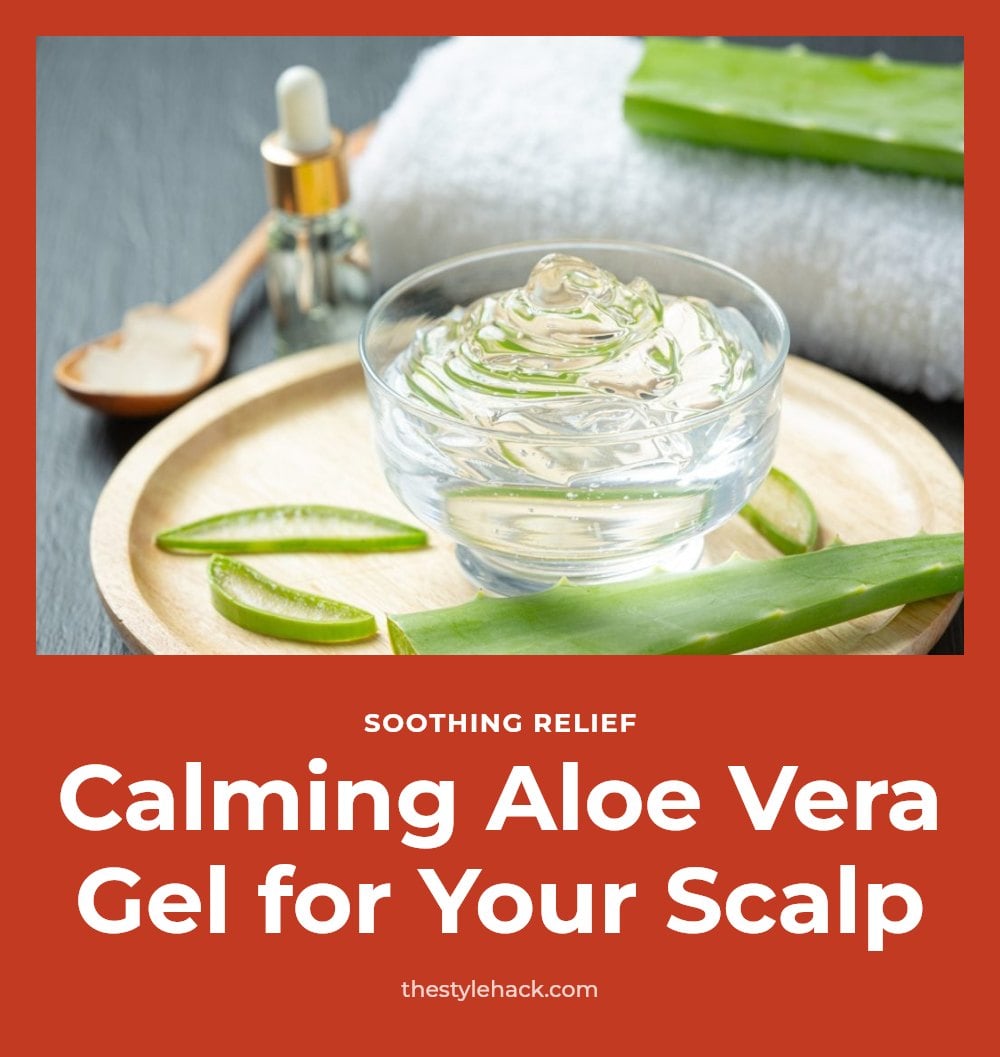
Aloe vera contains anti-inflammatory compounds that can calm an irritated, itchy scalp, a common dandruff symptom. Its moisturizing properties help prevent dryness without adding extra oil. Apply pure aloe vera gel directly to your scalp, leave it on for 20-30 minutes, then rinse with lukewarm water.
05. 4. Baking Soda Exfoliating Scrub
Baking soda acts as a mild exfoliant, helping to gently remove dead skin cells and flakes from the scalp. It may also have antifungal properties that can help reduce the yeast involved in dandruff. Tip: Mix baking soda with a little water to form a paste, apply it to your wet scalp, and massage gently in circular motions for 1-2 minutes. Rinse well. For best results, use this treatment consistently 2-3 times per week over several weeks, but start with once weekly to gauge your scalp’s reaction.
06. 5. Moisturizing Coconut Oil
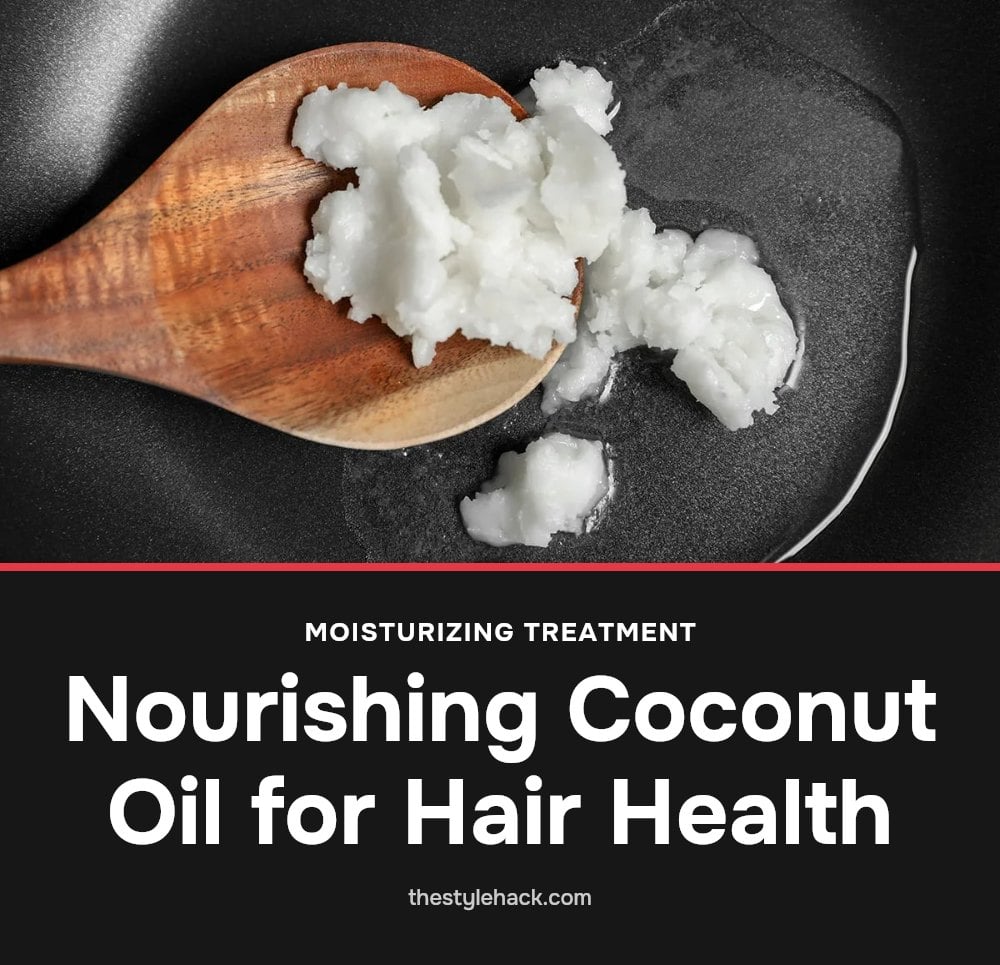
Coconut oil moisturizes a dry, flaky scalp and has some antimicrobial properties that may help against fungal overgrowth. It can also soothe inflammation and itching. Warm a small amount between your palms, massage it into your scalp, and leave it on for at least 30 minutes, or overnight for deeper hydration. Shampoo out thoroughly afterward. Tip: For best results, use this remedy consistently 2-3 times per week over several weeks, as natural treatments often need time to show improvement. If irritation occurs, stop use and consult a dermatologist.
07. 6. Lemon Juice Scalp Treatment
The acidity in lemon juice may help balance your scalp’s pH and loosen dead skin cells, reducing flakiness. It also has mild antiseptic properties. Good to know: Dilute the juice of half a lemon with an equal amount of water before applying to avoid irritation, especially if you have a sensitive scalp. Massage it into your scalp, leave it for 5-10 minutes, then rinse thoroughly. Avoid getting it in your eyes.
08. 7. Aspirin Scalp Paste
Aspirin contains salicylic acid, the same exfoliating ingredient found in many medicated dandruff shampoos. It helps loosen and shed dead skin cells, cutting down on flakes. Crush 2-3 uncoated aspirin tablets into a fine powder, mix with a small amount of your regular shampoo, and apply to your scalp. Leave it on for 2-3 minutes, then rinse well. Caution: Do not use coated or colored tablets.
09. 8. Omega-3 Rich Diet

While topical treatments target the scalp directly, what you eat can also support scalp health from the inside. Omega-3 fatty acids help regulate oil production and reduce inflammation, which may improve dandruff symptoms over time.
Incorporate these foods into your meals:
- Fatty fish like salmon and mackerel
- Flaxseeds and chia seeds
- Walnuts
10. 9. Olive Oil Overnight Mask
Olive oil is a natural moisturizer that hydrates a dry, flaky scalp and helps loosen stubborn flakes. It also soothes irritation and creates a protective barrier against further dryness.
Pro move: Warm a few tablespoons of olive oil, massage it into your scalp before bed, cover with a shower cap, and shampoo out in the morning. Use this overnight mask 2-3 times per week for several weeks to see improvement, as consistency matters more than a single application.
11. When to Consult a Professional
Home remedies can be effective, but they aren’t for every case. See a doctor or dermatologist if:
- Your dandruff is severe, persistent, or doesn’t improve after several weeks of consistent use
- You notice significant redness, swelling, tenderness, or signs of infection on your scalp
- You suspect another condition like psoriasis or eczema might be causing the flaking
A professional can give you an accurate diagnosis and recommend prescription treatments if needed.
12. Frequently Asked Questions
13. How often should I use natural dandruff remedies?
For most natural remedies, using them 2-3 times per week is a good starting point. Consistency is key, and you may need to continue for several weeks to see noticeable improvement. If you experience any irritation, reduce frequency or discontinue use.
14. Can stress make dandruff worse?
Yes, stress is a known trigger that can exacerbate dandruff symptoms. Managing stress through activities like exercise, meditation, or hobbies may help reduce flare-ups. While stress reduction alone may not cure dandruff, it can be a valuable part of your overall management plan.
15. Is dandruff contagious?
No, dandruff is not contagious. It’s a common scalp condition often linked to a naturally occurring fungus on your scalp. You can’t catch it from someone else, and you don’t need to worry about sharing combs or hats from a contagion standpoint, though it’s still good hygiene practice not to share personal items.
16. What foods help with dandruff?
Foods rich in omega-3 fatty acids may help improve scalp health by reducing inflammation and regulating oil production. Examples include fatty fish like salmon, walnuts, flaxseeds, and chia seeds. Incorporating these into your diet can support your topical dandruff efforts over time.
17. Can I use these remedies on color-treated hair?
Some remedies, like lemon juice and apple cider vinegar, can be acidic and may affect color-treated hair. It’s best to do a patch test on a small, hidden area first and wait to see if any color change occurs. If you’re concerned, consult your hairstylist or dermatologist before applying these treatments to your entire scalp.
18. Final Thoughts
Natural remedies can be a gentle, effective way to tackle dandruff, but they require patience and consistency. My tip: pick one remedy and stick with it for at least a few weeks, applying it 2-3 times weekly, before judging the results. You may see improvement gradually, not overnight.
If your symptoms don’t improve, or if you notice significant redness, swelling, or pain, don’t hesitate to consult a dermatologist. They can offer prescription-strength options or check for other scalp conditions. With the right approach, you can get your scalp back to a comfortable, flake-free state.
This article is for general informational purposes only and does not constitute medical advice. Natural remedies may not work for everyone, and results can vary. If you have a persistent or severe scalp condition, or if you experience significant redness, swelling, or signs of infection, please consult a doctor or dermatologist. Always perform a patch test before trying any new remedy.
More Blog ideas
- How to Heal Chapped Lips Overnight with Simple Steps
- Atomic Habits: 5 Lessons to Build Better Habits
- Hyaluronic Acid for Beginners
- How to Build a Gentle Skincare Routine for Sensitive Skin
- Beat Frizzy Hair: Easy Remedies for Smooth, Shiny Strands
- How to Increase Your Daily Drinking Water Intake
- Washing Hair Mistakes to Avoid and What to Do Instead
- Bleaching Hair Tips for Less Damage
- How to Make Your Body Mist Last Longer All Day
- How to Fix Your Skincare Routine
- Nervous System Regulation Tips
- Vagus Nerve Exercises for Stress Relief