Dermaplaning Benefits and Tips for Smoother, Brighter Skin
Unlock the secrets to smoother, brighter skin with our guide to dermaplaning. Learn the benefits, get expert tips, and understand what to expect.

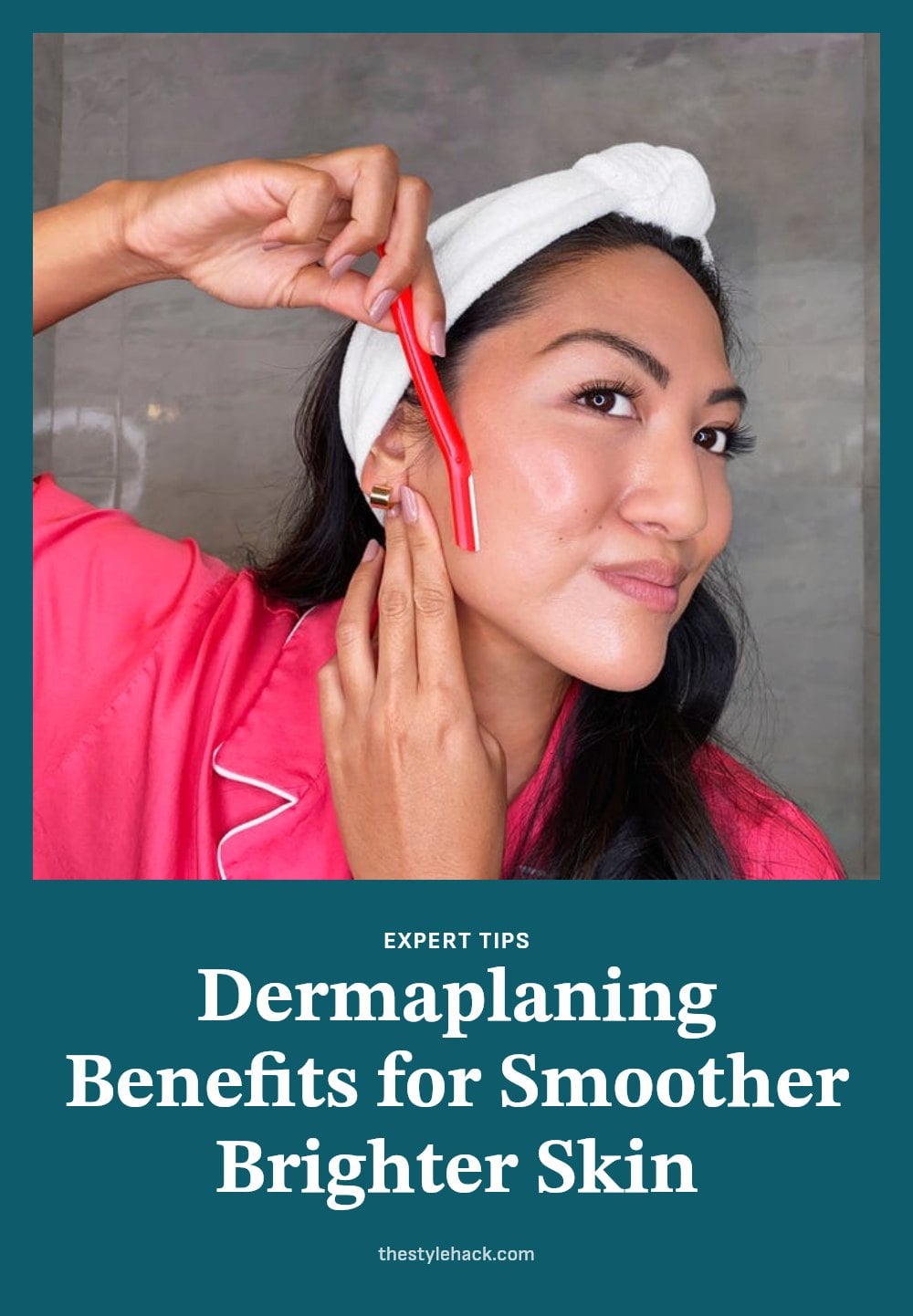
You’ve probably heard about dermaplaning and wondered if it’s worth the hype for smoother, brighter skin. The truth is, this simple exfoliation method can make a real difference in how your skin feels and how your makeup looks. In this article, I’ll walk you through the benefits, the right way to do it at home, and when to leave it to a professional.
Key Takeaways
- Dermaplaning removes dead skin cells and peach fuzz for immediate smoothness and brightness.
- It does not cause hair to grow back thicker, darker, or faster.
- Always cleanse your face and hold the skin taut before using a dermaplaning tool.
- Use light, short downward strokes at a 45-degree angle and replace blades regularly.
- Follow up with hydrating products and daily SPF to protect fresh skin.
1. What is Dermaplaning and How Does It Work?
Dermaplaning is a physical exfoliation method that uses a sterile surgical scalpel to gently scrape off dead skin cells and vellus hair, or peach fuzz, from your face. By removing this outer layer, your skin appears smoother and brighter, and your skincare products can absorb more effectively. The procedure is quick and typically painless, with results you can see immediately. While often done by a professional, specialized at-home tools are also available for personal use.
2. 1. Understand How Dermaplaning Works
Dermaplaning works as a form of physical exfoliation. It removes the outermost layer of dead skin cells, known as the stratum corneum, along with fine vellus hair, commonly called peach fuzz. This process reveals the fresher, smoother skin underneath. By clearing away this surface debris, dermaplaning can significantly improve your skin’s texture and overall tone.
3. 2. Enjoy Smoother Skin Texture

The most noticeable benefit of dermaplaning is the immediate improvement in how your skin feels. By removing dead skin cells and peach fuzz, the surface becomes incredibly soft and smooth to the touch. You’ll notice the difference the first time you run your fingers across your cheek after the procedure.
4. 3. Enhance Skincare Product Absorption
When dead skin cells and vellus hair are removed, your skincare products can penetrate more effectively. Without that barrier, your serums and moisturizers can deliver their active ingredients deeper into your skin. This means they can work harder, giving you better results from the products you already use.
5. 4. Achieve Flawless Makeup Application

Dermaplaning gives you a surface that makeup actually wants to stick to. Without peach fuzz and dead skin catching on your foundation, products glide on smoothly instead of settling into every tiny texture.
Foundation and concealer look less cakey and more like your skin, just better. The result is a natural, airbrushed finish that photographs well and lasts longer. My tip: apply your foundation with a damp sponge after dermaplaning for the most seamless blend.
6. 5. Debunk the Hair Regrowth Myth
Worried that shaving your face will make hair come back thicker or darker? That is a myth. Dermaplaning removes vellus hair, which is fine and translucent, and it does not touch the hair follicle itself.
The follicle stays exactly as it was, so the hair regrows with the same color and texture as before. It may feel slightly blunt at first, but that sensation fades within a few days. You are not changing your hair, just removing what is already there.
7. 6. Know When to Seek Professional Treatment
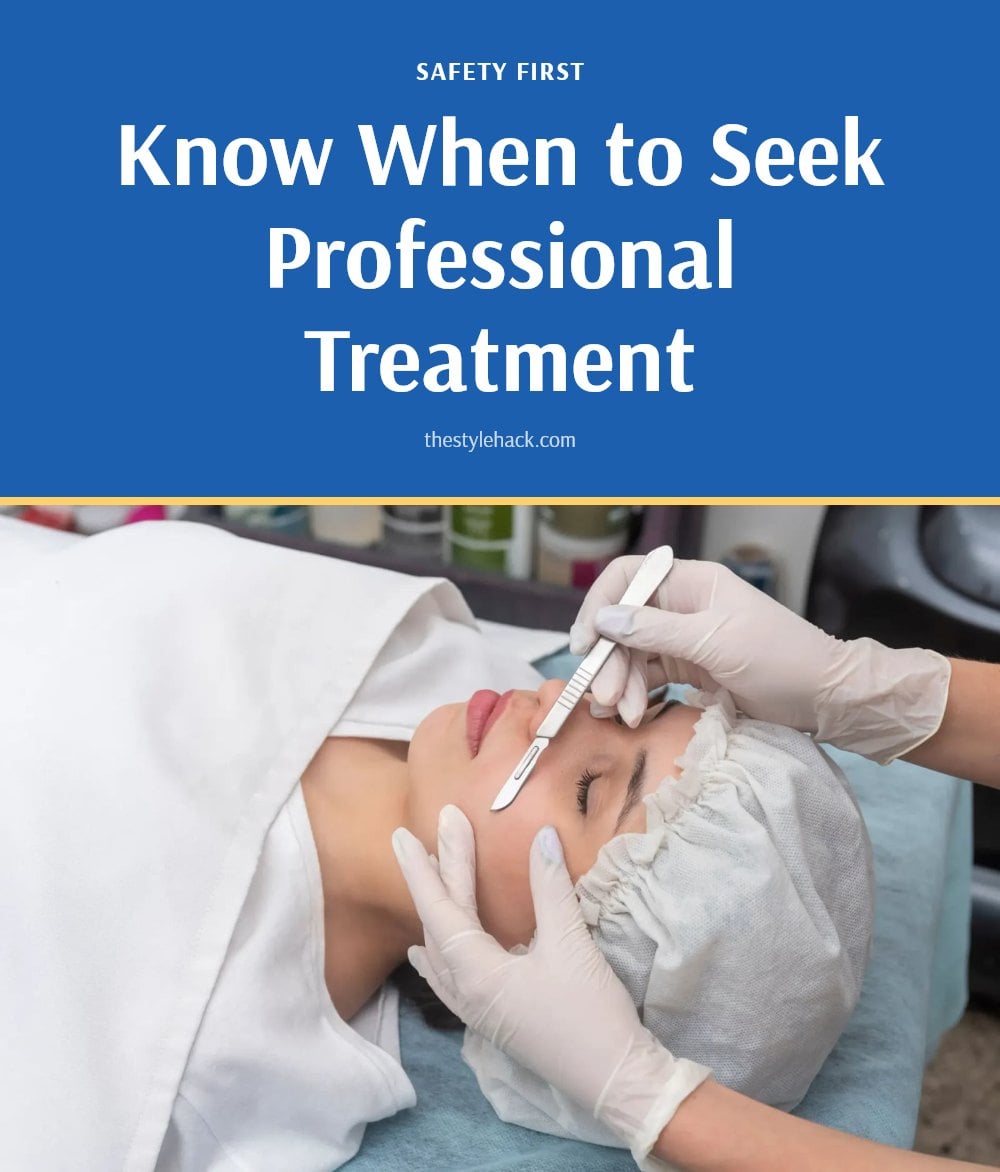
For the safest and most effective results, book a professional dermaplaning session with a licensed aesthetician or dermatologist. They use sterile surgical scalpels and know exactly how much pressure to apply and at what angle to hold the blade.
Professional treatment also allows for a deeper exfoliation than at-home tools, which means a smoother, brighter result. If you have any skin conditions or concerns, a dermatologist can tell you whether dermaplaning is right for you.
8. 7. Consider At-Home Dermaplaning Tools
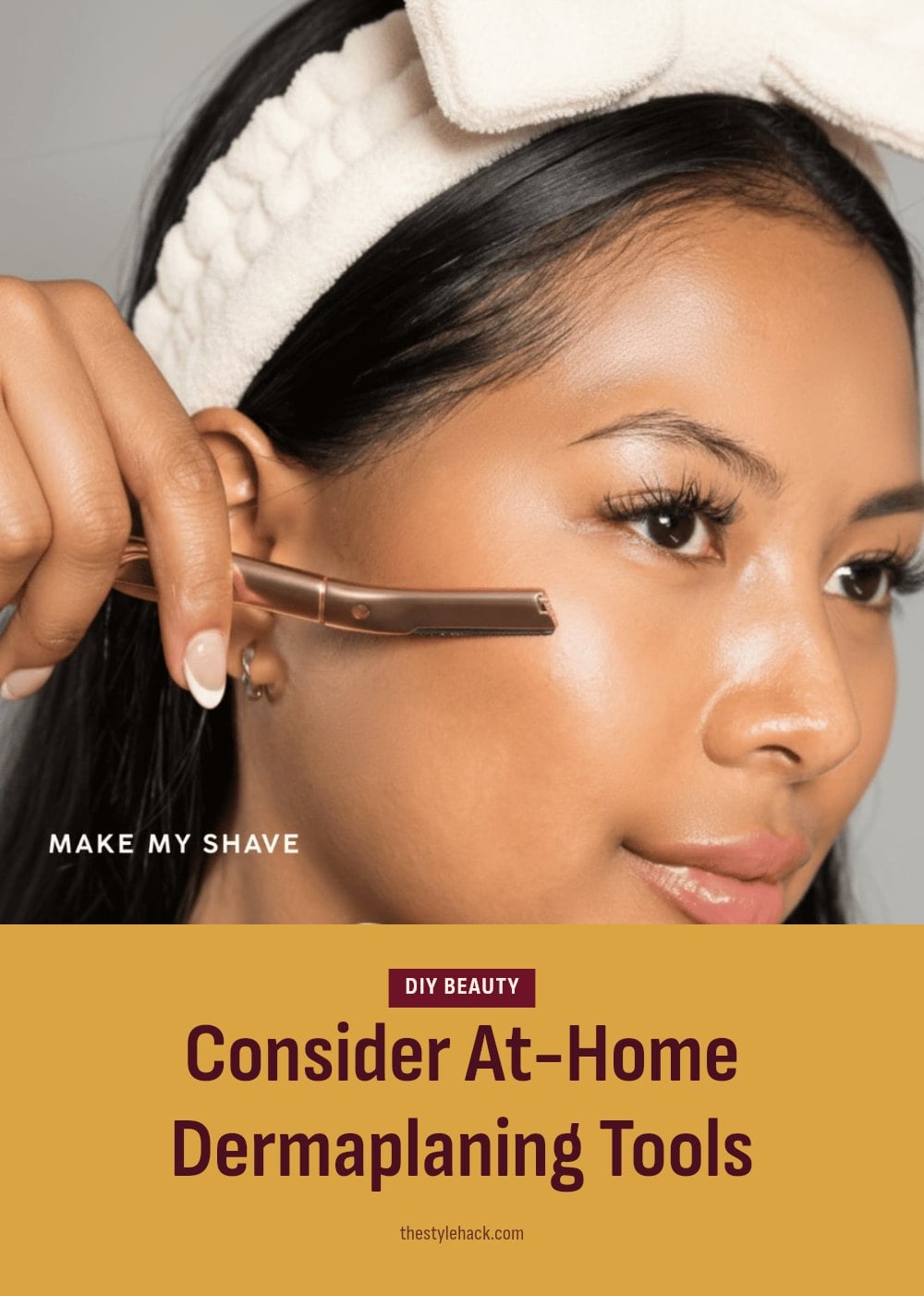
At-home dermaplaning tools are a convenient middle ground. They are designed with safety in mind, typically less sharp than professional scalpels, so they are gentler on your skin.
The trade-off is that they may not exfoliate as deeply as a professional treatment. Still, they can keep your skin smooth between appointments and are a good option for maintenance. Just replace the blade regularly and never share your tool.
9. 8. Prepare Your Skin Properly
Cleanse your face thoroughly before you pick up any dermaplaning tool, whether you are at home or in a professional chair. This step removes oils, makeup, and dirt that can cause irritation or make the blade catch.
After cleansing, pat your skin completely dry. A wet surface reduces friction and makes it harder to control the blade, which increases the risk of nicks.
My tip: Use a gentle cleanser and avoid toners with alcohol right before dermaplaning, as they can leave a residue or irritate freshly exposed skin.
10. 9. Master the Technique for At-Home Use
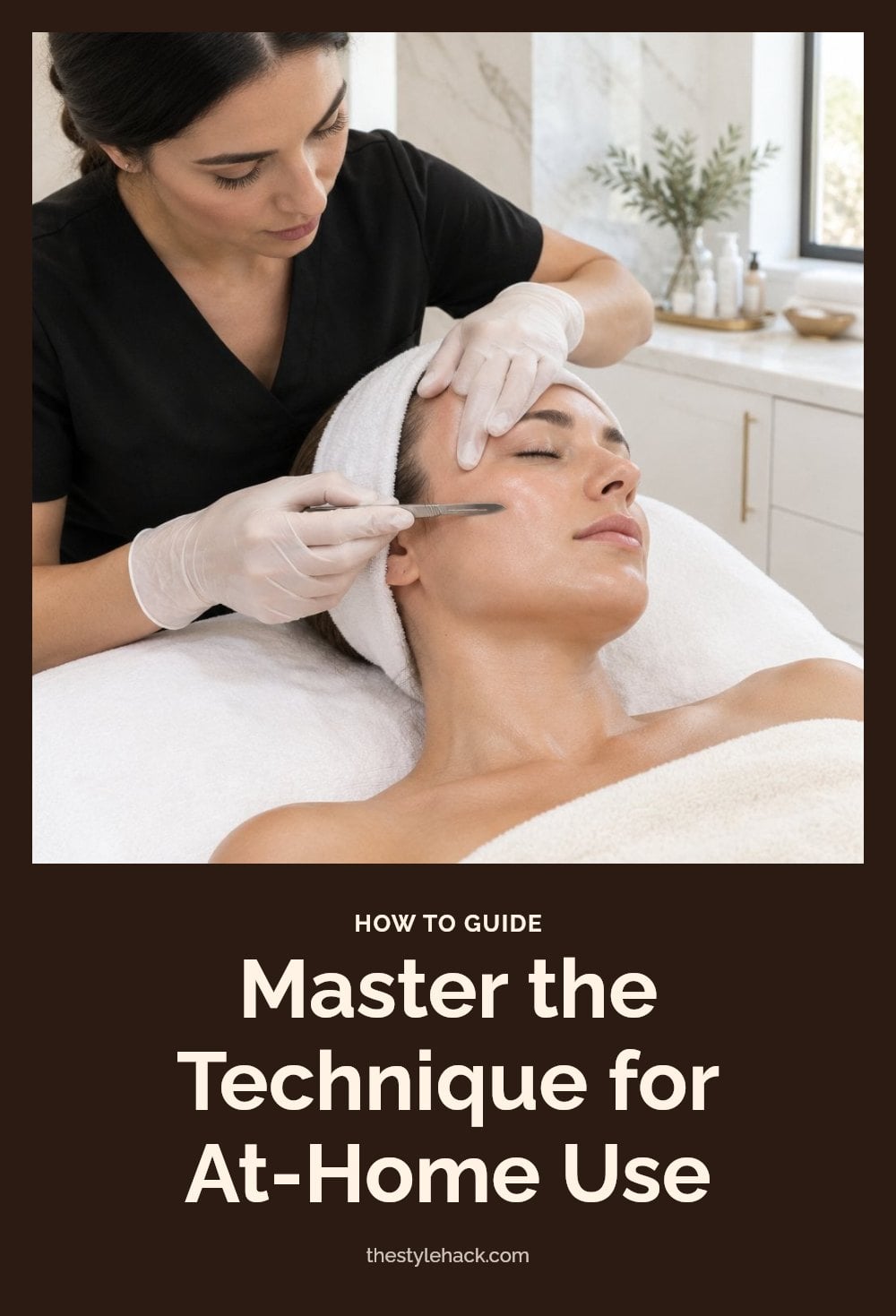
Hold your skin taut with one hand while you guide the tool with the other. This keeps the surface flat and prevents the blade from catching on folds, which is where nicks happen.
Use light, short, downward strokes at a 45-degree angle. Let the tool do the work, never press down. Excessive pressure is the fastest way to irritate your skin or leave small cuts. Glide each stroke once over an area, then move to the next patch.
11. 10. Follow Up with Hydration and SPF
Right after dermaplaning, your skin is wide open and ready to drink up whatever you apply. Follow up with a hydrating serum and a rich moisturizer to lock in moisture and calm the fresh layer of skin. This step also helps prevent the tight, dry feeling that can sometimes follow exfoliation.
Now the non-negotiable part: sunscreen. Dermaplaning leaves your skin more sensitive to the sun, so apply a broad-spectrum SPF 30 or higher every single morning, even on cloudy days. Reapply if you are spending time outdoors. Skipping SPF after dermaplaning can undo all the benefits and leave you with irritation or discoloration.
12. 11. Know When to Avoid Dermaplaning
Dermaplaning is not for everyone. Skip it if you have active acne, rosacea, eczema, psoriasis, cold sores, or highly sensitive, irritated skin, since the blade can worsen these conditions.
When your skin is already compromised, the physical scraping can trigger flare-ups or spread bacteria. If you are unsure whether your skin is a good candidate, ask a dermatologist before trying it.
13. When to Consult a Professional
If you notice persistent redness, swelling, unusual pain, or any signs of infection like pus or fever after dermaplaning, stop and consult a healthcare professional. These symptoms may indicate a complication that needs medical attention.
For anyone with chronic skin conditions such as eczema, psoriasis, or rosacea, or if you have concerns about scarring, a dermatologist can give you personalized advice. They can assess whether dermaplaning is safe for your skin and recommend the best approach for your situation.
14. Frequently Asked Questions
15. Does dermaplaning make your hair grow back thicker?
No, this is a common myth. Dermaplaning only removes the fine vellus hair above the skin’s surface, not the hair follicle itself. The hair will grow back with the same texture and color as before, not thicker or darker.
16. How often should you dermaplane?
For most people, once every three to four weeks is ideal. This gives your skin enough time to regenerate and avoids over-exfoliation. Dermaplaning more frequently than that can lead to irritation and increased sun sensitivity.
17. Can I dermaplane at home?
Yes, you can use at-home dermaplaning tools that are designed to be safer than professional scalpels. They may not exfoliate as deeply, but they can still smooth your skin and improve product absorption. Just follow the steps carefully and use a clean, sharp blade.
18. What should I avoid after dermaplaning?
Avoid harsh exfoliants, retinoids, and strong acids for at least 24 to 48 hours. Also skip any active acne treatments or heavy makeup right after. Most importantly, don’t skip sunscreen. Your fresh skin is more vulnerable to UV damage.
19. Is dermaplaning good for acne-prone skin?
Dermaplaning is not recommended if you have active acne, as the blade can spread bacteria and worsen breakouts. For those with mild, non-active acne and no open sores, it may help improve texture, but it’s best to consult a dermatologist first.
20. Final Thoughts
My tip: if you’re new to dermaplaning, start with an at-home tool designed for safety and stick to a once-every-three-to-four-week schedule. Expect immediate results in smoothness and a more even makeup application, but don’t forget that daily sun protection is non-negotiable afterward. With the right technique and a little patience, dermaplaning can become a simple, satisfying step in your skincare routine.
The information in this article is for general informational purposes only and is not a substitute for professional medical advice. Dermaplaning involves risks, including cuts, irritation, and infection. If you have a persistent skin concern or a serious reaction, please consult a licensed dermatologist or healthcare professional.
More Blog ideas
- How to Heal Chapped Lips Overnight with Simple Steps
- Atomic Habits: 5 Lessons to Build Better Habits
- Hyaluronic Acid for Beginners
- How to Build a Gentle Skincare Routine for Sensitive Skin
- Beat Frizzy Hair: Easy Remedies for Smooth, Shiny Strands
- How to Increase Your Daily Drinking Water Intake
- Washing Hair Mistakes to Avoid and What to Do Instead
- Bleaching Hair Tips for Less Damage
- How to Make Your Body Mist Last Longer All Day
- How to Fix Your Skincare Routine
- Nervous System Regulation Tips
- Vagus Nerve Exercises for Stress Relief