Dry Scalp Remedies that Actually Work
Discover effective dry scalp remedies to soothe itchiness, eliminate flakes, and restore scalp health. Learn what really works to hydrate your scalp.

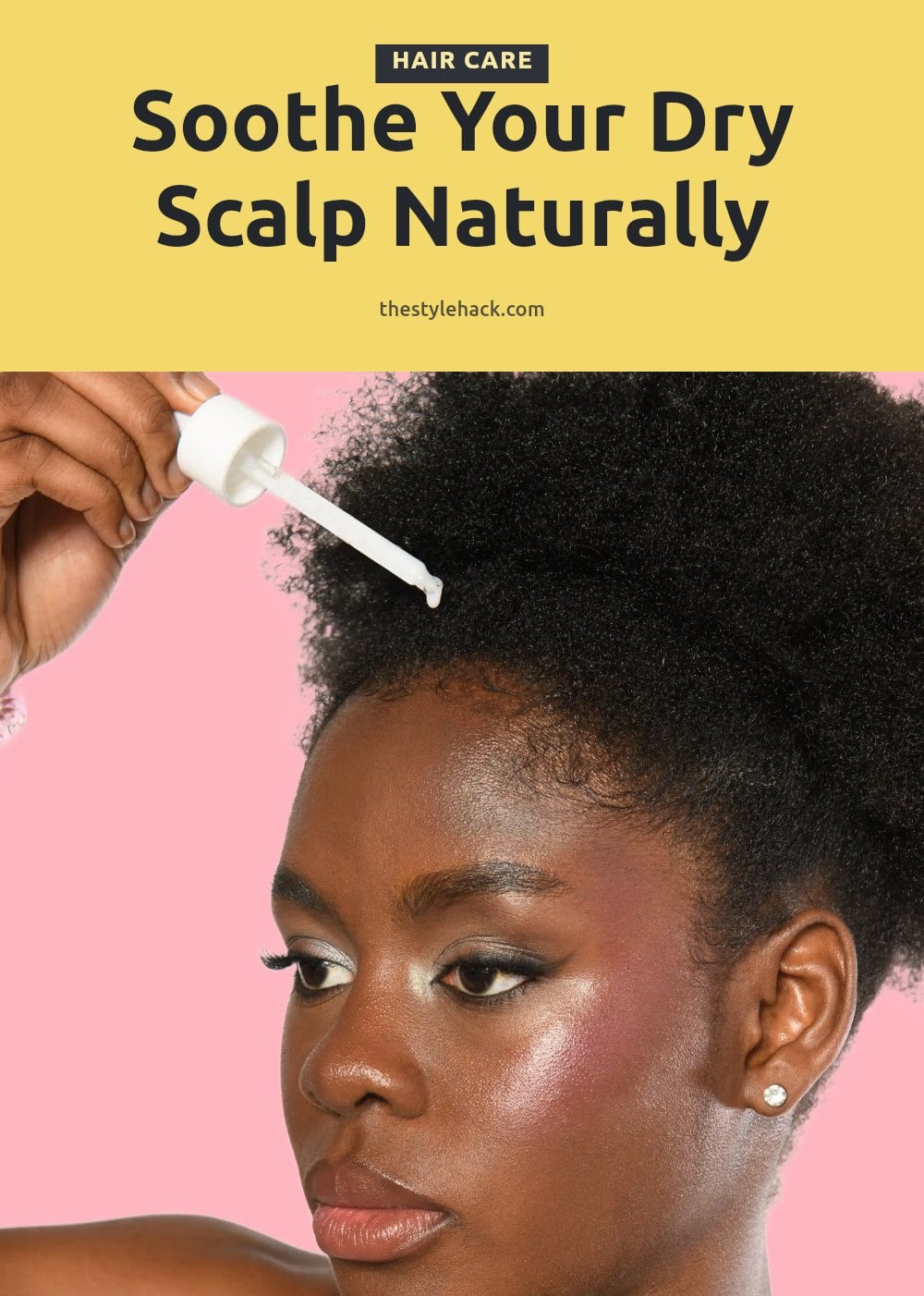
If your scalp feels tight, itchy, and leaves those small white flakes on your shoulders, you’re likely dealing with a dry scalp, not dandruff. The key difference is moisture, or the lack of it. This article covers the most effective remedies to restore hydration and soothe irritation, from switching your shampoo to simple daily habits.
I’ve gathered the tips that actually make a difference, based on what works for this common but frustrating issue.
Key Takeaways
- Switch to a sulfate-free shampoo to avoid stripping natural oils.
- Apply a moisturizing scalp oil like jojoba or coconut for 30 minutes before washing.
- Wash with lukewarm water and limit washes to every 2-3 days.
- Use a humidifier in dry climates to add moisture to the air.
- Consult a dermatologist if symptoms persist for more than a few weeks.
1. What Really Works for a Dry Scalp?
A dry scalp happens when your scalp doesn’t have enough moisture, which can lead to flakes, itchiness, and that tight feeling. Unlike dandruff, which is often yeast-related, a dry scalp is more like dry skin anywhere else on your body. The best fixes focus on restoring hydration and soothing irritation with gentle care and targeted moisturizing treatments. Look for sulfate-free shampoos and conditioners, and consider natural oils or aloe vera for relief.
2. 1. Use a Gentle, Sulfate-Free Shampoo
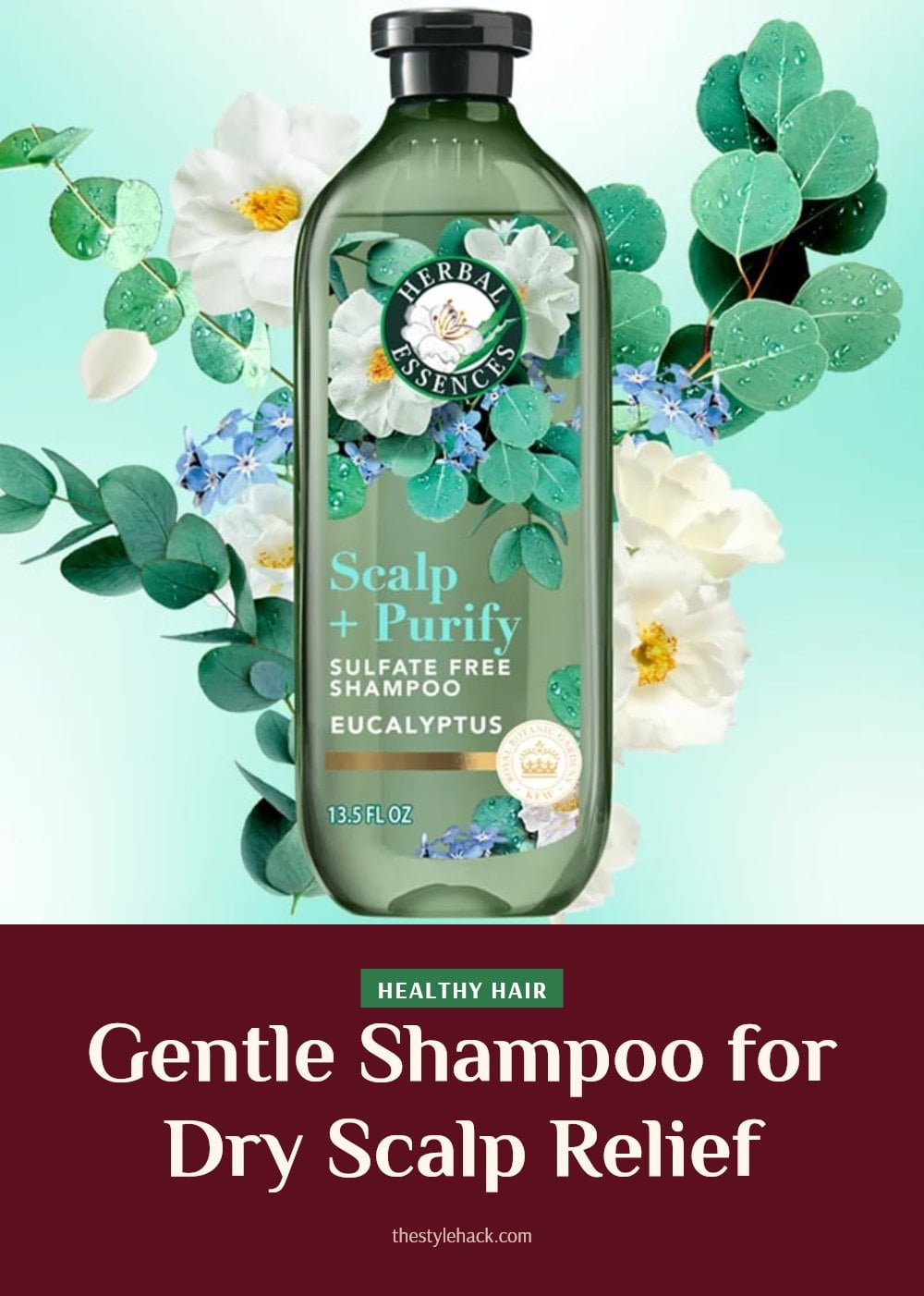
Sulfates are harsh detergents that can strip your scalp’s natural oils, making dryness worse. Switching to a sulfate-free formula helps keep moisture where it belongs. Look for shampoos with hydrating ingredients like hyaluronic acid, glycerin, or natural oils.
- Cleanse your scalp: Focus on your scalp, not just your hair strands, but use light pressure with your fingertips.
- Check the label: Avoid anything listing sodium lauryl sulfate or sodium laureth sulfate.
My tip: You only need a small amount, about a quarter-sized dollop, to get a good lather.
3. 2. Condition Regularly with Moisturizing Products
A good conditioner isn’t just for your hair; it’s vital for scalp hydration too. Choose one designed for dry or sensitive scalps, and apply it directly to your scalp as well as your hair. Let it sit for 2-3 minutes so the moisturizing ingredients can penetrate and work. Rinse thoroughly with lukewarm water to avoid leaving residue that could irritate.
4. 3. Try a Scalp Oil Treatment
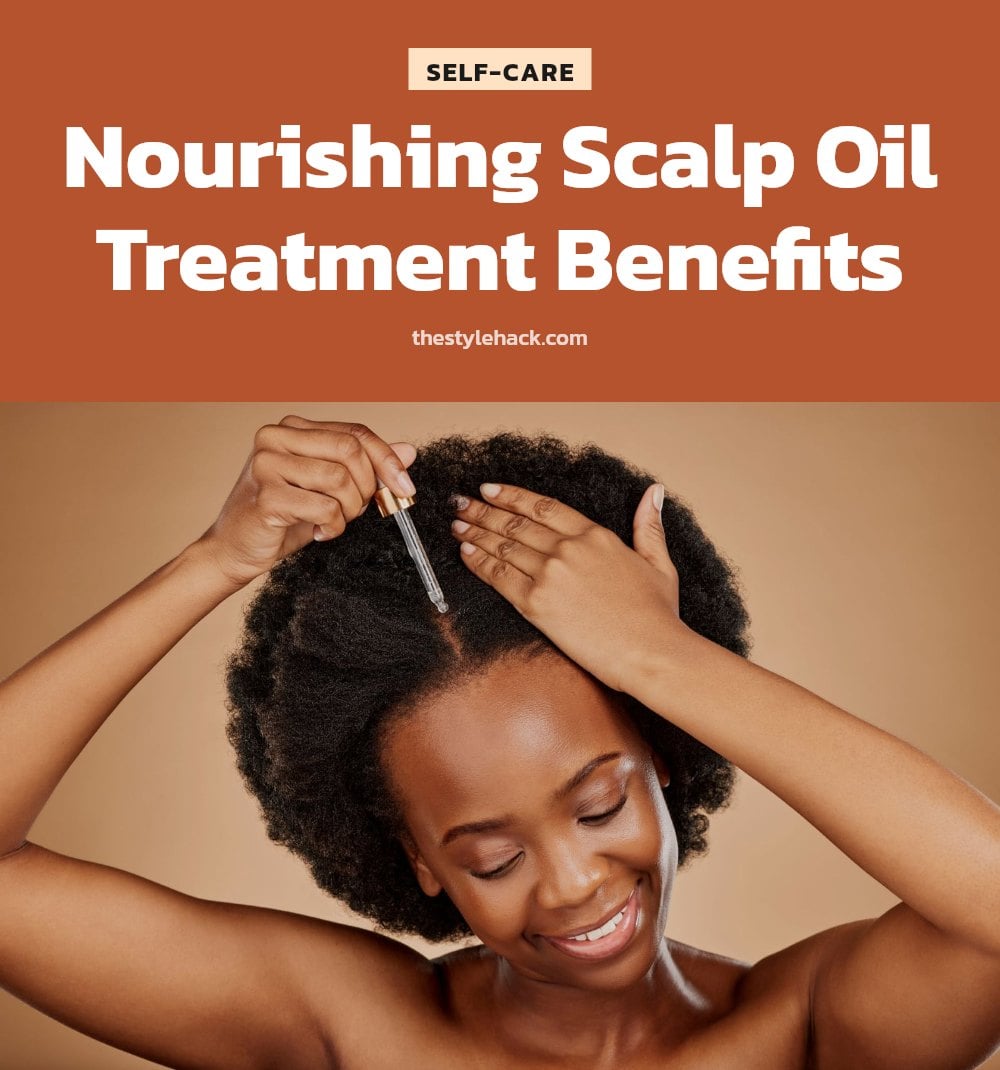
Natural oils like jojoba, coconut, or argan oil can provide intense moisture for a dry scalp. Apply a small amount directly to your scalp, massage it in with your fingertips, and leave it on for at least 30 minutes, or even overnight, before washing it out. For tea tree oil, always dilute it with a carrier oil like coconut oil before applying to avoid irritation. My tip: A little goes a long way, so start with a few drops and add more if needed.
5. 4. Incorporate Aloe Vera Gel
Aloe vera gel is one of the most soothing options for a dry, irritated scalp. Its cooling and anti-inflammatory properties can calm itchiness and deliver hydration directly to the skin. Apply pure aloe vera gel to your scalp and leave it on for 20-30 minutes before rinsing. Some people even use it as a leave-in treatment for ongoing moisture.
6. 5. Wash Hair with Lukewarm Water
Hot water might feel good in the shower, but it strips your scalp of its natural protective oils. This can worsen dryness and irritation. Switch to lukewarm water when washing your hair to maintain your scalp’s moisture balance. It’s a simple change that can make a real difference.
7. 6. Don’t Over-Wash Your Hair
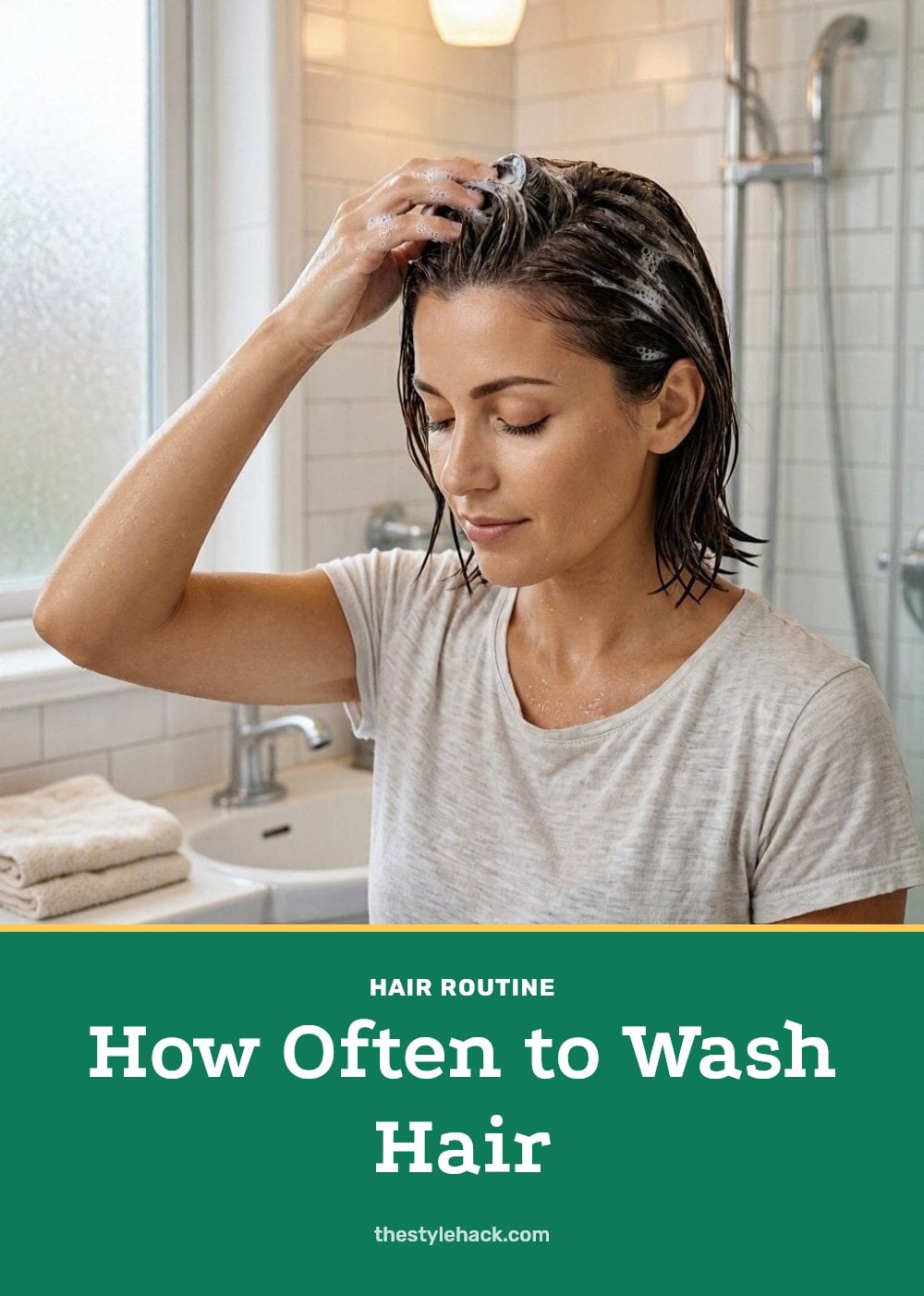
Washing your hair too often removes the natural oils your scalp needs to stay hydrated. Try extending the time between washes. For many people, washing every 2-3 days is a good starting point. Adjust based on your hair type and how quickly your scalp gets oily.
8. 7. Massage Your Scalp Regularly
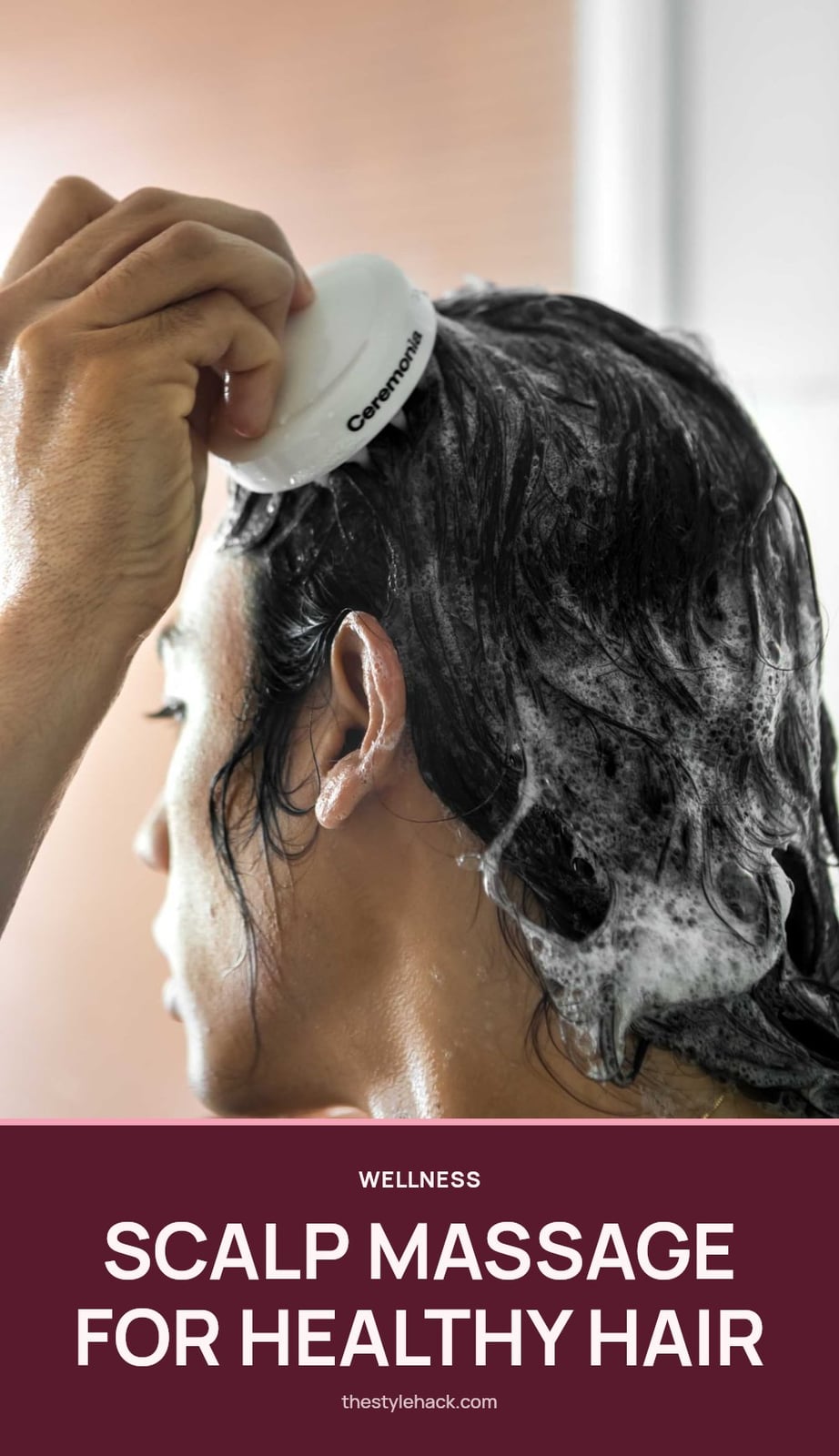
Gentle scalp massage helps stimulate blood circulation, which distributes your scalp’s natural oils and supports overall health. Use your fingertips or a specialized scalp massager during shampooing or when applying oils. My tip: It feels amazing and is a great way to unwind.
9. 8. Consider a Humidifier

If you live in a cold or dry climate, the air can pull moisture from your skin, including your scalp. Using a humidifier, especially in your bedroom at night, adds moisture back into the air. This passive method helps your scalp and skin stay hydrated without any extra effort on your part.
10. 9. Stay Hydrated and Eat Well
What you put into your body impacts your skin and scalp health. Drinking plenty of water is crucial for overall hydration. A diet rich in omega-3 fatty acids (found in fish and flaxseed) and vitamins, especially B vitamins and zinc, supports a healthy skin barrier. Think of it as nourishing your scalp from the inside out.
11. 10. Avoid Harsh Styling Products
Check your styling products: Many contain alcohol or other drying ingredients that can worsen a dry scalp. Look for alcohol-free or scalp-friendly labels on gels, sprays, and mousses.
- Opt for water-based or cream-based stylers instead of aerosol sprays.
- Reduce heat styling, blow-dryers and curling irons can pull moisture from your scalp.
- If you must use heat, apply a heat protectant spray designed for sensitive scalps.
12. 11. Patch Test New Products
Before applying any new product or oil extensively to your scalp, always perform a patch test. Apply a small amount to a discreet area, like behind your ear or on your inner arm, and wait 24-48 hours. This helps ensure you don’t have an allergic reaction or increased irritation.
13. When to See a Doctor or Dermatologist
While many dry scalp issues can be managed at home, it’s important to know when to seek professional help. Consult a dermatologist or doctor if your symptoms persist for more than a few weeks despite home remedies. Seek medical advice if your dry scalp worsens, or if you experience severe redness, swelling, intense pain, or open sores. These could be signs of an underlying skin condition that requires specific medical treatment.
14. Frequently Asked Questions
15. What is the fastest way to get rid of dry scalp?
The quickest relief often comes from applying a moisturizing scalp oil, like jojoba or coconut oil, and leaving it on for at least 30 minutes before washing. Pair this with a switch to lukewarm water and a sulfate-free shampoo. You may see improvement within a few days.
16. Can dry scalp lead to hair loss?
Dry scalp itself usually doesn’t cause permanent hair loss, but persistent scratching or inflammation can damage hair follicles over time. If you notice excessive shedding or bald patches, see a dermatologist to rule out other conditions like seborrheic dermatitis or psoriasis.
17. How often should I treat my dry scalp?
For most people, using a moisturizing treatment like a scalp oil or aloe vera gel 2-3 times per week is enough. Adjust based on how your scalp responds, if it feels greasy, reduce frequency; if still dry, you can increase to every other day.
18. Is it normal for dry scalp to itch?
Yes, itching is a very common symptom of dry scalp. The lack of moisture causes the skin to tighten and become irritated, leading to the urge to scratch. Resist scratching and focus on hydrating treatments to calm the itch.
19. What foods help with dry scalp?
A diet rich in omega-3 fatty acids (found in fish like salmon and flaxseed) and vitamins, especially B vitamins and zinc, supports skin and scalp health. Staying well-hydrated by drinking plenty of water also helps maintain moisture from the inside out.
20. Can stress cause dry scalp?
Stress can exacerbate many skin conditions, including those affecting the scalp. While it may not directly cause dry scalp, it can worsen symptoms like itching and flaking. Managing stress through relaxation techniques may help improve your scalp’s condition.
21. Final Thoughts
My tip: Start with the simplest changes first, swap to a gentle, sulfate-free shampoo and wash with lukewarm water. You may notice relief within a few days to a week, but full improvement can take several weeks of consistent care. If your symptoms don’t improve or get worse, it’s time to see a doctor.
This article is for informational purposes only and does not constitute medical advice. Dry scalp symptoms can sometimes overlap with other conditions. If your symptoms persist for more than a few weeks, worsen, or are accompanied by redness or sores, please consult a dermatologist or healthcare professional.
More Blog ideas
- How to Heal Chapped Lips Overnight with Simple Steps
- Atomic Habits: 5 Lessons to Build Better Habits
- Hyaluronic Acid for Beginners
- How to Build a Gentle Skincare Routine for Sensitive Skin
- Beat Frizzy Hair: Easy Remedies for Smooth, Shiny Strands
- How to Increase Your Daily Drinking Water Intake
- Washing Hair Mistakes to Avoid and What to Do Instead
- Bleaching Hair Tips for Less Damage
- How to Make Your Body Mist Last Longer All Day
- How to Fix Your Skincare Routine
- Nervous System Regulation Tips
- Vagus Nerve Exercises for Stress Relief