Dumbbell Workout for Beginners: Full-Body Routine at Home
Start your strength journey with this beginner-friendly dumbbell workout. Learn proper form, essential exercises, and a weekly routine for home.

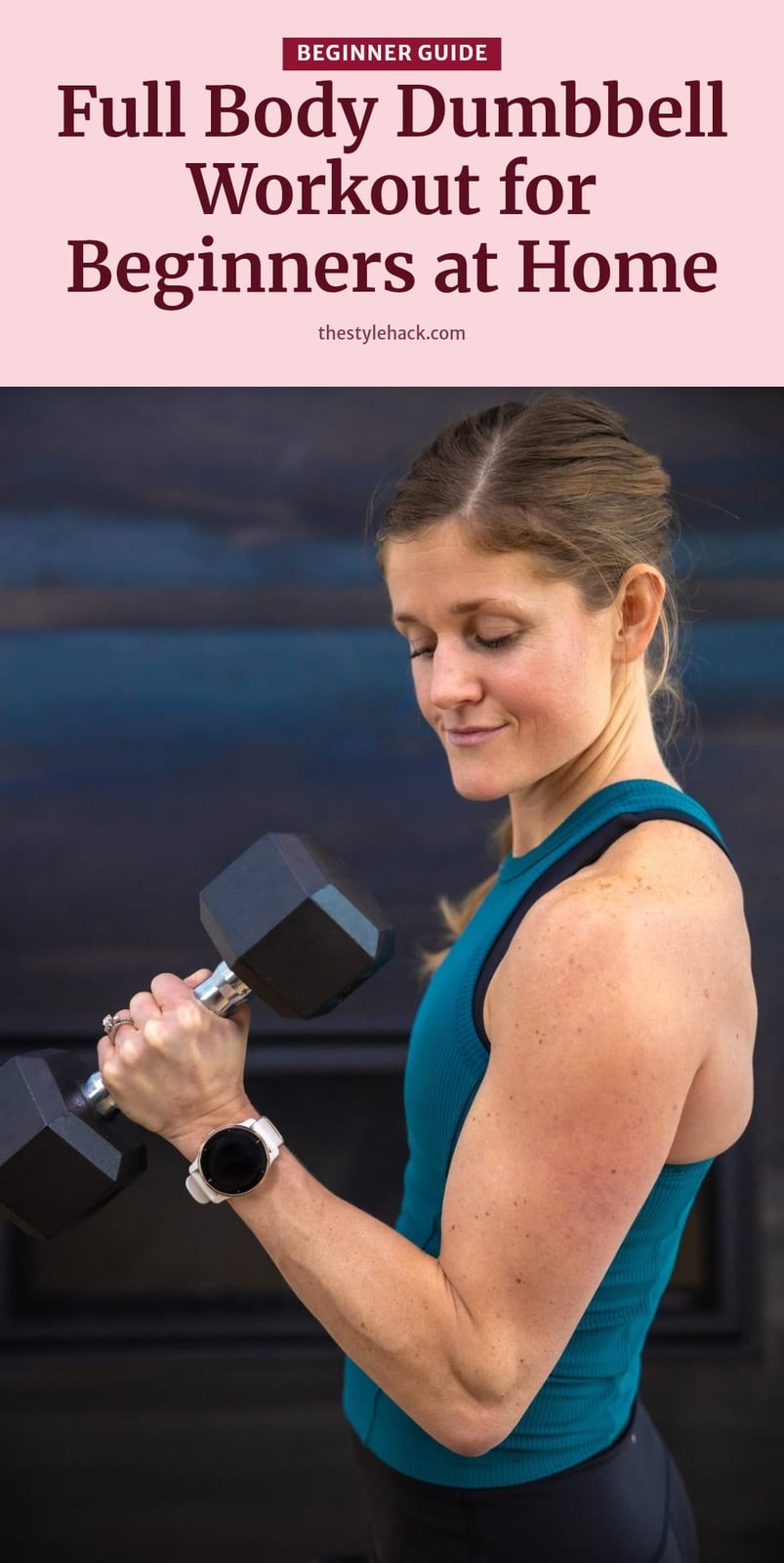
Starting strength training at home can feel overwhelming, but a dumbbell workout is one of the most straightforward and effective ways to begin. You only need one piece of equipment to work your entire body, build muscle, and improve your overall fitness without a gym membership. This article covers a simple full-body routine designed for beginners, along with tips on form, scheduling, and how to progress safely.
Key Takeaways
- Start with a weight that allows 10-15 reps per set with good form before increasing.
- Perform 2-3 full-body dumbbell workouts per week with at least one rest day between sessions.
- Always include a 5-10 minute warm-up and cool-down to prevent injury and aid recovery.
- Focus on controlled, slow movements rather than using momentum to lift the weight.
- Expect noticeable strength and tone improvements within 4-8 weeks of consistent training.
1. Why a Dumbbell Workout is Perfect for Beginners
Dumbbell workouts are an effective way to build strength and improve muscle tone at home, especially if you’re just starting out. Unlike machines, dumbbells are free weights, so they engage more stabilizing muscles, giving you a versatile full-body workout with just one piece of equipment. Start with a consistent routine 2-3 times a week, focusing on proper form over heavy weight. That consistency is what leads to long-term results.
2. 1. Warm-Up: Arm Circles
Stand tall with your feet shoulder-width apart and arms extended straight out to your sides. Make small forward circles with your arms for 30 seconds, then reverse the direction for another 30 seconds. Keep the movements controlled to gently prepare your shoulder joints and muscles for the work ahead.
- Time: 30 seconds forward, 30 seconds reverse
- Form cue: Keep your shoulders relaxed and down, not shrugged
- Make it easier or harder: Reduce the circle size for less intensity; increase it for more
3. 2. Dumbbell Squats
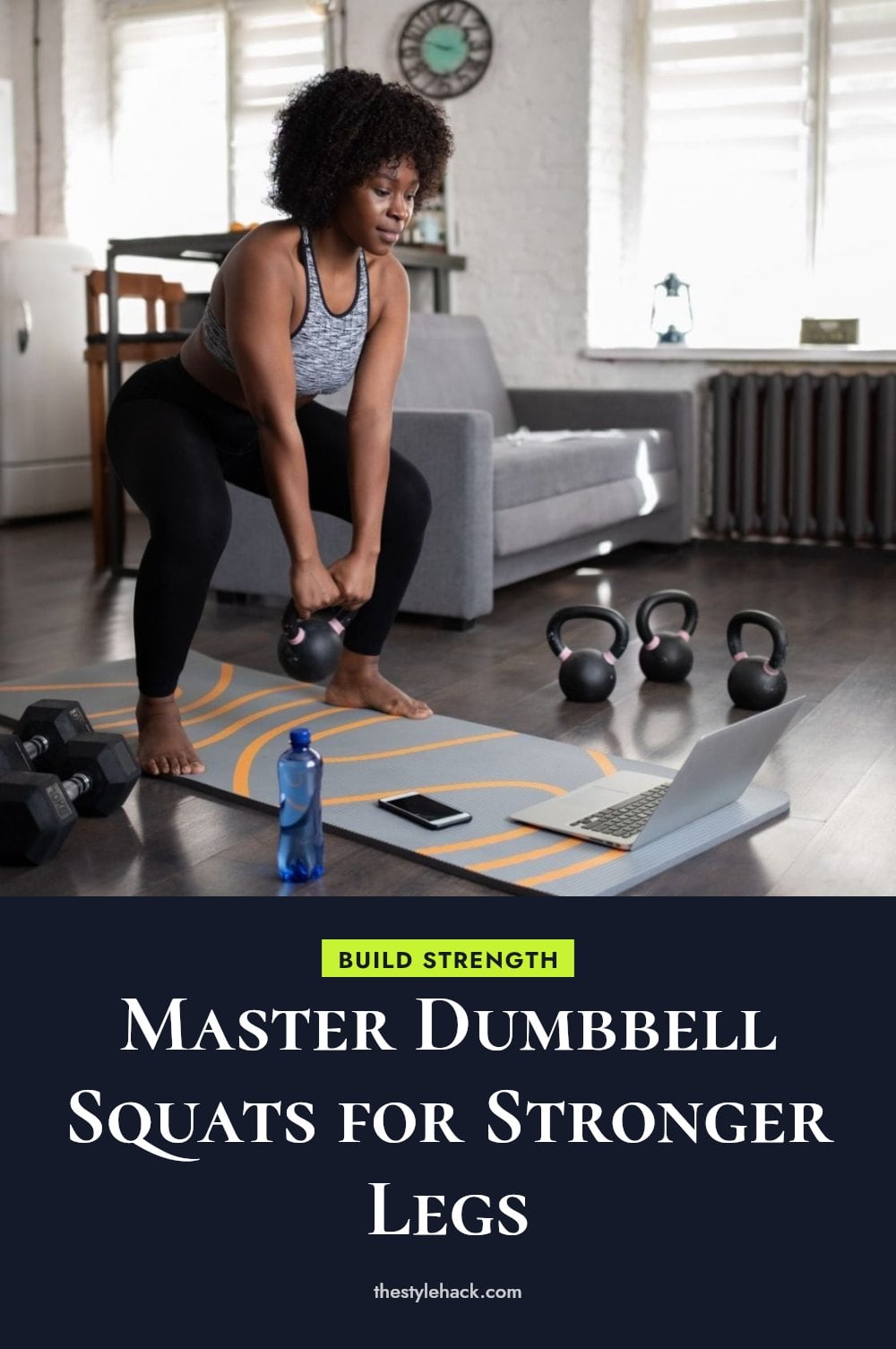
Hold a dumbbell in each hand with your arms at your sides and feet shoulder-width apart. Lower your hips as if sitting back into a chair, keeping your chest up and back straight, until your thighs are parallel to the floor. Push through your heels to return to standing.
- Sets and reps: 3 sets of 10-12 repetitions
- Form cue: Keep your core engaged throughout the movement for stability
- Make it easier or harder: Use weights lighter than your usual challenging load, or reduce the range of motion; go deeper or add a pause at the bottom for a challenge
4. 3. Dumbbell Lunges
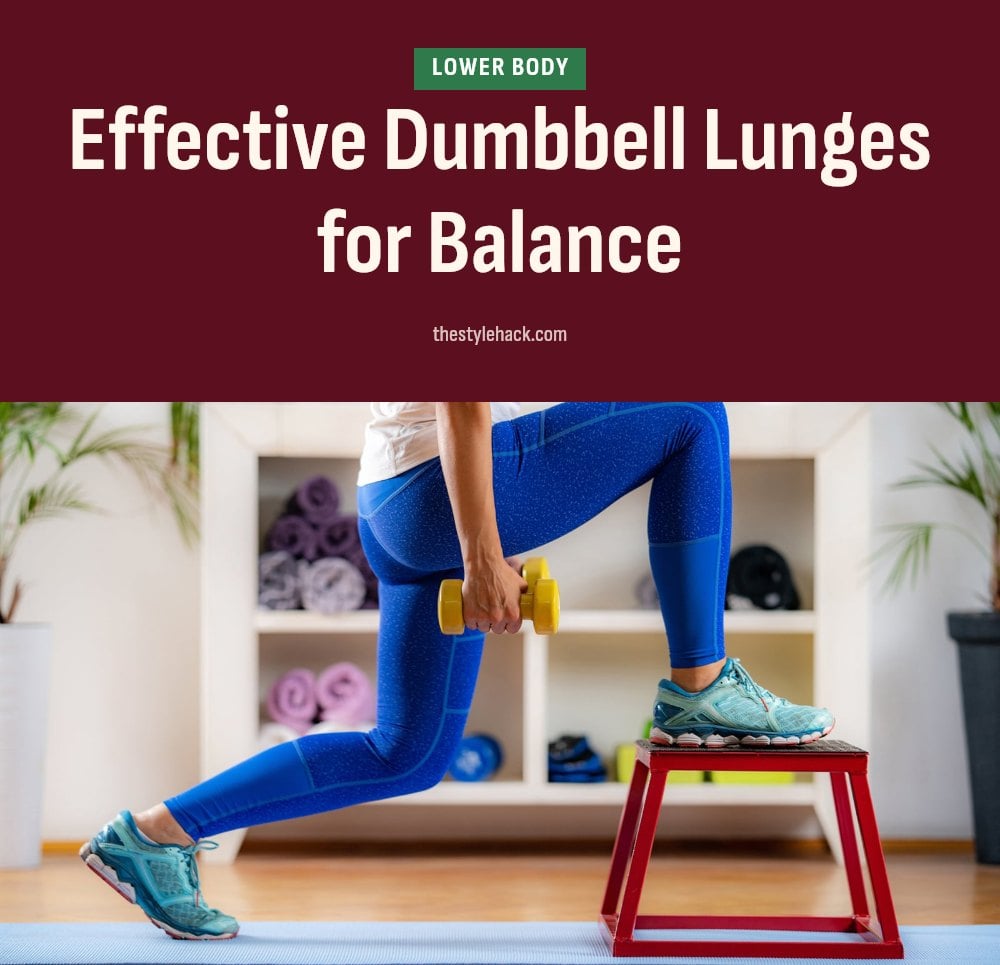
Stand with your feet hip-width apart, holding a dumbbell in each hand. Step forward with one leg, lowering your hips until both knees are bent at a 90-degree angle. Your front knee should be over your ankle, and your back knee should hover just above the floor. Push off your front foot to return to the starting position, then alternate legs.
- Sets and reps: 3 sets of 8-10 repetitions per leg
- Form cue: Keep your gaze forward and core tight to maintain balance
- Make it easier or harder: Take a shorter step for less depth; hold a heavier weight or add a knee lift at the top for more difficulty
5. 4. Dumbbell Rows
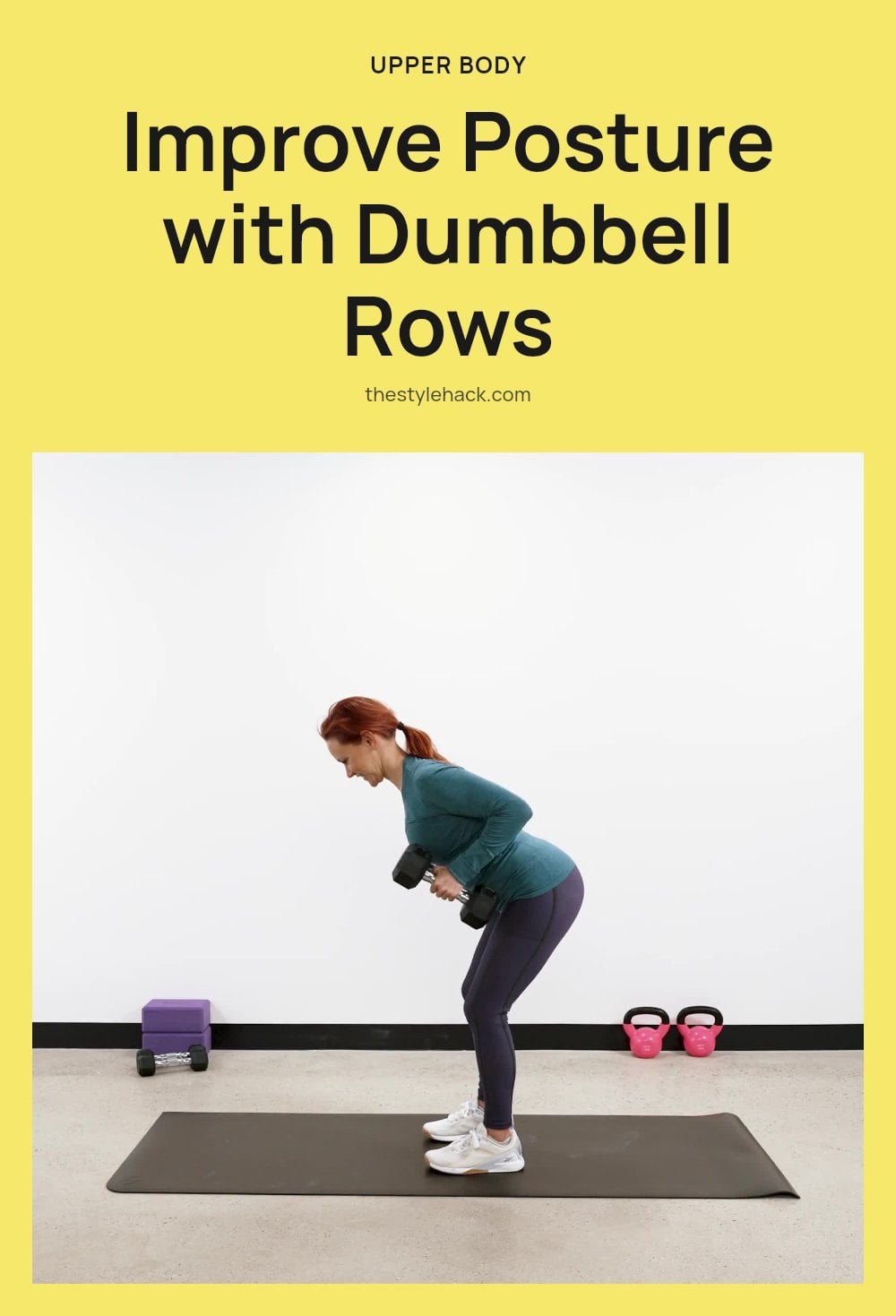
Hinge at your hips with a flat back and tight core, letting the dumbbells hang toward the floor. Pull them up toward your chest, squeezing your shoulder blades together at the top. Lower back down slowly, keeping control throughout.
- Sets and reps: 3 sets of 10-12 repetitions.
- Form cue: Keep your back straight, not rounded, and avoid jerking the weights.
- Make it easier or harder: Use lighter dumbbells to master the hinge, or increase the weight once your form is solid.
My tip: Imagine you’re pulling with your elbows, not your arms. This cue helps you engage your back muscles more effectively.
6. 5. Dumbbell Chest Press (on floor)
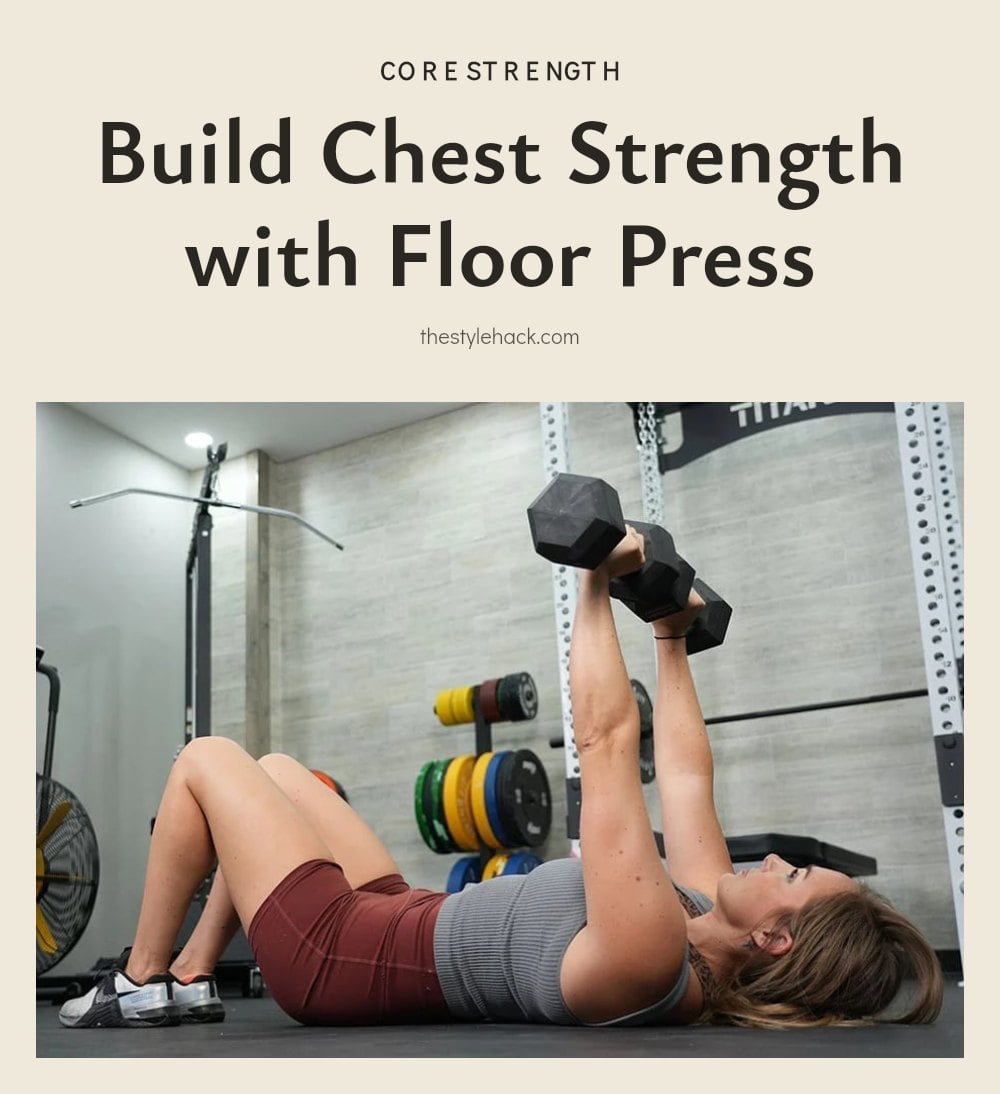
Lie on your back with knees bent and feet flat on the floor. Hold a dumbbell in each hand above your chest, palms facing each other. Lower the dumbbells slowly toward your chest, keeping your elbows slightly tucked, then press them back up to the starting position, engaging your chest muscles.
- Sets and reps: 3 sets of 10-12 repetitions.
- Form cue: Keep your lower back pressed into the floor to protect your spine.
- Make it easier or harder: Use lighter weights to start, or increase reps as you master the move.
Performing the press on the floor limits your range of motion, which can help you maintain proper shoulder alignment and reduce strain compared to a bench version.
7. 6. Dumbbell Overhead Press
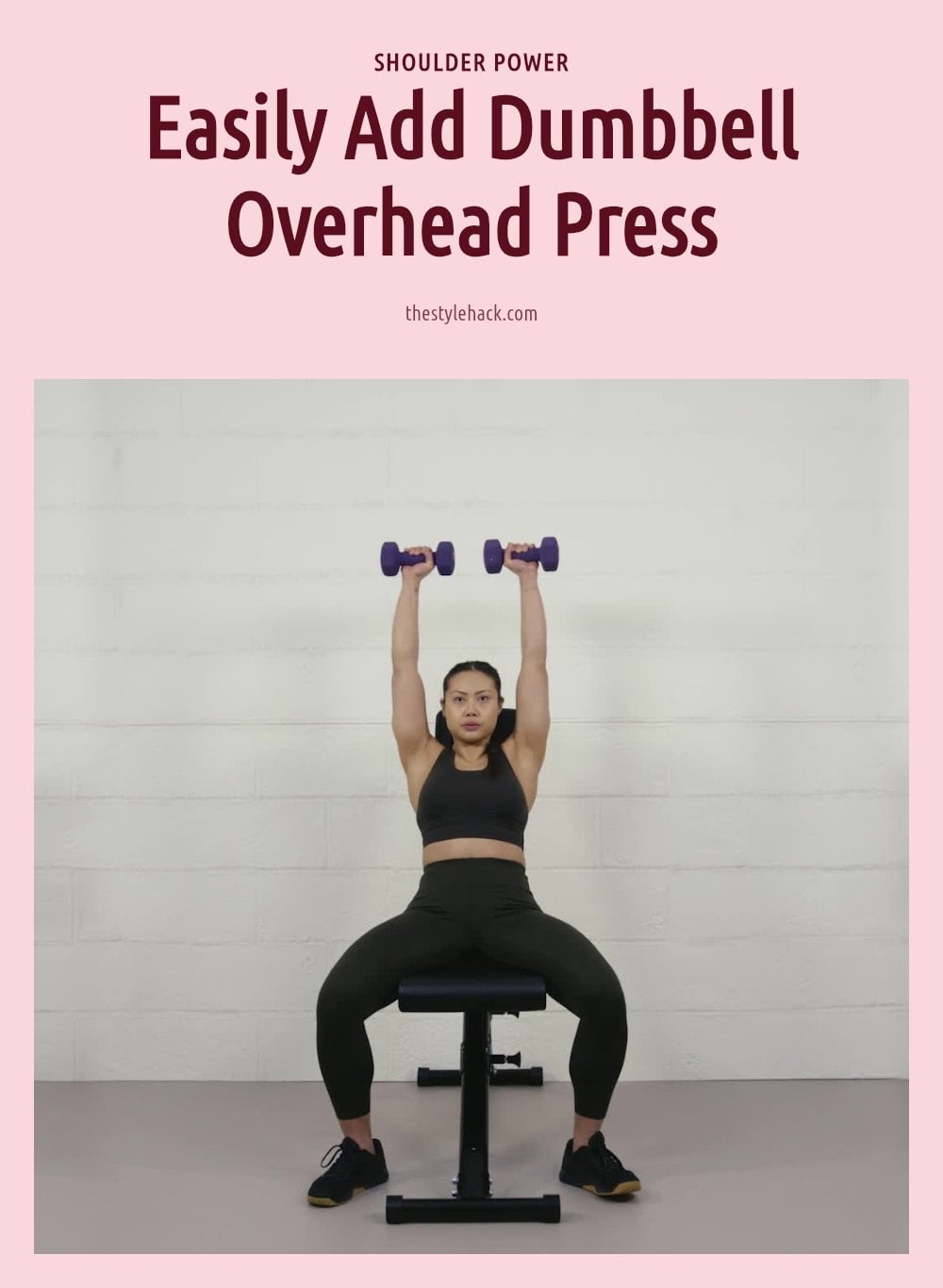
Stand or sit with a dumbbell in each hand at shoulder height, palms facing forward. Press the dumbbells straight overhead until your arms are fully extended but not locked, then slowly lower them back to shoulder height with control.
- Sets and reps: 3 sets of 10-12 repetitions.
- Form cue: Engage your core to prevent arching your back during the press.
- Make it easier or harder: Use lighter or heavier dumbbells as you progress.
8. 7. Dumbbell Bicep Curls
Stand tall with a dumbbell in each hand, palms facing forward and arms extended down. Keeping your elbows tucked close to your body, curl the weights up toward your shoulders, squeezing your biceps at the top. Lower them slowly back to the starting position with control.
- Sets and reps: 3 sets of 10-15 repetitions.
- Form cue: Keep your elbows pinned to your sides throughout the movement.
- Make it easier or harder: Use lighter weights for more reps, or slow down the lowering phase to increase time under tension.
My tip: Avoid swinging the weights; use only your bicep muscles for the lift.
9. 8. Cool-Down: Static Stretches
After your last set, spend 5-10 minutes cooling down with static stretches. Hold each stretch for 20-30 seconds without bouncing, and breathe steadily. Focus on the major muscle groups you just worked: quads, hamstrings, chest, back, and shoulders.
- Time: 20-30 seconds per stretch, 2-3 rounds.
- Form cue: Relax into each stretch, feeling a gentle pull, not pain.
- Make it easier or harder: Use a wall or chair for balance; deepen the stretch slightly as you warm up.
Gentle stretching after exercise can help improve flexibility and may reduce post-workout muscle soreness. If you feel sharp pain during a stretch, ease off immediately.
10. Essential Gear for Your Dumbbell Workout
You only need a few items to get started. Grab a pair of dumbbells, either adjustable or fixed weight. Tip: choose a weight that lets you complete 10-15 reps with good form. For many beginners, that might mean starting with 5-10 lbs for upper body and 10-15 lbs for lower body, but the real guide is your form, not the number on the dumbbell.
- Dumbbells: adjustable or fixed, start light.
- Workout mat: optional, but adds comfort for floor moves like the chest press.
- Clothing and shoes: wear breathable athletic clothes and supportive shoes for stability.
- Water bottle: keep it nearby to sip before, during, and after your session.
11. Your Weekly Full-Body Dumbbell Workout Schedule
Plan your week so you hit 2-3 full-body sessions, with at least one rest day between them. This gives your muscles time to repair and grow, which is where the strength gains actually happen. Consistency matters more than intensity, so schedule your workouts like appointments you can’t miss.
| Day | Activity | Focus |
|---|---|---|
| Monday | Full-body dumbbell workout | All major muscle groups |
| Tuesday | Rest or light walk | Recovery |
| Wednesday | Full-body dumbbell workout | Controlled form |
| Thursday | Rest or gentle stretching | Flexibility |
| Friday | Full-body dumbbell workout | Progressive overload |
| Saturday | Rest | Muscle repair |
| Sunday | Rest | Full recovery |
Stick with this rhythm for 4-8 weeks, and you can expect noticeable improvements in strength and muscle tone. Track your weights and reps each session so you can gradually add a little more when the current load feels easy. If you feel overly sore or tired, swap a workout day for an extra rest day, your body will thank you.
12. Frequently Asked Questions
13. How heavy should my dumbbells be for a beginner workout?
Choose a weight that lets you complete 10-15 repetitions with good form on your last set. For most beginners, this often means starting with 5-10 pounds for upper body exercises and 10-15 pounds for lower body moves. You should feel challenged but not so strained that your technique breaks down.
14. Can I do dumbbell workouts every day?
It is not recommended because your muscles need time to repair and grow. Strength training creates small tears in muscle fibers, and rest days allow them to rebuild stronger. Stick to 2-3 full-body sessions per week with at least one rest day in between for the best results and to avoid burnout or injury.
15. What if I don’t have a workout mat?
You can still do the full routine without one. For floor exercises like the chest press, a carpeted area or a thick towel can provide enough cushioning. If you plan to do the routine regularly, a mat is a nice addition for comfort, but it is not essential to get started.
16. How long should a full-body dumbbell workout take?
With a 5-10 minute warm-up, the main workout (3 sets of each exercise), and a 5-10 minute cool-down, expect the entire session to take about 30-45 minutes. As you get more comfortable with the movements, you may finish a little faster, but it is better to take your time with proper form than to rush.
17. Final Thoughts
My tip: stick with the same weight and reps for the first two weeks to lock in your form before adding any extra load. You should start to feel stronger and more confident in the movements within about a month if you stay consistent with your 2-3 weekly sessions. Remember, slow and steady progress is what builds lasting results, so trust the process and keep showing up.
This article provides general fitness information and is not a substitute for professional medical advice. Consult a healthcare provider before starting any new exercise program, especially if you have pre-existing health conditions or concerns. Stop immediately if you experience sharp pain, dizziness, or nausea during a workout.
More Blog ideas
- How to Heal Chapped Lips Overnight with Simple Steps
- Atomic Habits: 5 Lessons to Build Better Habits
- Hyaluronic Acid for Beginners
- How to Build a Gentle Skincare Routine for Sensitive Skin
- Beat Frizzy Hair: Easy Remedies for Smooth, Shiny Strands
- How to Increase Your Daily Drinking Water Intake
- Washing Hair Mistakes to Avoid and What to Do Instead
- Bleaching Hair Tips for Less Damage
- How to Make Your Body Mist Last Longer All Day
- How to Fix Your Skincare Routine
- Nervous System Regulation Tips
- Vagus Nerve Exercises for Stress Relief






