Full-Body Dumbbell Workout for Women
Discover a full-body dumbbell workout for women to build strength and tone muscles at home. Learn proper form and common mistakes to avoid.

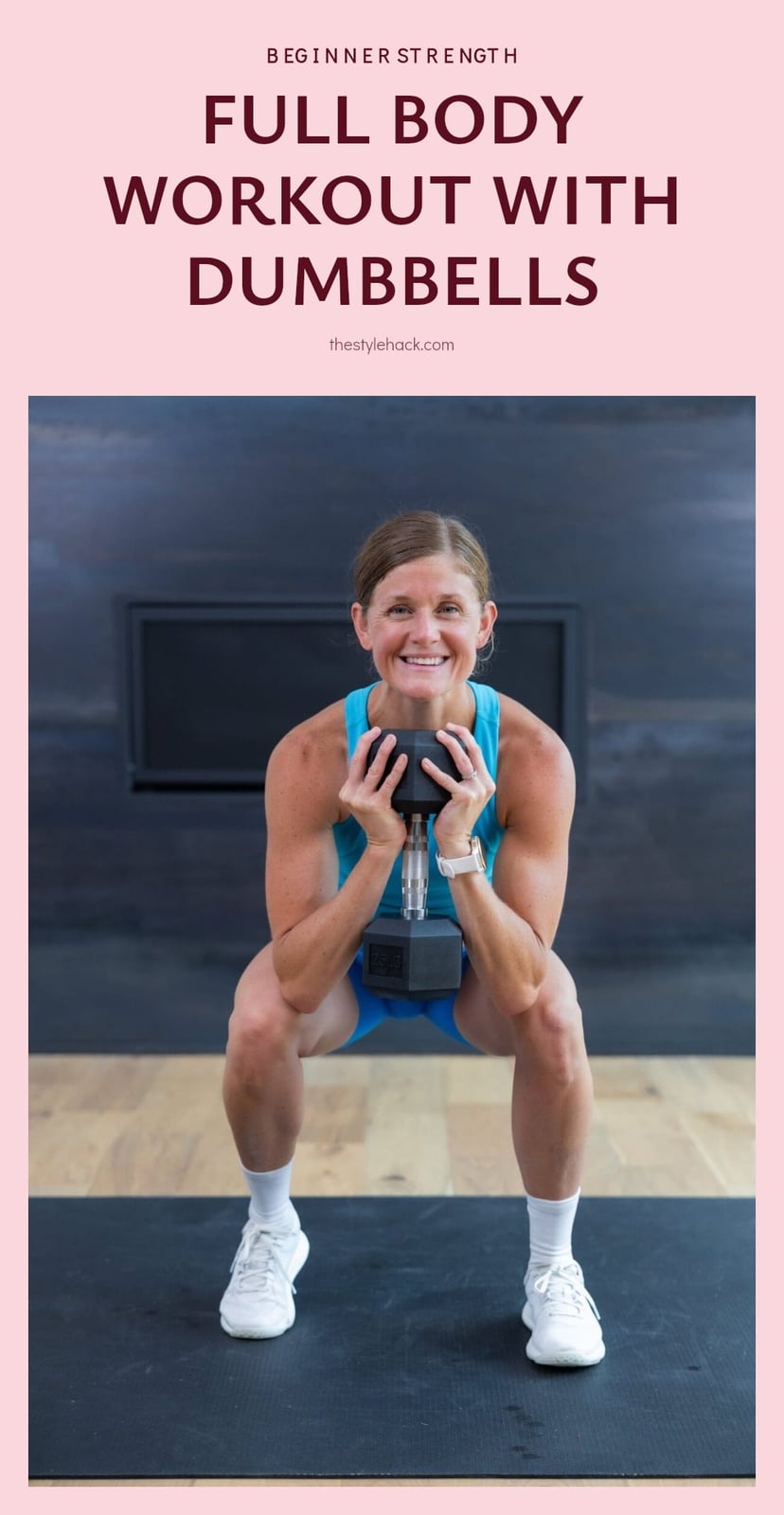
You don’t need a gym membership or a rack of machines to get a full-body strength workout at home. A pair of dumbbells is one of the most versatile tools you can own, letting you target every major muscle group in one session. This article walks you through a complete dumbbell routine, from warm-up to cool-down, and explains how to schedule your workouts for consistent results.
Key Takeaways
- Start with lighter weights to master proper form before increasing the load.
- Perform a dynamic warm-up for 5-10 minutes before each workout.
- Focus on controlled movements during both the lifting and lowering phases.
- Aim for 2-3 full-body dumbbell workouts per week with rest days in between.
- Include exercises for upper body, lower body, and core for a balanced routine.
1. 1. Dynamic Warm-Up
Start with 5-10 minutes of light cardio to raise your heart rate and warm your muscles. March in place, do arm circles, or try high knees. Then add dynamic stretches like leg swings and torso twists to mobilize your joints.
- Time: 5-10 minutes total
- Form cue: Keep movements fluid and controlled, not bouncy.
- Make it easier or harder: Shorten or lengthen the time, or increase the range of motion in swings.
2. 2. Dumbbell Squats
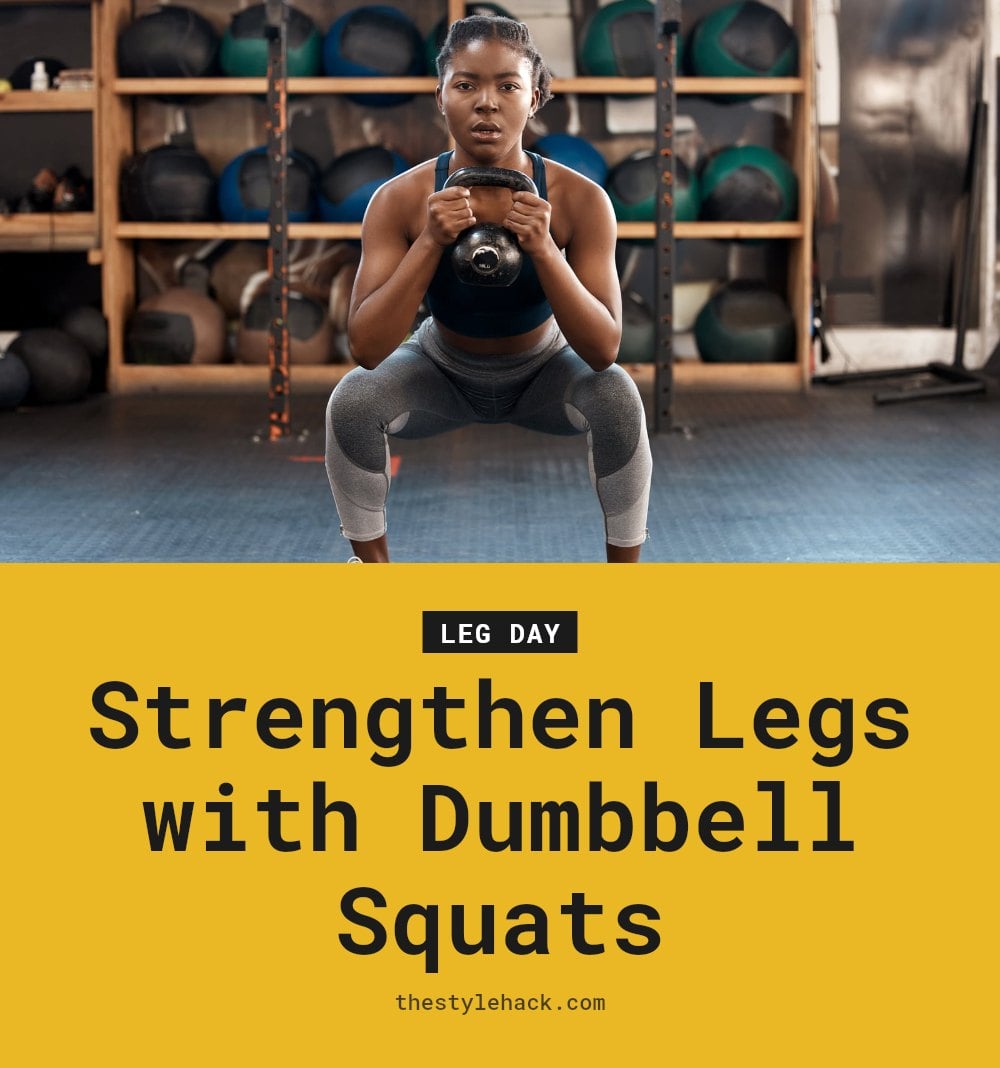
Stand with feet shoulder-width apart, holding a dumbbell in each hand at your sides. Lower your hips as if sitting in a chair, keeping your chest up and back straight. Drive through your heels to return to standing.
- Sets and reps: 3 sets of 10-12 repetitions
- Form cue: Keep your knees in line with your toes, not caving inward.
- Make it easier or harder: Use lighter dumbbells or go deeper for more challenge.
3. 3. Dumbbell Lunges
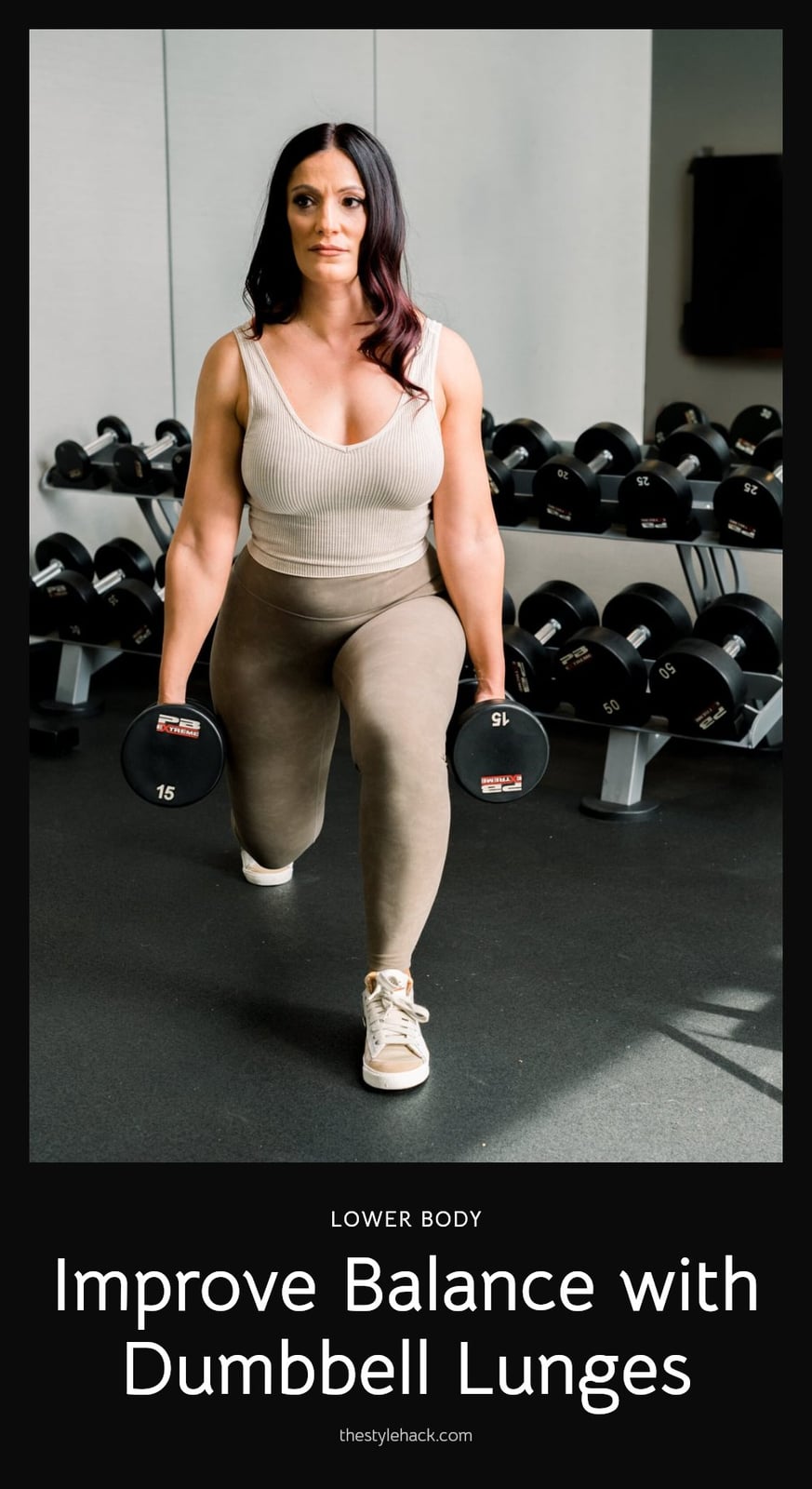
Hold a dumbbell in each hand and step forward with one leg. Lower your hips until both knees bend to 90 degrees, keeping your front knee above your ankle and back knee hovering above the floor. Push off the front foot to return to start, then alternate legs.
- Sets and reps: 3 sets of 8-10 repetitions per leg
- Form cue: Focus on maintaining balance and a strong core throughout the movement.
- Make it easier or harder: Reduce the step length or increase dumbbell weight.
4. 4. Dumbbell Rows
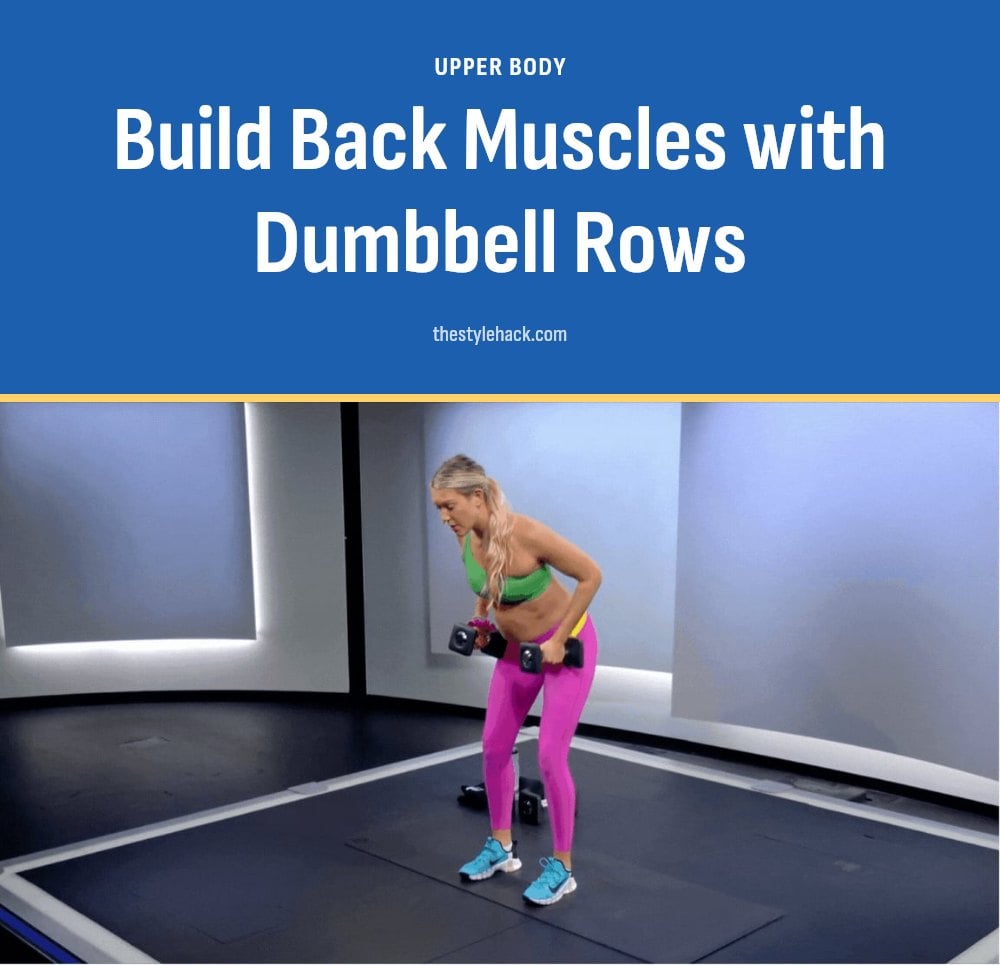
Hinge at your hips with a straight back and slight bend in your knees, letting dumbbells hang below you. Pull the dumbbells toward your chest, squeezing your shoulder blades together. Lower with control to the start.
- Sets and reps: 3 sets of 10-12 repetitions
- Form cue: Imagine you’re starting a lawnmower with each pull.
- Make it easier or harder: Use lighter weights or increase the angle of your torso.
5. 5. Dumbbell Chest Press
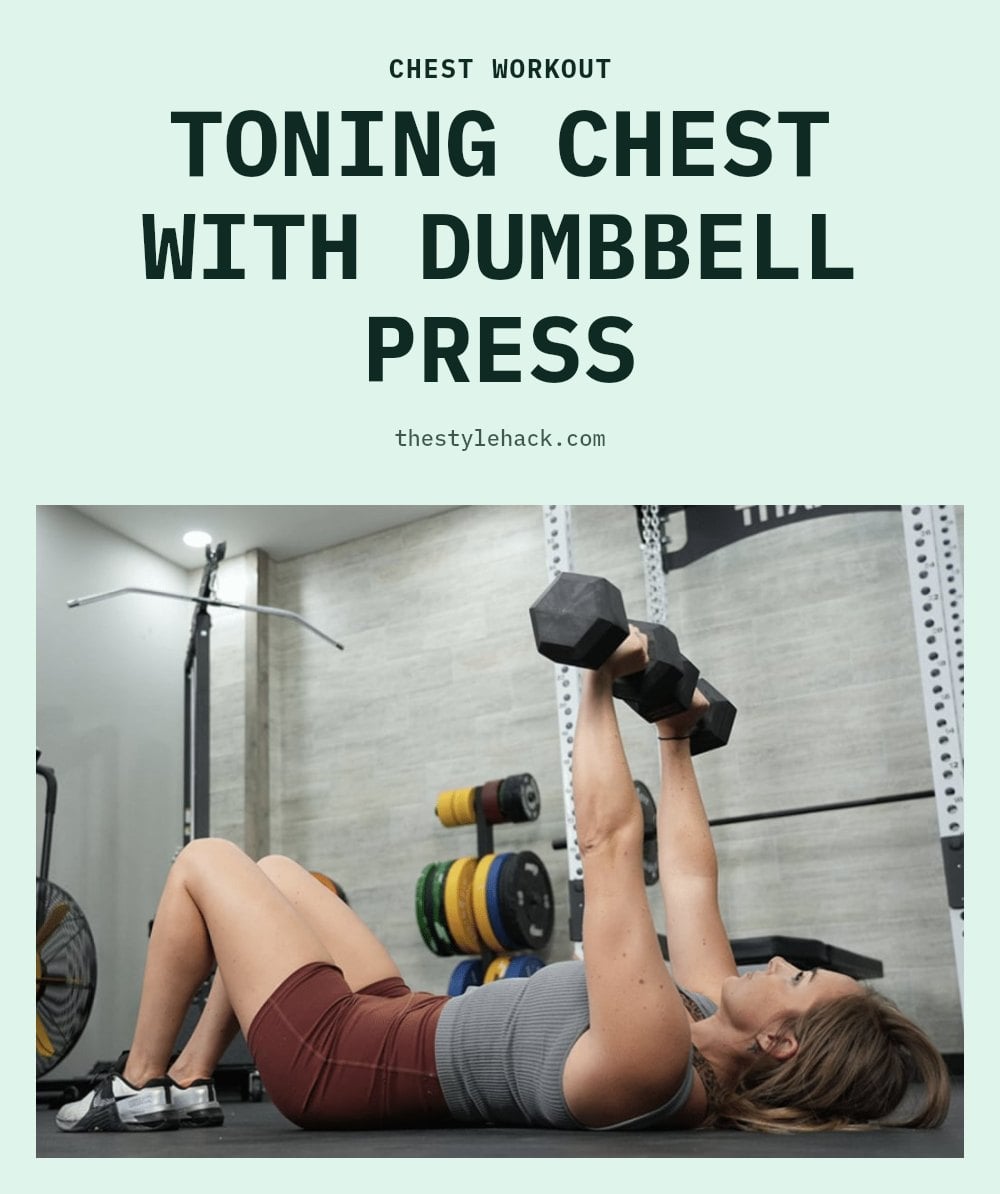
Lie on your back on a bench or the floor, holding a dumbbell in each hand above your chest with palms facing each other. Lower the dumbbells slowly to the sides of your chest, then press them back up until your arms are extended but not locked.
- Sets and reps: 3 sets of 10-12 repetitions.
- Form cue: Keep your core engaged to protect your lower back.
- Make it easier or harder: Use a bench for a deeper range of motion, or the floor for more stability. Start with lighter weights until you master the movement.
6. 6. Dumbbell Overhead Press
Stand or sit with a dumbbell in each hand at shoulder height, palms facing forward. Press the dumbbells directly overhead until your arms are fully extended, but don’t lock your elbows. Lower them with control back to shoulder height.
- Sets and reps: 3 sets of 8-10 repetitions.
- Form cue: Keep your core tight to avoid arching your back.
- Make it easier or harder: Use lighter weights for a higher rep range, or slow the lowering phase to increase time under tension.
7. 7. Dumbbell Bicep Curls
Stand tall with a dumbbell in each hand, palms facing forward and arms extended at your sides. Curl the weights up toward your shoulders, keeping your elbows tucked close to your body. Slowly lower them back down with control.
- Sets and reps: 3 sets of 10-12 repetitions.
- Form cue: Keep your wrists straight and avoid swinging the weights.
- Make it easier or harder: Use lighter dumbbells to focus on form, or increase the weight as you get stronger.
My tip: Avoid swinging the weights; use controlled muscle contraction to get the most out of each curl.
8. 8. Dumbbell Triceps Extensions
Hold one dumbbell with both hands and extend it overhead. Bend your elbows to lower the weight behind your head, keeping your upper arms stationary. Extend your arms to return to the start.
- Sets and reps: 3 sets of 10-12 repetitions.
- Form cue: Keep your elbows pointed forward and close to your head.
- Make it easier or harder: Use a lighter weight to protect your elbows, or increase reps for a challenge.
9. Your Weekly Dumbbell Workout Schedule
For best results, aim for 2-3 full-body dumbbell workouts per week, with at least one rest day between sessions. Consistency matters more than perfection, so pick days that fit your routine and stick with them.
| Day | Activity |
|---|---|
| Monday | Full-body dumbbell workout |
| Tuesday | Rest or light walking |
| Wednesday | Full-body dumbbell workout |
| Thursday | Rest or gentle stretching |
| Friday | Full-body dumbbell workout |
| Weekend | Rest or active recovery |
Listen to your body and adjust the schedule as needed. If you feel overly tired or sore, swap a workout day for rest. That recovery time is where your muscles rebuild and grow stronger.
10. Common Dumbbell Workout Mistakes to Avoid
Lifting too heavy too soon: Start with lighter weights to master proper form before increasing the load. Sacrificing form for heavier weights increases injury risk, so resist the urge to grab the biggest pair you own.
Skipping warm-up and cool-down: A dynamic warm-up prepares your body, and a cool-down aids recovery. Skipping them can lead to strains and extra soreness, so treat both as non-negotiable parts of your session.
Holding your breath: Breathe consistently throughout exercises. Exhale during exertion and inhale during the release to maintain proper blood pressure and keep your muscles fueled.
Rushing through repetitions: Focus on controlled movements, both lifting and lowering the weights. This maximizes muscle engagement and prevents injury, so slow down and feel each rep.
Ignoring pain: Some muscle soreness (DOMS) is normal, but sharp or unusual pain is a sign to stop immediately. Consult a healthcare professional if pain persists, and never push through discomfort that feels wrong.
11. Frequently Asked Questions
12. How often should I do a full-body dumbbell workout?
For best results, aim for 2-3 full-body dumbbell workouts per week. Schedule at least one rest day between sessions to allow your muscles to recover and grow. Consistency is more important than frequency, so pick days that fit your routine.
13. What weight dumbbells should I start with?
Start with a weight that allows you to complete 10-12 repetitions with good form on the last rep. For many beginners, that means 5-10 pounds for upper-body exercises and 10-15 pounds for lower-body moves. You can always increase the weight as you get stronger.
14. Can dumbbells help with weight loss?
Yes, strength training with dumbbells can support weight loss by building lean muscle, which increases your resting metabolism. Combined with a balanced diet and regular cardio, dumbbell workouts help create the calorie deficit needed for fat loss. Consistency with both exercise and nutrition is key.
15. How long should my dumbbell workout be?
A full-body dumbbell workout typically takes 30-45 minutes, including a 5-10 minute warm-up and a cool-down. The routine outlined in this article includes 8 exercises with 3 sets each, which fits comfortably in that time frame. Adjust the pace as needed to maintain proper form.
16. Is it okay to feel sore after a dumbbell workout?
Yes, some muscle soreness (known as DOMS) is normal, especially when you start a new routine or increase intensity. However, sharp or unusual pain is a sign to stop and rest. If soreness persists or interferes with daily activities, consider taking an extra rest day or consulting a professional.
17. Final Thoughts
My tip is to stick with 2-3 sessions per week and prioritize form over heavier weights. You can expect to see initial strength and endurance improvements within 4-6 weeks of consistent training. The key is showing up regularly and listening to your body as you progress.
This article provides general fitness information and is not a substitute for professional medical advice. Consult a healthcare professional before starting any new exercise program, especially if you have pre-existing health conditions or injuries. Stop immediately if you experience sharp pain, dizziness, or nausea during exercise.
More Blog ideas
- How to Heal Chapped Lips Overnight with Simple Steps
- Atomic Habits: 5 Lessons to Build Better Habits
- Hyaluronic Acid for Beginners
- How to Build a Gentle Skincare Routine for Sensitive Skin
- Beat Frizzy Hair: Easy Remedies for Smooth, Shiny Strands
- How to Increase Your Daily Drinking Water Intake
- Washing Hair Mistakes to Avoid and What to Do Instead
- Bleaching Hair Tips for Less Damage
- How to Make Your Body Mist Last Longer All Day
- How to Fix Your Skincare Routine
- Nervous System Regulation Tips
- Vagus Nerve Exercises for Stress Relief






