11 Effective Dry Skin Care Tips for Winter
Combat dry, flaky winter skin with these 12 expert tips. Learn how to moisturize effectively, protect your skin barrier, and find relief.

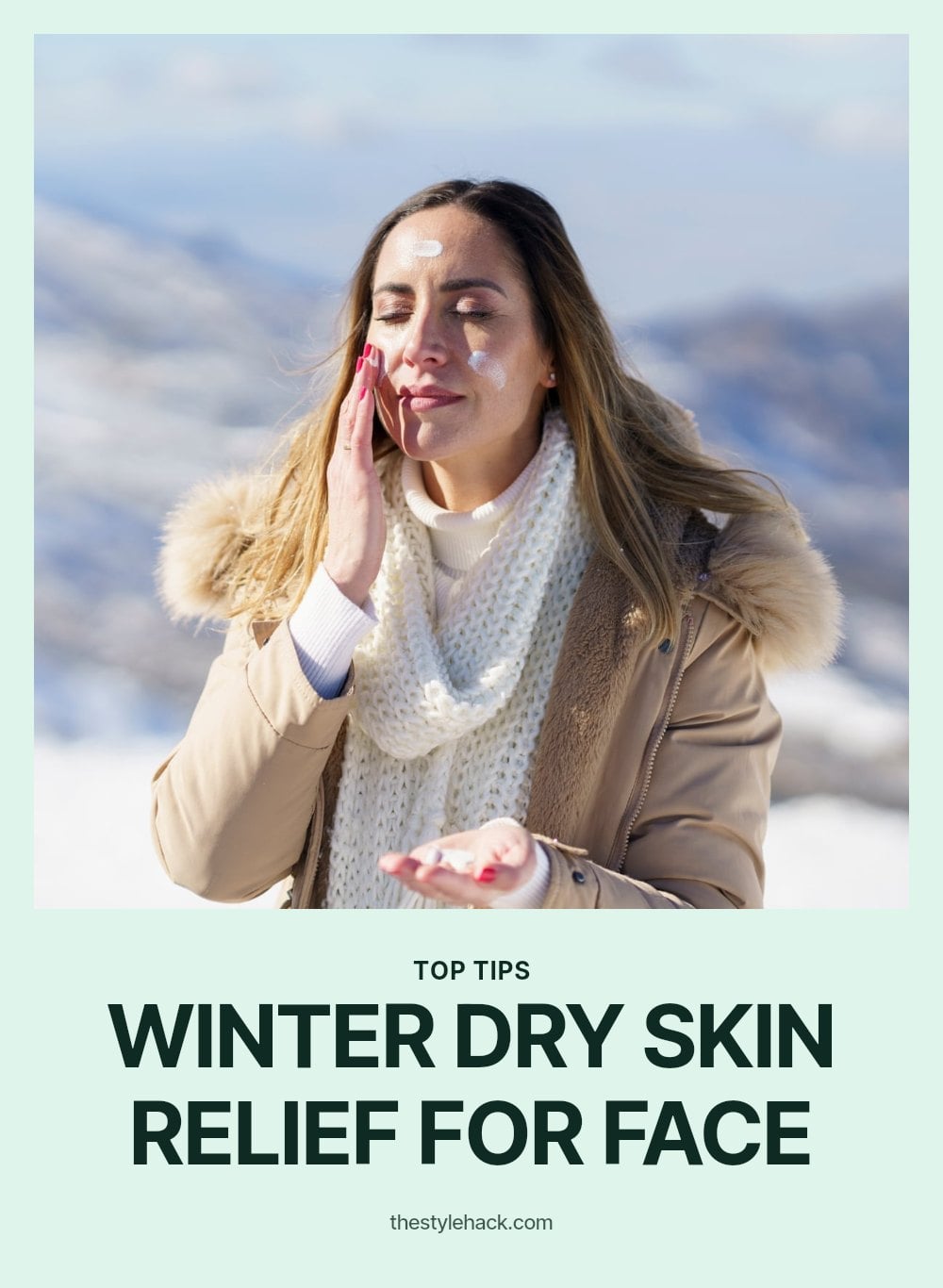
Winter weather can be brutal on your skin, leaving it feeling tight, flaky, and uncomfortable. The combination of cold air outside and dry indoor heating strips moisture from your skin’s barrier, making dryness worse. This article covers 11 practical tips to help you manage dry skin during the colder months, from choosing the right cleanser to adjusting your shower habits.
Key Takeaways
- Use a gentle, fragrance-free cream cleanser to avoid stripping natural oils.
- Apply a rich moisturizer with ceramides or petrolatum within minutes of washing.
- Keep showers lukewarm and limit them to 5-10 minutes.
- Run a humidifier to maintain indoor humidity between 30% and 50%.
- Pat skin dry instead of rubbing, then moisturize while skin is still damp.
01. Quick Answer: How to Combat Dry Skin in Winter
Winter dry skin happens when low humidity and cold wind weaken your skin’s natural barrier, letting moisture escape. The fix is a multi-faceted routine: gentle cleansing, rich moisturizers, and smart lifestyle tweaks. Look for ceramides, hyaluronic acid, and petrolatum in your products, and apply them within a few minutes after washing to lock in hydration. Consistency matters more than any single product.
02. 1. Choose a Gentle, Hydrating Cleanser
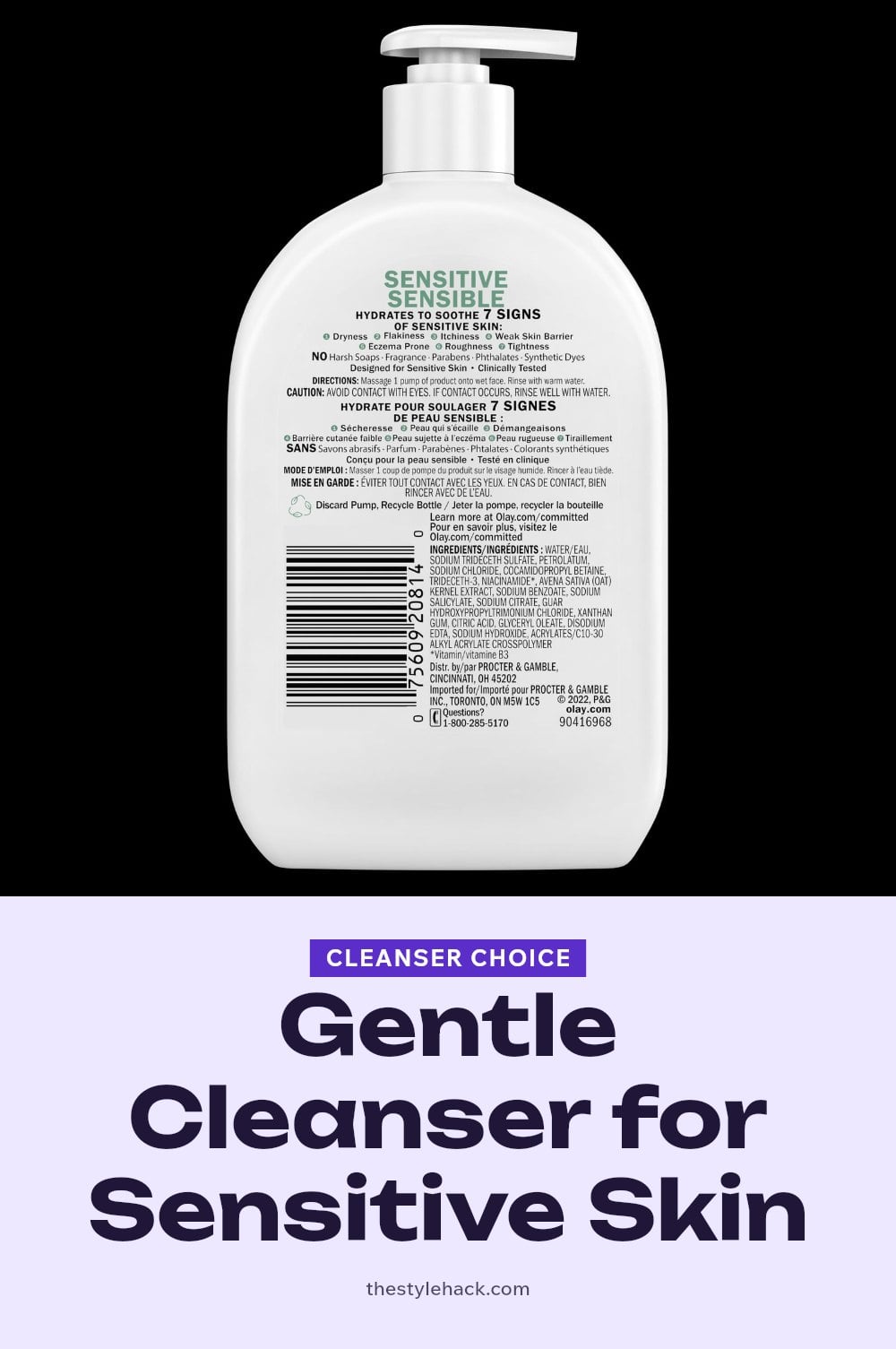
Harsh soaps and cleansers strip away your skin’s natural oils, making dryness worse. Choose a cream-based, fragrance-free cleanser that supports your skin barrier instead.
My tip: Check the label for words like “hydrating” or “for dry/sensitive skin” and avoid sulfates. These formulas clean without over-stripping, so your skin stays comfortable after washing.
03. 2. Moisturize Immediately After Washing
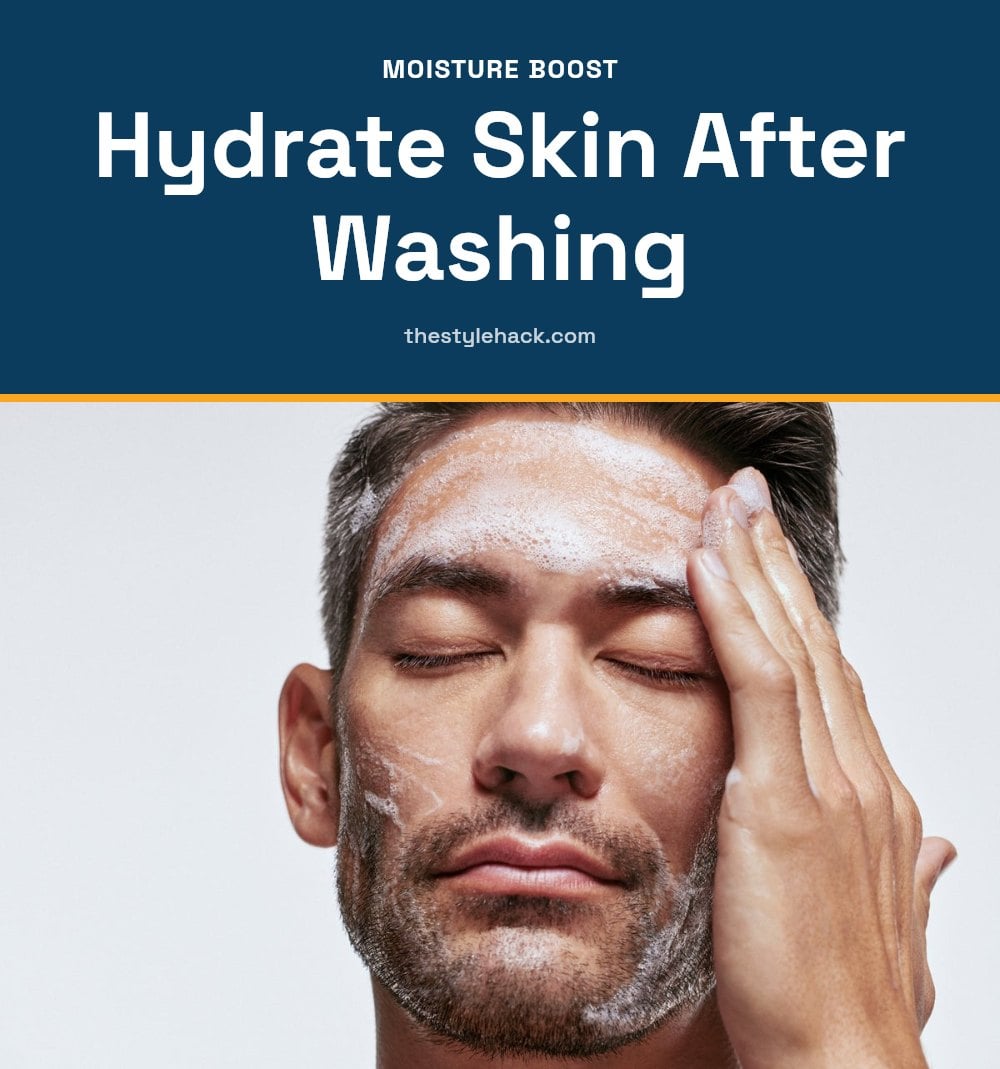
Apply moisturizer within a few minutes after showering or washing your face. This traps water in your skin before it evaporates, maximizing hydration and improving barrier function.
My tip: Keep your moisturizer in the bathroom, right next to your towel. That way, you won’t forget this vital step when you’re in a rush.
04. 3. Use a Rich Moisturizer with Key Ingredients

Not all moisturizers work the same for dry skin. Look for humectants like hyaluronic acid and glycerin to attract water, plus emollients like ceramides and fatty acids to fill gaps in your skin barrier. Add occlusives such as petrolatum or mineral oil to form a protective seal that prevents water loss.
Tip: For very dry skin, ointments and creams are generally more effective than lotions because they contain more occlusives and fewer fillers.
05. 4. Take Lukewarm, Shorter Showers
Hot water feels great in winter, but it strips your skin’s natural oils and weakens your barrier, which makes dryness worse. Keep your shower or bath lukewarm and aim for 5-10 minutes, just enough to get clean and warm up.
My tip: I know it’s tempting to linger under a steaming spray, but your skin will thank you for keeping it warm, not scalding. If your skin feels tight or itchy after you towel off, that is a sign the water was too hot.
06. 5. Invest in a Humidifier

Indoor heating pulls moisture out of the air, and that dry air pulls moisture out of your skin. A humidifier in your bedroom or main living areas can keep humidity in the ideal 30-50% range for skin health.
Running one overnight is especially helpful, since that is when your skin does most of its repair. You do not need a fancy model, just one that is easy to clean and sized for the room.
Tip: Place it near your bed but not directly on your nightstand, so you get the benefit without dampening your electronics.
07. 6. Pat Your Skin Dry, Don’t Rub
Rubbing your skin with a towel after washing can irritate your skin and pull away even more moisture. Instead, gently pat your skin dry, leaving it slightly damp before you apply your moisturizer. That leftover water gets trapped by the moisturizer, which helps lock in hydration.
Good to know: Use a soft, clean towel and press it against your skin rather than dragging it across. If your skin feels tight or looks red after drying, you are pressing too hard.
08. 7. Protect Exposed Skin from Elements

Cold wind and harsh winter air can severely dry out and chap exposed skin, especially on your face, lips, and hands. Before heading outdoors, cover up with gloves, a scarf, and a hat to create a physical barrier against the elements. This simple layer of protection blocks the wind from pulling moisture directly off your skin.
Hands deserve extra attention because they’re frequently exposed and washed throughout the day. Keep a pair of gloves in your coat pocket or by the door so you never step out without them. For your lips, a balm with SPF adds another layer of defense against both cold and sun.
09. 8. Avoid Fragrances and Irritants
Fragrances, dyes, and certain preservatives in skincare products can irritate sensitive, dry skin and make symptoms worse. This is especially true for cleansers and moisturizers, which sit on your skin the longest.
Always opt for fragrance-free and hypoallergenic products, particularly for anything you leave on your face and body. Check the ingredient list, not just the front label.
Pro move: ‘Unscented’ doesn’t always mean fragrance-free; look for ‘fragrance-free’ specifically. Many ‘unscented’ products still contain masking fragrances that can trigger irritation.
10. 9. Don’t Over-Exfoliate
Exfoliation can help remove dead skin cells, but overdoing it, especially with harsh physical scrubs, can damage your skin barrier and worsen dryness. If you have dry skin, limit exfoliation to once a week at most, or consider a very gentle chemical exfoliant instead.
My tip: Listen to your skin. If it feels tight or irritated after exfoliating, you’re likely overdoing it and should give it a break.
11. 10. Wear Soft, Breathable Fabrics
Rough fabrics like wool can chafe dry skin and make itching worse, especially when worn directly against the body. Choose soft, breathable materials such as cotton or silk that won’t irritate your skin, and save wool for outer layers that don’t touch your skin directly.
My tip: Layer a cotton base under a sweater or fleece so you stay warm without relying on a single, potentially irritating, heavy fabric. This also lets you adjust layers as indoor temperatures change, which helps prevent overheating and sweating that can further dry out your skin.
12. 11. Consider Internal Factors and Medications
Internal factors can play a role in how dry your skin feels. Drinking adequate water supports overall skin health, though its direct impact on surface dryness is debated, so it’s worth doing but not a cure-all on its own.
Some medications, like diuretics or retinoids, can contribute to dry skin as a side effect. If you suspect your prescription is involved, discuss it with your doctor rather than stopping the medication on your own.
- Quick tip: Always mention any new or worsening skin issues to your healthcare provider, especially if you’re on medication.
- Good to know: Persistent dryness that doesn’t respond to your routine may signal an underlying condition worth investigating.
13. When to Consult a Dermatologist
Severe itching, cracking, or bleeding alongside your dry skin means it’s time to see a dermatologist. The same goes for signs of infection, including increased redness, swelling, or pus, which need prompt medical attention.
A professional can also help when your dry skin doesn’t improve after consistent home care for a few weeks, or if you suspect an underlying medical condition is at play. Don’t wait until the discomfort becomes unbearable, early intervention can prevent complications and get you a tailored treatment plan.
14. Frequently Asked Questions
15. Why does my skin get so dry in winter?
Low humidity outdoors and dry indoor heating pull moisture from the air and your skin. Cold wind also weakens your skin’s natural barrier, letting water escape more easily. This combination leads to the tight, flaky feeling many people experience in winter.
16. Can drinking more water help my dry skin?
Staying hydrated supports your overall health, but its direct effect on surface dryness is still debated. Drinking enough water is worth doing as part of a broader routine, but it’s not a quick fix on its own. Pair it with topical moisturizers and a humidifier for better results.
17. What ingredients should I look for in a moisturizer for dry skin?
Look for humectants like hyaluronic acid and glycerin to attract water, emollients like ceramides and fatty acids to fill gaps in your skin barrier, and occlusives like petrolatum or mineral oil to seal moisture in. A combination of these types works best for dry skin.
18. How often should I moisturize in winter?
Apply moisturizer at least twice a day, and always within a few minutes after showering or washing your face. If your skin feels dry by midday, you can reapply a lighter layer. Consistency matters more than the exact number of times.
19. Is it possible to over-exfoliate dry skin?
Yes, over-exfoliating can damage your skin barrier and make dryness worse. If you have dry skin, limit exfoliation to once a week at most, and avoid harsh physical scrubs. A gentle chemical exfoliant may be a better option, but start slowly.
20. When should I see a dermatologist for dry skin?
See a dermatologist if your dry skin comes with severe itching, cracking, bleeding, or signs of infection like redness, swelling, or pus. Also seek help if your skin doesn’t improve despite a consistent routine or if you suspect a medication is causing the dryness.
21. Final Thoughts
Your best bet for winter dry skin is a consistent routine: gentle cleansing, immediate moisturizing with the right ingredients, and simple lifestyle adjustments like using a humidifier and wearing protective clothing. Expect to see improvement within a few days to a week if you stick with it. Keep it simple, and your skin will thank you.
This article is for general informational purposes only and is not a substitute for professional medical advice. If you have persistent or severe dry skin, or if you notice signs of infection, please consult a dermatologist or healthcare provider for a proper evaluation and treatment plan.
More Blog ideas
- How to Heal Chapped Lips Overnight with Simple Steps
- Atomic Habits: 5 Lessons to Build Better Habits
- Hyaluronic Acid for Beginners
- How to Build a Gentle Skincare Routine for Sensitive Skin
- Beat Frizzy Hair: Easy Remedies for Smooth, Shiny Strands
- How to Increase Your Daily Drinking Water Intake
- Washing Hair Mistakes to Avoid and What to Do Instead
- Bleaching Hair Tips for Less Damage
- How to Make Your Body Mist Last Longer All Day
- How to Fix Your Skincare Routine
- Nervous System Regulation Tips
- Vagus Nerve Exercises for Stress Relief