Your Essential Hair Care Routine for Healthy, Shiny Hair
Unlock the secrets to healthy hair with our essential hair care routine. Learn cleansing, conditioning, drying, and nourishing tips for strong, shiny strands.

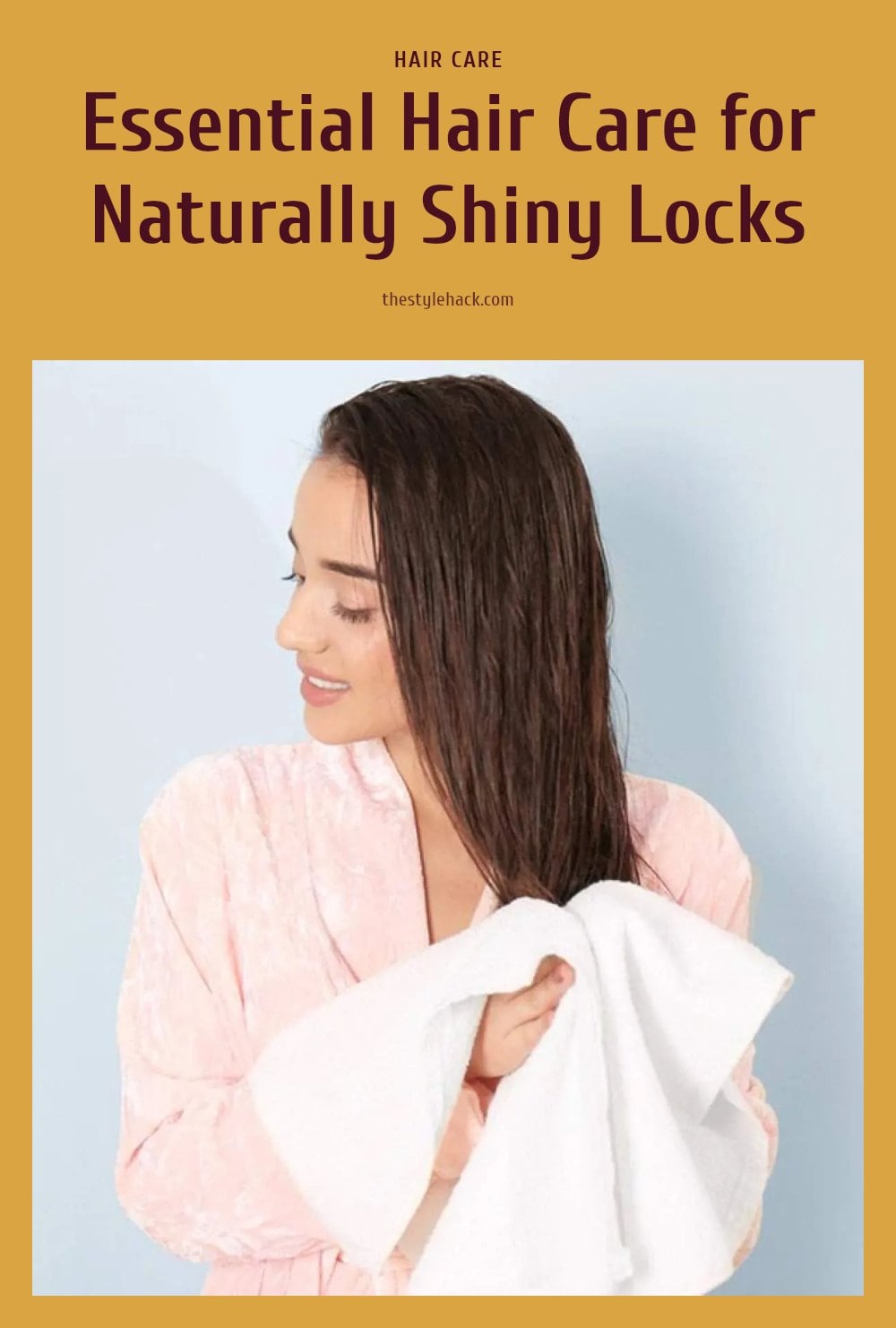
You already know the basics of washing and conditioning, but getting a hair care routine that actually works for your hair type can feel like a guessing game. Whether you are dealing with dryness, frizz, or just want more shine, this article breaks down the essential steps, tools, and common mistakes to help you build a routine that delivers real results.
Key Takeaways
- Wash your hair 2-3 times a week if you have a desk job; wash daily if you are active or work in dusty conditions.
- Apply conditioner only to the hair strands, never the scalp, and avoid 2-in-1 shampoo-plus-conditioner products.
- Gently pat your hair dry with a microfiber towel instead of rubbing it with a regular towel.
- Use 2-3 drops of hair oil on the strands after showering, not on the scalp, which is naturally oily.
- Eat protein-rich foods like eggs, chicken, and lentils because hair is about 90% protein (keratin).
1. What is the Best Hair Care Routine?
The best hair care routine starts with knowing your hair type and its specific needs. Once you understand whether your hair is oily, dry, fine, thick, or color-treated, you can choose the right cleansing, conditioning, and styling methods. It’s about handling your hair gently, shielding it from damage, and giving it the nourishment it needs to stay strong and shiny. The real goal is preventing dryness, breakage, and dullness through consistent, mindful care.
2. Essential Tools and Products for Your Hair
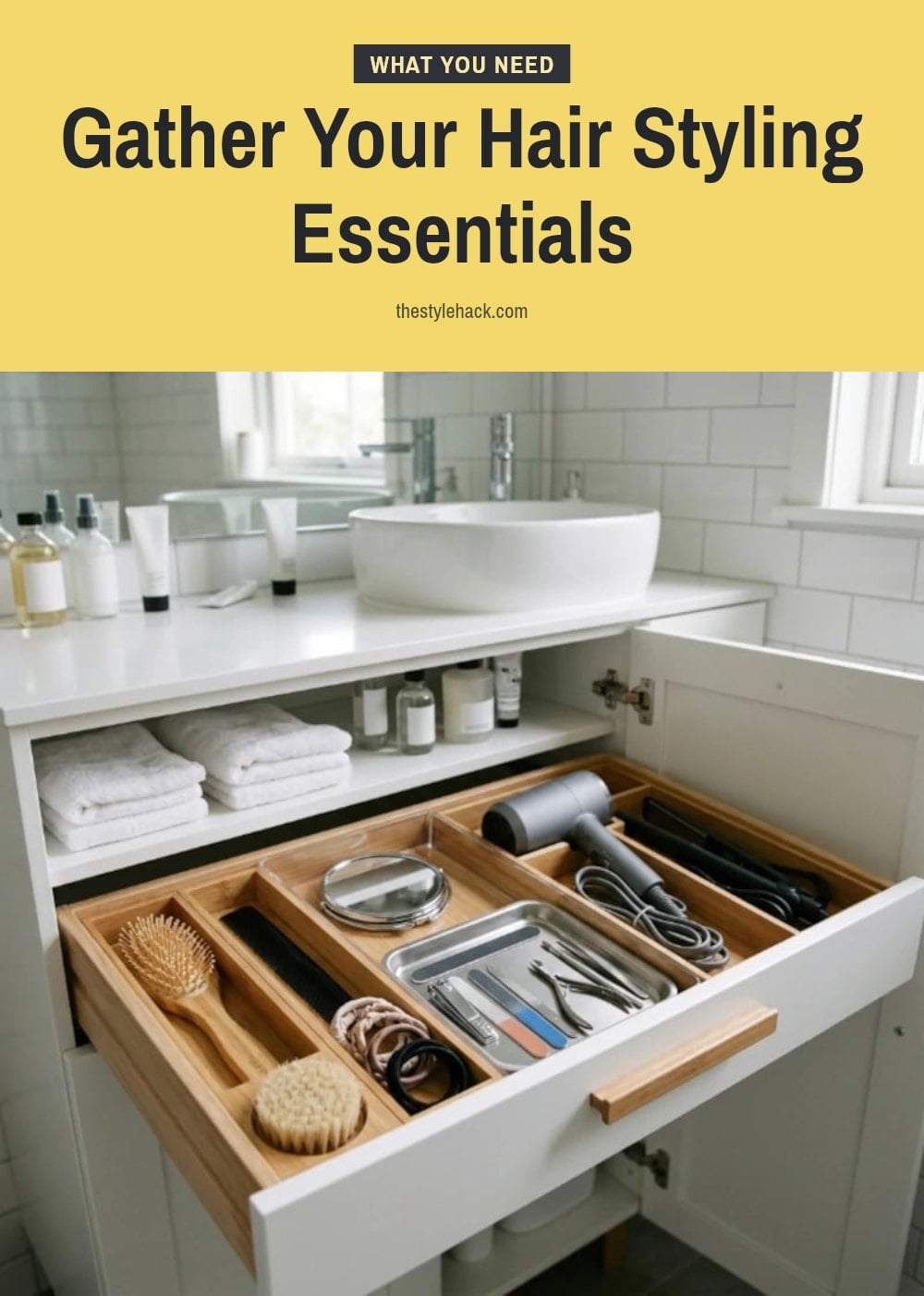
Having the right tools and products makes a noticeable difference. Here’s what you need and why:
- Shampoo: Cleanses your scalp and hair.
- Conditioner: Moisturizes and detangles strands.
- Deep conditioner or hair mask: Provides intensive moisture and repair.
- Leave-in conditioner: Adds moisture and protection after washing.
- Heat protectant spray: Shields hair from heat styling damage.
- Hair oil or serum: Adds shine, smooths frizz, and protects strands.
- Wide-tooth comb: Detangles wet hair gently to prevent breakage.
- Microfiber towel: Dries hair gently and absorbs water efficiently.
- Hair ties (silk or satin preferred): Reduce friction and minimize breakage.
- Hair brush: For styling and detangling dry hair.
3. Your 5-Step Daily Hair Care Routine
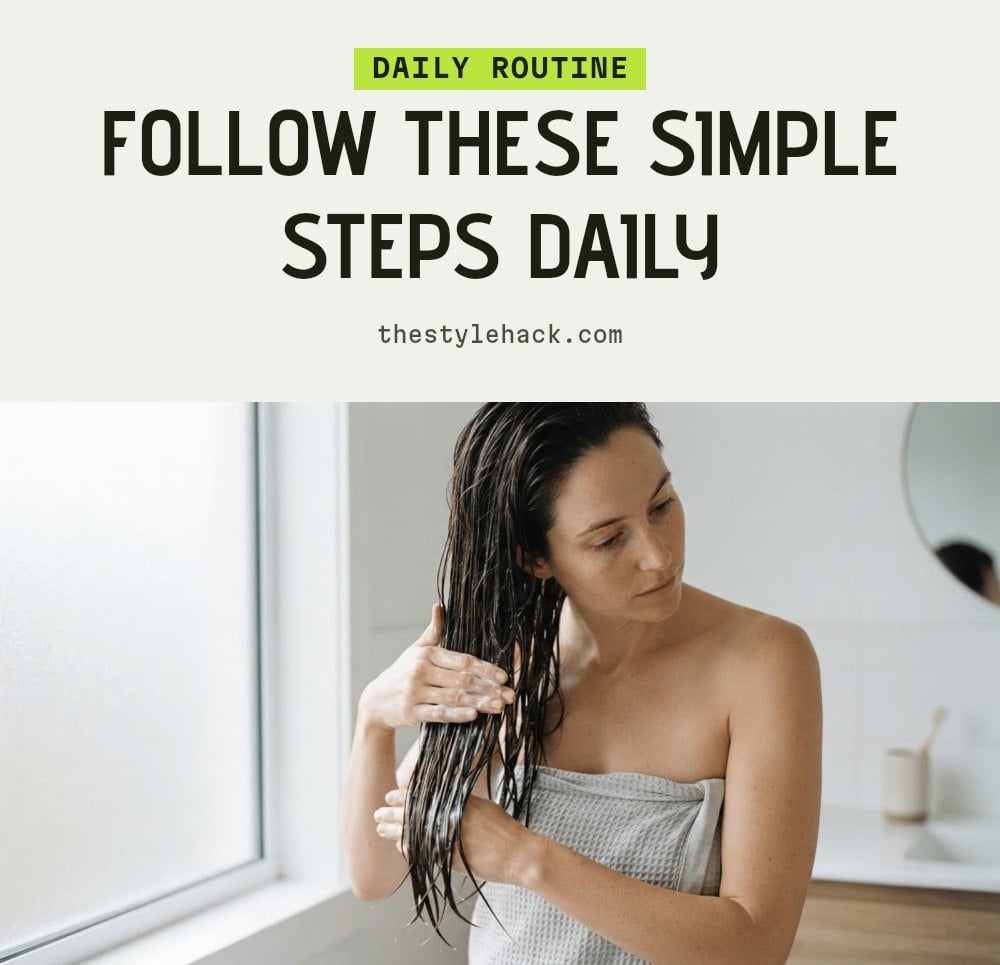
Follow these five steps consistently for healthier hair.
- Cleanse your scalp: Shampoo your scalp regularly, but adjust frequency to your activity level and scalp type. If you have a desk job or stay indoors most days, washing 2-3 times a week is enough. If you’re active outdoors, travel, work in dusty conditions, or exercise, wash daily with a mild shampoo. For oily scalps or dandruff, look for shampoos with salicylic acid, glycolic acid, or tea tree oil. For dandruff, choose one with ketoconazole.
- Condition your strands: After shampooing, squeeze out excess water from your hair, then apply a small amount of conditioner only to the mid-lengths and ends, avoiding the scalp. This restores moisture where it’s needed most. Skip 2-in-1 shampoo-plus-conditioner products; always use a separate conditioner.
- Dry gently: Instead of rubbing your hair harshly with a towel, pat and press it dry. A microfiber towel absorbs water better and prevents damage. If you use a hair dryer, always set it to normal or cool temperature, never hot.
- Oil your strands: After showering, apply 2-3 drops of hair oil only to the strands, not the scalp, since the scalp is naturally oily. This adds moisture and protection to the hair shaft without weighing down the roots.
- Eat for hair health: Your hair is about 90% protein, so consume protein-rich foods like eggs, cheese, chicken, lentils, chickpeas, and soy chunks. Include healthy fats from nuts and seeds, plus essential vitamins, to support hair growth from within.
Here is the method in action: Zolven demonstrates it in about 5 minutes.
4. Common Hair Care Mistakes and How to Fix Them
Even with good intentions, common mistakes can sabotage your hair. Here’s how to fix them.
- Using the wrong products: Identify your hair type and concerns first, then choose shampoos and conditioners formulated for those needs. Don’t expect shampoo to make hair thick, shiny, or strong; its job is just to clean.
- Over-washing or under-washing: Adjust frequency based on your scalp’s oil production and lifestyle, not a generic rule. Over-washing strips natural oils, leading to dryness and irritation.
- Skipping or misapplying conditioner: Conditioner is vital for moisturizing strands. Apply it to mid-lengths and ends, never the scalp.
- Aggressive drying or brushing: Gently blot hair with a microfiber towel and use a wide-tooth comb on wet hair to prevent breakage. Never rub wet hair with a regular towel.
- Over-reliance on heat styling: Always use a heat protectant spray and choose cooler settings on styling tools to minimize cuticle damage.
- Neglecting trims: Get a trim every 6-8 weeks to remove split ends and support healthy growth.
5. Expert Tips for Healthier Hair
Your hair faces more than just styling stress. Strong sun exposure and chlorine can dry it out and fade color, so wear a hat or rinse hair after swimming. A healthy scalp is the foundation for growth, and a monthly scalp massage with oil can boost circulation if your scalp isn’t oily.
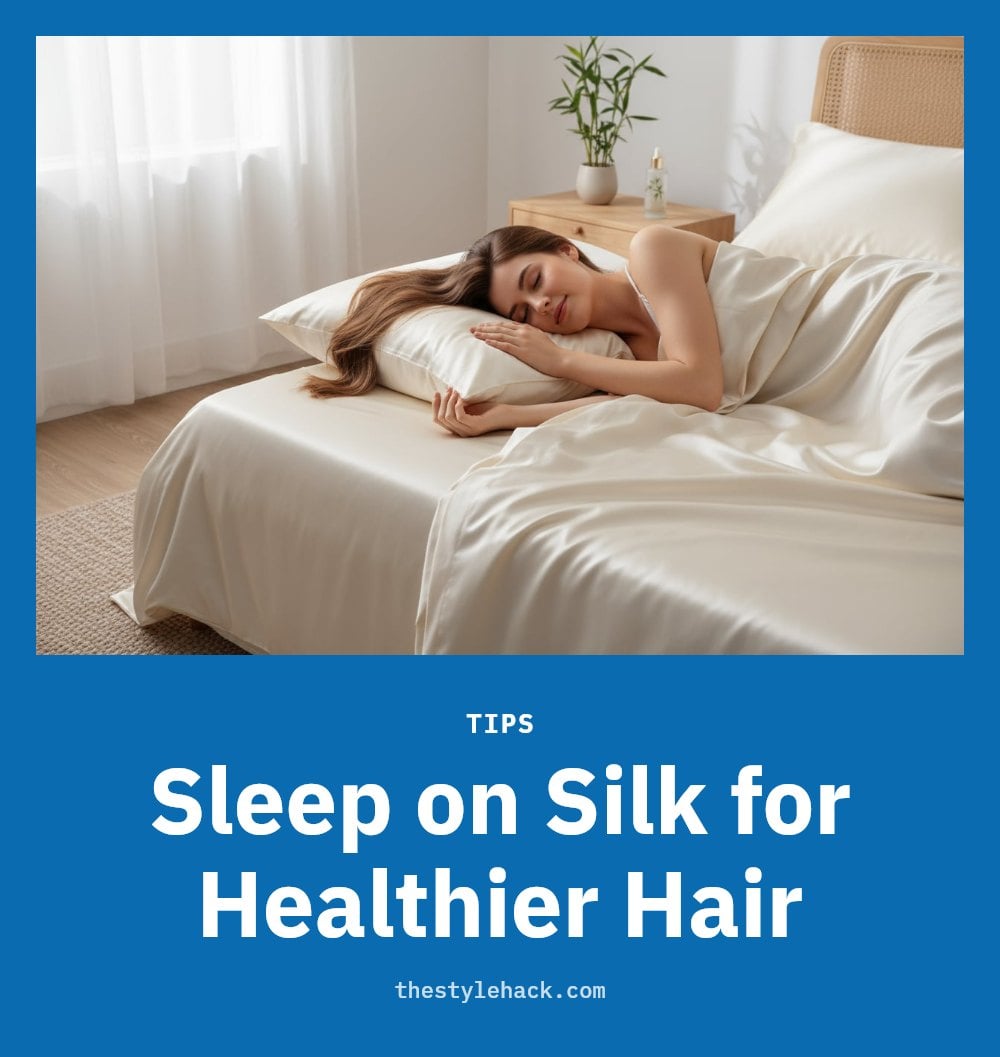
Swap your cotton pillowcase for silk or satin to cut down on friction while you sleep. That simple switch reduces frizz and breakage. Hydration matters too, drinking enough water supports your hair’s vitality from the inside. And don’t underestimate stress, high stress levels can impact hair health, so find ways to relax and de-stress.
6. How to Prevent Common Hair Problems
Prevention beats repair when it comes to hair. Always wash with normal or cold water, never hot, because hot water strips natural oils and can irritate your scalp. Skip 2-in-1 shampoo-plus-conditioner products, they don’t clean or condition as well as separate formulas.
Limit chemical treatments like coloring or perming, and if you do them, follow up with intensive conditioning. When detangling, start from the ends and work your way up to avoid pulling and breakage. Add a deep conditioning treatment or hair mask once a week or bi-weekly for extra nourishment and repair.
7. When to Consult a Professional for Hair Concerns
Sometimes home care isn’t enough. See a professional if you experience significant hair loss or sudden thinning that’s unusual for you. Persistent scalp irritation, itchiness, redness, or painful sores also warrant a check-up.
If your hair issues like extreme dryness or breakage don’t improve despite consistent care, it’s time to ask for help. You should also consult a doctor if you suspect an underlying medical condition is affecting your hair. For specific hair types, complex styling, or chemical treatments, a professional can give you tailored advice.
8. Frequently Asked Questions
9. How often should I trim my hair?
Trimming your hair every 6 to 8 weeks helps remove split ends and supports healthy growth. Regular trims prevent splits from traveling up the hair shaft, which can cause more breakage over time.
10. Can diet really affect my hair’s health?
Yes, diet plays a significant role. Hair is about 90% protein (keratin), so eating protein-rich foods like eggs, chicken, lentils, and chickpeas supports strength and growth. Healthy fats from nuts and seeds also contribute to shine and scalp health.
11. Is it bad to wash my hair every day?
It depends on your scalp and lifestyle. If you exercise daily, work in dusty conditions, or have a very oily scalp, daily washing with a mild shampoo is fine. For dry or color-treated hair, daily washing can strip natural oils and lead to dryness.
12. What type of shampoo should I use for color-treated hair?
Look for a mild, sulfate-free shampoo formulated for color-treated hair. These are gentler and help preserve your color longer. Avoid hot water when washing, as it can fade color and strip moisture.
13. Do silk pillowcases actually help hair?
Silk or satin pillowcases can reduce friction compared to cotton, which may help minimize frizz and breakage while you sleep. They are a low-cost addition to your routine, but they are not a substitute for proper cleansing and conditioning.
14. Final Thoughts
Stick with the five steps and adjust them to your hair type and lifestyle. You should start seeing improvements in shine, strength, and manageability within a few weeks to a few months. The key is consistency, gentle handling, and choosing products that match your specific needs.
More Blog ideas
- How to Heal Chapped Lips Overnight with Simple Steps
- Atomic Habits: 5 Lessons to Build Better Habits
- Hyaluronic Acid for Beginners
- How to Build a Gentle Skincare Routine for Sensitive Skin
- Beat Frizzy Hair: Easy Remedies for Smooth, Shiny Strands
- How to Increase Your Daily Drinking Water Intake
- Washing Hair Mistakes to Avoid and What to Do Instead
- Bleaching Hair Tips for Less Damage
- How to Make Your Body Mist Last Longer All Day
- How to Fix Your Skincare Routine
- Nervous System Regulation Tips
- Vagus Nerve Exercises for Stress Relief






