Face Massage for Beginners: Easy Steps for a Fresh Glow
Learn how to do a simple face massage at home with easy steps and common tools. Discover techniques for a fresh, radiant complexion.


You’ve probably seen those satisfying videos of people gliding tools over their faces and wondered if it’s worth trying. Face massage is a simple, relaxing practice that may boost circulation, ease puffiness, and help you unwind. In this article, I’ll walk you through the essentials, step-by-step techniques, common mistakes to avoid, and how to make it a sustainable part of your routine.
Key Takeaways
- Always massage clean skin with enough oil, serum, or moisturizer to avoid friction.
- Use gentle upward and outward strokes, never pulling downward.
- Aim for 3-5 minutes daily for best results; consistency matters more than length.
- Stop immediately if you feel pain or see excessive redness.
- Consult a dermatologist before massaging if you have rosacea, severe acne, or eczema.
1. What is Face Massage and How Does It Work?
Face massage is the gentle manipulation of the skin and underlying tissues of your face. It works by temporarily increasing blood circulation, which can give your skin a healthy glow. Lymphatic drainage techniques, using light pressure and sweeping motions, help move fluids and may reduce temporary puffiness. It’s a relaxing addition to any skincare routine, and it’s been part of traditional beauty practices for centuries.
2. Essential Tools for Your Face Massage
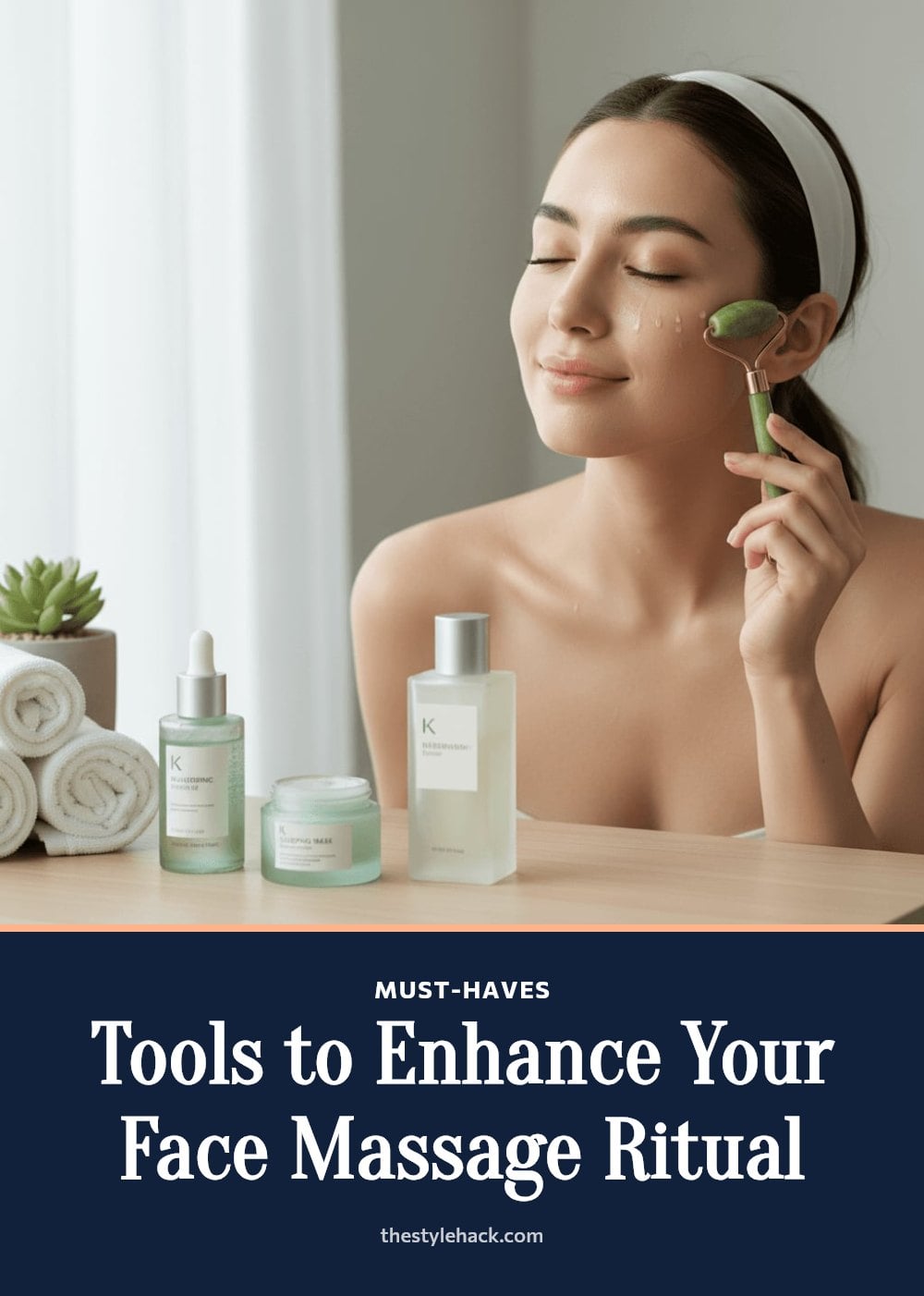
Before you start, gather a few essentials. The key is to create enough slip so your hands or tools glide smoothly without pulling your skin.
- Facial oil, serum, or moisturizer: Provides necessary lubrication and helps your tools move easily.
- Clean hands: The most accessible and versatile tool, perfect for intuitive pressure.
- Gua sha tool: Offers deeper pressure and supports lymphatic drainage.
- Jade or rose quartz roller: Gives a cooling sensation and gentle massage, great for depuffing.
Always start with a clean face and clean hands to avoid spreading bacteria.
3. Step-by-Step: Your At-Home Face Massage Routine
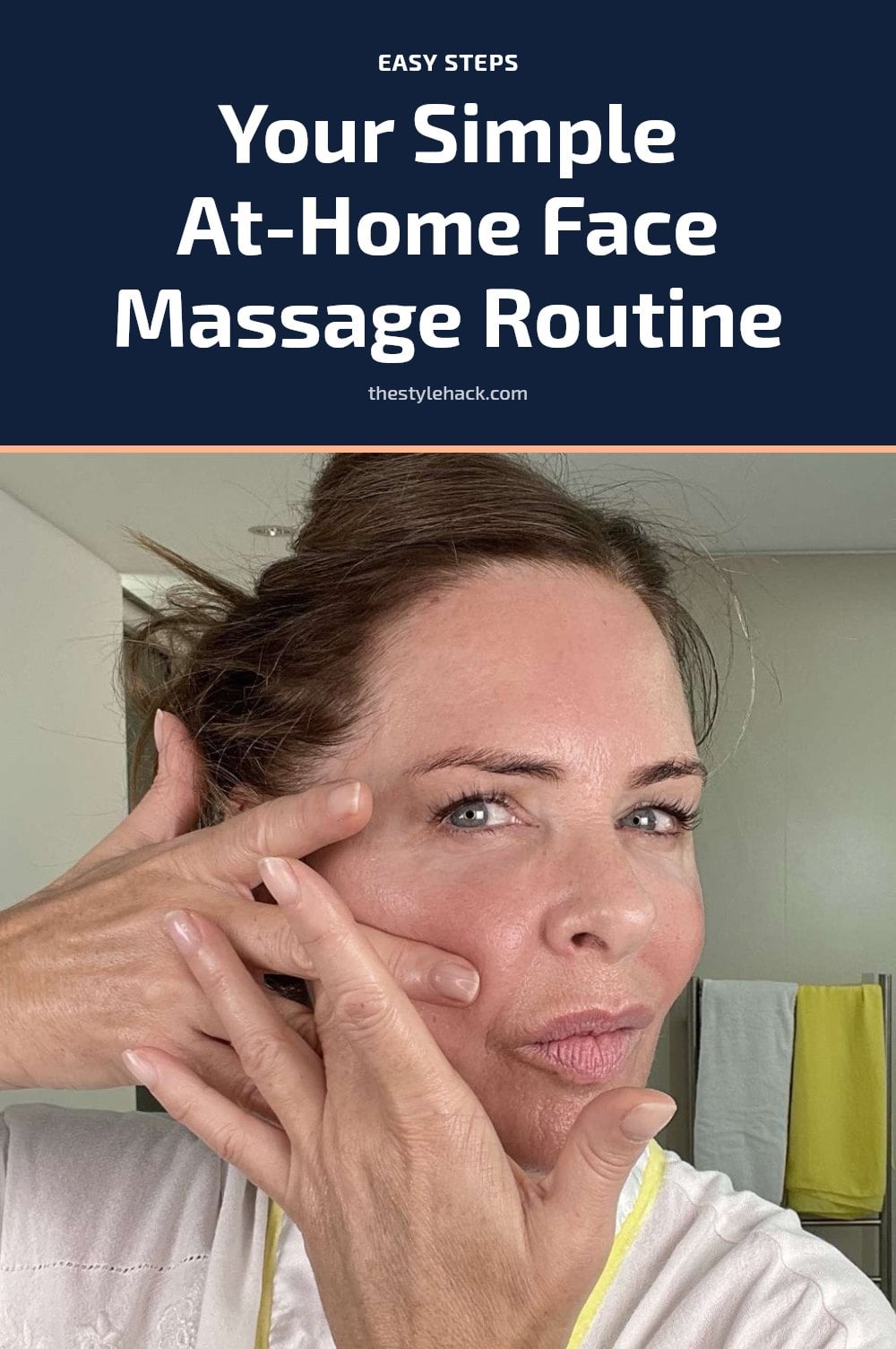
Ready to try it at home? Here’s a simple routine you can do in just a few minutes.
- Cleanse your face: Wash your face and hands thoroughly to remove dirt and makeup.
- Apply lubrication: Generously apply a facial oil, serum, or moisturizer all over your face and neck. This prevents skin pulling and lets your fingers glide.
- Warm up your fingers: Rub your hands together to warm them, which feels more comfortable and helps products absorb.
- Start at the neck: Use gentle upward strokes from your collarbone towards your jawline, following the direction of lymphatic flow. This can help reduce puffiness.
- Work on the jawline: Using your knuckles or fingertips, apply gentle pressure and sweep from the center of your chin outward toward your ears. This targets tension.
- Move to the cheeks: Place your fingers on your nose and sweep outward and upward toward your temples. Repeat 5 times on each side.
- Address the temples: Use your index and middle fingers to make small circles on your temples, applying light pressure. This can help relieve tension.
- Be gentle around the eyes: Use your ring finger to tap or lightly sweep from the inner corner outward. The skin here is very thin, so use minimal pressure.
- Finish with a soothing stroke: Sweep your hands from the center of your face outward, then down your neck, to encourage drainage.
Remember to use gentle, upward, and outward strokes throughout. If you feel any pain or see excessive redness, stop immediately.
4. Different Techniques for Face Massage
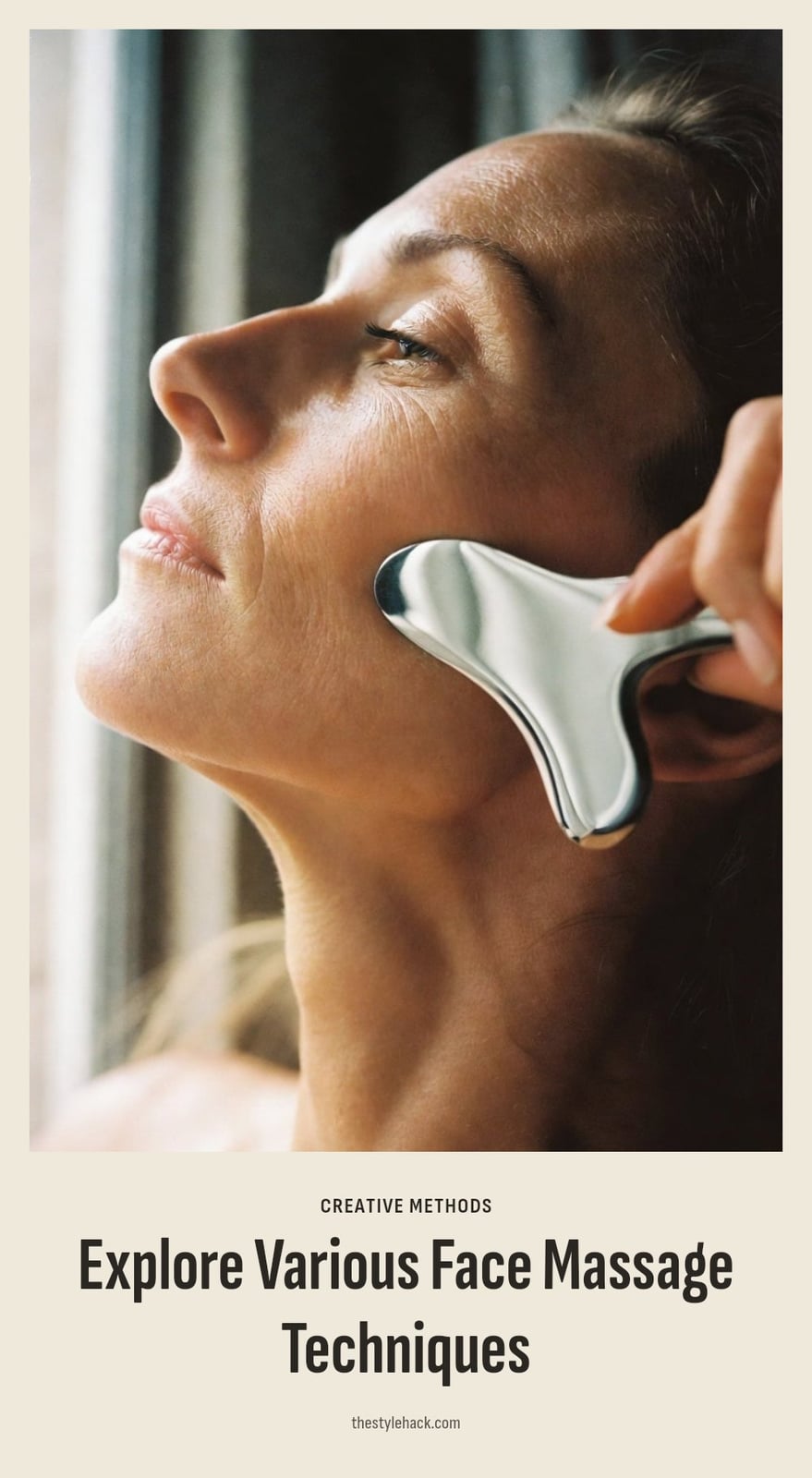
There are several ways to massage your face, each with its own feel and benefits. You can switch between methods or stick to what you enjoy most.
5. Hand Massage
Your hands are the most intuitive tool. Use your fingertips or knuckles to apply pressure where you hold tension, like the jaw or temples. You can also use your palms for broader strokes.
Tip: Use your ring finger for the eye area to ensure the lightest touch.
6. Gua Sha
Gua sha involves scraping a smooth stone tool across your skin in upward and outward motions. It provides deeper pressure and is often used for lymphatic drainage and tension relief. Always glide the tool along your skin, never back and forth, and keep the angle at about 45 degrees.
Caution: Avoid using gua sha on active breakouts or irritated skin, as it can spread bacteria.
7. Jade and Rose Quartz Rollers
These rollers offer a cooling, gentle massage that’s perfect for reducing puffiness and helping products absorb. Roll upward and outward, using light pressure. The cooling effect can also feel soothing.
Tip: Keep your roller in the fridge for an extra cooling effect.
8. Electric Massagers
Electric devices provide consistent vibration or microcurrents that stimulate the skin and muscles. They’re easy to use and can be effective, but they require a learning curve. Start on the lowest setting and follow the manufacturer’s instructions.
Caution: If you have a pacemaker or other electronic implants, consult your doctor before using electric massagers.
9. Common Face Massage Mistakes to Avoid
One of the most common mistakes is massaging dry skin. Without enough slip from an oil, serum, or moisturizer, your hands or tools will drag and create friction, which can irritate the skin and lead to redness or even micro-tears. Always apply a generous layer of lubricant before you start.
Using too much pressure is another frequent error. The skin on your face is thinner than on your body, and pressing hard can break capillaries, leaving visible red or purple lines, especially on the cheeks and nose. Keep your touch gentle to moderate, and if it hurts, you’re pressing too hard.
Mistake: Massaging in downward motions on the face. Pulling the skin downward can stretch it over time and contribute to a sagging appearance. Instead, work in upward and outward strokes to follow the natural contours of your face. However, on the neck, gentle downward strokes from the chin to the collarbone can support lymphatic drainage, so keep that direction for that area only.
Expecting dramatic anti-aging results can set you up for disappointment. Face massage can temporarily boost circulation and reduce puffiness, but it won’t erase deep wrinkles or replace professional treatments. Think of it as a relaxing ritual that supports your skin’s overall health, not a miracle cure.
Finally, don’t forget to clean your tools. Gua sha stones, rollers, and massagers collect oil, dead skin cells, and bacteria with each use. If you don’t wash them after every session, you can transfer that buildup back onto your face, which may lead to breakouts. Rinse them with warm water and mild soap, then dry them thoroughly.
10. Pro Tips for an Effective Face Massage
Make face massage a habit, not a special occasion. A few minutes daily or several times a week is enough to see any potential benefits. My tip: pair it with your evening skincare routine, so you relax and help products absorb better while you wind down.
After your massage, drink a glass of water. It supports lymphatic drainage, which is what helps reduce temporary puffiness.
Pay attention to how your skin responds. If it feels tight or irritated, lighten your pressure or switch to a gentler technique. If a stroke feels good, keep it. Your skin will tell you what it needs.
11. When to Consult a Professional
Stop the massage right away if you feel pain, see excessive redness, or experience any discomfort. That’s your skin telling you something is off, and pushing through can cause irritation or damage.
Avoid massaging over active breakouts, open sores, or skin infections. Working over these areas can spread bacteria and make things worse. If you have a skin condition like rosacea, severe acne, or eczema, check with a dermatologist before you start. They can tell you whether massage is safe for your skin type.
Also, if you have any underlying health conditions, such as circulatory issues or a history of blood clots, talk to your doctor first. A quick consultation is worth it to keep your routine safe.
12. Timeline and Frequency for Face Massage
For best results, aim for 3-5 minutes of face massage daily. Even a short session can become a relaxing ritual, and consistency matters more than occasional longer sessions.
Temporary effects, like reduced puffiness, can show up right after your massage. More sustained benefits, such as improved skin tone, may take weeks of regular practice, so don’t judge the routine by the first day.
Cost: The price range is wide. Using just your hands and your regular moisturizer costs nothing extra. Adding a gua sha stone, jade roller, or quality facial oil brings a moderate one-time expense.
My tip: Keep your tools and oil near your evening skincare spot, so the habit is easy to start and hard to skip.
13. Frequently Asked Questions
14. How often should I do a face massage?
For best results, aim for 3-5 minutes daily. Even a short session is enough to be beneficial, and consistency matters more than occasional longer sessions. You can also do it several times a week if that fits your schedule better.
15. Can face massage help with acne?
Face massage is not a treatment for acne. In fact, you should avoid massaging over active breakouts, as it can spread bacteria and worsen irritation. If you have acne, it’s best to consult a dermatologist before starting any facial massage routine.
16. Is it better to use hands or a tool for face massage?
Both hands and tools work well, and it comes down to personal preference. Your hands are the most intuitive and always available, while tools like gua sha stones or jade rollers offer a different feel and may help with lymphatic drainage. You can switch between them based on your mood.
17. What kind of oil is best for face massage?
Any facial oil, serum, or moisturizer that creates enough slip works. The key is to apply it generously so your hands or tools glide smoothly without pulling your skin. Choose a product that suits your skin type, whether it’s a lightweight serum or a richer oil.
18. How long does it take to see results from face massage?
Temporary effects like reduced puffiness can be visible immediately after your massage. Other benefits, such as improved skin tone or reduced tension, may take weeks of consistent practice. Be patient and stick with your routine to see any potential changes.
19. Final Thoughts
To get the most from face massage, make it a short daily habit rather than an occasional longer session. Pair it with your evening skincare routine so you relax while helping your products absorb. Expect temporary effects like reduced puffiness right away, but give it a few weeks of consistent practice to notice any lasting changes. If anything feels painful or looks irritated, stop and check with a professional.
This article is for general information only and is not a substitute for professional medical or dermatological advice. If you have a skin condition, persistent irritation, or any concerns, consult a qualified healthcare provider before starting face massage.
More Blog ideas
- How to Heal Chapped Lips Overnight with Simple Steps
- Atomic Habits: 5 Lessons to Build Better Habits
- Hyaluronic Acid for Beginners
- How to Build a Gentle Skincare Routine for Sensitive Skin
- Beat Frizzy Hair: Easy Remedies for Smooth, Shiny Strands
- How to Increase Your Daily Drinking Water Intake
- Washing Hair Mistakes to Avoid and What to Do Instead
- Bleaching Hair Tips for Less Damage
- How to Make Your Body Mist Last Longer All Day
- How to Fix Your Skincare Routine
- Nervous System Regulation Tips
- Vagus Nerve Exercises for Stress Relief






