Feeling Stuck? Simple Strategies to Start Moving Forward
Feeling stuck is common. Discover actionable tips to identify causes, break free from stagnation, and regain momentum in your personal growth journey.


You know that heavy feeling when you’re going through the motions but nothing seems to shift? That sense of being stuck can show up in your career, relationships, or personal goals, and it’s more common than you think. This article walks you through simple, practical strategies to identify what’s holding you back and start moving forward again.
Key Takeaways
- Identify the specific area where you feel stuck before trying to fix everything.
- Break large goals into tiny, actionable steps to build momentum.
- Practice self-compassion and mindfulness to reduce self-criticism.
- Limit social media exposure to lessen feelings of comparison and inadequacy.
- Seek professional help if stuckness comes with persistent sadness or hopelessness.
1. Feeling Stuck? Here’s How to Start Moving Forward
Feeling stuck is something everyone experiences at some point, and it often signals that you’re ready for a change. The key is to identify where you feel stagnant and take small, intentional steps forward. Instead of waiting for motivation to appear, focus on regaining momentum through actionable strategies. You don’t need a complete overhaul, just a little movement in the right direction.
2. 1. Identify Where You’re Stuck

Start by pinpointing the exact areas where you feel stagnant. Is it your career, a relationship, or a personal goal? Understanding the specific context helps you create targeted solutions.
- Career: Are you bored, unchallenged, or lacking direction?
- Relationships: Do you feel disconnected or unfulfilled?
- Personal goals: Are you procrastinating on something important?
My tip: Be honest with yourself about which parts of your life feel stagnant. Naming the problem is the first step to solving it.
3. 2. Journal Your Thoughts and Feelings
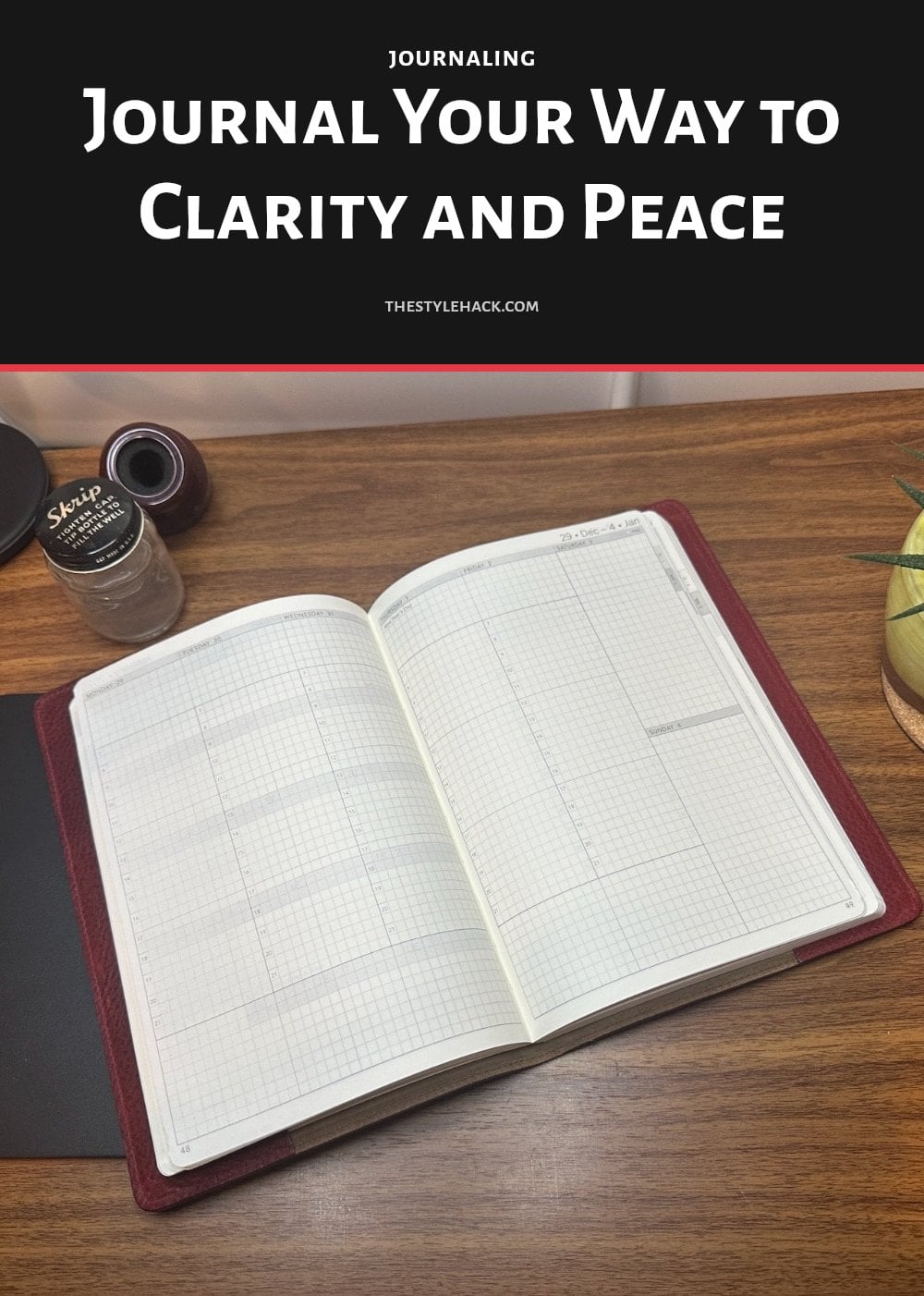
Journaling helps clarify your thoughts and identify patterns that keep you stuck. It gives you a safe space to process emotions and uncover underlying issues.
- Set a timer: Write for 10 minutes without stopping.
- Ask yourself: What am I avoiding? What do I really want?
- Look for themes: Recurring words or feelings can reveal the root.
My tip: Don’t censor yourself; just write whatever comes to mind. No one else has to read it.
4. 3. Break Goals into Tiny Steps

Overcoming inertia is easier with small, manageable steps rather than aiming for a complete overhaul. Tiny actions build momentum and make the process less overwhelming.
- Break it down: If your goal is to start a business, begin by researching one competitor.
- Set a micro-goal: Spend just 5 minutes on the task today.
- Celebrate wins: Acknowledge each small step you complete.
My tip: Think of the smallest possible action you can take right now, and do that one thing.
5. 4. Practice Self-Compassion
Self-criticism keeps you stuck in a loop of negative thinking. Mindfulness helps you notice those harsh inner voices without letting them take over, and self-compassion gives you a kinder way to respond.
- Acknowledge the feeling: Say to yourself, “I feel stuck right now, and that’s okay.” Naming it removes some of its power.
- Pause before judging: When you catch yourself thinking “I should be further along,” take a breath and let the thought pass without engaging.
- My tip: Treat yourself with the same kindness you’d offer a friend. You wouldn’t tell a friend they’re failing, so don’t say it to yourself.
6. 5. Seek New Experiences

Even minor new experiences can break your routine and stimulate fresh perspectives. Try a new coffee shop, take a different route to work, or pick up a book in a genre you never read. Small changes like these can shake up your thinking without requiring a big time commitment.
My tip: Novelty can spark creativity and shift your outlook, so aim for one tiny new thing each day. It doesn’t have to be dramatic, just enough to remind your brain that there’s more than one way to see things.
7. 6. Connect with Your Support System
Talking to supportive friends, family, or mentors can provide the encouragement and different viewpoints you need to see a way forward. Sharing your feelings makes you feel less alone and often uncovers insights you couldn’t reach on your own.
My tip: Choose someone who listens without judgment and offers constructive support, not just validation. A quick call or coffee chat can shift your perspective more than hours of overthinking.
8. 7. Reflect on Past Successes
Look back at a time when you tackled something difficult, whether it was a project, a tough conversation, or a personal milestone. Remembering those moments reminds you that you’ve overcome challenges before, which builds confidence for what feels impossible now.
My tip: Keep a “win journal” and jot down accomplishments, big or small. When you feel stuck, flip through it to see proof of your resilience. Even one line a day adds up quickly.
9. 8. Limit Social Media Exposure
Reducing your social media exposure can lessen feelings of inadequacy and comparison. Everyone’s journey is unique, and comparing yours to curated online lives is unhelpful.
Try scheduling digital detox times each day or week. Even 30 minutes of scrolling less can shift your focus back to your own progress.
10. 9. Engage in Physical Activity

Physical activity can boost your mood and energy levels, which helps break out of a rut. Even a short walk can clear your head and change your perspective.
My tip: Find an activity you genuinely enjoy, not just one you feel you should do. Dancing, hiking, or swimming all count, as long as it moves your body and lifts your spirits.
11. 10. Learn Something New
Learning a new skill, even a small one, fosters a sense of progress and competence. This could be anything from a new recipe to a few phrases in a new language.
My tip: Focus on the process of learning, not just the outcome. The act of trying something new is what builds momentum and confidence.
12. 11. Prioritize Self-Care

Ensure you’re getting adequate sleep, nutrition, and exercise to support your mental and physical well-being. When your basic needs are met, you have more energy to tackle challenges.
My tip: Self-care isn’t selfish; it’s essential for moving forward. Start with small consistent habits like a regular bedtime or a balanced meal, and build from there.
13. When to Seek Professional Help
If feeling stuck comes with persistent sadness, hopelessness, loss of interest, or thoughts of self-harm, talk to a therapist, counselor, or doctor. These signs may point to something more than a temporary rut, and professional support can make a real difference.
You might also consider a life coach or therapist if the process of change feels overwhelming or you can’t identify the root cause on your own. Some stagnation is linked to burnout or chronic stress, which often needs professional assessment and a recovery plan. Reaching out is a proactive step, not a failure.
14. Frequently Asked Questions
15. How do I know if I’m truly stuck or just experiencing a bad phase?
A bad phase usually passes with time or a change in circumstances, while feeling stuck tends to persist and resist your usual coping strategies. If you’ve tried small steps and still feel stagnant after a few weeks, it may be more than a temporary phase. Journaling can help you spot patterns that distinguish a rut from a deeper block.
16. Can feeling stuck be a sign of a deeper mental health issue?
Yes, it can. If feeling stuck is accompanied by persistent sadness, loss of interest in things you once enjoyed, hopelessness, or thoughts of self-harm, it may point to depression or another condition. In that case, talking to a therapist, counselor, or doctor is important for proper support and guidance.
17. Is it normal to feel stuck in multiple areas of life at once?
Absolutely. Feeling stuck in your career, relationships, and personal goals at the same time is common because these areas often influence each other. When one area feels stagnant, it can spill over into others. The key is to pick one area to focus on first rather than trying to tackle everything at once.
18. What if I don’t have supportive friends or family to talk to?
You can still find support through other channels. Consider joining a local or online group related to an interest or challenge you’re facing, reaching out to a mentor, or speaking with a therapist or life coach. Even a single trusted person, like a counselor or a peer in a support group, can provide the encouragement you need.
19. How long does it typically take to overcome feeling stuck?
Progress varies widely from person to person. Some people notice a shift within days of taking small, consistent actions, while deeper changes may take weeks or months of steady effort. The timeline depends on the root causes and how consistently you apply the strategies. Be patient with yourself and celebrate small wins along the way.
20. Final Thoughts
Start with just one small action today, whether it’s journaling for ten minutes or taking a different route to work. Progress often happens in small increments, so give yourself permission to move at your own pace. Remember, feeling stuck isn’t a permanent state, and each tiny step forward brings you closer to clarity and momentum.
This article is for general informational purposes only and does not constitute medical or mental health advice. If you are experiencing persistent sadness, hopelessness, or thoughts of self-harm, please consult a qualified mental health professional. Always seek the guidance of a doctor or therapist for any concerns about your well-being.
More Blog ideas
- How to Heal Chapped Lips Overnight with Simple Steps
- Atomic Habits: 5 Lessons to Build Better Habits
- Hyaluronic Acid for Beginners
- How to Build a Gentle Skincare Routine for Sensitive Skin
- Beat Frizzy Hair: Easy Remedies for Smooth, Shiny Strands
- How to Increase Your Daily Drinking Water Intake
- Washing Hair Mistakes to Avoid and What to Do Instead
- Bleaching Hair Tips for Less Damage
- How to Make Your Body Mist Last Longer All Day
- How to Fix Your Skincare Routine
- Nervous System Regulation Tips
- Vagus Nerve Exercises for Stress Relief






