Filing Nails: How to File Nails for a Healthy, Beautiful Shape
Filing nails: Discover how to file nails properly to prevent damage and achieve smooth, strong edges. Learn essential techniques for healthy, attractive nails.

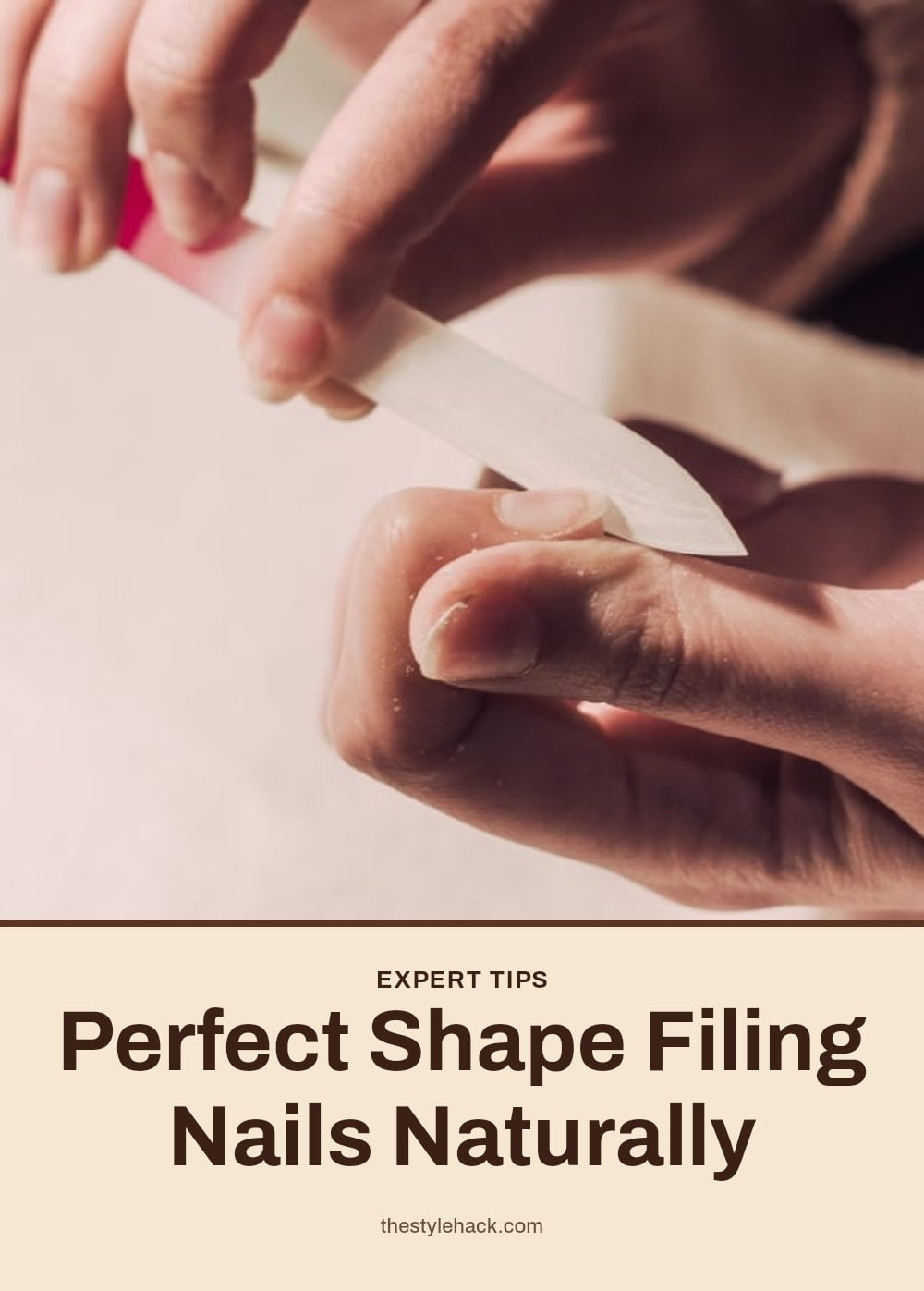
Getting perfectly shaped nails at home is easier than you think, and it all starts with the right technique. Whether you want a classic squoval or a trendy almond shape, knowing how to file without damaging your nails is key. This article covers the essential tools, step-by-step methods for popular shapes, and the common mistakes to avoid so you can keep your nails strong and beautiful.
Key Takeaways
- Always file in one direction from the side to the center to prevent splitting.
- Use a glass or crystal file for natural nails to seal the edge and reduce fraying.
- File your nails every 1-2 weeks to maintain shape and prevent breakage.
- Choose a file with a grit of 180-240 or higher for natural nails.
- Apply cuticle oil after filing to keep nails and skin moisturized.
1. Essential Tools for Perfect Nail Filing
For natural nails, a glass or crystal file is my first choice. It seals the nail edge as you file, which helps prevent splitting. Emery boards wear down and can trap bacteria, so replace them often. Pair your file with a high-grit buffer (180-240 grit or higher) to refine edges without thinning the nail. Finish with cuticle oil to moisturize the nail and surrounding skin.
2. Step-by-Step: Filing Your Nails Like a Pro
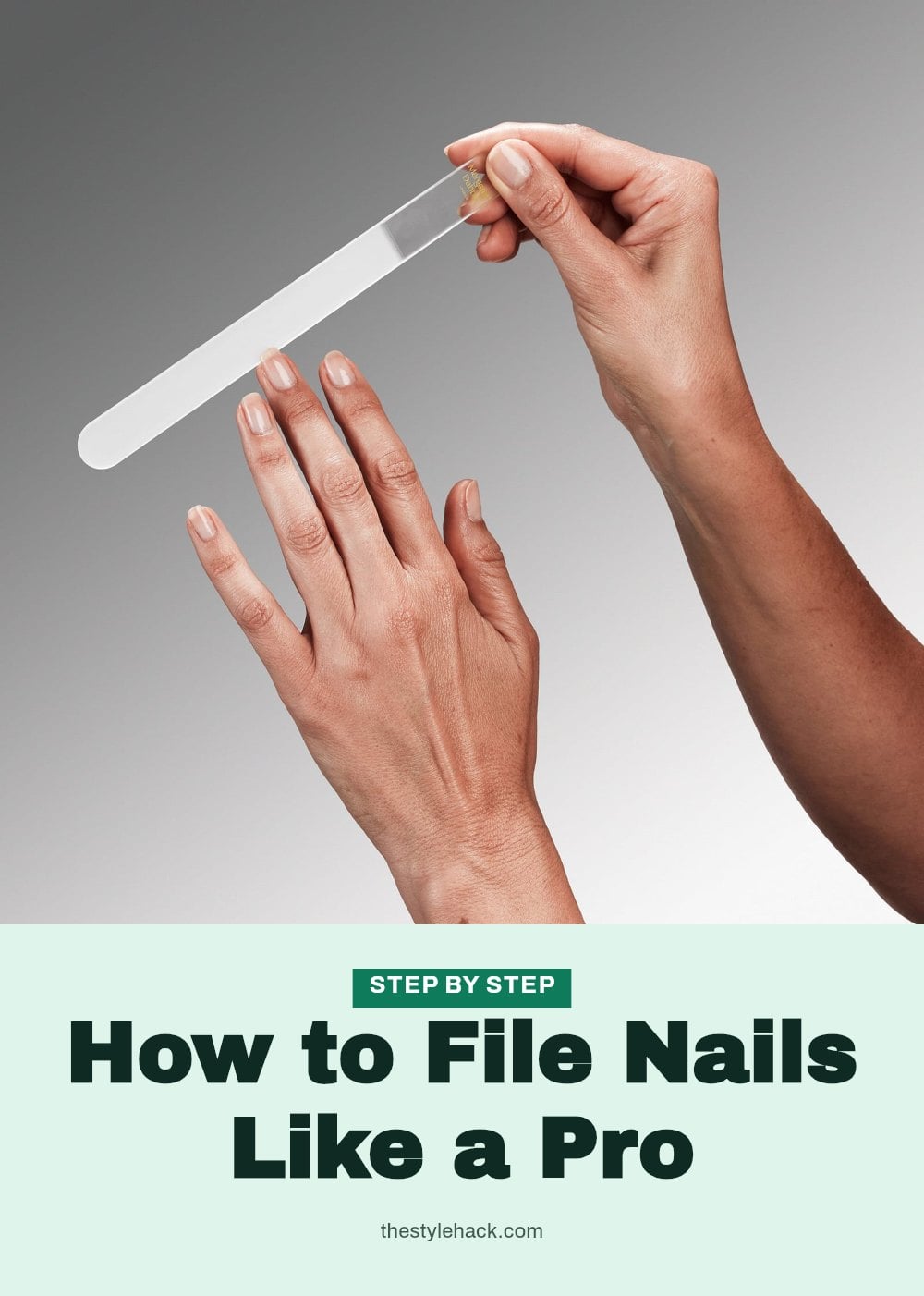
- Shape the free edge: Use a glass nail file, filing from one corner toward the center in a single direction. This avoids the sawing motion that causes fraying. Repeat on the other side.
- File the sides only if needed: If your nails have a strong C-curve or flare out, gently file the side that lifts or extends beyond the nail bed. Do not file into the natural curve of the nail.
- Check length and evenness: Stop every few strokes to assess your progress. Over-filing makes nails too short and weak. Keep both hands symmetrical.
- Clean debris: Turn your hand over and gently push out any filing dust from under the nail. File off the shavings.
- Refine edges: Use a high-grit buffer (around 240 grit) to round the corners into a squoval shape. This prevents snagging and gives a smooth finish. Do not buff the top of the nail, which can thin the layers.
- Wash hands: Rinse thoroughly to remove all nail shavings and dust. Dry completely.
Prefer to watch? Simply Nailogical walks through the whole method in this 9-minute video. The how-to part starts at 3:46.
3. Watch: The Ultimate Guide to Filing and Shaping Nails
4. Watch: The Ultimate Guide to Filing and Shaping Nails
This video walks you through the precise filing technique for a squoval shape. It shows why a glass file and one-direction strokes matter. You will learn how to check your nail length and use a buffer for a clean, snag-free edge.
5. Achieving Popular Nail Shapes

6. Achieving Popular Nail Shapes
Square: File straight across the tip, then slightly taper the sides inward. This creates a clean, flat edge.
Oval: File the sides into an egg-like curve, rounding the tip. The shape is longer than round but not as pointed as almond.
Round: Similar to oval, but with a flatter, blunter curve at the tip. This is a short, practical shape for low-maintenance nails.
Almond: File the sides to a tapered point, resembling an almond nut. The tip is narrow but not sharp.
Coffin (Ballerina): File the sides straight, then square off the tip. The result looks like a coffin or ballet flat.
My tip: Consider your finger shape and nail bed when choosing a shape. A shape that mirrors your cuticle line often looks most natural and flattering.
7. Common Nail Filing Mistakes to Avoid
Sawing Motion: Filing back and forth puts pressure on the nail and can lead to splitting the ends. Always file in one direction from the side to the center.
Too Coarse a File: A file with too low a grit is too harsh for natural nails. Choose 180-240 grit or higher for a gentle finish.
Filing Wet Nails: Wet nails are softer and more prone to tearing. Always file when your nails are completely dry.
Over-Buffing: Buffing the top of your nails too often or too aggressively can weaken the nail plate. Use a high-grit buffer only on the edges, not the surface.
Ignoring Natural Curve: Filing too deeply into the sides can weaken the nail structure and expose the nail bed. Respect your nail’s natural strength and shape.
8. Nail Care After Filing
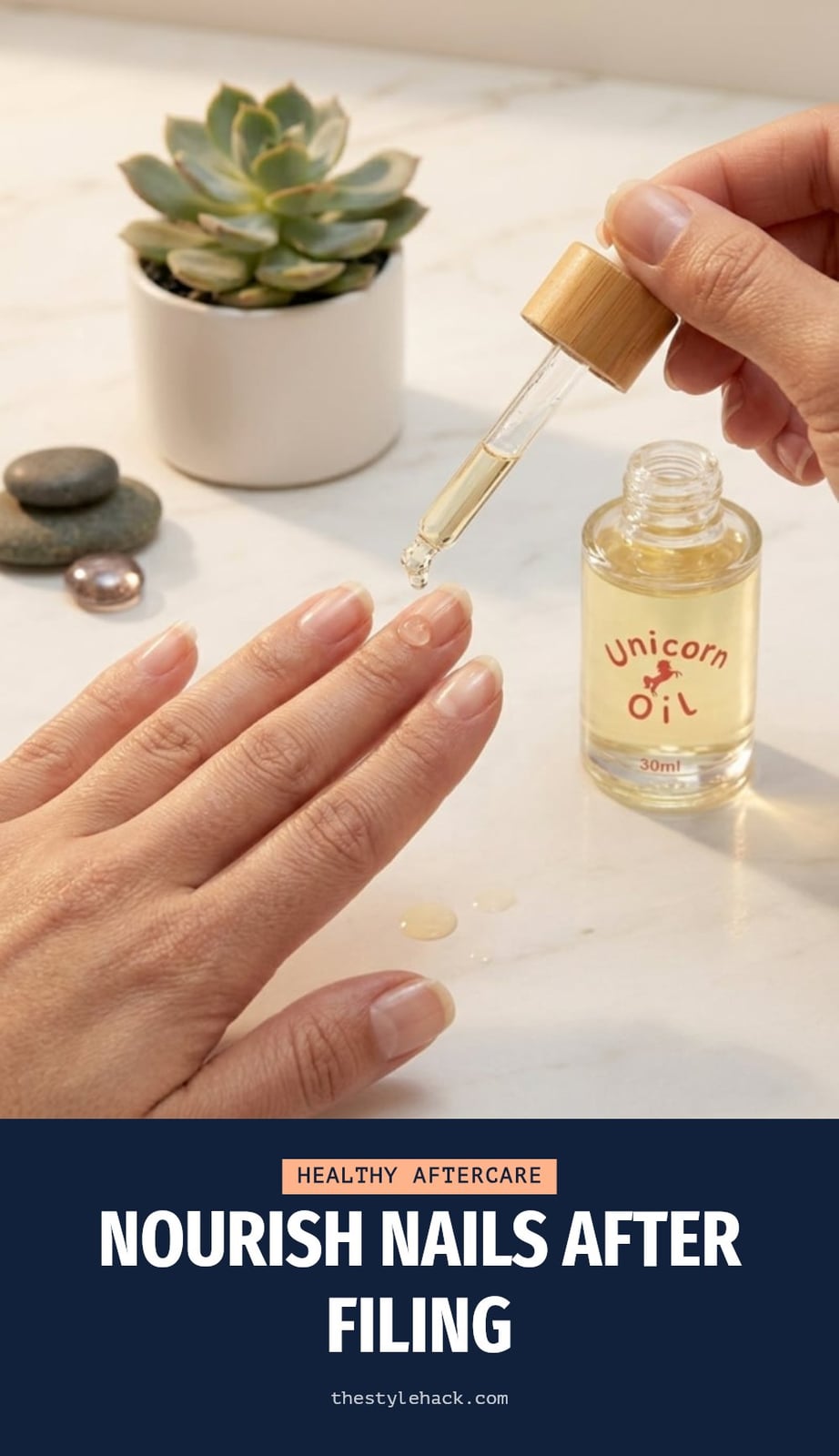
After filing, apply cuticle oil to moisturize your nails and the surrounding skin. This helps maintain flexibility and prevents dryness.
Wash and sanitize reusable nail files regularly to prevent bacterial growth. Replace emery boards when they show wear.
File your nails every 1-2 weeks or as needed to maintain shape and prevent breakage. Regular maintenance keeps nails strong and reduces snags.
9. When to Consult a Professional
If you experience persistent splitting, discoloration, or pain, consult a dermatologist. Stop filing immediately if you feel any discomfort.
Avoid filing too far down the sides of your nails, which can expose the nail bed and increase the risk of infection. Prioritize your nail health over shape.
10. Frequently Asked Questions
11. Can I use a metal file on my natural nails?
No, metal files are too harsh for natural nails and can cause peeling and damage. Stick to glass, crystal, or fine-grit emery boards designed for natural nails.
12. What is the best nail file grit for natural nails?
A grit of 180-240 or higher is best for natural nails. Lower grits are too coarse and can roughen the nail edge, leading to splitting.
13. Why do my nails keep splitting after filing?
Splitting often happens from sawing back and forth or using a file that is too coarse. Always file in one direction with a fine-grit file, and avoid filing wet nails.
14. How do I file my nails into an oval shape?
To get an oval shape, file the sides of your nail into a gentle egg-like curve, then round the tip. Keep the shape longer than a round nail but not as pointed as almond.
15. Final Thoughts
For a low-maintenance, flattering look, try the squoval shape by rounding the corners slightly after filing straight across. Expect to file every 1-2 weeks to keep your nails tidy and reduce the risk of snags. With the right tools and a gentle hand, you can achieve salon-quality results at home.
More Blog ideas
- How to Heal Chapped Lips Overnight with Simple Steps
- Atomic Habits: 5 Lessons to Build Better Habits
- Hyaluronic Acid for Beginners
- How to Build a Gentle Skincare Routine for Sensitive Skin
- Beat Frizzy Hair: Easy Remedies for Smooth, Shiny Strands
- How to Increase Your Daily Drinking Water Intake
- Washing Hair Mistakes to Avoid and What to Do Instead
- Bleaching Hair Tips for Less Damage
- How to Make Your Body Mist Last Longer All Day
- How to Fix Your Skincare Routine
- Nervous System Regulation Tips
- Vagus Nerve Exercises for Stress Relief