How to Fix Dry Hair: A Complete Guide to Restoring Moisture
Learn how to fix dry hair with effective treatments and gentle care. Discover the causes of dryness and simple steps to bring back hydration and shine.

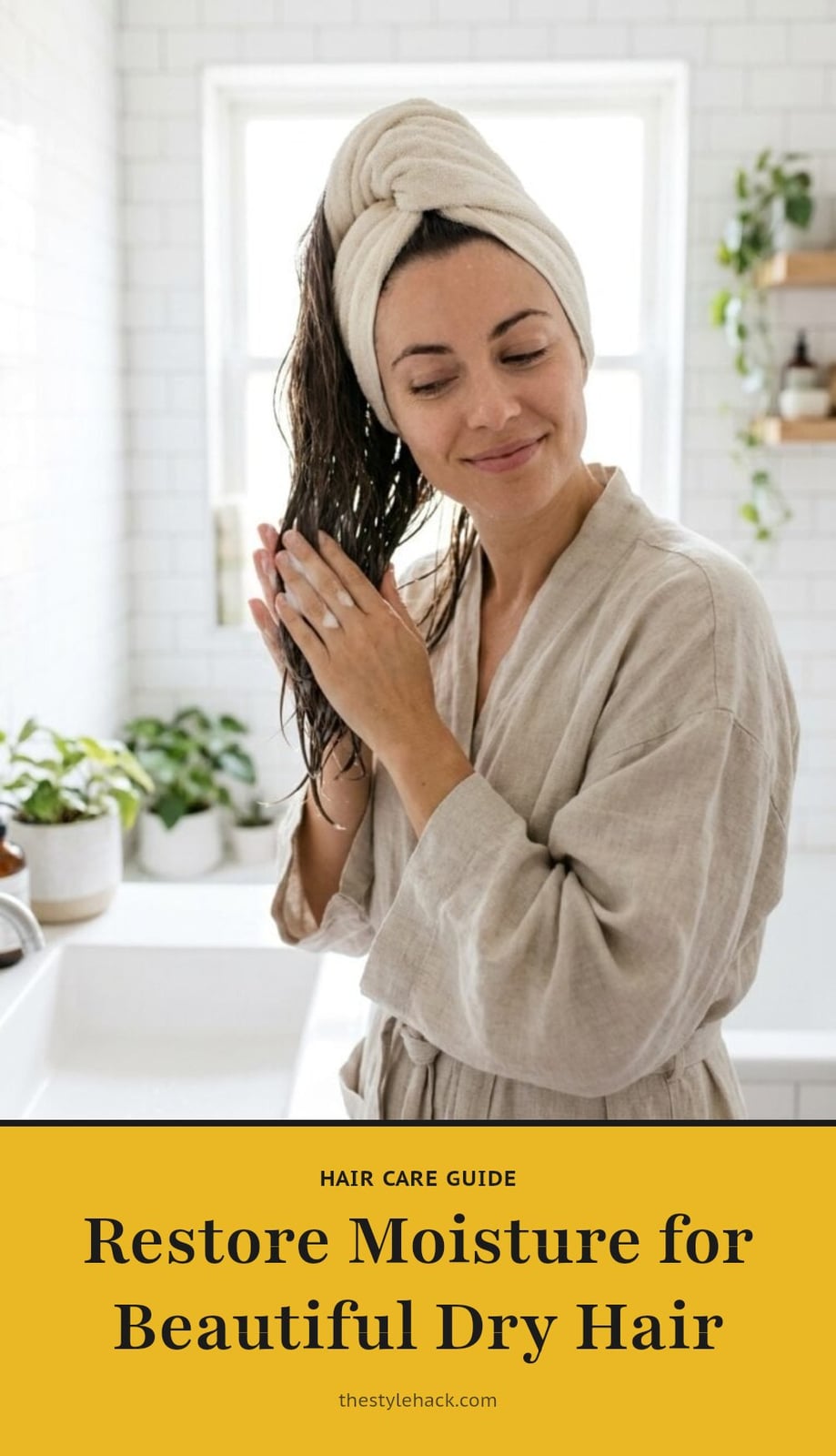
If your hair feels rough, looks dull, or breaks easily, you’re likely dealing with dryness. It happens when your strands don’t have enough moisture, often because of heat styling, chemical treatments, or just the environment around you. The good news is that with the right routine, you can bring the softness and shine back.
This article walks you through what causes dry hair, the products and methods that actually help, and how to keep it from coming back. You’ll also find a realistic timeline for seeing results and when it’s time to see a professional.
Key Takeaways
- Use a moisturizing shampoo and conditioner for dry hair.
- Deep condition once or twice a week for intense hydration.
- Apply leave-in conditioner or oil to damp hair.
- Always use heat protectant before styling.
- Air dry whenever possible to minimize heat damage.
1. What Causes Dry Hair and How to Fix It
Dry hair happens when your strands lack enough moisture, leaving them rough, dull, and prone to breakage. The usual culprits are damaged cuticles, stripped natural oils, heat styling, chemical treatments, or environmental factors like sun and dry air. The fix is consistent moisturizing care and gentle handling. With the right routine, you can noticeably improve your hair’s hydration and overall health.
2. Why Your Hair Gets Dry: Understanding the Causes
3. The Cuticle and Moisture Loss
Your hair’s outermost layer, the cuticle, is made of overlapping cells that lie flat when healthy, reflecting light and locking in moisture. When those cells are raised or damaged, water escapes easily, leaving hair dry and rough.
4. Stripped Natural Oils
Your scalp produces sebum, a natural oil that moisturizes each strand. Frequent washing, especially with harsh shampoos, strips this protective layer, so hair loses its built-in conditioning.
5. Heat and Chemical Damage
Blow dryers, flat irons, and curling wands evaporate moisture from the hair shaft. Chemical treatments like coloring, perms, and relaxers alter the hair’s structure, making it more porous and unable to hold onto water.
6. Environmental Factors
Sun exposure, wind, dry air, and chlorinated or salty water all pull moisture out of your hair. Even your hair’s porosity, how well it absorbs and retains moisture, plays a role in how easily it dries out.
7. Essential Products for Hydrating Dry Hair
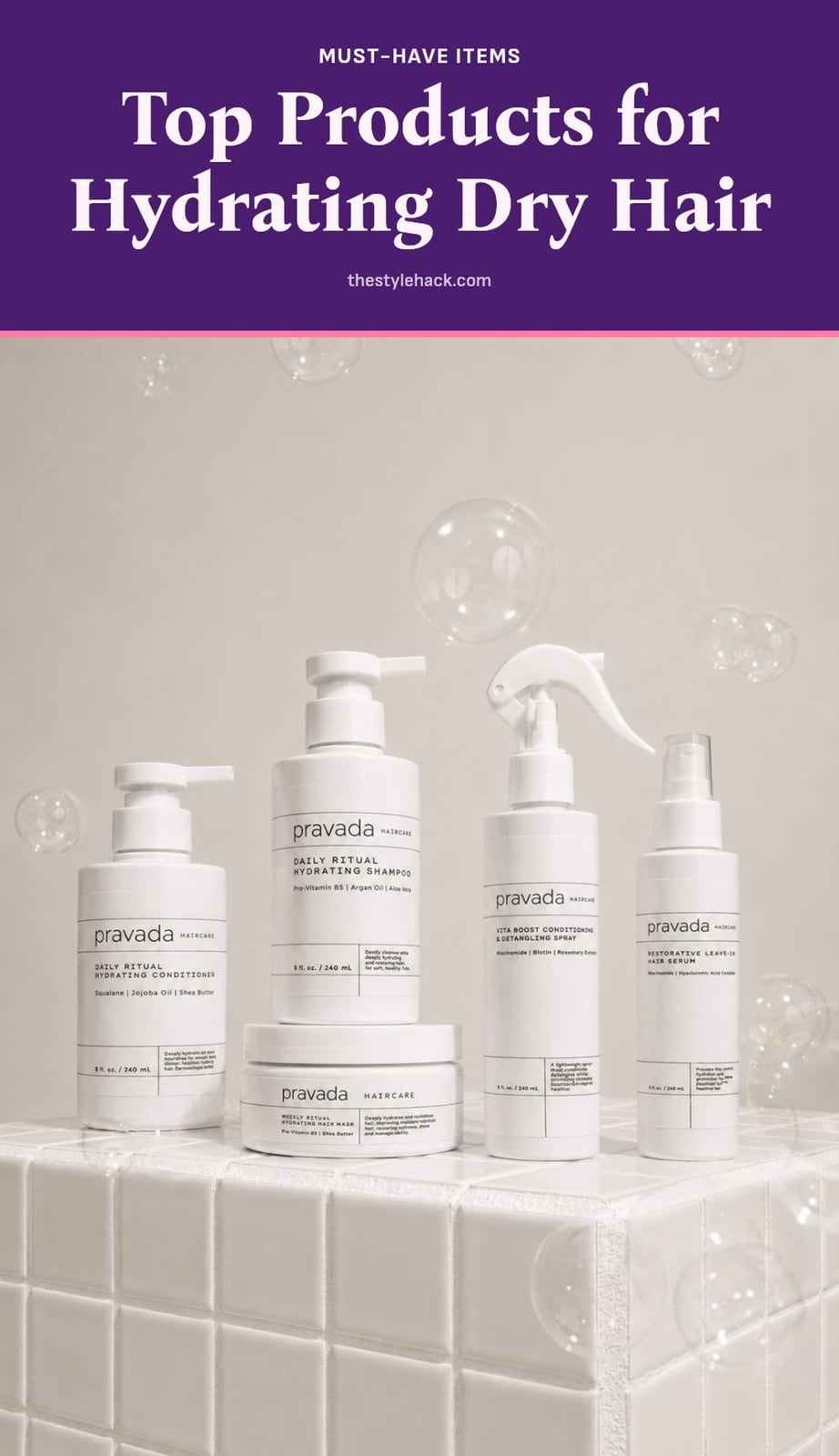
To fight dryness, you need the right lineup of products and tools.
- Moisturizing shampoo and conditioner: Look for formulas labeled for dry hair; they cleanse gently without stripping oils.
- Deep conditioning mask: Use once or twice a week for an intense moisture boost.
- Leave-in conditioner: Provides ongoing hydration and softness between washes.
- Hair oil (argan, jojoba, or coconut): Seals moisture into the strands and adds shine.
- Heat protectant spray: Non-negotiable before any heat styling to prevent evaporation.
- Wide-tooth comb: Prevents breakage when detangling wet hair.
- Satin or silk pillowcase: Reduces friction while you sleep, minimizing moisture loss.
8. Effective Methods to Restore Moisture to Dry Hair
9. Shampoo and Condition the Right Way
Wash with a moisturizing shampoo only as often as your hair type needs, and skip very hot water because it strips natural oils. After conditioning, rinse with cool water to help seal the cuticle and lock in moisture.
10. Deep Condition Weekly
Once or twice a week, apply a deep conditioning mask or hair mask. Leave it on for the time specified on the package, usually 5 to 20 minutes, then rinse thoroughly. My tip: focus the mask on the mid-lengths and ends, which are the oldest and driest parts.
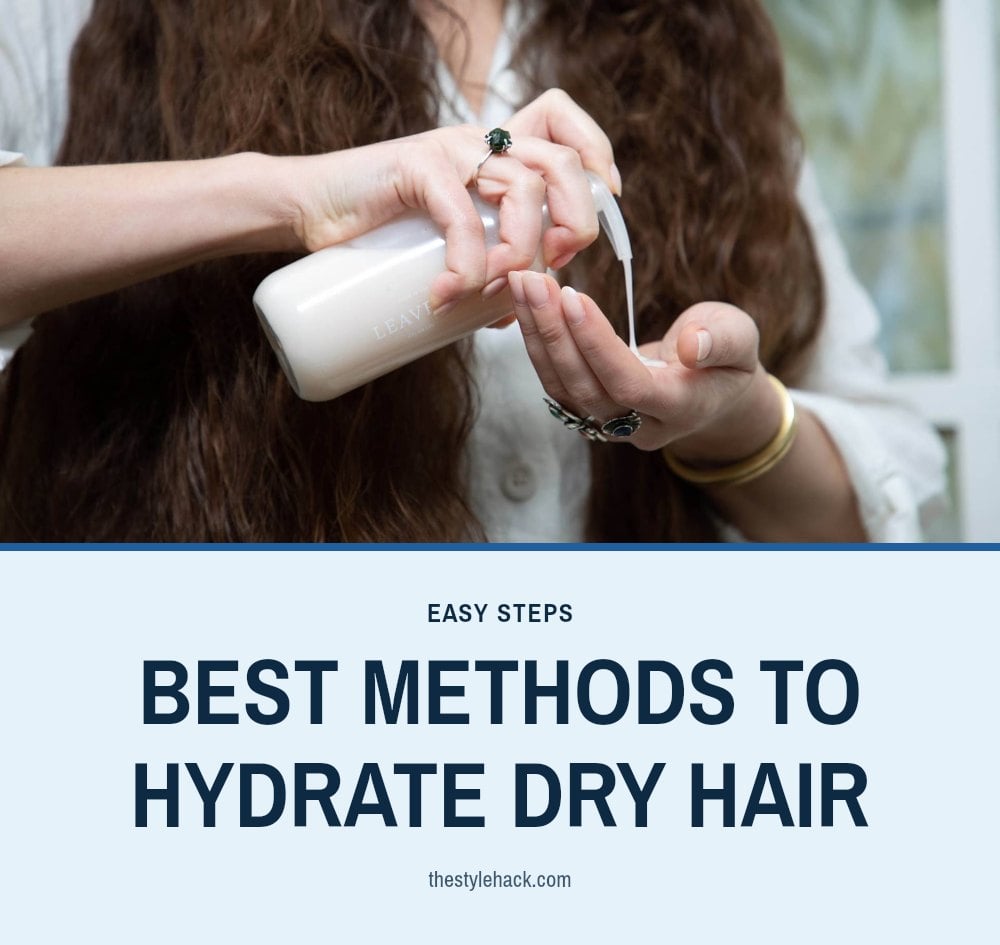
11. Apply Leave-In and Oil on Damp Hair
After washing, gently blot hair with a microfiber towel, then apply a leave-in conditioner or a few drops of hair oil from mid-length to ends. This seals in moisture and protects against friction.
12. Shield From the Environment
Wear a hat in strong sun, and rinse hair with fresh water after swimming in chlorinated pools or salt water. Cool water rinses also help close the cuticle for extra shine.
13. Minimize Heat Styling
Air dry whenever you can. If you must use heat, always spray on a heat protectant first and keep the temperature moderate.
14. Common Mistakes That Worsen Dry Hair
Using too much heat without protection: Heat styling tools evaporate moisture from the hair shaft. Always apply a heat protectant spray before blow drying, flat ironing, or curling, and air dry your hair whenever possible to minimize exposure.
Washing hair too frequently or with harsh shampoos: Frequent washing, especially with sulfate-heavy shampoos, strips your scalp’s natural oils (sebum) that keep hair hydrated. Opt for moisturizing, sulfate-free shampoos and wash only when your hair truly needs it.
Skipping conditioner or deep conditioning treatments: Conditioner and deep conditioning masks replenish lost moisture. Skipping them leaves hair vulnerable to dryness and breakage. Make them a non-negotiable part of your routine.
Not protecting hair from environmental damage: Sun, wind, and chlorinated or salt water all contribute to moisture loss. Wear a hat for sun exposure and rinse your hair with cool water after swimming.
Brushing wet hair aggressively: Wet hair is more fragile and prone to breakage. Use a wide-tooth comb gently, starting at the ends and working upward, to detangle without damaging the strands.
Ignoring diet and hydration: Drinking plenty of water supports overall hydration, which indirectly benefits your hair. A balanced diet also helps maintain healthy hair from the inside out.
15. Preventing Dry Hair from Returning
Maintain a consistent moisturizing routine: Use a shampoo and conditioner formulated for dry hair, and incorporate a deep conditioning treatment once or twice a week. This keeps moisture levels stable over time.
Protect your hair from heat: Minimize the use of blow dryers, flat irons, and curling irons. When you do style with heat, always apply a heat protectant spray first.
Shield your hair from environmental stressors: Wear a hat in direct sun, and rinse your hair with fresh water after swimming in chlorinated pools or salt water. This prevents environmental moisture loss.
Be gentle with your hair: Especially when wet, use a wide-tooth comb and avoid harsh brushing. Pat your hair dry with a microfiber towel instead of rubbing it.
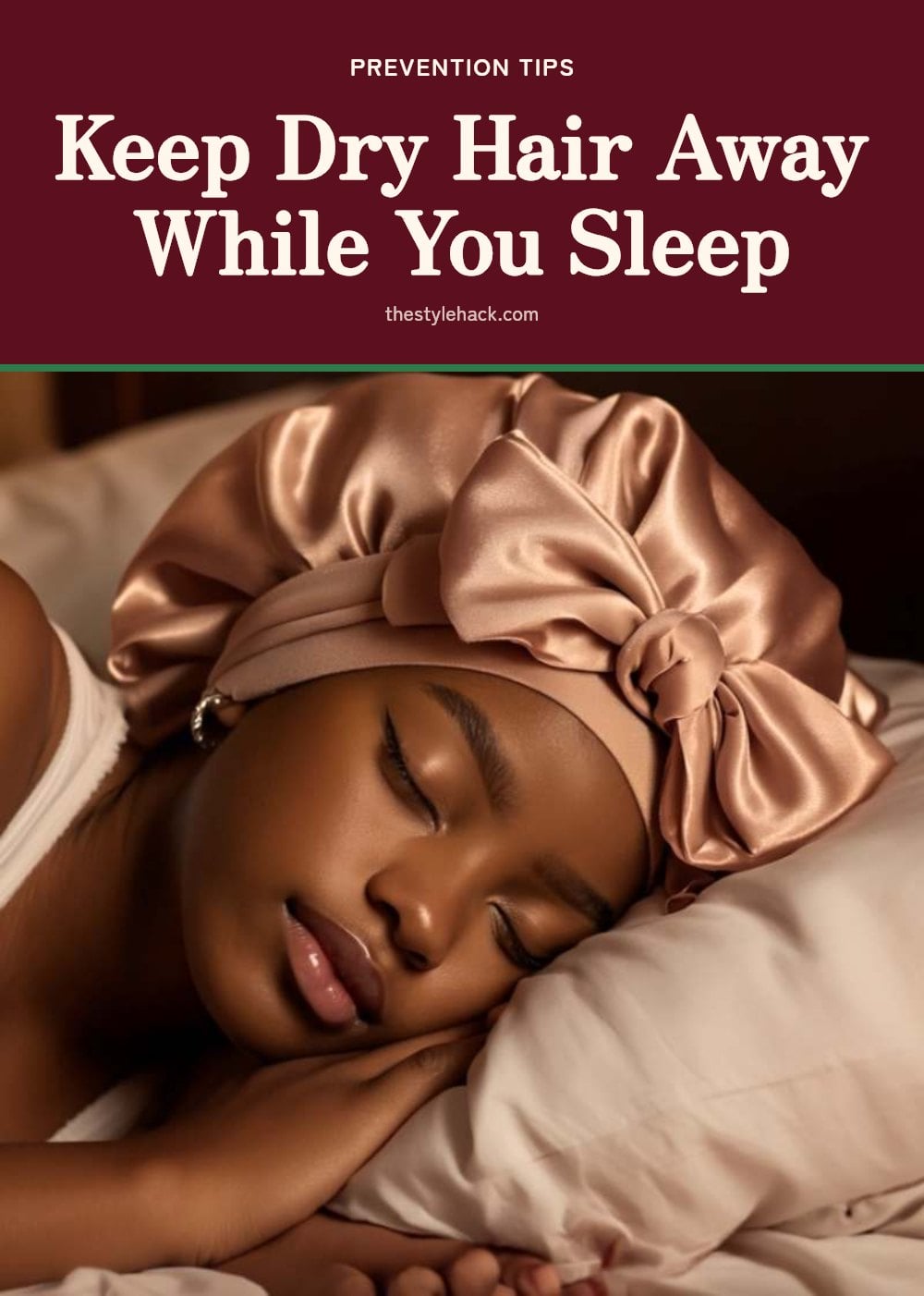
Consider a satin or silk pillowcase: These materials reduce friction on your hair while you sleep, minimizing breakage and moisture loss compared to cotton.
Stay hydrated and eat a balanced diet: Drinking enough water and consuming a nutrient-rich diet supports overall hair health from within, helping prevent dryness.
16. What to Expect: Timeline for Hair Recovery
You can often notice improvements in hair hydration and texture within a few weeks of consistently using moisturizing products and gentle care. Full results, including significant restoration of hair health, typically appear over several months as new, healthier hair grows.
The cost of treating dry hair varies. Drugstore products are budget-friendly, while salon-grade treatments can be a higher investment. Regular deep conditioning once or twice a week and daily leave-in treatments are key for ongoing progress.
17. When to Consult a Professional About Dry Hair
If dry hair is accompanied by significant hair loss, consult a dermatologist to rule out underlying medical conditions. Seek professional advice if you experience persistent scalp irritation, redness, or unusual flaking.
If your dry hair doesn’t improve with consistent home care, a stylist can offer specialized treatments and product recommendations. Always consult a doctor if you suspect an underlying health issue contributing to hair dryness, such as thyroid problems.
18. Frequently Asked Questions
19. How often should I deep condition dry hair?
For dry hair, aim to deep condition once or twice a week. This gives your strands a concentrated dose of moisture without overloading them. If your hair is extremely dry or damaged, you might start with twice a week and then adjust based on how your hair responds. Look for masks labeled for dry or damaged hair.
20. Can drinking more water really help my dry hair?
Staying hydrated supports your overall health, and that includes your hair. While water alone won’t fix severe dryness, dehydration can make hair look duller and more brittle. Drink plenty of water daily, but pair it with a solid moisturizing routine for the best results. Think of water as a supporting player, not a cure-all.
21. Are there specific ingredients I should look for in dry hair products?
Yes, look for moisturizing ingredients like argan oil, jojoba oil, coconut oil, shea butter, and glycerin. These help attract and lock in moisture. Avoid products with high alcohol content, as they can dry your hair out further. If you have sensitive skin, always patch test a new product before using it all over.
22. Is it normal for my hair to feel dry after coloring?
Yes, coloring your hair can make it feel dry because the chemicals alter the hair’s structure, making it more porous and prone to moisture loss. This is common, especially with lightening or bleaching. To manage it, use a deep conditioning treatment regularly and consider spacing out chemical treatments to give your hair a break.
23. How long does it take to see results when treating dry hair?
You can often notice improvements in hydration and texture within a few weeks of consistent care. Full results, including significant restoration, typically take several months as new, healthier hair grows in. Be patient and keep up your routine, and you’ll see lasting changes over time.
24. Final Thoughts
My tip: build a simple routine with a moisturizing shampoo, a weekly deep conditioning mask, and a leave-in conditioner, and stick with it. Expect to see small improvements in softness within a few weeks, but give it several months for your hair to fully recover as new growth comes in. If you’re also dealing with hair loss or scalp irritation, that’s your cue to talk to a dermatologist.
Consistency is the real secret. Treat your hair gently, protect it from heat and the sun, and you’ll notice the difference.
This article is for general information only and is not a substitute for professional medical or hair care advice. If you’re experiencing significant hair loss, scalp irritation, or other concerning symptoms, please consult a dermatologist or doctor. Always patch test new products, especially if you have sensitive skin or allergies.
More Blog ideas
- How to Heal Chapped Lips Overnight with Simple Steps
- Atomic Habits: 5 Lessons to Build Better Habits
- Hyaluronic Acid for Beginners
- How to Build a Gentle Skincare Routine for Sensitive Skin
- Beat Frizzy Hair: Easy Remedies for Smooth, Shiny Strands
- How to Increase Your Daily Drinking Water Intake
- Washing Hair Mistakes to Avoid and What to Do Instead
- Bleaching Hair Tips for Less Damage
- How to Make Your Body Mist Last Longer All Day
- How to Fix Your Skincare Routine
- Nervous System Regulation Tips
- Vagus Nerve Exercises for Stress Relief






