The Ultimate Flat Stomach Workout Routine for a Stronger Core
Learn the best flat stomach workout to build core strength and reduce belly fat. This guide includes exercises, a weekly plan, and tips for visible results.

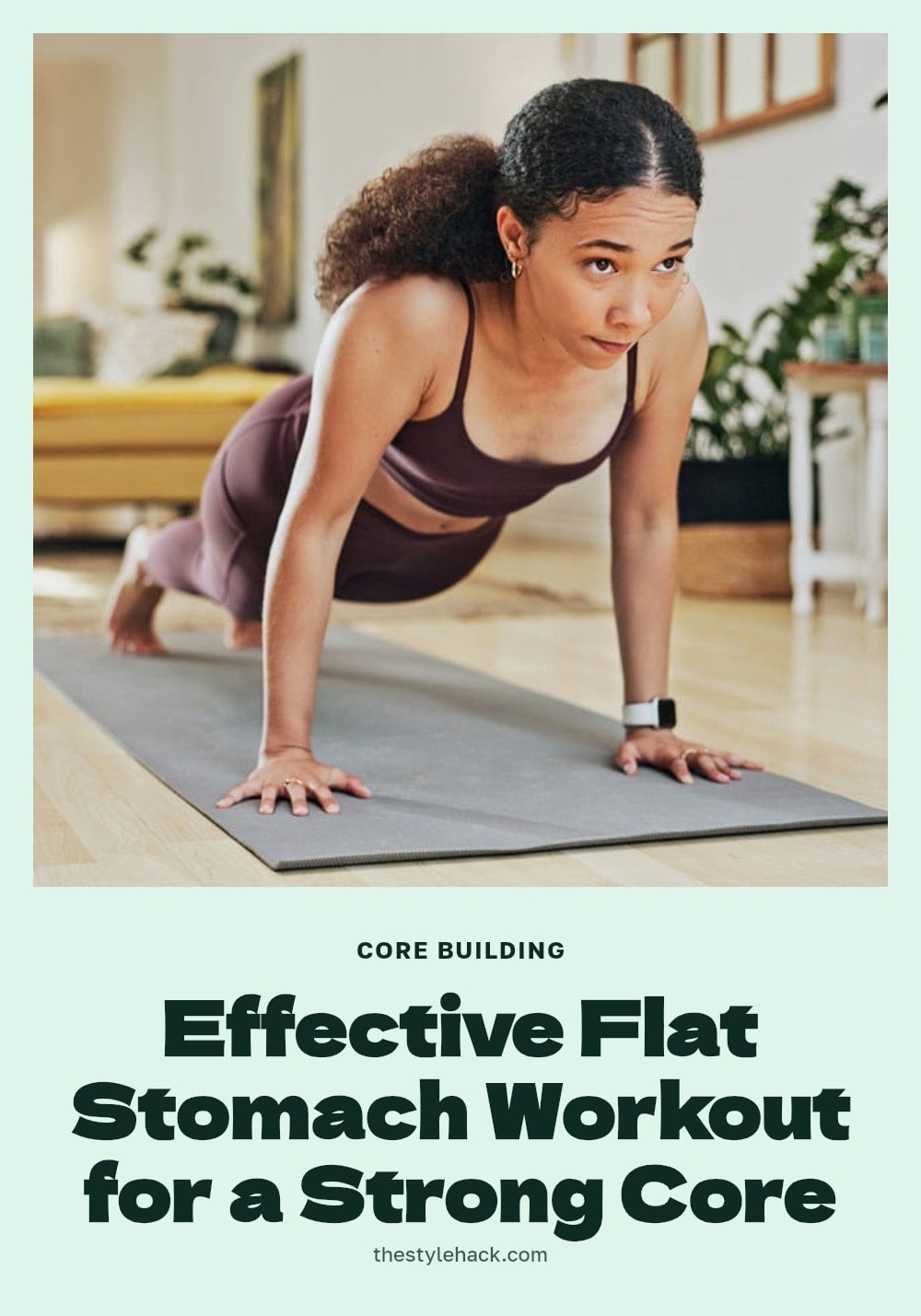
If you are looking for a stronger core and a flatter stomach, it is important to know that targeted exercises alone won’t erase belly fat. Your overall body fat percentage, diet, and lifestyle play the biggest roles in making your abs visible. This article covers the most effective core exercises, a weekly workout plan, and the common mistakes to avoid so you can build a strong midsection the right way.
Key Takeaways
- Spot reduction is not possible; overall fat loss through diet and cardio is essential for a visible midsection.
- Effective core exercises include planks, bicycle crunches, leg raises, and Russian twists.
- Proper form is crucial to prevent injury and maximize the effectiveness of each move.
- Combine core work with full-body strength training and regular cardio for the best results.
- Visible results typically take several weeks to months of consistent effort, not overnight.
1. Achieving a Flat Stomach: What You Need to Know
Achieving a flat stomach starts with understanding how the body actually loses fat. A visible midsection comes from reducing your overall body fat percentage, which makes the abdominal muscles underneath more defined. Spot reduction, the idea that you can lose fat from a specific area by exercising that area, is not scientifically possible. Effective core exercises do strengthen your abdominal muscles, improve posture, reduce back pain, and support functional movement. But for fat loss, those exercises must be paired with a balanced diet and regular cardiovascular activity. Think of core work as building the muscle; diet and cardio reveal it.
2. 1. Warm-Up: Cat-Cow Stretch
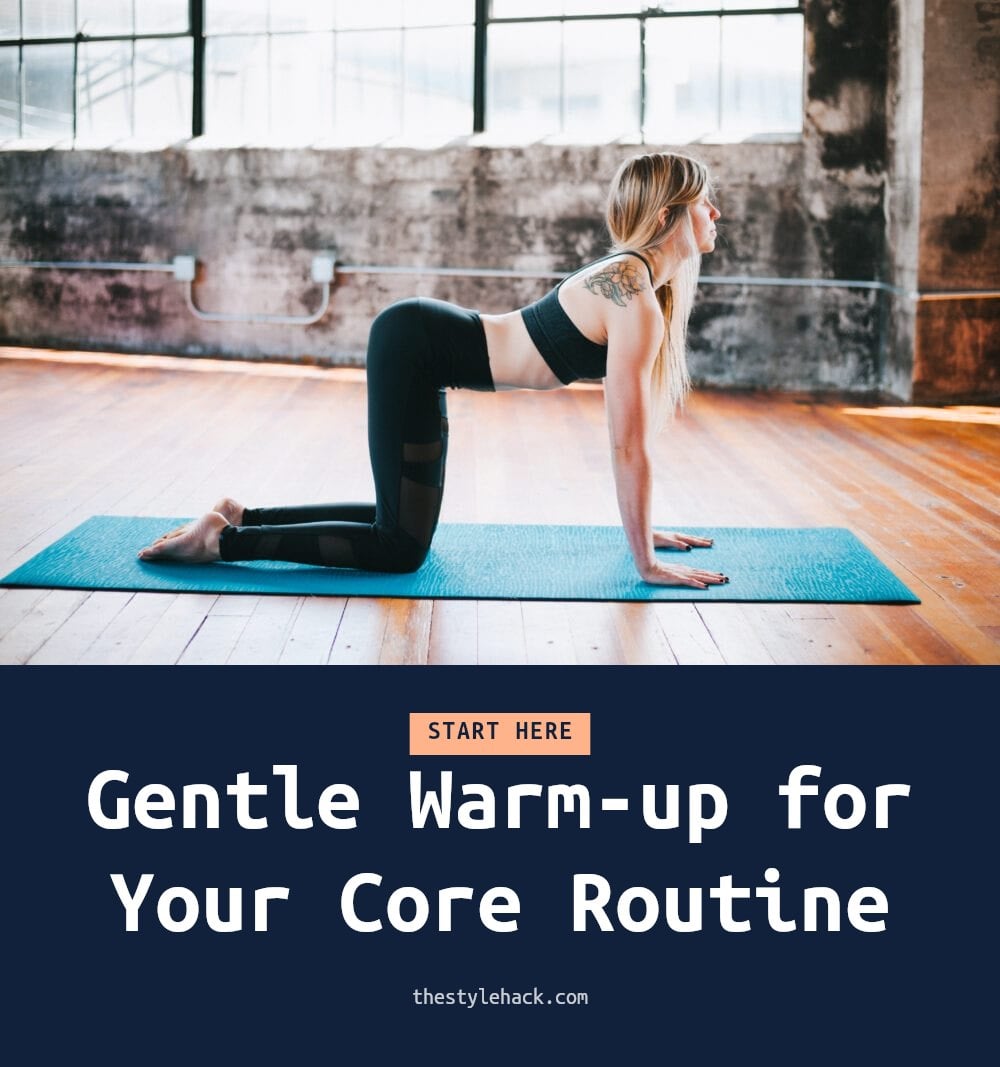
The cat-cow stretch gently warms up your spine and wakes up your core before more intense work. Start on all fours with your hands directly under your shoulders and your knees under your hips. Inhale as you drop your belly toward the floor, lifting your chest and tailbone into Cow pose. Exhale as you round your spine toward the ceiling and tuck your chin into Cat pose. Move slowly between the two positions with your breath.
- Reps: 8-10 smooth repetitions
- Form cue: Keep your neck in line with your spine; don’t drop or crane your head
- Make it easier or harder: Slow the pace to deepen the stretch, or speed it up slightly for a light warm-up
3. 2. Plank
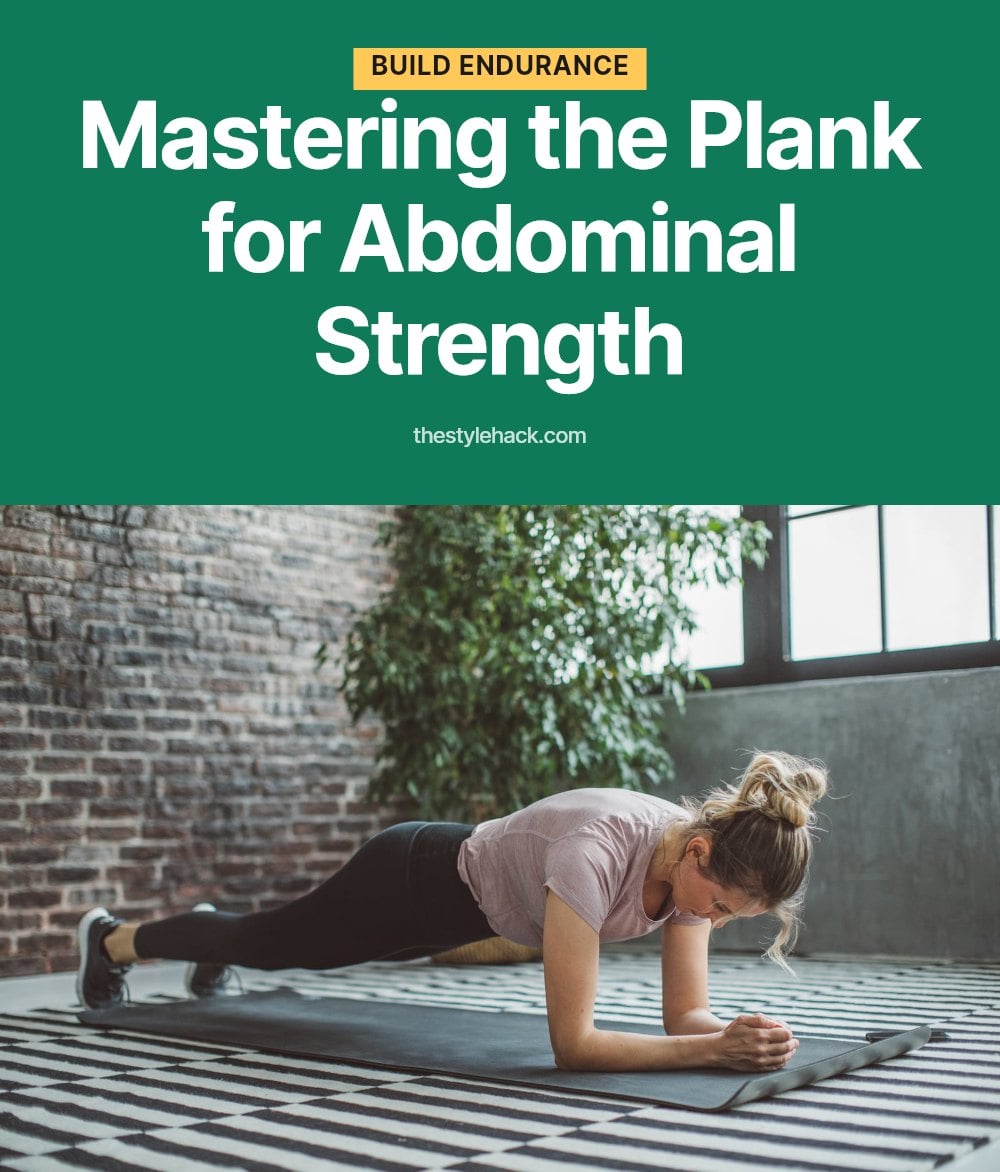
The plank is a foundational core exercise that works your entire midsection, including your deep stabilizing muscles. Start in a push-up position, then lower onto your forearms. Keep your body in a straight line from your head to your heels by engaging your core, glutes, and quads. Do not let your hips sag toward the floor or pike up toward the ceiling. Breathe steadily throughout the hold.
- Time: 30-60 seconds, aim for 3 sets
- Form cue: Squeeze your glutes and pull your belly button toward your spine to maintain the straight line
- Make it easier or harder: Drop to your knees for an easier version, or lift one leg a few inches for a challenge
4. 3. Crunches

Crunches target the rectus abdominis, the front layer of your abdominal muscles. Lie on your back with your knees bent and feet flat on the floor. Place your hands gently behind your head or cross them over your chest. Exhale as you lift your head and shoulders off the floor, engaging your abs. Lower back down with control, do not drop or jerk your body.
- Reps: 3 sets of 15-20 repetitions
- Form cue: Keep your chin off your chest and your lower back pressed into the floor to avoid neck strain
- Make it easier or harder: Keep your feet on the floor for stability, or lift them off the ground for a deeper engagement
5. 4. Bicycle Crunches
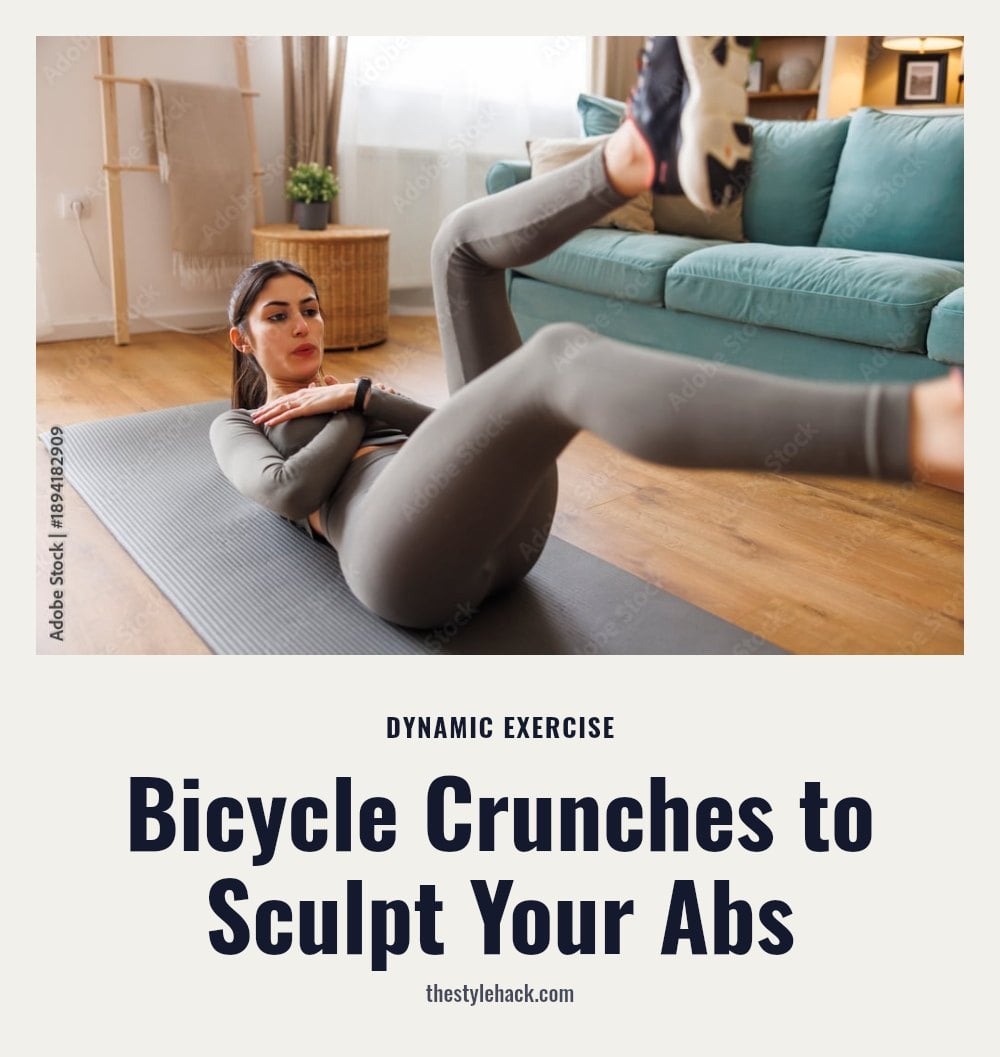
Bicycle crunches target your obliques and rectus abdominis with a twisting motion. Lie on your back with your hands behind your head and your legs lifted, knees bent at 90 degrees. Bring your right elbow toward your left knee while extending your right leg straight, then switch sides in a smooth cycling motion.
- Sets and reps: 3 sets of 10-15 repetitions per side
- Form cue: Keep your lower back pressed into the floor throughout the movement
- Make it easier or harder: Slow down the pace for more control, or hover your feet lower to increase difficulty
6. 5. Leg Raises
Leg raises isolate your lower abs, an area many people find stubborn. Lie flat on your back with your hands tucked under your glutes for support and your legs straight. Keeping your lower back pressed firmly into the floor, slowly lower both legs until they hover just above the ground, then lift them back up without arching your spine.
- Sets and reps: 3 sets of 12-15 repetitions
- Form cue: Never let your lower back lift off the mat; if it does, stop and reset
- Make it easier or harder: Bend your knees slightly to reduce strain, or hold a light dumbbell between your ankles to add resistance
7. 6. Russian Twists
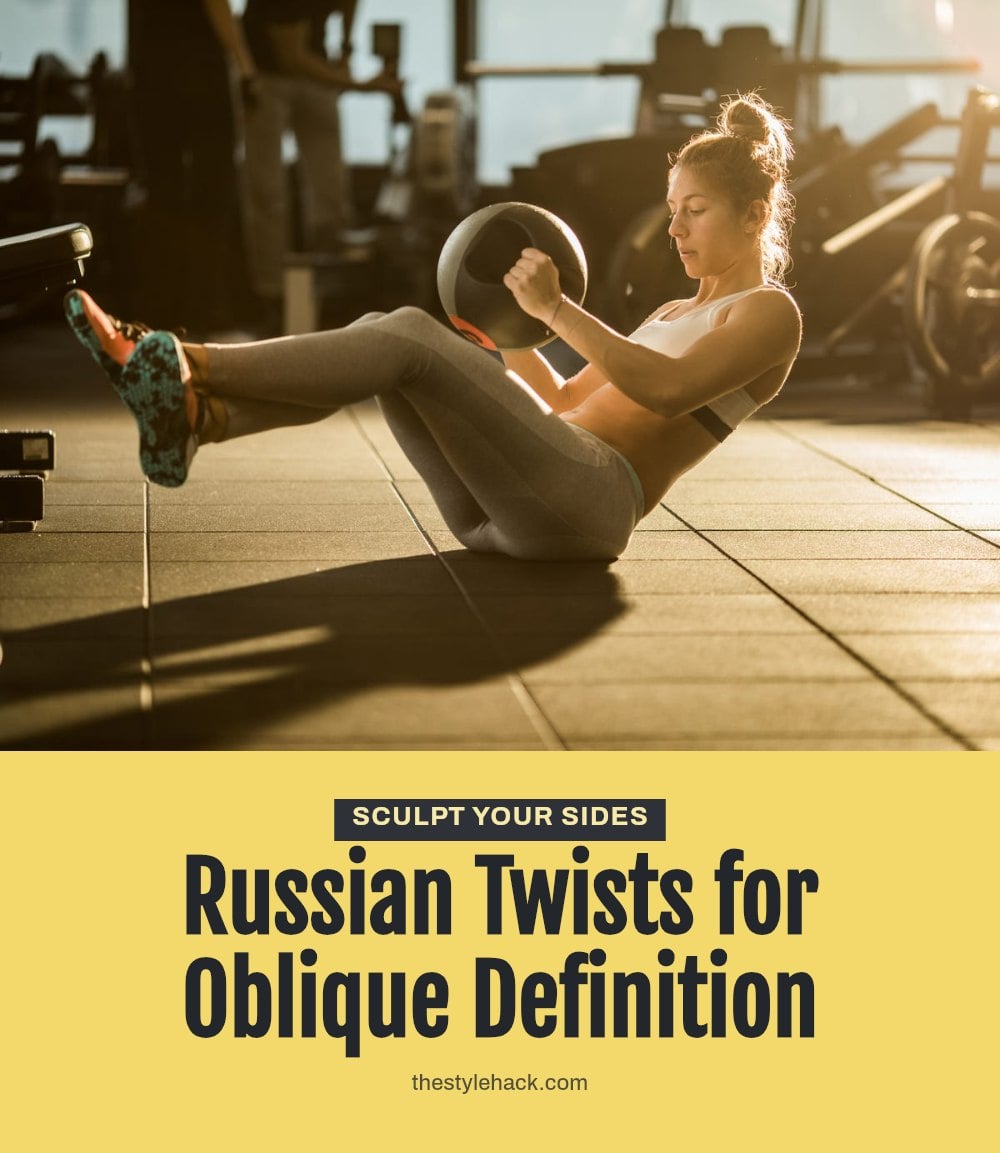
Russian twists work your obliques and deep core stabilizers through controlled rotation. Sit with your knees bent and feet flat, then lean your torso back slightly to engage your abs. For more challenge, lift your feet off the floor. Twist your torso from side to side, touching your hands to the floor beside your hips on each side.
- Sets and reps: 3 sets of 15-20 twists per side
- Form cue: Rotate from your ribcage, not just your arms, and keep your spine straight
- Make it easier or harder: Keep your feet on the ground for stability, or hold a light weight to increase intensity
8. 7. Bird-Dog
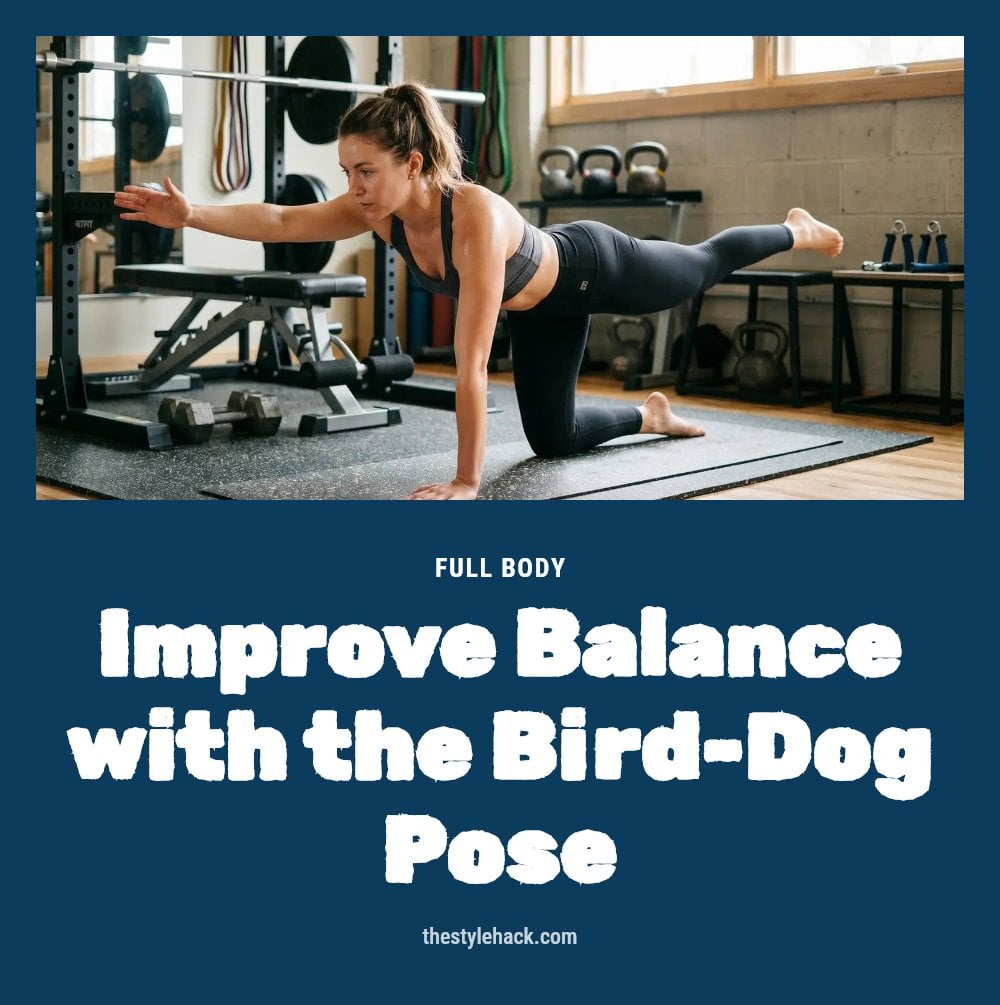
Bird-dog builds core stability and balance while strengthening your back and glutes. Start on all fours with your hands under your shoulders and knees under your hips. Simultaneously extend your right arm straight forward and your left leg straight back, keeping your hips level and your core braced. Return to start and switch sides.
- Sets and reps: 3 sets of 10-12 repetitions per side
- Form cue: Avoid any rocking or tilting in your hips; move slowly and with control
- Make it easier or harder: Perform the movement without lifting your limbs as high, or add a 2-second hold at full extension
9. Your Weekly Flat Stomach Workout Plan
This plan combines core work with cardio and full-body strength training for optimal fat loss and muscle development. Aim for 3-4 workout days per week with at least one rest day between sessions.
| Day | Focus | Example Workout |
|---|---|---|
| Day 1 | Core + Cardio | Core circuit (3 rounds) + 20 min brisk walk or jog |
| Day 2 | Full-Body Strength | Squats, push-ups, rows, lunges (3 sets of 10-12 reps) |
| Day 3 | Rest or Light Active Recovery | Stretching, yoga, or a leisurely walk |
| Day 4 | Core + HIIT | Core circuit (3 rounds) + 15 min HIIT (e.g., 30 sec sprint, 30 sec rest) |
| Day 5 | Full-Body Strength | Different exercises than Day 2: deadlifts, overhead press, bent-over rows |
| Day 6 | Cardio | 30-40 min steady-state cardio (swimming, cycling, or jogging) |
| Day 7 | Rest | Complete rest or gentle stretching |
Listen to your body and take rest days as needed. Consistency matters more than perfection.
10. Common Mistakes to Avoid for a Flat Stomach
Focusing only on abs: A flat stomach depends on overall fat loss, not just ab exercises. Combine core work with cardio and full-body strength training for the best results.
Neglecting diet: You cannot out-exercise a poor diet. A calorie deficit is essential for reducing body fat. Pair your workouts with a balanced, nutrient-dense eating plan.
Poor form: Incorrect form leads to injury and reduces effectiveness. Prioritize slow, controlled movements over speed. If you feel strain in your neck or lower back, stop and adjust.
Overtraining: Muscles need rest to recover and grow. Do not work your abs every single day. Aim for 3-4 core sessions per week with at least one rest day between them.
Expecting spot reduction: It is a myth that you can lose fat from a specific area by exercising that area. Focus on reducing overall body fat through a combination of diet, cardio, and strength training.
11. Frequently Asked Questions
12. How often should I do flat stomach workouts?
Aim for 3 to 4 workout days per week with at least one rest day between sessions. This gives your core muscles time to recover and grow stronger. Overtraining your abs every day can lead to fatigue and poor form, so rest is just as important as the exercises themselves.
13. Can I get a flat stomach without changing my diet?
No, diet plays a crucial role in reducing overall body fat. A calorie deficit is necessary to lower body fat percentage and make your abdominal muscles visible. You cannot out-exercise a poor diet, so nutrition is a major part of achieving a flat stomach.
14. What is the best exercise for lower belly fat?
Leg raises are effective for targeting the lower portion of the rectus abdominis, an area many people find stubborn. However, remember that spot reduction is not possible, so you need overall fat loss through diet and cardio to see results in that area.
15. How long does it take to see results from a flat stomach workout?
Visible results typically take several weeks to months of consistent effort, and the timeline varies greatly by your starting point and how closely you follow a healthy diet and exercise plan. Patience and consistency are key.
16. Do flat stomach workouts help with back pain?
Yes, core exercises strengthen the abdominal muscles, which can improve posture and reduce back pain for many people. If you have existing back issues, consult a doctor or physical therapist before starting a new routine to ensure you use proper form and avoid strain.
17. Final Thoughts
For a flatter stomach, focus on a balanced routine that includes core exercises, full-body strength training, and regular cardio. Realistic results take consistent effort over several weeks to months, so be patient with yourself. Stick with a healthy diet and stay active, and your core strength and definition will follow.
This information is for general informational purposes only and does not constitute medical or professional advice. Always consult a doctor or qualified healthcare provider before starting any new exercise program, especially if you have pre-existing health conditions or injuries.
More Blog ideas
- How to Heal Chapped Lips Overnight with Simple Steps
- Atomic Habits: 5 Lessons to Build Better Habits
- Hyaluronic Acid for Beginners
- How to Build a Gentle Skincare Routine for Sensitive Skin
- Beat Frizzy Hair: Easy Remedies for Smooth, Shiny Strands
- How to Increase Your Daily Drinking Water Intake
- Washing Hair Mistakes to Avoid and What to Do Instead
- Bleaching Hair Tips for Less Damage
- How to Make Your Body Mist Last Longer All Day
- How to Fix Your Skincare Routine
- Nervous System Regulation Tips
- Vagus Nerve Exercises for Stress Relief






