Foods that Boost Metabolism: My Top Picks for Energy & Wellness
Discover which foods can support your metabolism and how to incorporate them into your diet for better energy and weight management. I'll share my top picks!


You’ve probably heard that some foods can rev up your metabolism, but what does that actually mean for your energy and wellness? Your metabolism is the process that turns food into fuel for everything your body does, from breathing to thinking to staying active. While genetics play a big part, the foods you choose can give it a modest, helpful nudge. This article covers the top foods that may support a healthy metabolism, plus key habits and common mistakes to avoid.
Key Takeaways
- Prioritize protein at each meal to benefit from its high thermic effect of food (TEF).
- Stay well-hydrated with water, as even mild dehydration can slow metabolic processes.
- Include green tea, coffee, or chili peppers for a modest, temporary metabolic boost.
- Pair these foods with strength training and adequate sleep for the best results.
1. What Foods Can Boost Your Metabolism?
Certain foods can modestly support your metabolism by increasing the calories you burn during digestion or by supplying nutrients your body needs for energy production. Focus on protein-rich foods, fiber, and specific compounds like catechins in green tea or capsaicin in chili peppers. Remember, these foods work best as part of an overall healthy lifestyle, not as standalone ‘magic bullets’ that will dramatically change your metabolic rate on their own.
2. 1. Lean Proteins
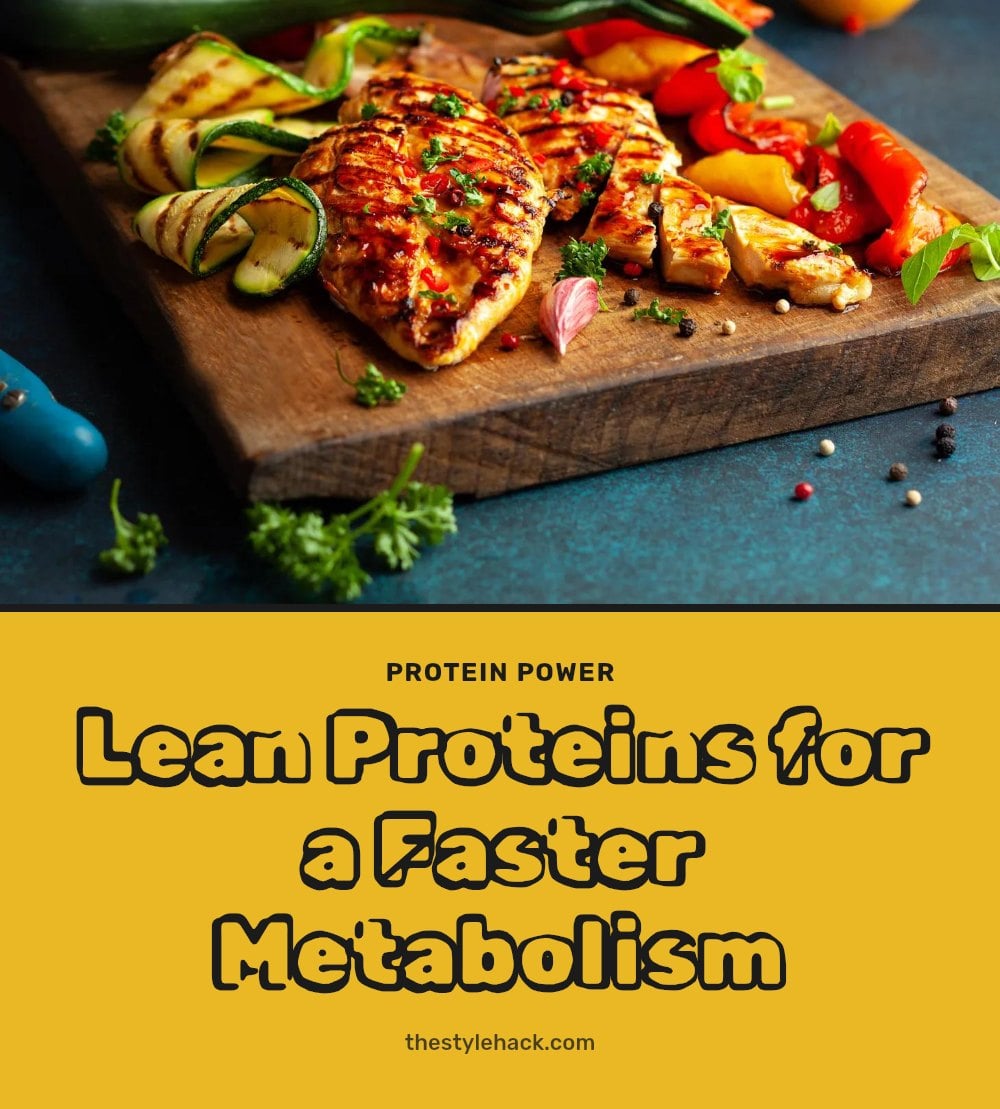
Eating enough protein is crucial because your body uses more energy to digest and metabolize it compared to fats or carbs. This is called the Thermic Effect of Food (TEF), and protein has the highest TEF of any macronutrient.
- Chicken breast and fish: Lean cuts provide high protein with minimal added fat.
- Eggs: A versatile source that works for any meal.
- Legumes and tofu: Excellent plant-based options that still supply plenty of protein.
Tip: Aim for a lean protein source at every meal to support muscle mass and boost calorie burn throughout the day.
3. 2. Water

Staying well-hydrated is essential for your metabolism to function optimally. Water is involved in almost every metabolic process in your body, from converting food into energy to transporting nutrients to your cells. Even mild dehydration can slow down your metabolism, so make sure you are drinking plenty of water throughout the day.
- Start your morning: Have a glass of water first thing to rehydrate after sleep.
- Carry a bottle: Keep water on your desk or in your bag to sip regularly.
- Listen to your body: Thirst is a late signal, so drink before you feel parched.
4. 3. Green Tea

Green tea contains compounds called catechins and caffeine, which may have a modest, temporary effect on your metabolic rate. Some research suggests it can slightly increase calorie burning, especially when consumed regularly as part of a balanced diet.
My tip: Enjoy a cup or two daily as part of your hydration routine, but do not overdo it. Too much caffeine can cause jitters or disrupt sleep, so stick to moderate amounts and skip the added sugar.
5. 4. Coffee
Thanks to its caffeine content, coffee can temporarily increase your metabolic rate and enhance fat burning. That’s why it shows up in many ‘fat-burning’ supplements. The effect is modest, but a morning cup can give your calorie burn a small, short-lived nudge.
Just be mindful of what you add. Sugary syrups, flavored creamers, and heavy whipped toppings can easily cancel out any benefit. If you’re sensitive to caffeine, stick to one cup before midday to avoid sleep disruption, which can backfire on your metabolism.
6. 5. Chili Peppers (Capsaicin)

Chili peppers get their heat from capsaicin, a compound that may temporarily nudge your calorie burn upward for a short window after you eat them. That warm feeling you get? It’s your body generating a bit of extra heat, which is part of the effect.
The boost is small, so don’t expect spicy meals to do the heavy lifting. But adding sliced jalapeños to eggs, a pinch of cayenne to soups, or red pepper flakes to roasted vegetables is an easy way to add flavor and a tiny metabolic perk. Start with a little if you’re not used to heat, and skip it if spicy foods bother your stomach.
7. 6. Fiber-Rich Foods
Fiber-rich foods won’t directly rev up your calorie burn, but they do heavy lifting behind the scenes. They slow digestion, which keeps you full longer and helps with weight management, and they feed the beneficial bacteria in your gut. A healthy gut microbiome is linked to better metabolic regulation.
Because fiber adds bulk without extra calories, it also helps steady your blood sugar and prevents the energy crashes that can lead to overeating. That indirect support matters more than any quick spike.
- Whole grains: oats, brown rice, quinoa
- Fruits: berries, apples, pears
- Vegetables: broccoli, leafy greens, bell peppers
- Legumes: lentils, chickpeas, black beans
Aim for a fiber source at each meal, and increase your intake gradually so your digestive system can adjust.
8. 7. Iron-Rich Foods
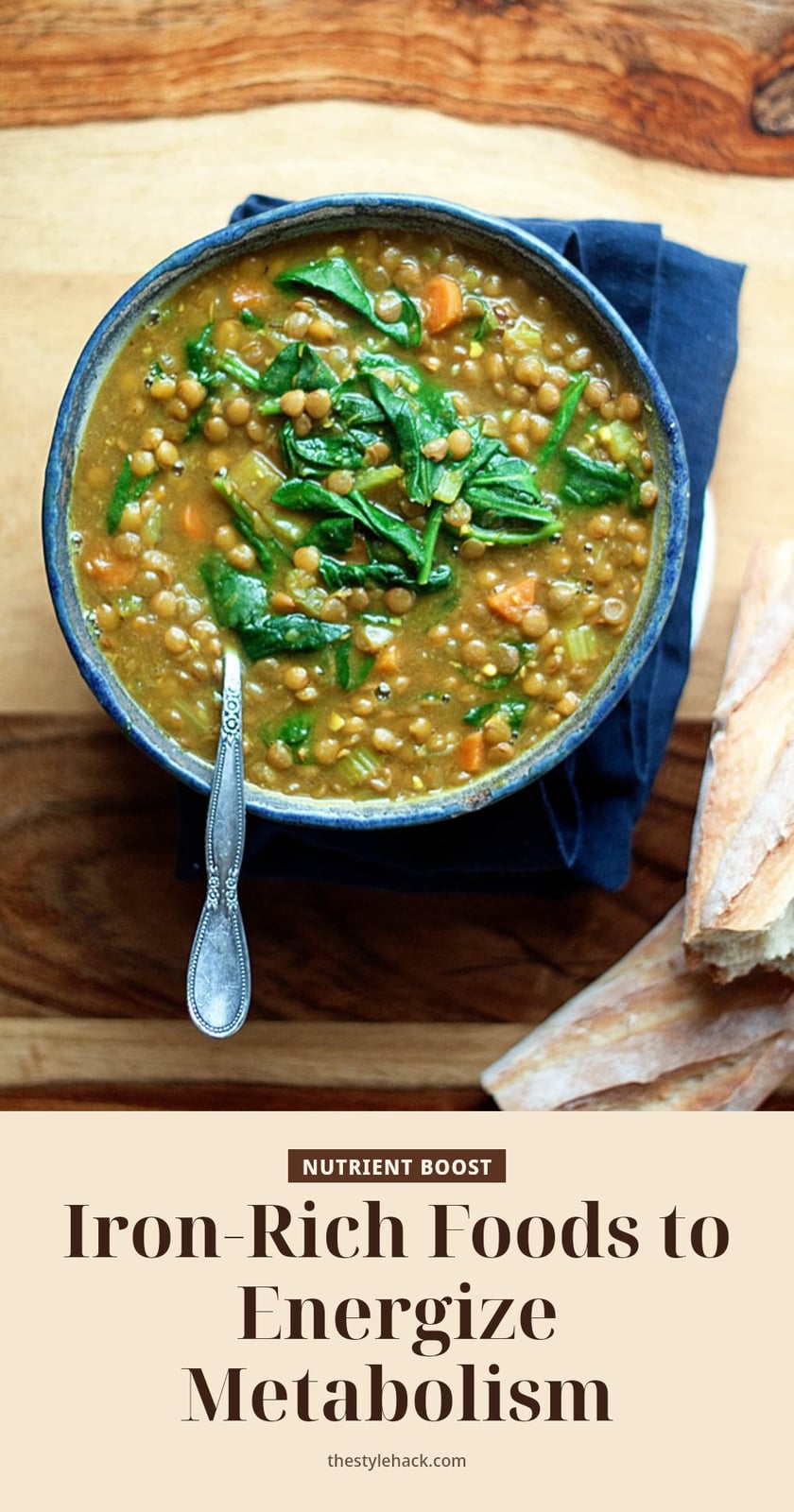
Iron is a key player in your metabolism because it helps your red blood cells carry oxygen to every part of your body. Your cells need that oxygen to turn food into energy, so when iron levels dip, your energy production can slow down along with your metabolic rate.
If you suspect you’re low on iron, it’s worth checking with a doctor before changing your diet. In the meantime, aim for a mix of sources: spinach, lentils, red meat, and fortified cereals. Pair plant-based iron with vitamin C (think lemon juice on spinach) to help your body absorb it better.
9. 8. B Vitamins
B vitamins, including B6, B12, and folate, act as helpers in your body’s energy-making machinery. They don’t directly speed up your metabolism, but they make sure it runs smoothly by helping convert the food you eat into usable fuel.
- Why it matters: Without enough B vitamins, your cells can’t efficiently turn carbs, fats, and protein into energy.
- Where to find them: Whole grains, eggs, dairy, leafy greens, and lean meats are solid sources.
- My tip: Aim for a varied plate at each meal so you naturally cover your B vitamin needs without reaching for supplements.
10. 9. Whole Grains
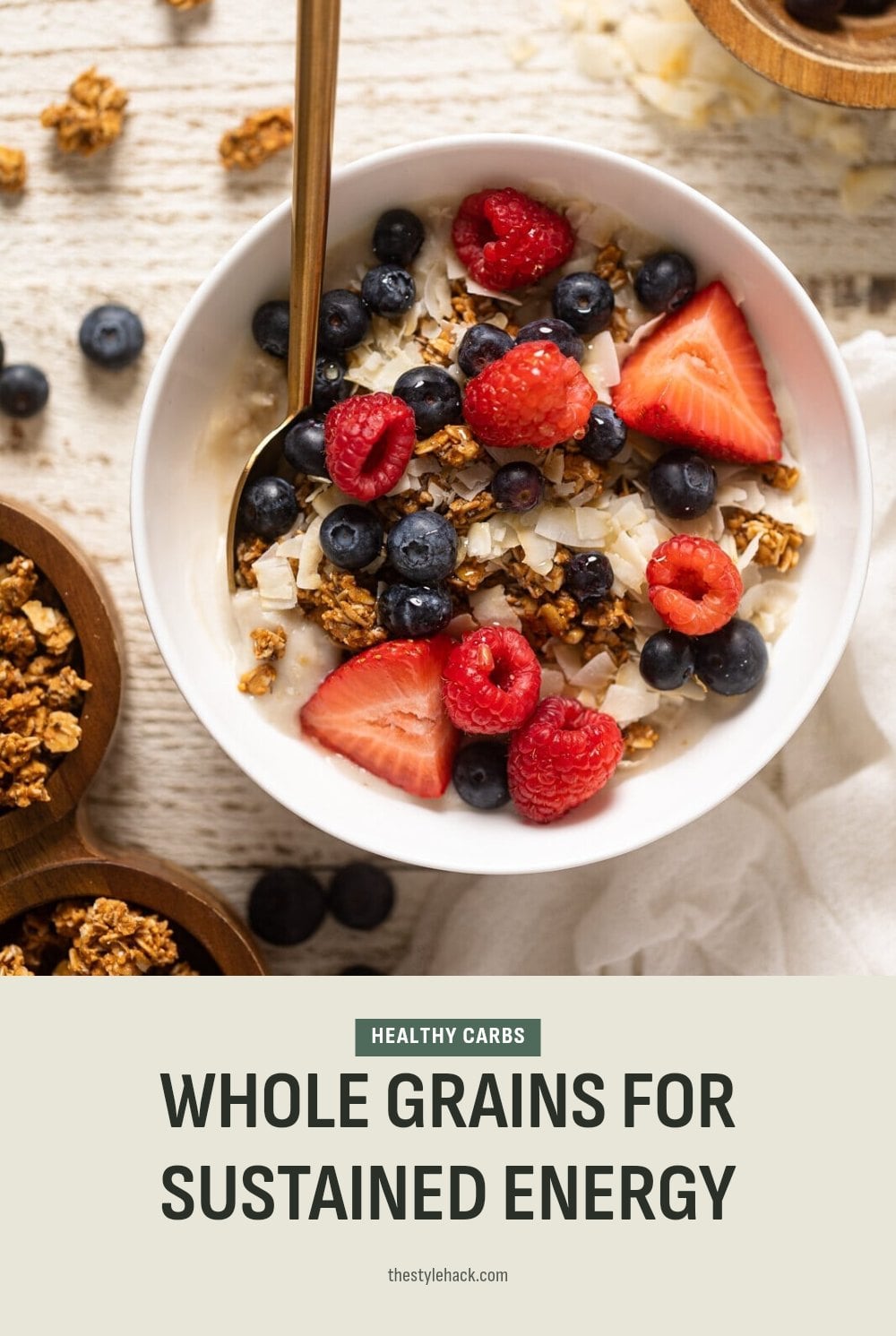
Whole grains such as oats, brown rice, and quinoa require more energy to digest than refined grains. This process, part of the thermic effect of food, means you burn slightly more calories just from breaking them down. Their fiber content also promotes satiety and helps maintain steady blood sugar levels, which can prevent the metabolic slowdowns that often follow energy crashes.
Tip: Swap white bread and pasta for whole-grain versions. It’s a direct swap that supports digestion and keeps your metabolism working evenly throughout the day.
11. 10. Ginger
Ginger has thermogenic properties, meaning it can slightly raise your body temperature and calorie burn for a short period. That effect is modest, but ginger also supports digestion and helps reduce inflammation, both of which contribute to overall metabolic health.
Try adding fresh ginger to teas, smoothies, or stir-fries. Grate it into hot water for a quick tea, toss it into a smoothie, or stir it into stir-fries near the end of cooking to keep its flavor and benefits intact.
12. 11. Apple Cider Vinegar
Apple cider vinegar has caught attention for its potential to help regulate blood sugar, which can indirectly support your metabolism by keeping energy levels steady. Some studies suggest it may have a modest impact, but it’s not a magic bullet for weight loss.
If you want to try it, start with 1 to 2 teaspoons diluted in a glass of water before meals.
- Caution: Always dilute ACV before consuming to protect your tooth enamel and digestive system.
- Skip it if you have acid reflux or stomach sensitivity, and talk to your doctor if you take medications that could interact.
13. Common Metabolism-Boosting Mistakes to Avoid
One common mistake is expecting a single ‘magic’ food to transform your metabolism. No food works in isolation, and real gains come from consistent, balanced eating and regular activity.
Extreme calorie restriction can backfire, as your body may slow down metabolic processes to conserve energy. Instead of slashing calories, focus on nutrient-dense meals that keep you satisfied.
Skipping strength training is another misstep. Muscle burns more calories at rest than fat, so building and maintaining muscle through resistance exercise supports a higher resting metabolic rate.
Don’t overlook sleep and stress. Poor sleep and chronic stress can disrupt metabolic hormones, making weight management harder. Aim for consistent rest and find ways to manage daily stress.
Myth: Skipping meals speeds up metabolism. In reality, it can backfire by slowing your metabolic rate over time as your body adapts to conserve energy. Regular, balanced meals support steady energy and metabolic function.
14. Frequently Asked Questions
15. Can I really ‘fix’ a slow metabolism?
There is no quick fix for a slow metabolism, but you can support it with consistent lifestyle habits. Building muscle through strength training, eating enough protein, staying hydrated, and getting quality sleep all help your metabolic rate function at its best. If you suspect an underlying medical issue, a healthcare professional can offer personalized guidance.
16. How long does it take to see metabolic changes from diet?
Metabolic changes from diet and lifestyle are gradual and cumulative, with consistent effort over weeks to months showing potential benefits. You might notice small shifts in energy or digestion within a few days, but meaningful changes in calorie burn or body composition take longer and depend on your overall routine.
17. Are metabolism-boosting supplements effective?
Most metabolism-boosting supplements have modest, temporary effects at best, and some may carry side effects or interact with medications. Relying on whole foods like green tea, protein, and fiber is safer and more sustainable. Always consult a healthcare professional before trying any supplement for metabolic support.
18. Does skipping meals affect metabolism?
Skipping meals can backfire by slowing down your metabolic rate over time. Your body may adapt to fewer calories by conserving energy, which makes weight management harder. Eating regular, balanced meals with protein and fiber helps keep your metabolism steady and supports stable energy levels throughout the day.
19. Final Thoughts
If you want to support your metabolism, start by focusing on whole, nutrient-dense foods like lean proteins, fiber-rich vegetables, and whole grains, and stay consistent with hydration and regular activity. Realistic expectations matter: metabolic changes from diet and lifestyle are gradual and cumulative, with consistent effort over weeks to months showing potential benefits. My tip: build your meals around protein and fiber, and keep a water bottle nearby to sip throughout the day.
This article is for general informational purposes only and does not constitute medical or professional advice. Metabolic health varies by individual, and dietary changes should be discussed with a healthcare professional or registered dietitian, especially if you have a medical condition or are managing a health concern.
More Blog ideas
- How to Heal Chapped Lips Overnight with Simple Steps
- Atomic Habits: 5 Lessons to Build Better Habits
- Hyaluronic Acid for Beginners
- How to Build a Gentle Skincare Routine for Sensitive Skin
- Beat Frizzy Hair: Easy Remedies for Smooth, Shiny Strands
- How to Increase Your Daily Drinking Water Intake
- Washing Hair Mistakes to Avoid and What to Do Instead
- Bleaching Hair Tips for Less Damage
- How to Make Your Body Mist Last Longer All Day
- How to Fix Your Skincare Routine
- Nervous System Regulation Tips
- Vagus Nerve Exercises for Stress Relief