11 Foods that Help You Conquer a Bloated Belly
Learn how specific foods can help ease a bloated belly by improving digestion and reducing gas. Find effective, natural relief to feel better fast.


If you’ve ever felt uncomfortably full or noticed your belly sticking out more than usual after a meal, you’re not alone. Bloating is a common issue that often comes from gas buildup or water retention. The good news is that certain foods can help ease that tight feeling by supporting digestion, balancing fluids, or calming your gut. This article covers 11 foods that may help you conquer a bloated belly, plus tips on how to use them effectively.
Key Takeaways
- Include probiotic-rich foods like yogurt or kefir to support a healthy gut microbiome and reduce gas.
- Eat potassium-rich bananas or avocados to balance sodium and lower water retention.
- Sip ginger or peppermint tea after meals to relax digestive muscles and release trapped gas.
- Stay hydrated with water and high-water foods like cucumbers to prevent constipation.
- Add fiber gradually from oats or asparagus to avoid extra gas while promoting regularity.
1. How to Tackle a Bloated Belly with Food
Bloating often comes from gas or muscle issues in your digestive tract. The right foods can help by supporting gut health, reducing water retention, or aiding digestion. Probiotics, potassium-rich options, and digestive herbs are your go-to choices. My tip: Pair these foods with mindful eating habits, chew slowly, skip carbonated drinks, and stay hydrated, for the best results.
01. 1. Probiotic-Rich Yogurt and Kefir

Yogurt and kefir deliver live bacteria that support a balanced gut microbiome. A healthy gut produces less gas, which means less bloating. Kefir often contains a wider variety of probiotic strains than yogurt, so it may offer more robust support.
- Choose plain: unsweetened yogurt or kefir to avoid added sugars that can feed gas-causing bacteria.
- Start small: a half-cup serving daily can help your system adjust.
02. 2. Potassium-Packed Bananas and Avocados
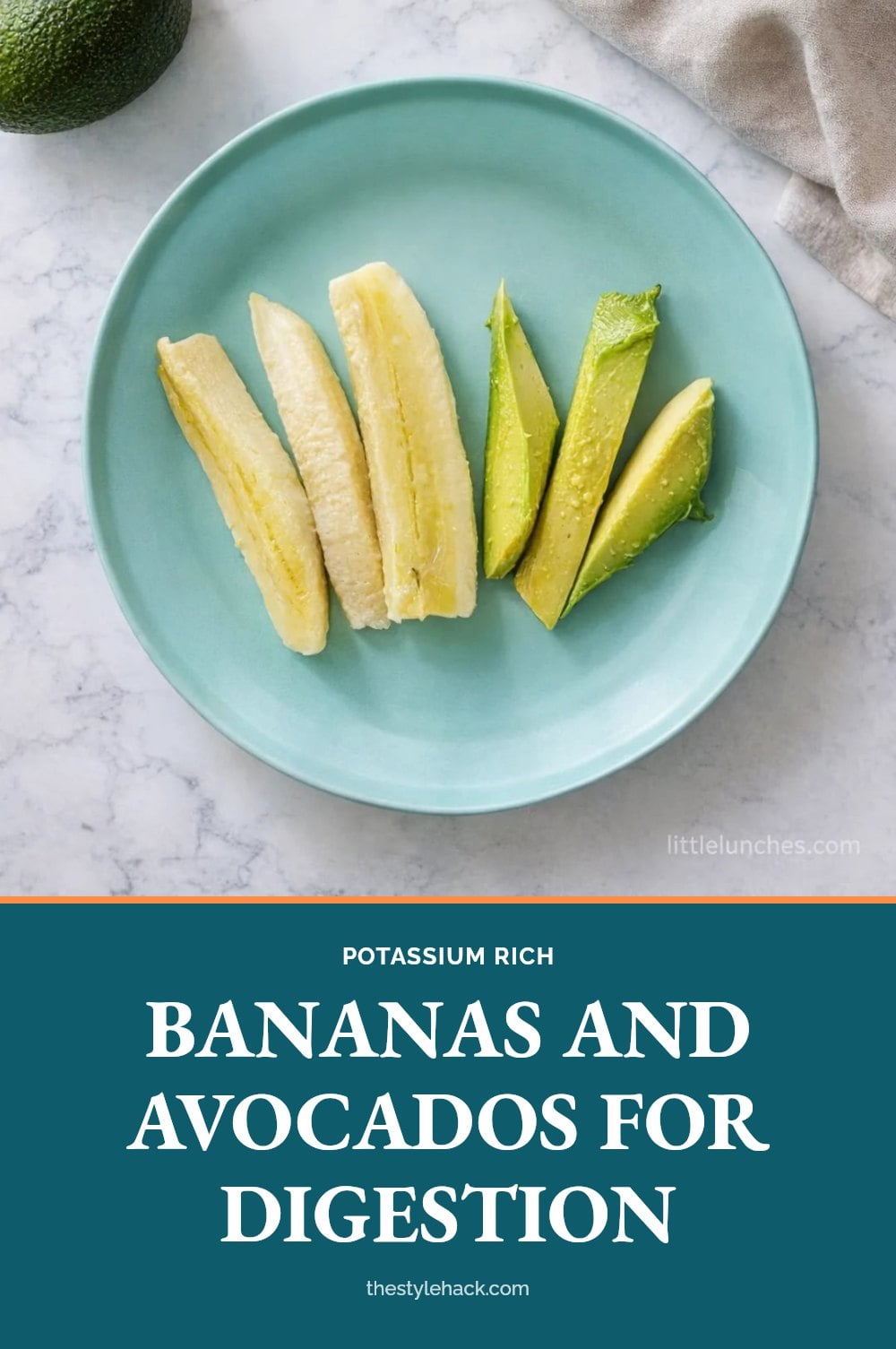
Potassium helps balance sodium levels in your body, which reduces water retention, a major cause of bloating. Bananas are an easy-to-digest source, while avocados add healthy fats that support digestion.
- Snack smart: half a banana or a quarter of an avocado makes a quick, portable option.
- Pair with protein: add a few slices of avocado to a salad or smoothie for a satisfying meal.
03. 3. Hydrating Cucumbers and Watermelon

Cucumbers and watermelon are over 90% water, so they boost hydration and may act as mild diuretics. Proper hydration keeps things moving in your digestive tract and prevents constipation, a frequent bloating cause.
- Slice into meals: add cucumber to salads or blend watermelon into a cold soup.
- Eat the whole fruit: the skin and seeds add fiber, which also helps regularity.
04. 4. Digestive Aid: Ginger

Ginger contains compounds with carminative properties that help relax the muscles of your digestive tract. When those muscles loosen, trapped gas can move through more easily, which eases that full, tight feeling.
My tip: brew a cup of ginger tea after a meal. Slice fresh ginger, steep it in hot water for 5 to 10 minutes, and sip slowly. It can be incredibly soothing, especially after heavier meals.
05. 5. Soothing Peppermint
Peppermint works much like ginger by relaxing the muscles along your digestive tract. This can reduce the spasms that trap gas and let it pass more freely, which often brings quick relief.
A cup of peppermint tea is a popular choice for fast comfort. Steep a tea bag or fresh leaves in hot water for 5 to 7 minutes. Drink it after eating or whenever bloating feels uncomfortable.
06. 6. Natural Diuretic: Asparagus

Asparagus contains asparagine, an amino acid with natural diuretic properties. This can help your body flush out excess water, which reduces the water retention that makes your belly feel swollen.
It also provides prebiotics, which feed the beneficial bacteria in your gut. Steam or roast asparagus lightly to keep its nutrients intact, and add it to meals a few times a week.
07. 7. Gas-Relieving Fennel Seeds
Fennel seeds have been used for centuries to relieve gas and bloating. Their anethole content helps relax the smooth muscles of the digestive tract, allowing trapped gas to escape more easily.
Chew a small spoonful of seeds after meals, or steep them in hot water for 5 to 10 minutes to make a mild tea. Both methods can ease discomfort and support digestion.
08. 8. Enzyme-Rich Pineapple

Pineapple brings bromelain, an enzyme that breaks down protein into smaller pieces your body can absorb easily. When protein digestion runs smoothly, less undigested food sits in your gut fermenting and producing gas. Bromelain may also calm inflammation in the digestive tract, which can reduce that swollen feeling.
Fresh pineapple delivers the most bromelain, so slice one up for a snack or add chunks to your morning yogurt. You can also grill a few rings for a warm dessert that still supports digestion.
09. 9. Gentle Fiber from Oats
Rolled oats give you soluble fiber that dissolves into a gel-like texture, which helps food move steadily through your digestive system. Unlike some coarse fibers that can trigger gas, oats are gentle for most people when you add them gradually. Start with a half-cup serving a few times a week, then increase slowly so your gut has time to adjust.
This steady movement prevents stool from sitting too long, which is a common reason for that heavy, bloated feeling. A warm bowl of oatmeal in the morning also keeps you full without weighing you down.
10. 10. Fermented Cabbage: Kimchi and Sauerkraut
Kimchi and sauerkraut are fermented cabbage packed with live probiotics, just like yogurt and kefir. Each spoonful introduces beneficial bacteria that help balance your gut microbiome, which is key for efficient digestion and less gas production. The fermentation process also breaks down some of the cabbage, making these vegetables easier to digest than raw versions.
Add a small side of kimchi to rice bowls or pile sauerkraut onto sandwiches. Start with a tablespoon or two, since a sudden influx of probiotics can cause temporary bloating in sensitive stomachs.
11. 11. Water: The Ultimate Bloating Fighter
Water is the foundation of a bloat-free belly because it keeps your digestive system moving efficiently. When you are dehydrated, your body pulls water from your intestines, which hardens stool and leads to constipation, a primary cause of bloating. Aim for steady sips throughout the day rather than chugging large amounts at once.
My tip: keep a refillable bottle on your desk and take a few swallows every time you look at it. If plain water feels boring, add cucumber slices or a squeeze of lemon for flavor without extra sugar or carbonation.
12. When to Consult a Healthcare Professional
If your bloating is severe, persistent, or comes with significant pain, it’s time to talk to a doctor. The same goes for unexplained weight loss, blood in your stool, or changes in your bowel habits. These symptoms can point to something beyond everyday digestive discomfort.
When dietary tweaks don’t ease the bloating after a few weeks, or if you suspect an underlying condition, seek professional advice. Pregnant women and anyone with existing health issues should always check with a healthcare provider before making major dietary changes. Your doctor can help rule out more serious causes and guide you toward the right next steps.
14. Frequently Asked Questions
15. How quickly can I expect relief from these foods?
Some foods, like peppermint tea or fennel seeds, can provide relief within a few hours by helping expel trapped gas. Others, such as yogurt or oats, may take a day or two to improve your gut balance and digestion. For lasting results, stick with the changes for at least several days.
16. Can certain cooking methods affect how these foods help with bloating?
Yes, cooking methods matter. Steaming or roasting asparagus preserves its diuretic properties, while boiling may leach some nutrients. Fermented foods like kimchi should be eaten raw or lightly heated to keep their probiotics alive. Overcooking can reduce the beneficial compounds in ginger and pineapple.
17. Are there any foods I should avoid while trying to de-bloat?
Yes, limit carbonated drinks, chewing gum, and eating too quickly, as these can introduce extra air into your digestive tract. Also, watch out for high-sodium processed foods, which can increase water retention. If you have a known sensitivity, avoid trigger foods even if they are on the ‘de-bloating’ list.
18. Is bloating always related to diet, or can other factors contribute?
Bloating can also be caused by stress, hormonal changes, swallowing air, or underlying conditions like irritable bowel syndrome. If your bloating is severe or persistent, it’s a good idea to see a doctor to rule out other issues. Diet is a common factor, but it’s not the only one.
19. Can I combine several of these foods for better results?
Absolutely. Combining foods can enhance their benefits. For example, a smoothie with banana, cucumber, and a splash of kefir gives you potassium, hydration, and probiotics all at once. Just be mindful of portion sizes and introduce new combinations gradually to see how your body responds.
20. Final Thoughts
To get the most out of these foods, try adding one or two to your daily routine rather than overhauling your diet all at once. For example, start your morning with a small bowl of plain yogurt topped with half a banana, or sip peppermint tea after lunch. You may notice some relief within a few hours, but consistent changes over several days often bring the best results. Remember, no single food is a cure, but pairing these choices with slow eating and plenty of water can make a real difference.
This article is for informational purposes only and is not a substitute for professional medical advice. If you have persistent or severe bloating, pain, or other digestive symptoms, please consult a doctor or a registered dietitian. Individual results may vary, and what works for one person may not work for another.
More Blog ideas
- How to Heal Chapped Lips Overnight with Simple Steps
- Atomic Habits: 5 Lessons to Build Better Habits
- Hyaluronic Acid for Beginners
- How to Build a Gentle Skincare Routine for Sensitive Skin
- Beat Frizzy Hair: Easy Remedies for Smooth, Shiny Strands
- How to Increase Your Daily Drinking Water Intake
- Washing Hair Mistakes to Avoid and What to Do Instead
- Bleaching Hair Tips for Less Damage
- How to Make Your Body Mist Last Longer All Day
- How to Fix Your Skincare Routine
- Nervous System Regulation Tips
- Vagus Nerve Exercises for Stress Relief






