Foot Care at Home: Simple Steps for Soft, Smooth Feet
Discover easy at-home foot care routines to keep your feet healthy and comfortable. Learn practical steps for soft, smooth skin and strong nails.


Your feet carry you through thousands of steps every day, yet they often get the least attention in your self-care routine. Whether you’re dealing with dry heels, minor calluses, or just want to keep your feet feeling comfortable, a simple at-home routine can make a big difference. This article covers the essential steps for daily care, common mistakes to avoid, and when it’s time to see a professional.
Key Takeaways
- Wash your feet daily with mild soap and dry thoroughly, especially between your toes.
- Moisturize every day focusing on heels and soles, but avoid applying between toes.
- Trim toenails straight across and not too short to prevent ingrown nails.
- Exfoliate rough areas with a pumice stone or foot file weekly.
- Wear clean, breathable socks and well-fitting shoes to prevent blisters and calluses.
1. Your Daily Guide to Happy, Healthy Feet
Consistent foot care is simpler than you think and can make a real difference in how your feet feel and look. A daily routine of washing and moisturizing, paired with regular exfoliation, helps prevent common problems like dryness and calluses. These simple at-home practices improve comfort and head off more serious issues before they start. My tip: keep a moisturizer by your bed so you never skip it.
2. Essential Tools for Your At-Home Foot Spa

You don’t need much to set up an effective foot care routine at home. Gather these basics:
- Mild soap for gentle daily cleaning.
- Rich foot moisturizer to prevent dry skin and cracking.
- Pumice stone or foot file for smoothing rough areas.
- Toenail clippers and emery board for safe nail trimming.
For an enhanced experience, add foot soak salts like Epsom salts and a soft cuticle pusher. That is all you need for a complete at-home foot spa.
3. Step-by-Step: Your At-Home Foot Care Routine
Wash your feet: Use mild soap and warm water daily, paying attention between your toes. This removes dirt and bacteria that can cause odor and infections.
- Dry thoroughly: Pat your feet dry, especially between the toes, to prevent fungal growth. Moisture trapped there is a common cause of athlete’s foot.
- Trim nails straight across: Cut toenails straight across, not too short, to avoid ingrown nails. Use an emery board to smooth any sharp edges.
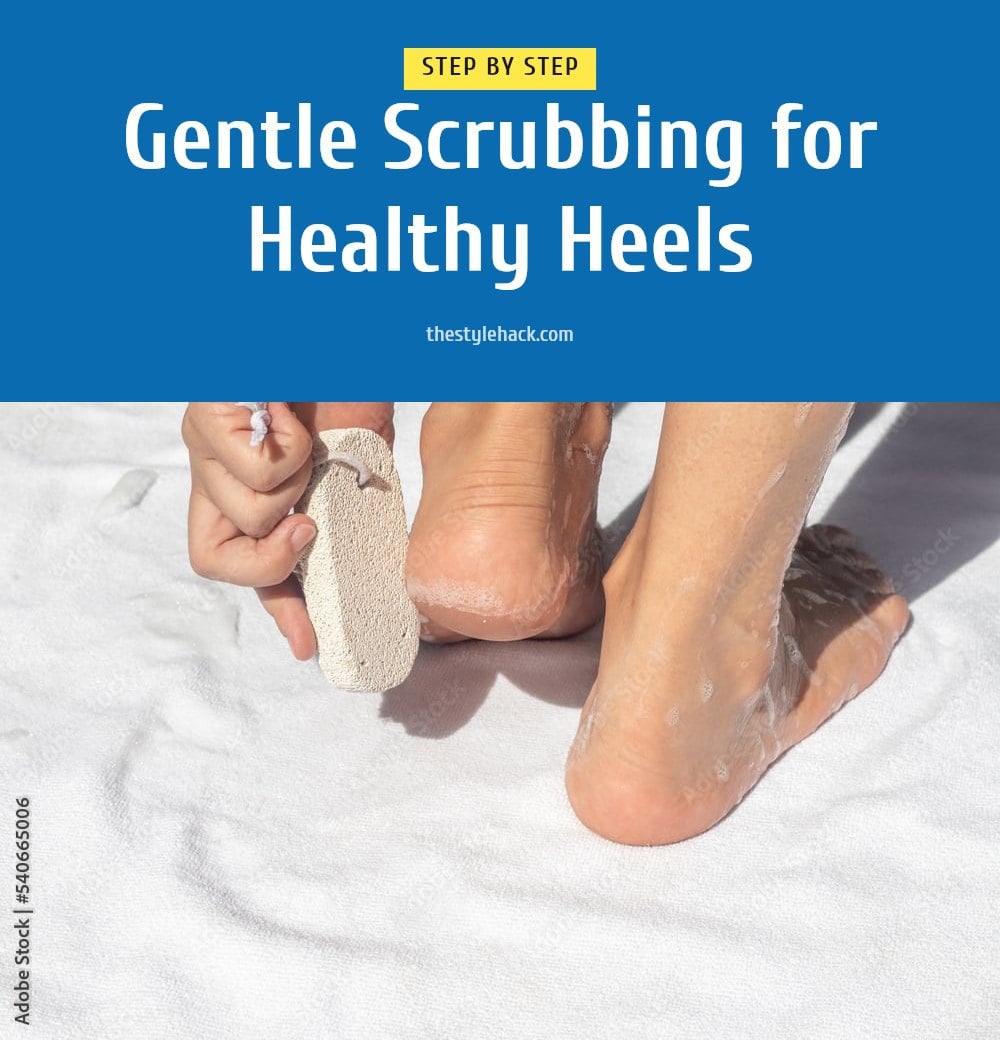
- Exfoliate rough areas: Use a pumice stone or foot file on heels and soles after a soak, when skin is soft. Move in one direction to avoid irritation.
- Moisturize daily: Apply a rich moisturizer to heels and soles, but skip the area between your toes. That space stays dry to discourage fungal infections.
Caution: If you have diabetes or circulatory issues, consult your doctor before starting any at-home foot care. Stop immediately if you feel pain or see bleeding.
4. Common Foot Care Blunders to Avoid
Even with the best intentions, a few common mistakes can undo your progress. Here is what to avoid and what to do instead.
- Never cut cuticles: Pushing them back gently with a cuticle pusher is safer. Cutting can lead to infection.
- Avoid cutting nails too short or rounding corners: This is the main cause of ingrown toenails. Always trim straight across.
- Do not apply moisturizer between your toes: The moisture creates a breeding ground for fungal infections. Keep that area dry.
- Refrain from harsh chemicals or sharp objects on calluses: Razors and callus removers can cause cuts and infections. A pumice stone or foot file is the safe choice.
5. Keeping Your Feet Happy and Healthy Long-Term
Wear clean socks made of cotton or wool daily to wick moisture away and reduce the risk of infections. Choose well-fitting shoes with adequate arch support and a roomy toe box to prevent blisters and calluses. Avoid walking barefoot in public areas like locker rooms, gym floors, or pool decks where fungi and bacteria thrive. Elevate your feet for 10-15 minutes at the end of the day to help reduce swelling and improve circulation.
6. When to Seek Professional Foot Care
Consult a doctor if you experience persistent foot pain, swelling, or changes in skin color or temperature. Diabetics and anyone with circulatory problems should always check with a healthcare professional before starting any at-home foot care, as minor injuries can lead to serious complications. Seek professional advice if you suspect a fungal infection like athlete’s foot or nail fungus, especially if over-the-counter treatments haven’t helped.
7. Frequently Asked Questions
8. How often should I do a foot soak?
A foot soak once a week is plenty for most people. It helps soften skin before exfoliating and can relieve muscle fatigue. If you have diabetes or circulation problems, talk to your doctor first, and always test the water temperature with your hand to avoid burns.
9. Can I use regular body lotion on my feet?
Yes, you can use regular body lotion on your feet, but a thicker foot cream or balm is usually more effective for the tough skin on your heels and soles. Look for a moisturizer that contains urea, shea butter, or glycerin for extra softening power.
10. What causes calluses and how can I prevent them?
Calluses form as a protective response to repeated friction or pressure, often from ill-fitting shoes or walking barefoot on hard surfaces. To prevent them, wear shoes that fit well with proper arch support, and use a pumice stone weekly after a soak to keep thickened skin from building up.
11. Is it normal for my feet to ache after a long day?
Some foot fatigue after a long day on your feet is common, especially if you’re not used to prolonged standing or walking. Elevating your feet, doing gentle stretches, and massaging them can help. If the pain is persistent or sharp, though, it’s worth seeing a doctor.
12. When should I consider professional foot care?
You should see a podiatrist or doctor if you have persistent foot pain, swelling, skin changes, or signs of infection like redness, warmth, or discharge. Diabetics and anyone with circulation issues should always get professional guidance before starting any at-home foot care routine.
13. Final Thoughts
For most people, a consistent daily routine of washing and moisturizing, plus weekly exfoliation and nail trimming, is enough to keep feet soft and healthy. You can expect to see smoother skin within a week of regular care. If you notice persistent pain, swelling, or skin changes, check with your doctor or a podiatrist to rule out underlying issues.
This article provides general information for at-home foot care and is not a substitute for professional medical advice. Everyone’s feet are different, and what works for one person may not work for another. If you have diabetes, circulation problems, or a persistent foot issue, please consult a doctor or podiatrist before trying any new routine.
More Blog ideas
- How to Heal Chapped Lips Overnight with Simple Steps
- Atomic Habits: 5 Lessons to Build Better Habits
- Hyaluronic Acid for Beginners
- How to Build a Gentle Skincare Routine for Sensitive Skin
- Beat Frizzy Hair: Easy Remedies for Smooth, Shiny Strands
- How to Increase Your Daily Drinking Water Intake
- Washing Hair Mistakes to Avoid and What to Do Instead
- Bleaching Hair Tips for Less Damage
- How to Make Your Body Mist Last Longer All Day
- How to Fix Your Skincare Routine
- Nervous System Regulation Tips
- Vagus Nerve Exercises for Stress Relief






