Full-Body Workout at Home for Women
Discover how to create an effective full-body workout at home with no gym equipment. Learn proper form, essential exercises, and a weekly plan for women.

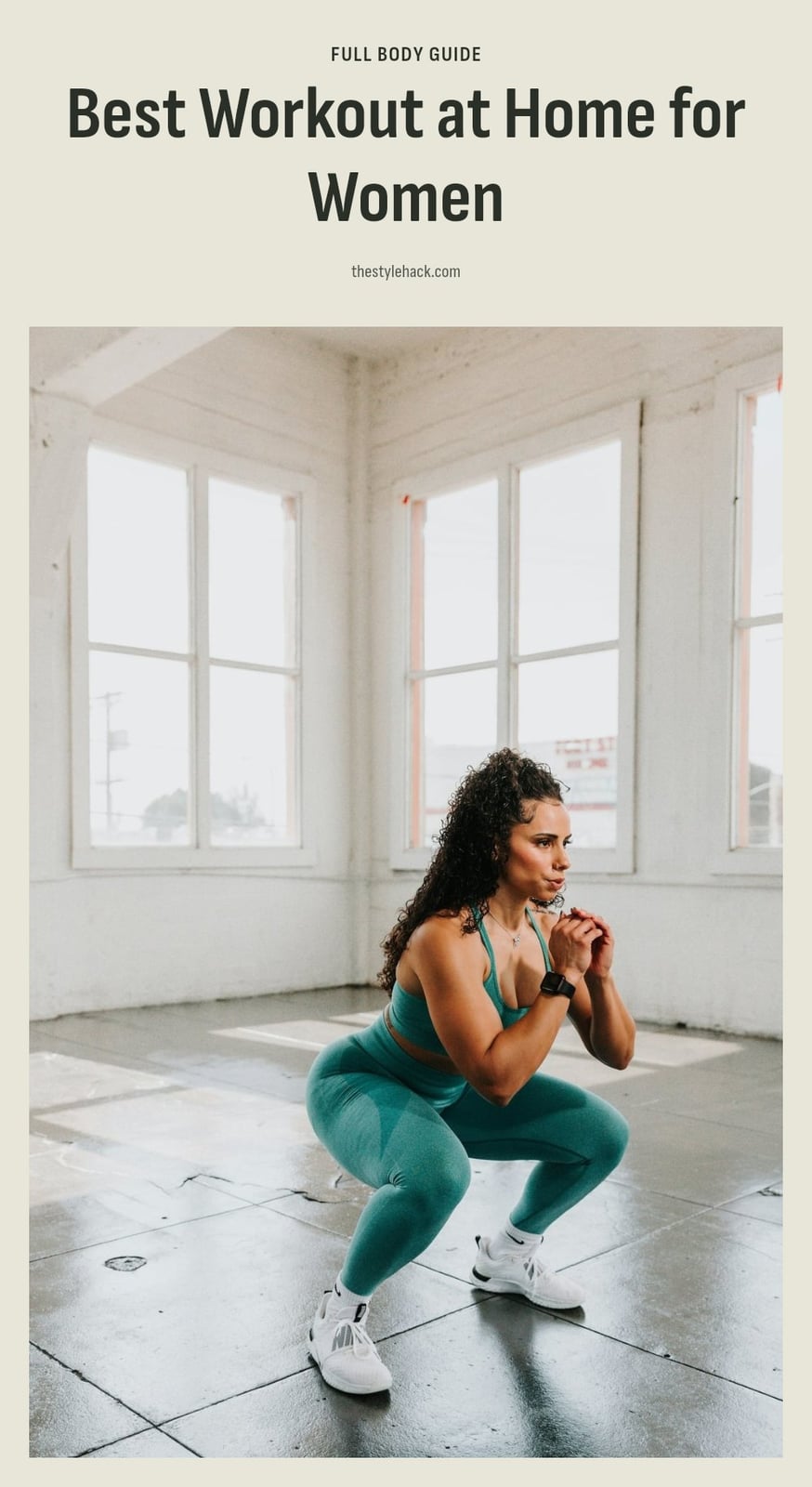
You don’t need a gym membership or fancy equipment to get a great workout. A full-body routine at home can build strength, boost your heart health, and improve flexibility, all on your own schedule. In this article, I’ll walk you through a simple, effective home workout plan, including warm-up, exercises, and cool-down, plus tips for staying consistent and safe.
Key Takeaways
- Aim for 3 to 5 workout sessions per week, with at least one full rest day.
- Include strength, cardio, and flexibility exercises in each session.
- Warm up for 5-10 minutes and cool down for 5-10 minutes every time.
- Listen to your body; stop if you feel sharp pain, dizziness, or chest discomfort.
- Expect visible results within 4-8 weeks of consistent effort.
1. Your Effective Full-Body Home Workout Plan
A well-rounded home workout combines strength, cardio, and flexibility to deliver real results without a gym. Focus on proper form for every exercise. It prevents injuries and makes each rep more effective. Consistency matters more than intensity, especially when you are starting out. Short, regular sessions build habits that last.
2. 1. Dynamic Warm-Up: Arm Circles
Stand tall with feet shoulder-width apart and arms extended straight out to the sides. Perform small forward circles for 30 seconds, then reverse direction and do backward circles for 30 seconds. Gradually increase the size of the circles as your shoulders loosen up.
- Time: 30 seconds forward, 30 seconds backward
- Form cue: Keep your shoulders down and away from your ears
- Make it easier or harder: Start with tiny circles and enlarge them as you warm up
3. 2. Bodyweight Squats
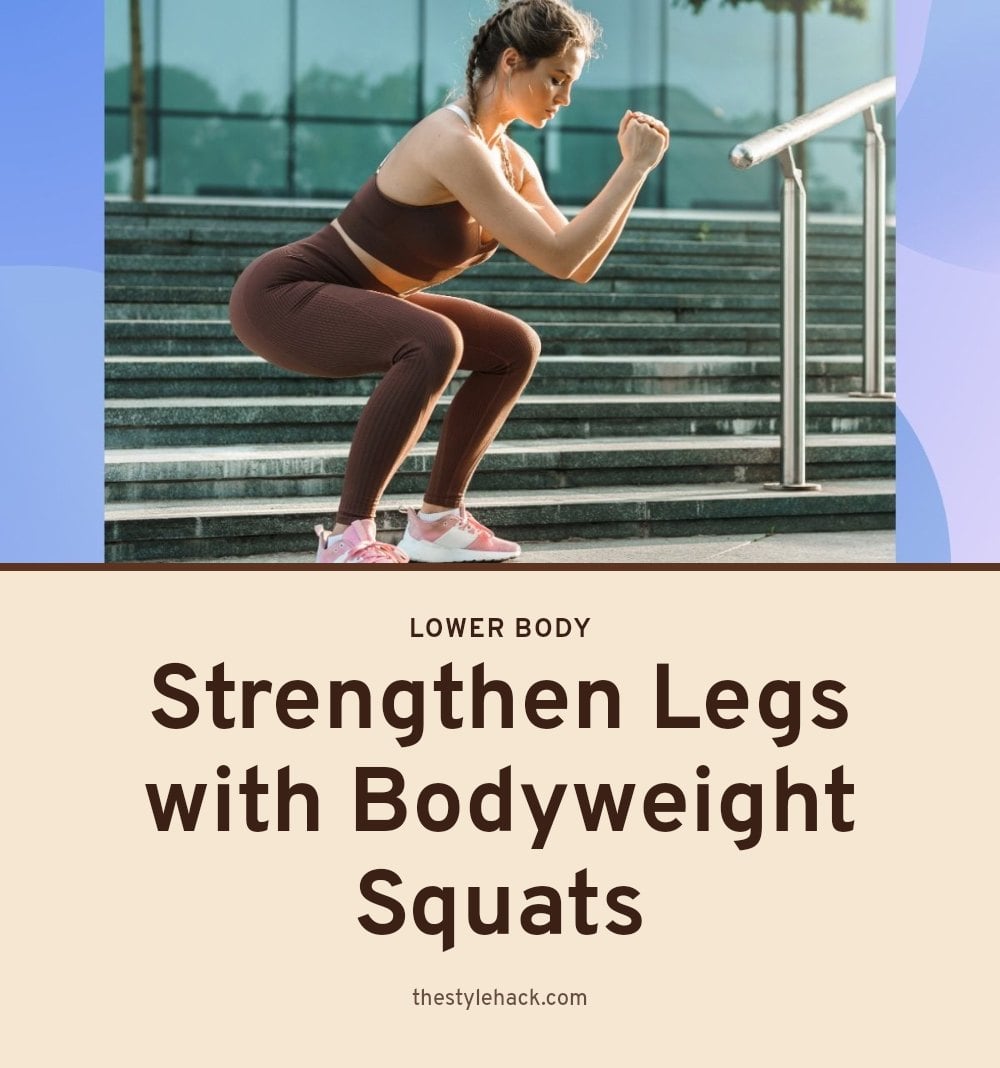
Stand with feet shoulder-width apart, toes turned slightly out. Keep your chest lifted and core engaged as you lower your hips back and down as if sitting in a chair. Make sure your knees track over your toes and do not collapse inward.
- Sets and reps: 3 sets of 10-15 repetitions
- Form cue: Keep your weight in your heels and your chest up
- Make it easier or harder: Go as deep as comfortable while maintaining good form; hold a water bottle at chest level for added resistance
4. 3. Walking Lunges
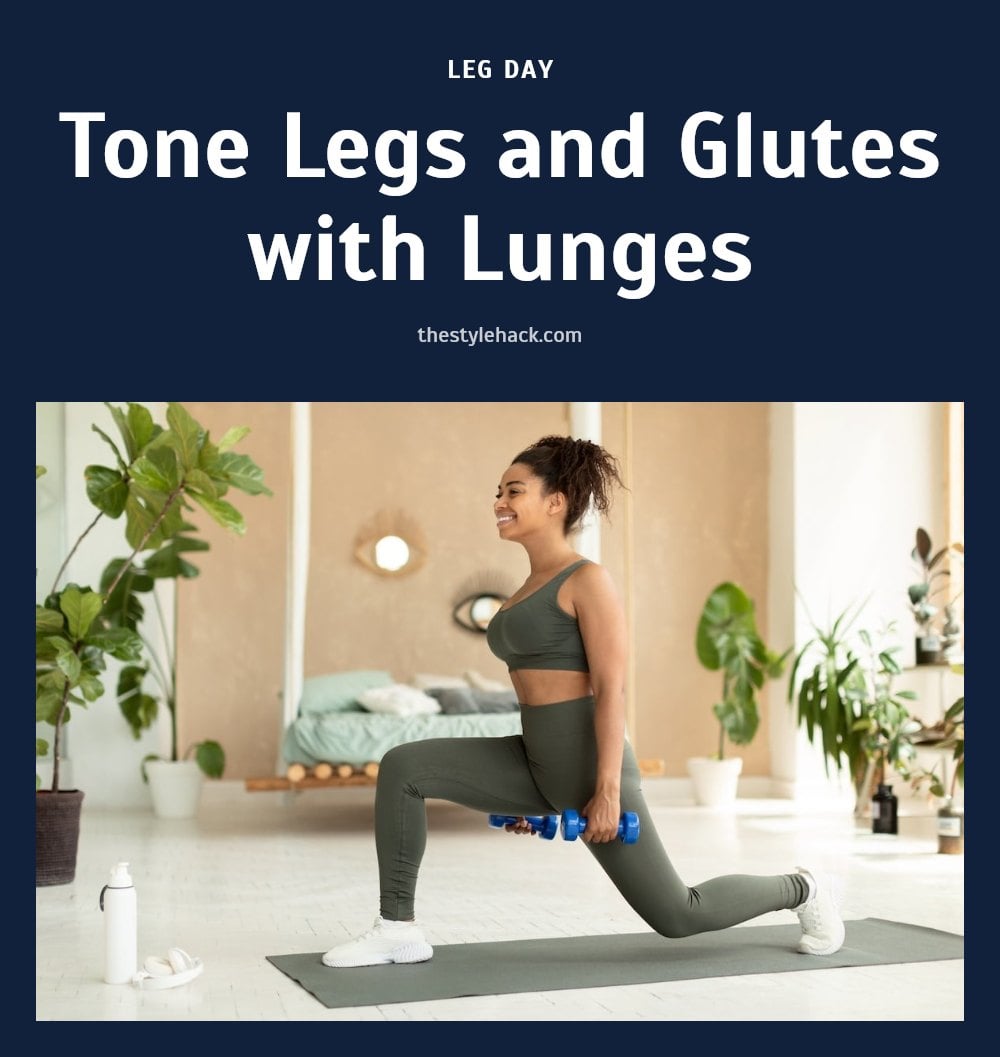
Step forward with your right leg and lower your hips until both knees bend at a 90-degree angle. Your front knee should be directly above your ankle, and your back knee should hover just above the floor. Push off your back foot to bring it forward into the next lunge, alternating legs as you move.
- Sets and reps: 3 sets of 10-12 lunges per leg
- Form cue: Keep your torso upright and your front knee aligned with your ankle
- Make it easier or harder: Shorten your step for less range of motion; hold light household items for added challenge
5. 4. Push-Ups (Modified or Full)
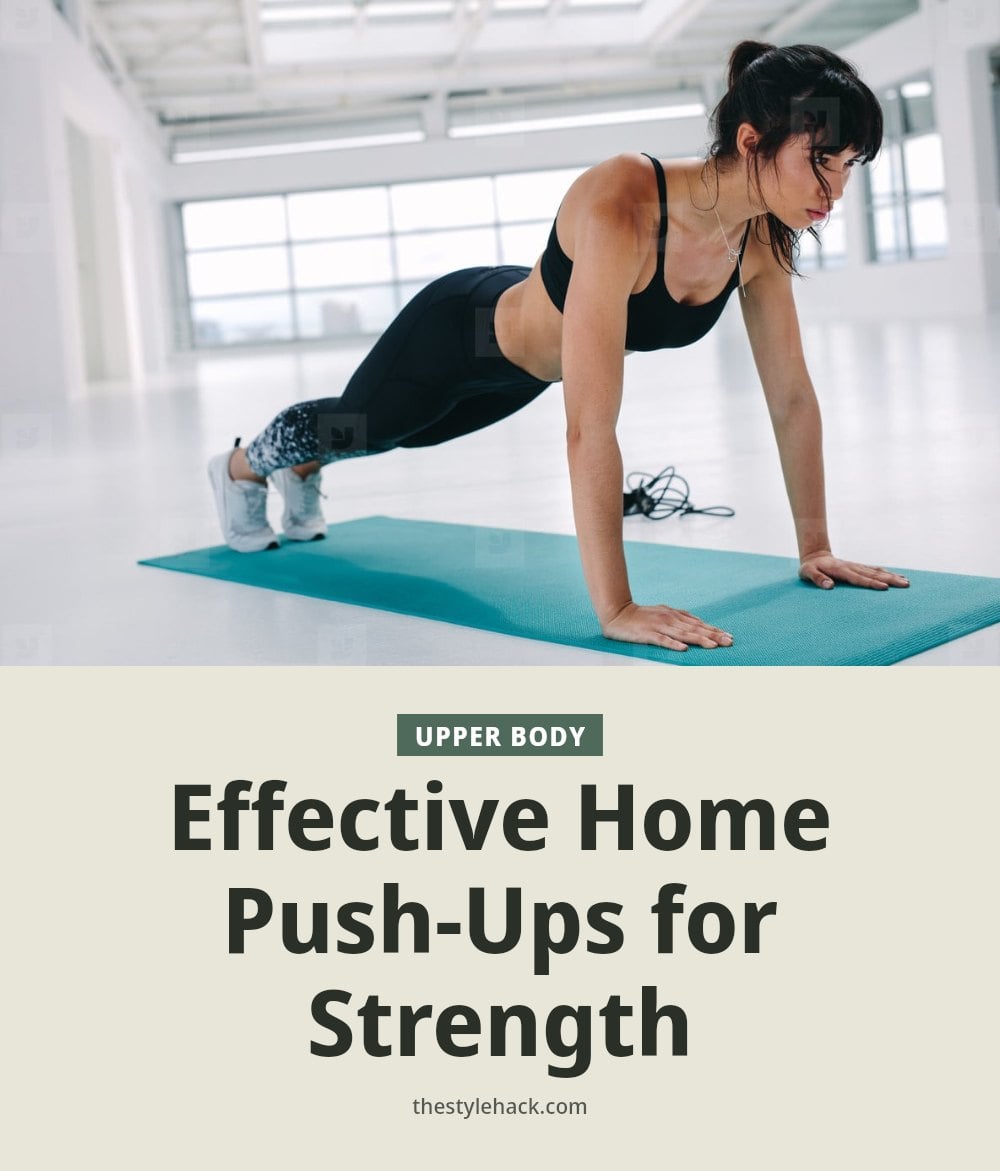
Start in a plank position with your hands slightly wider than shoulder-width apart and your body in a straight line from head to heels. Lower your chest toward the floor, keeping your elbows at a 45-degree angle to your torso, then push back up. If needed, modify by dropping to your knees while keeping the same upper-body form.
- Sets and reps: 3 sets of as many reps as you can with good form.
- Form cue: Keep your core tight throughout to prevent your hips from sagging.
- Make it easier or harder: Start on your knees, or for a challenge, elevate your feet on a low stool.
6. 5. Plank
From a push-up position, lower onto your forearms with elbows directly under your shoulders. Engage your core, glutes, and quads to hold your body in a straight line from head to heels. Breathe steadily and avoid letting your hips sag or pike up.
- Time: Hold for 30-60 seconds per set, for 3 sets.
- Form cue: Squeeze your glutes and pull your belly button toward your spine.
- Make it easier or harder: Drop to your knees for a shorter lever, or extend one leg for an extra challenge.
7. 6. Glute Bridges
Lie on your back with knees bent, feet flat on the floor hip-width apart, and arms by your sides. Squeeze your glutes and lift your hips until your body forms a straight line from shoulders to knees. Hold the top for a moment, then slowly lower back down.
- Sets and reps: 3 sets of 12-15 repetitions.
- Form cue: Push through your heels and keep your core engaged.
- Make it easier or harder: Perform single-leg bridges for more glute activation, or place your feet on a couch cushion for extra range of motion.
8. 7. High-Knees (Cardio Burst)
Stand tall and quickly alternate lifting your knees toward your chest, as if running in place. Pump your arms in sync with your legs to engage your upper body and increase your heart rate. Keep your landing light on the balls of your feet.
- Time: 30-60 seconds per set, for 3 sets with short rests between.
- Form cue: Lift your knees to hip height and keep your chest up.
- Make it easier or harder: Slow the pace for a lower intensity, or add a jump for a higher burst.
9. 8. Cool-Down: Static Hamstring Stretch
Lie on your back with both knees bent and feet flat. Extend one leg straight up, placing your hands behind your thigh or using a towel looped around your foot. Gently pull your leg toward your chest until you feel a stretch along the back of your thigh.
- Time: 20-30 seconds per leg, 2-3 sets total
- Form cue: Keep your hips level and your lower back pressed into the floor
- Make it easier: Keep the other leg bent with foot flat for stability
10. Essential Gear for Your Home Workouts
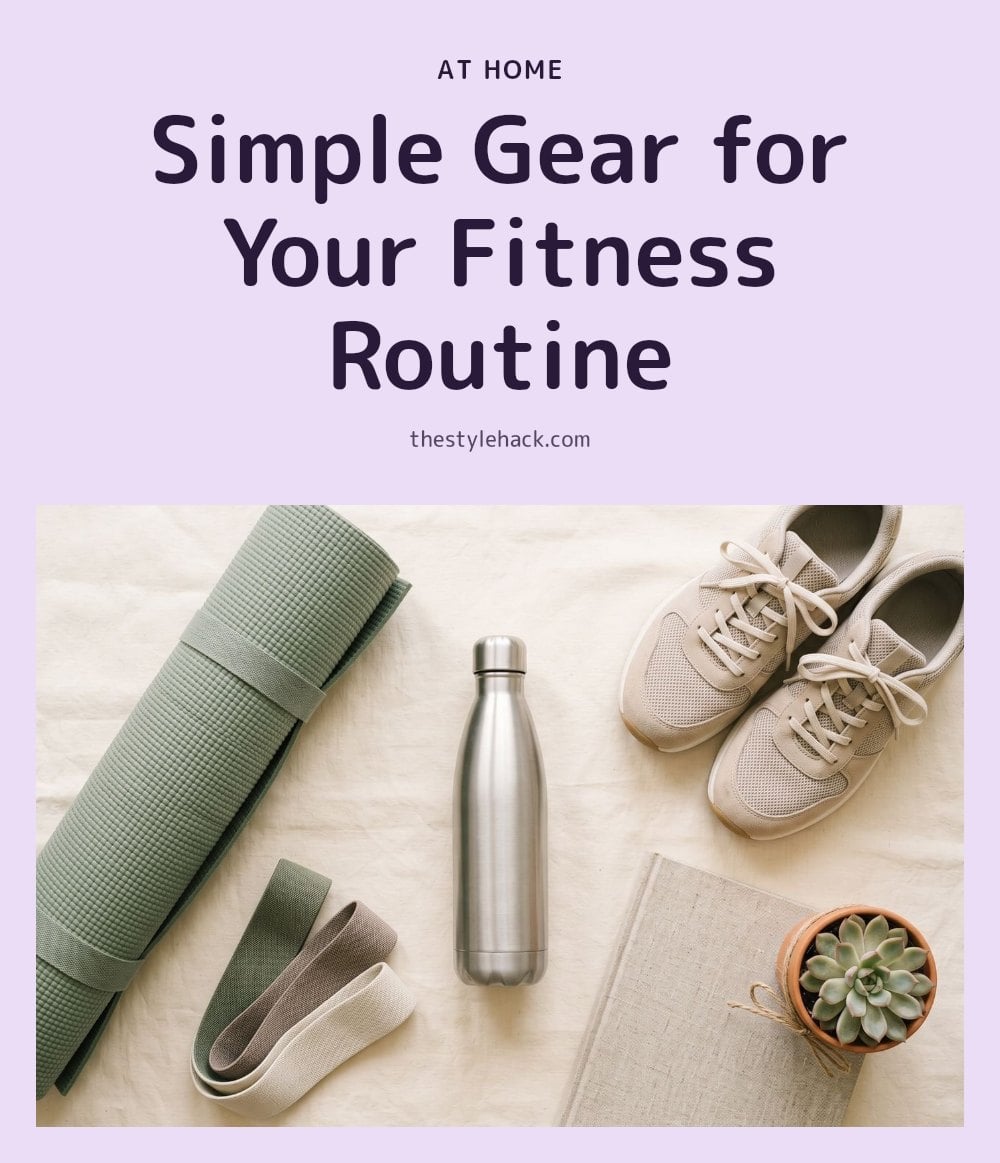
You do not need a home gym to get a great workout. Start with comfortable athletic clothing that lets you move freely through squats and lunges. Supportive athletic shoes provide stability on hard floors and help prevent slips during high-knees or lunges.
Keep a water bottle nearby to sip before, during, and after your session. A yoga or exercise mat adds cushioning for floor moves like glute bridges and planks and gives you grip so you do not slide.
My tip: If you want to add resistance, grab two full water bottles or cans from the pantry. They work well as light weights for exercises like bicep curls or lateral raises. Resistance bands are a compact upgrade when you are ready.
11. Your Weekly Home Workout Schedule
Plan for 3 to 5 workout sessions each week, and build in at least one full rest day. A simple way to structure it is to alternate full-body strength days with lighter cardio or active recovery, like a brisk walk or gentle yoga. This variety keeps your muscles guessing and reduces boredom.
| Day | Focus | Example |
|---|---|---|
| Monday | Full-body strength | Squats, lunges, push-ups, plank |
| Tuesday | Active recovery | 30-minute walk or light stretching |
| Wednesday | Full-body strength | Glute bridges, lunges, push-ups |
| Thursday | Rest | Rest or gentle mobility work |
| Friday | Cardio burst | High-knees: 30-60 sec per set, 3 sets |
| Saturday | Full-body strength | Repeat Monday’s routine |
| Sunday | Rest | Rest or easy stretching |
Tip: This is a sample, not a rule. If you feel sore or tired, swap a strength day for active recovery or take an extra rest day. Listening to your body prevents overtraining and keeps you consistent long term. Adjust intensity as you get stronger, but keep form your priority.
12. Frequently Asked Questions
13. How often should I work out at home?
Most people benefit from 3 to 5 workout sessions per week, with at least one full rest day. This schedule allows your muscles to recover and grow, reducing the risk of overtraining. If you’re just starting, begin with 3 sessions and gradually increase as your fitness improves.
14. Can I build muscle with just bodyweight exercises?
Yes, bodyweight exercises like squats, lunges, push-ups, and planks can effectively build strength, especially for beginners. As you get stronger, you can make them more challenging by adding more repetitions, slowing down the movement, or using household items like water bottles as light weights.
15. What if I don’t have a lot of space to work out?
You can still get a great workout in a small area. Clear a spot on the floor for exercises like planks and glute bridges, and use vertical space for moves like high-knees. A yoga mat can define your space and provide cushioning. Even a few square feet is enough for most bodyweight routines.
16. How long should a home workout session be?
Aim for about 20 to 30 minutes per session, including a 5-10 minute warm-up and cool-down. This is enough time to get a full-body workout without requiring a huge time commitment. Short, regular sessions are more sustainable and can be very effective.
17. Is it okay to work out every day at home?
Working out every day is not recommended, as rest days are crucial for muscle recovery and preventing overtraining. Your muscles need time to repair and grow. Instead, aim for 3 to 5 days of exercise, and on rest days, consider gentle activities like walking or stretching.
18. Final Thoughts
For a balanced home routine, aim for 3 to 5 sessions per week, mixing strength moves like squats and push-ups with cardio bursts like high-knees. Make sure to include a proper warm-up and cool-down each time, and don’t forget rest days for recovery. With consistent effort, you may start seeing changes in your strength and stamina within 4 to 8 weeks. Start where you are, use what you have, and enjoy the process.
This article provides general fitness information and is not a substitute for professional medical advice. Before starting any new exercise program, especially if you have pre-existing health conditions or are pregnant, consult with a healthcare professional. If you experience sharp pain, dizziness, or chest discomfort during exercise, stop immediately and seek medical attention.
More Blog ideas
- How to Heal Chapped Lips Overnight with Simple Steps
- Atomic Habits: 5 Lessons to Build Better Habits
- Hyaluronic Acid for Beginners
- How to Build a Gentle Skincare Routine for Sensitive Skin
- Beat Frizzy Hair: Easy Remedies for Smooth, Shiny Strands
- How to Increase Your Daily Drinking Water Intake
- Washing Hair Mistakes to Avoid and What to Do Instead
- Bleaching Hair Tips for Less Damage
- How to Make Your Body Mist Last Longer All Day
- How to Fix Your Skincare Routine
- Nervous System Regulation Tips
- Vagus Nerve Exercises for Stress Relief