Gaining Weight: How to Gain Weight Healthily with Nutrient-Dense Foods
Gaining weight: Discover how to gain weight healthily with the right foods and exercise. Learn strategies to add muscle and avoid common pitfalls.


If you are looking to gain weight in a healthy way, the key is creating a consistent calorie surplus with nutrient-dense foods, not empty calories. This guide covers the best foods and habits to help you gain weight steadily, focusing on muscle mass and overall wellness rather than just adding fat.
Whether you are underweight or recovering from a medical condition, the strategies here will help you increase your calorie intake without sacrificing nutrition. I will walk you through the top foods, how to eat more frequently, and why strength training matters for healthy weight gain.
Key Takeaways
- Aim for a calorie surplus of 300-500 calories per day for healthy weight gain.
- Include protein, healthy fats, and complex carbohydrates in every meal and snack.
- Eat 5-6 smaller meals or snacks throughout the day instead of three large ones.
- Pair your diet with strength training to ensure the weight you gain is muscle, not just fat.
- Track your intake to confirm you are consistently in a calorie surplus.
1. How to Gain Weight Healthily
To gain weight healthily, you need to consistently consume more calories than your body burns, but the source of those calories matters. Focus on nutrient-dense foods like proteins, healthy fats, and complex carbohydrates, aiming for a caloric surplus of 300-500 calories per day. Pair this with strength training so a significant portion of the weight you gain is muscle mass, not just fat. Before making major dietary changes, especially if you have underlying health conditions, consult a healthcare professional to tailor the approach to your needs.
2. 1. Whole Milk and Dairy Products
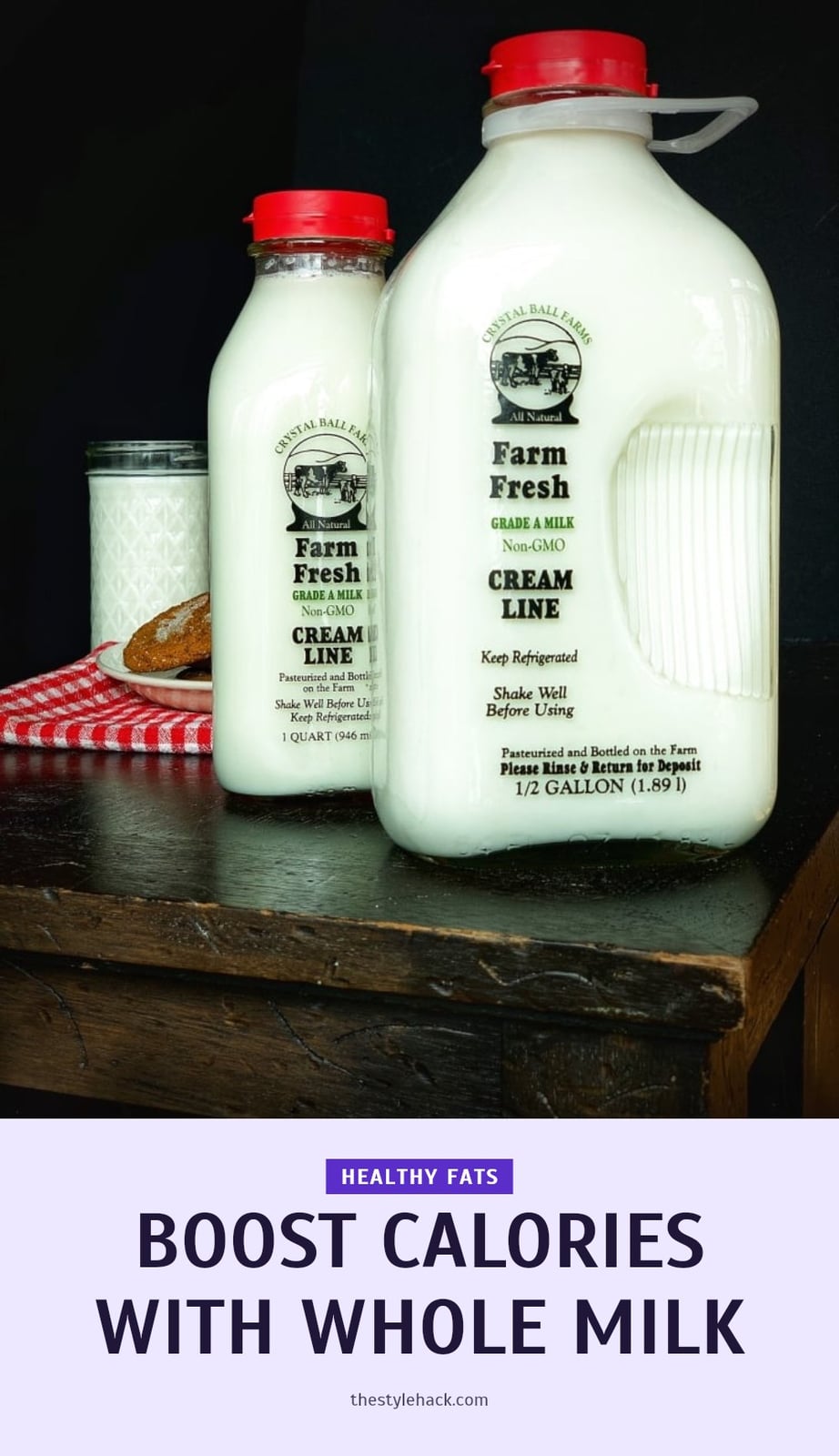
Whole milk is a convenient way to add calories, protein, and calcium to your day. It delivers both casein and whey proteins, which support muscle growth and repair. A single cup provides about 150 calories, making it an easy base for calorie-dense drinks and meals.
- Use it in smoothies: Blend with fruit and nut butter for a quick calorie boost.
- Add to oatmeal: Cook oats in whole milk instead of water for extra creaminess.
- Drink it with meals: A glass alongside breakfast or dinner adds calories without much effort.
3. 2. Nuts and Nut Butters
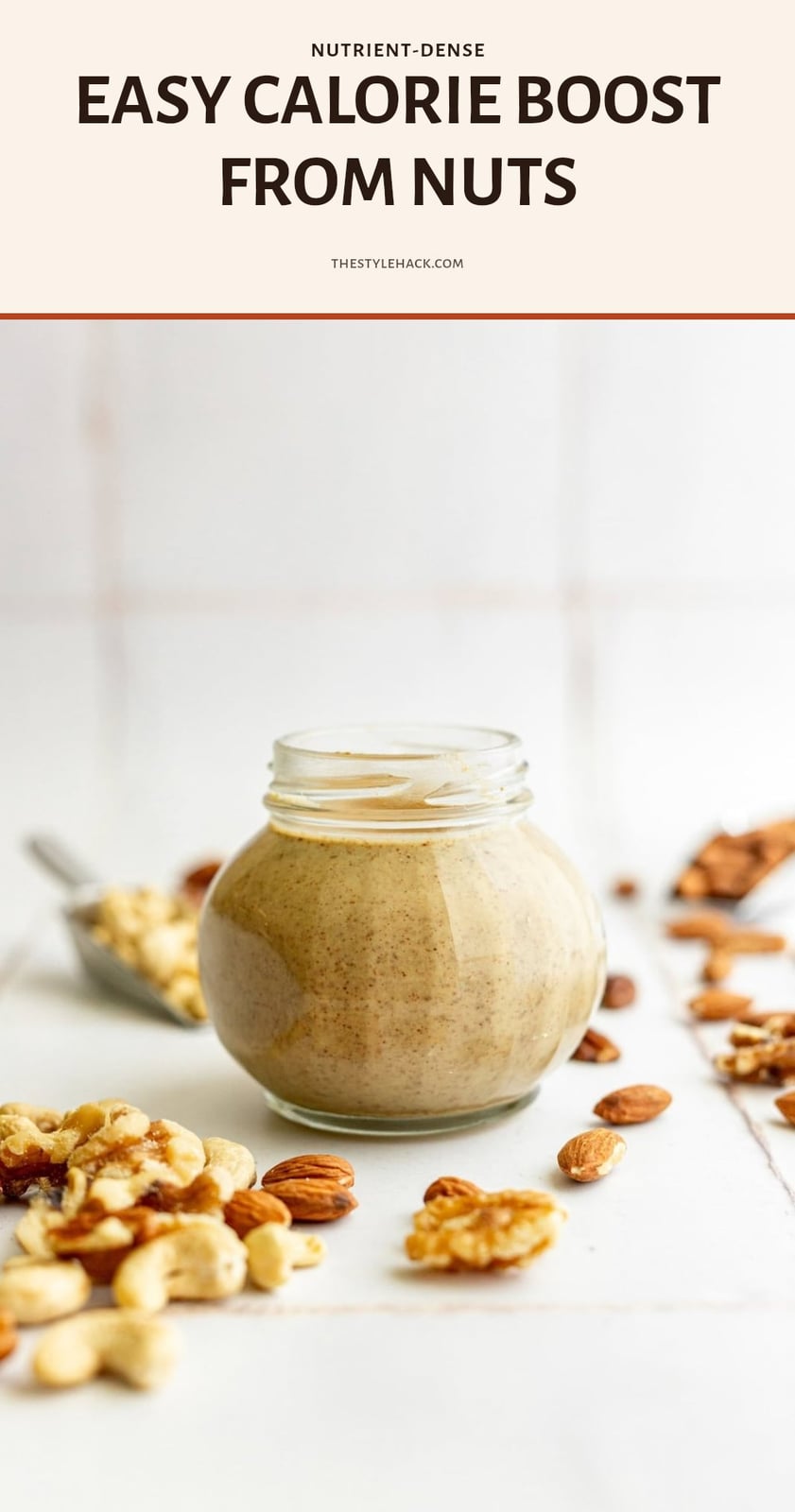
Nuts like almonds, walnuts, and cashews are calorie-dense, offering healthy fats, protein, and fiber in every handful. Nut butters, such as peanut or almond, pack concentrated calories and nutrients into a small serving, making them simple to add to almost anything.
- Spread on toast: Top whole-grain bread with a thick layer of nut butter for a satisfying snack.
- Blend into smoothies: A spoonful adds creaminess and calories without changing the flavor much.
- Snack on a handful: Keep a small portion of mixed nuts at your desk or in your bag for easy calorie boosts.
4. 3. Avocados
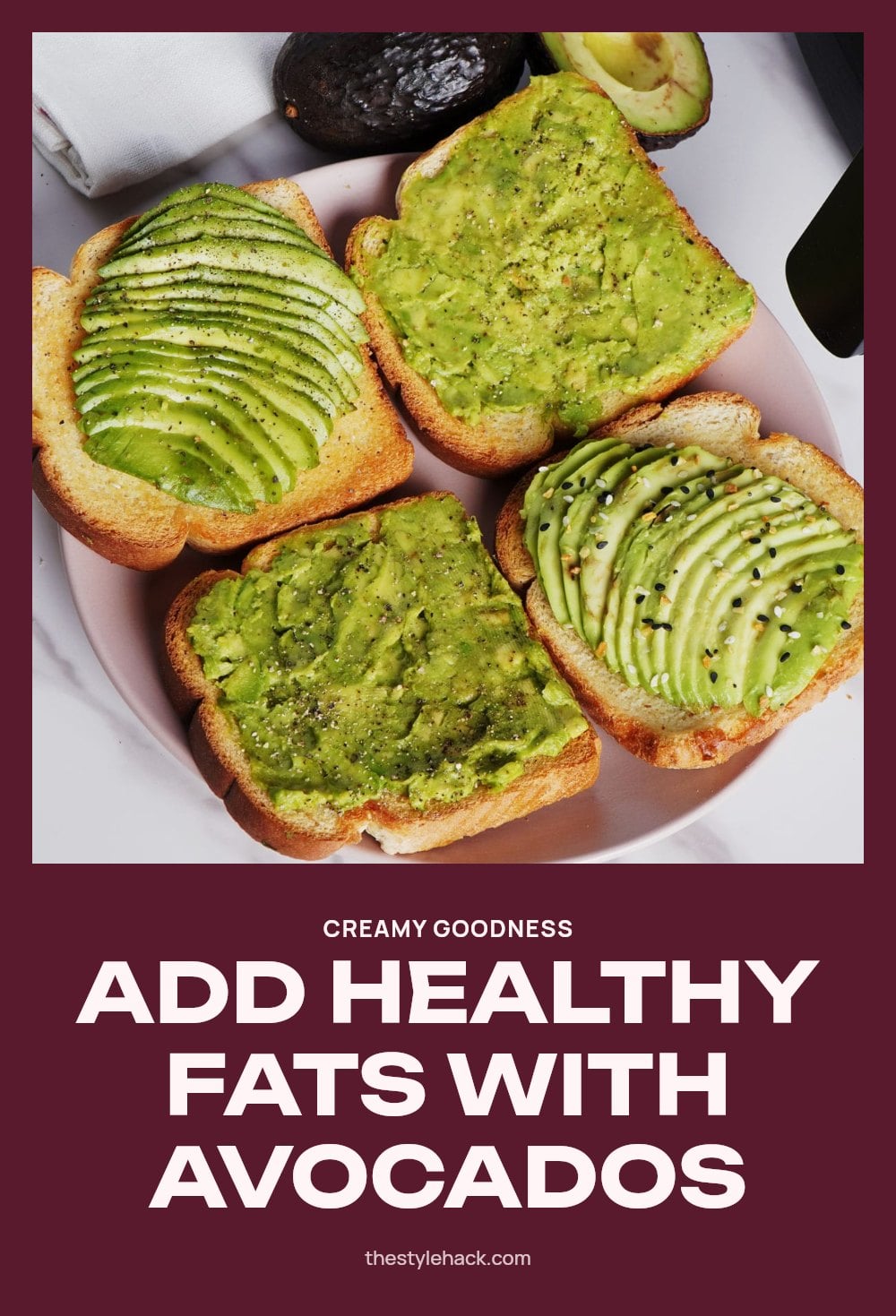
Avocados are rich in monounsaturated fats, which are calorie-dense and heart-healthy, helping you reach a caloric surplus without adding bulk. They also provide vitamins, minerals, and fiber, supporting your overall health while you gain weight. One medium avocado contains around 240 calories and 22 grams of fat, making it a smart addition to meals.
- Add to sandwiches: Sliced avocado brings creaminess and nutrients to any sandwich.
- Toss into salads: Cubed avocado boosts both flavor and calorie content.
- Blend into smoothies: It adds a silky texture and extra calories without a strong taste.
5. 4. Olive Oil and Healthy Oils
Healthy oils like olive, avocado, and coconut oil are a simple way to add concentrated calories and beneficial fats to your meals. A tablespoon of olive oil adds about 120 calories without increasing volume, making it easy to boost energy intake. My tip: Drizzle extra virgin olive oil over salads, cooked vegetables, or use it in cooking and baking for a calorie boost.
6. 5. Whole Grains
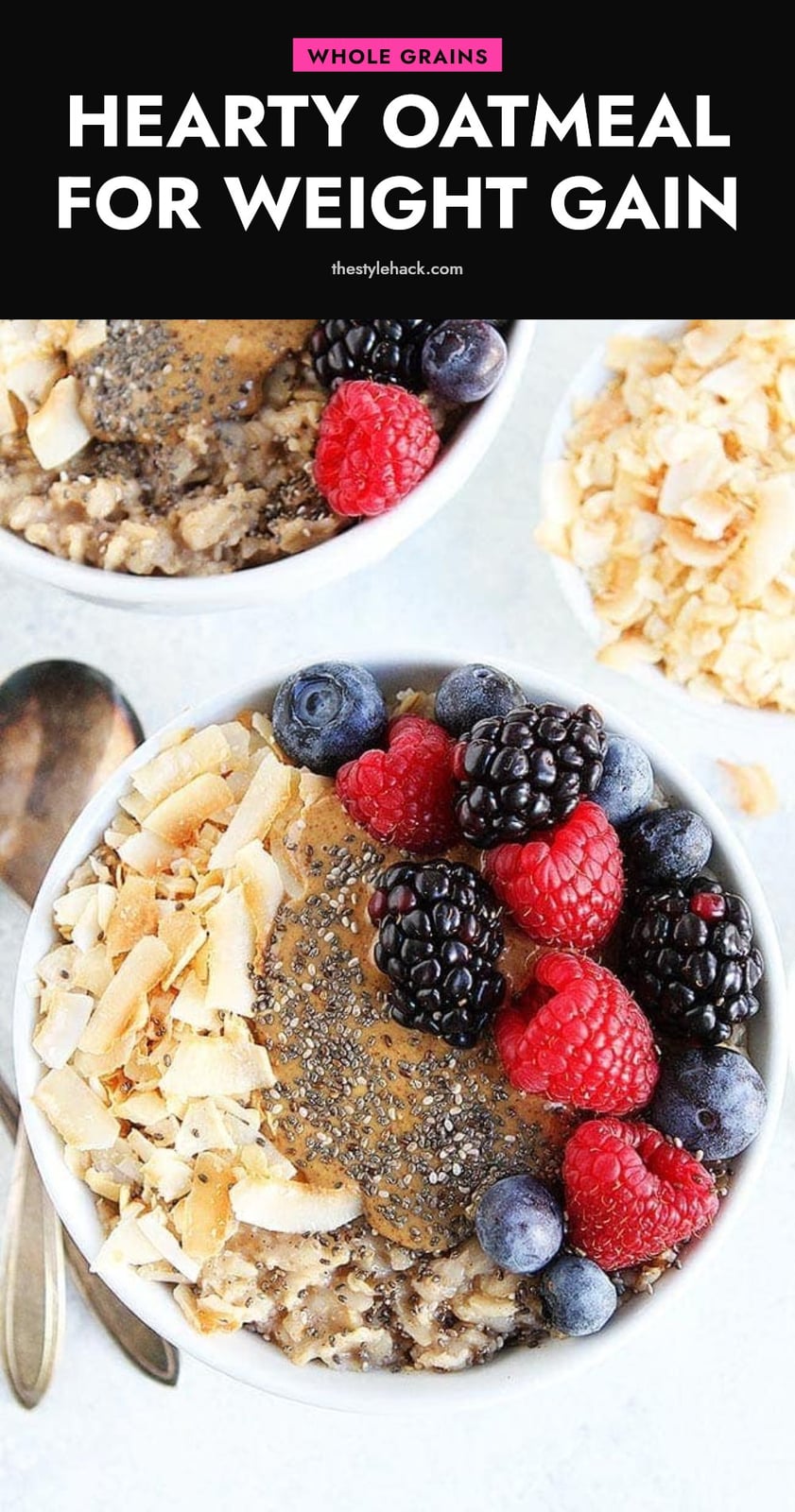
Whole grains such as oats, brown rice, quinoa, and whole-wheat bread provide complex carbohydrates that deliver sustained energy and fiber. They contribute significantly to your daily calorie count while supplying essential nutrients like B vitamins and iron. My tip: Start your day with oatmeal, choose brown rice over white, and opt for whole-grain pasta to increase your intake.
7. 6. Lean Proteins
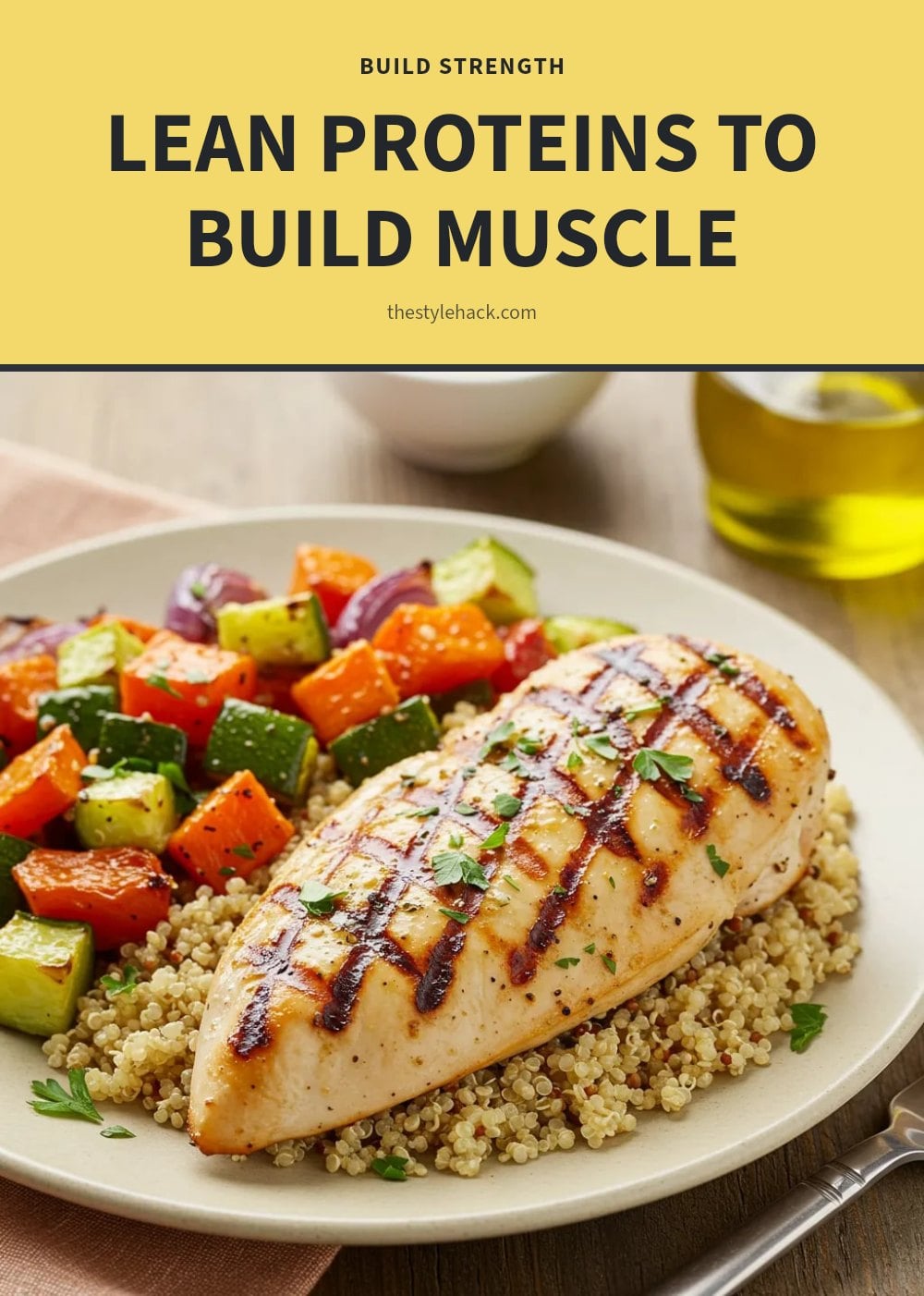
Lean protein sources like chicken breast, fish, eggs, beans, and lentils are essential for building and repairing muscle tissue. Adequate protein intake helps ensure that the weight you gain is primarily muscle mass rather than fat. Tip: Include a protein source in every meal and snack to support muscle growth and keep you satisfied.
8. 7. Starchy Vegetables
Starchy vegetables like potatoes, sweet potatoes, corn, and peas are calorie-dense and rich in complex carbohydrates and essential nutrients. Their versatility makes them easy to add to meals for an extra calorie boost without much effort. Good to know: Roast sweet potatoes, mash regular potatoes with whole milk and butter, or add corn to salads and stir-fries.
9. 8. Dried Fruits
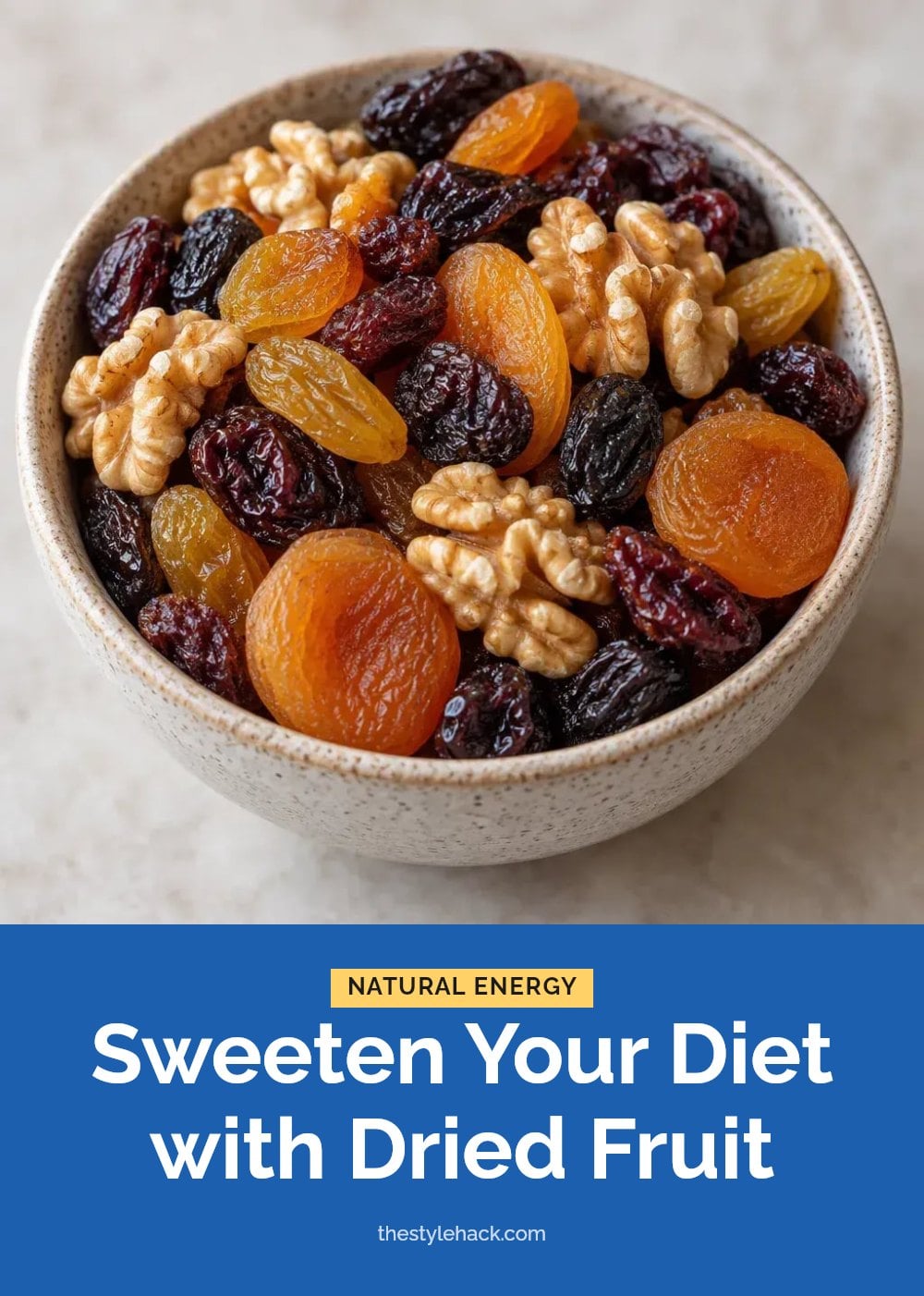
Dried fruits like raisins, dates, prunes, and apricots are concentrated sources of calories and natural sugars. Their low water content means you get more energy per bite than fresh fruit, which helps you reach a caloric surplus without eating a large volume. They are easy to snack on and can be added to various dishes for a quick calorie boost.
- Pro move: Mix dried fruits into oatmeal, yogurt, or trail mix, or eat them as a convenient snack between meals. A small handful of dates or raisins can add 100-150 calories with minimal effort.
10. 9. Smoothies and Shakes
Homemade smoothies are an excellent way to consume a large number of calories and nutrients without feeling overly full. Liquid calories digest faster than solid food, making it easier to drink a calorie-dense meal even when your appetite is low. Combine whole milk, fruits, nut butter, protein powder, and even oats for a balanced, easy-to-drink meal.
- Quick tip: Prepare a smoothie for breakfast or as a post-workout recovery drink to maximize calorie intake. Blend 1 cup whole milk, 1 banana, 2 tablespoons peanut butter, and a scoop of protein powder for roughly 500 calories.
11. 10. Strength Training
While not a food, strength training is crucial for ensuring that the weight you gain is primarily muscle mass, not just fat. It stimulates muscle protein synthesis, making your body more efficient at utilizing the extra calories for muscle growth rather than storing them as fat. Without resistance exercise, a caloric surplus can lead to disproportionate fat gain.
- Tip: Incorporate 2-3 full-body strength training sessions per week, focusing on compound exercises like squats, deadlifts, and presses. These movements work multiple muscle groups at once, maximizing the muscle-building response from your extra calories.
12. 11. Increase Portion Sizes and Meal Frequency
Gradually increasing your portion sizes at each meal is a straightforward way to consume more calories. Adding an extra scoop of rice, an extra ounce of chicken, or an extra tablespoon of olive oil can add 100-200 calories per meal without requiring a complete menu overhaul. Eating 5-6 smaller, frequent meals and snacks throughout the day can also make it easier to reach your caloric goals without feeling stuffed.
- Good to know: Don’t skip meals. Plan your snacks to be nutrient-dense and calorie-rich, like a handful of nuts or a piece of fruit with nut butter. This keeps your energy steady and your calorie intake consistent.
13. Common Mistakes When Trying to Gain Weight
Aiming for 0.5 to 1 pound per week is a sustainable pace that encourages muscle gain over fat. Trying to gain weight too quickly often leads to excess body fat and digestive discomfort.
Focusing only on calorie quantity is another common pitfall. Prioritize nutrient-dense foods like whole grains, lean proteins, and healthy fats instead of empty calories from junk food. Your body needs vitamins and minerals to function well during the gain process.
Neglecting physical activity, especially strength training, means a larger portion of the weight you gain may be fat. Resistance exercises signal your body to build muscle with those extra calories.
Not tracking food intake makes it hard to know if you are actually in a caloric surplus. A food diary or app can help you stay consistent. Underestimating your current calorie needs is also frequent; calculate your maintenance calories first, then add 300 to 500 calories for a healthy surplus.
14. Frequently Asked Questions
15. How much weight can I gain in a week?
A healthy rate of weight gain is typically 0.5 to 1 pound per week. Gaining faster than this often leads to excess fat gain and digestive discomfort. Stick to a moderate calorie surplus of 300-500 calories per day for steady, sustainable results.
16. What if I struggle to eat large meals?
If large meals are difficult, try eating 5-6 smaller meals or snacks spread throughout the day. Liquid calories like smoothies made with whole milk, fruit, and nut butter can also help you increase your intake without feeling overly full.
17. Is strength training really necessary for healthy weight gain?
Yes, strength training is important because it helps ensure that a significant portion of the weight you gain is muscle mass rather than fat. It stimulates muscle protein synthesis, making your body more efficient at using extra calories for muscle growth.
18. How long does it take to see results when gaining weight?
With consistent effort, you can expect to see noticeable results within a few weeks to months. Since healthy weight gain occurs at a rate of 0.5 to 1 pound per week, patience and consistency are key to achieving lasting changes.
19. What are the best foods to gain weight fast?
For fast, healthy weight gain, focus on calorie-dense, nutrient-rich foods like whole milk, nuts and nut butters, avocados, olive oil, whole grains, lean proteins, starchy vegetables, and dried fruits. Smoothies and shakes are also effective for adding calories quickly without making you feel overly full.
20. Final Thoughts
My recommendation is to start by adding one extra snack or a calorie-dense smoothie to your daily routine, then gradually increase portion sizes. Expect to see noticeable changes within a few weeks to months, as healthy weight gain typically happens at a pace of 0.5 to 1 pound per week. Consistency with both your eating and strength training will help you build a stronger, healthier body over time.
This article is for general informational purposes only and does not constitute medical or professional advice. If you have a medical condition, are experiencing unintentional weight loss, or are making significant dietary changes, consult a doctor or registered dietitian for personalized guidance.
More Blog ideas
- How to Heal Chapped Lips Overnight with Simple Steps
- Atomic Habits: 5 Lessons to Build Better Habits
- Hyaluronic Acid for Beginners
- How to Build a Gentle Skincare Routine for Sensitive Skin
- Beat Frizzy Hair: Easy Remedies for Smooth, Shiny Strands
- How to Increase Your Daily Drinking Water Intake
- Washing Hair Mistakes to Avoid and What to Do Instead
- Bleaching Hair Tips for Less Damage
- How to Make Your Body Mist Last Longer All Day
- How to Fix Your Skincare Routine
- Nervous System Regulation Tips
- Vagus Nerve Exercises for Stress Relief