11 Gentle Yoga Poses for Beginners to Build Flexibility and Strength
Learn 11 gentle yoga poses for beginners to safely build flexibility, strength, and balance. Enhance your well-being with these foundational movements.

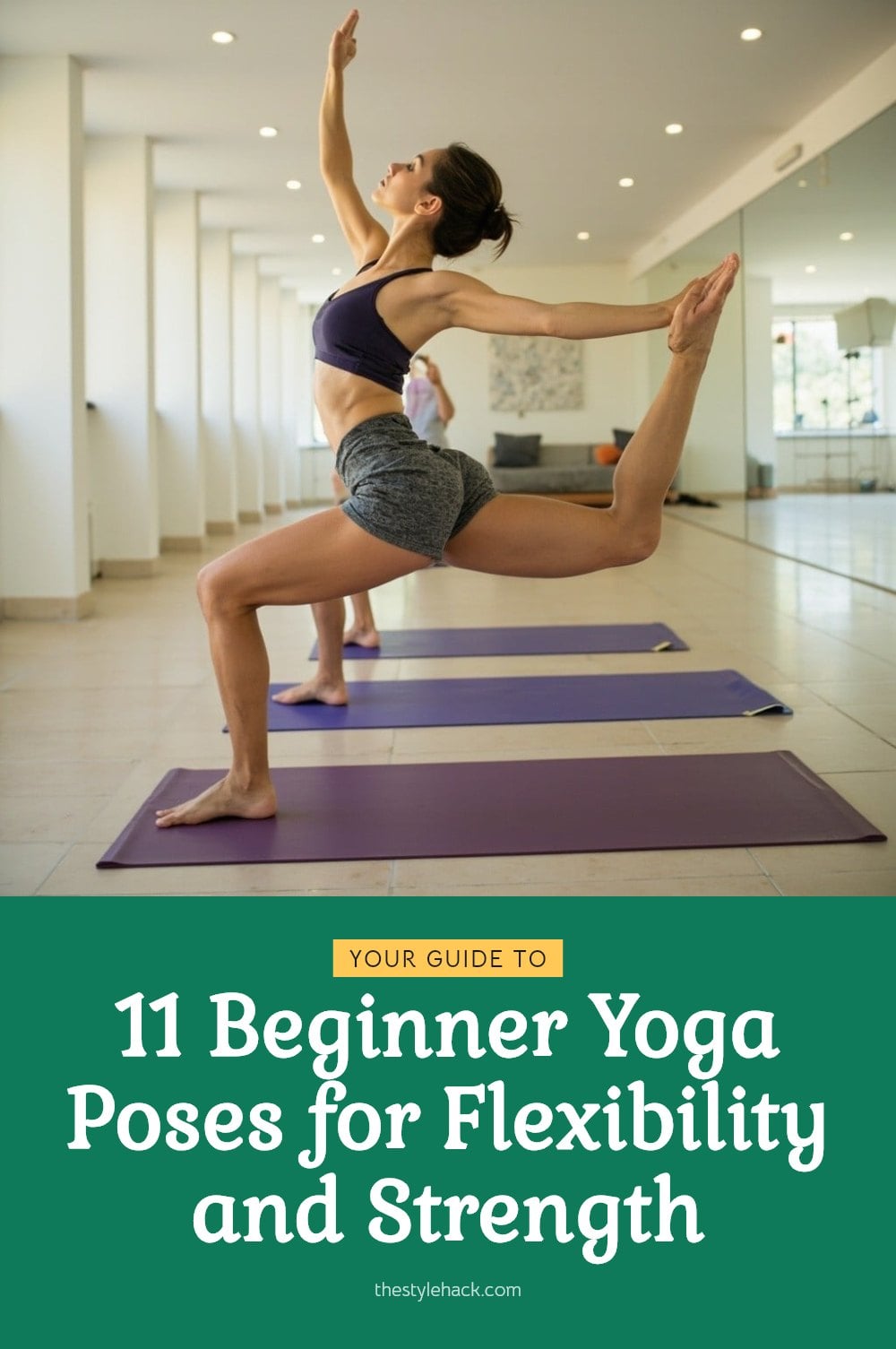
Starting yoga doesn’t mean you need to be flexible or have any experience. The beauty of beginner yoga is that it meets you right where you are, focusing on simple, gentle poses that build strength, flexibility, and balance over time. Whether you’re looking to reduce stress, improve posture, or just try something new, these foundational poses are a great place to begin.
In this article, I’ll walk you through 11 gentle yoga poses perfect for beginners, along with tips on how to practice safely, what gear you might want, and a simple weekly schedule to help you stay consistent. Let’s roll out your mat and get started.
Key Takeaways
- Start with gentle poses like Cat-Cow and Child’s Pose to warm up your spine.
- Use props such as blocks and straps to make poses more accessible.
- Focus on your breath throughout each pose to calm your mind.
- Practice 10-15 minutes a few times a week for visible progress.
- Always listen to your body and avoid pushing into sharp pain.
01. Start Your Yoga Journey with These Beginner Poses
Starting yoga doesn’t require flexibility or experience. Beginner yoga focuses on foundational poses that build strength, flexibility, and balance safely. The key is to listen to your body, use props like blocks and straps, and prioritize breath awareness. These 12 gentle poses are perfect for building a sustainable practice, whether you’re looking to reduce stress or try something new.
02. 1. Cat-Cow Pose (Marjaryasana-Bitilasana)
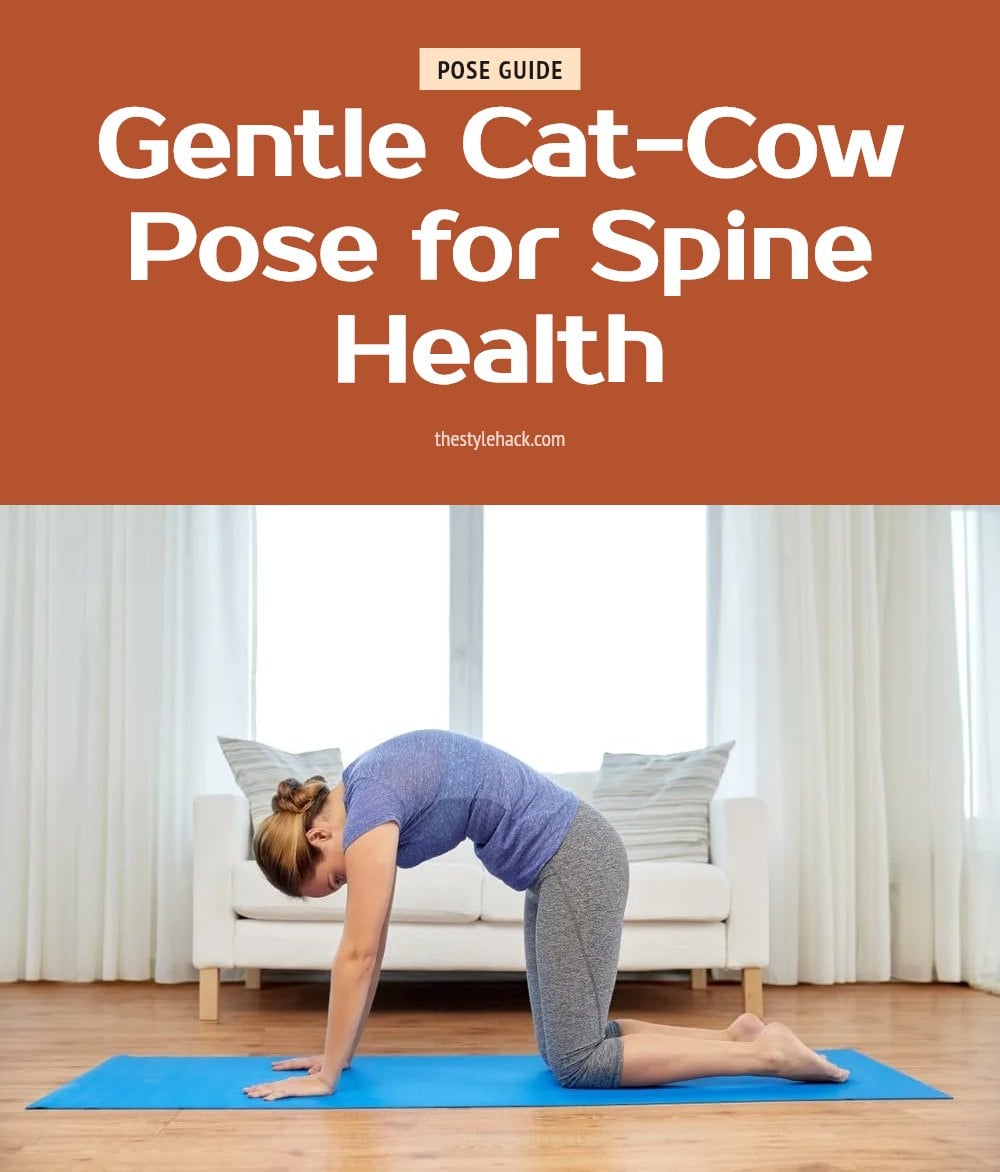
Start on all fours with your hands under your shoulders and knees under your hips. Inhale, drop your belly, and lift your chest and tailbone for Cow. Exhale, round your spine, and tuck your chin and tailbone for Cat. Flow gently between the two to warm up your spine.
- Time: 5-10 breaths
- Form cue: Move with your breath, not faster.
- Make it easier or harder: Keep your neck neutral; for more challenge, slow down each movement.
03. 2. Child’s Pose (Balasana)
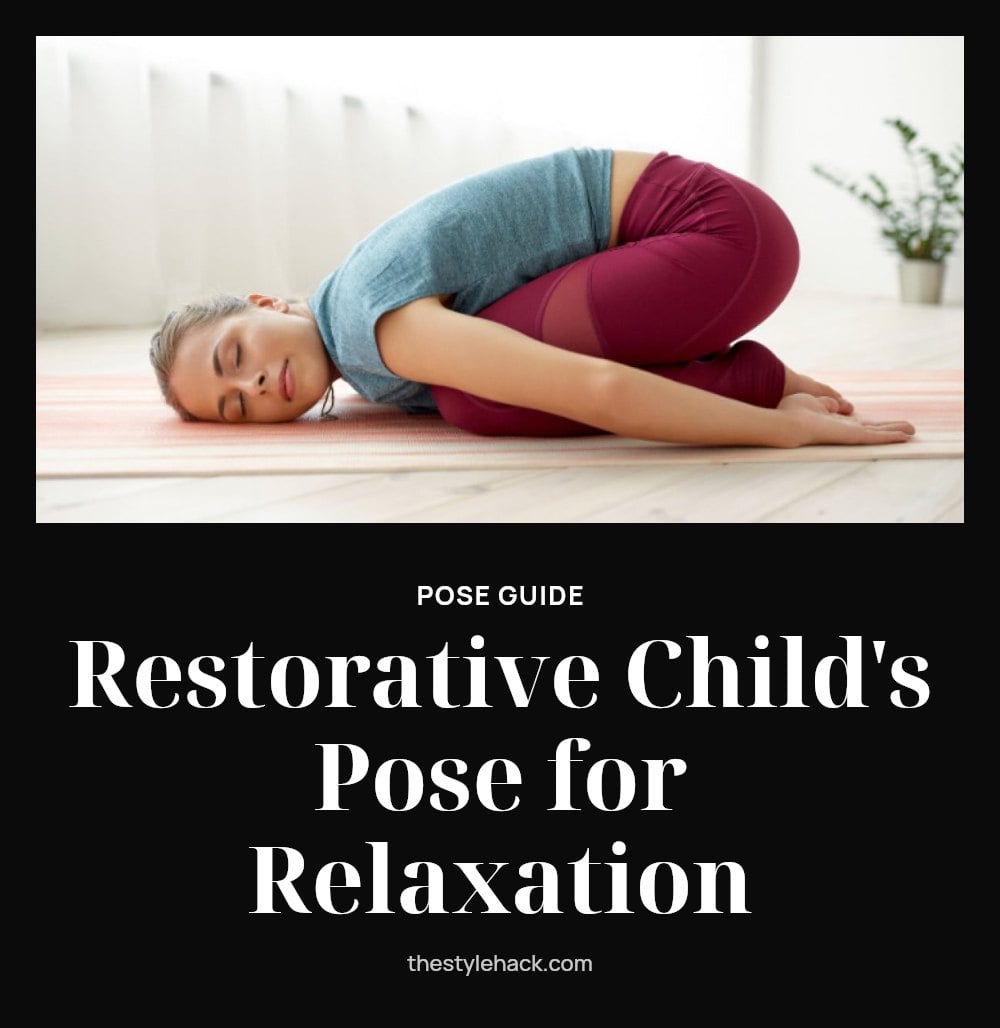
Kneel on your mat with big toes touching and knees wide or together. Fold forward, resting your torso between or on your thighs. Extend arms forward or rest them alongside your body. This resting pose gently stretches hips, thighs, and ankles, and helps calm the mind.
- Time: 30 seconds to several minutes
- Form cue: Relax your shoulders away from your ears.
- Make it easier or harder: Place a blanket under your thighs for support; for a deeper stretch, bring knees closer together.
04. 3. Mountain Pose (Tadasana)
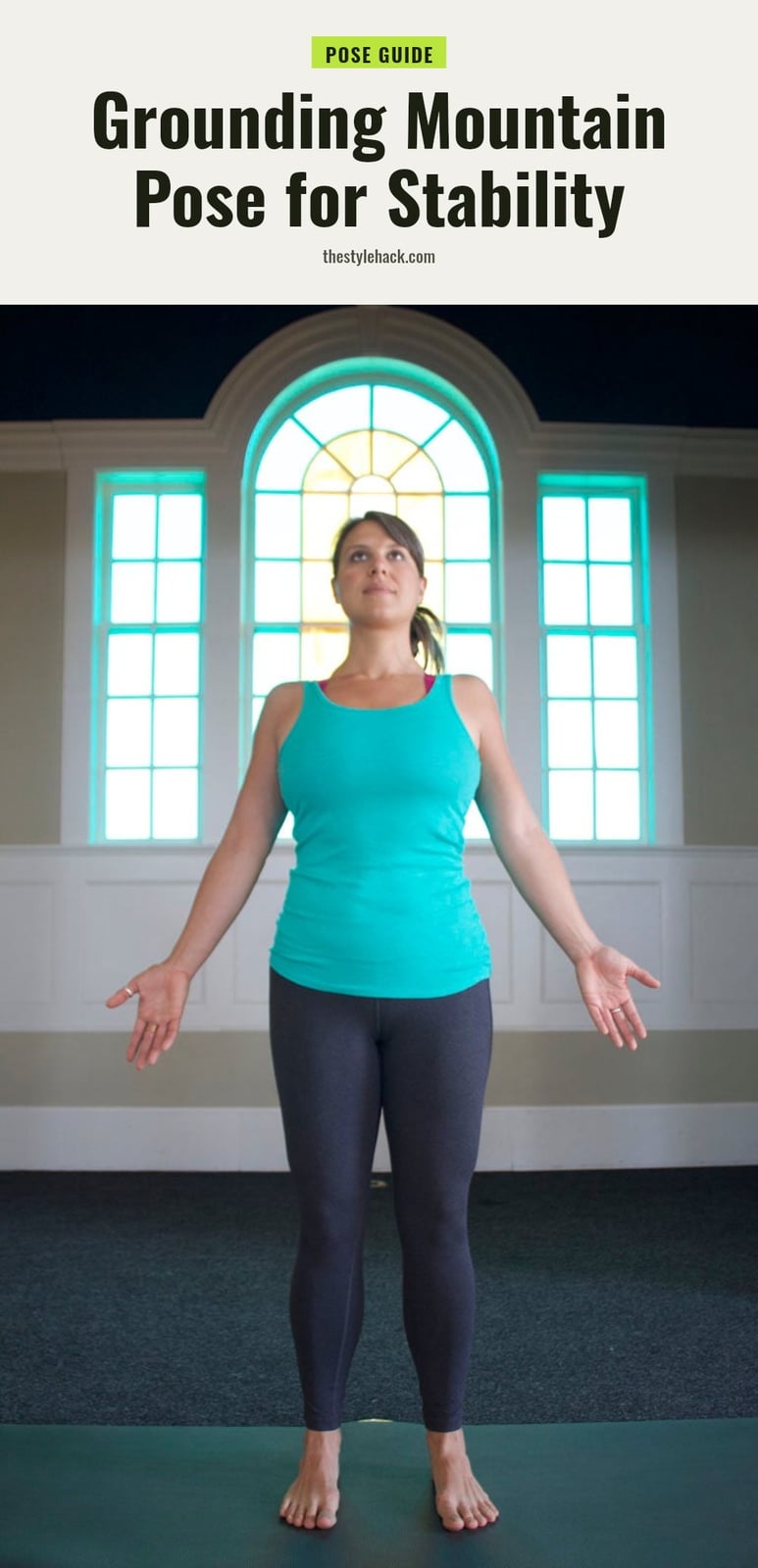
Stand tall with feet hip-width apart or together, arms by your sides. Ground through all four corners of your feet and lift through the crown of your head. Engage your thighs, gently tuck your tailbone, and broaden your collarbones. This foundational pose teaches proper alignment and balance.
- Time: 5-10 breaths
- Form cue: Keep your weight evenly distributed across your feet.
- Make it easier or harder: Practice with your back against a wall; for more challenge, close your eyes.
05. 4. Downward-Facing Dog (Adho Mukha Svanasana)
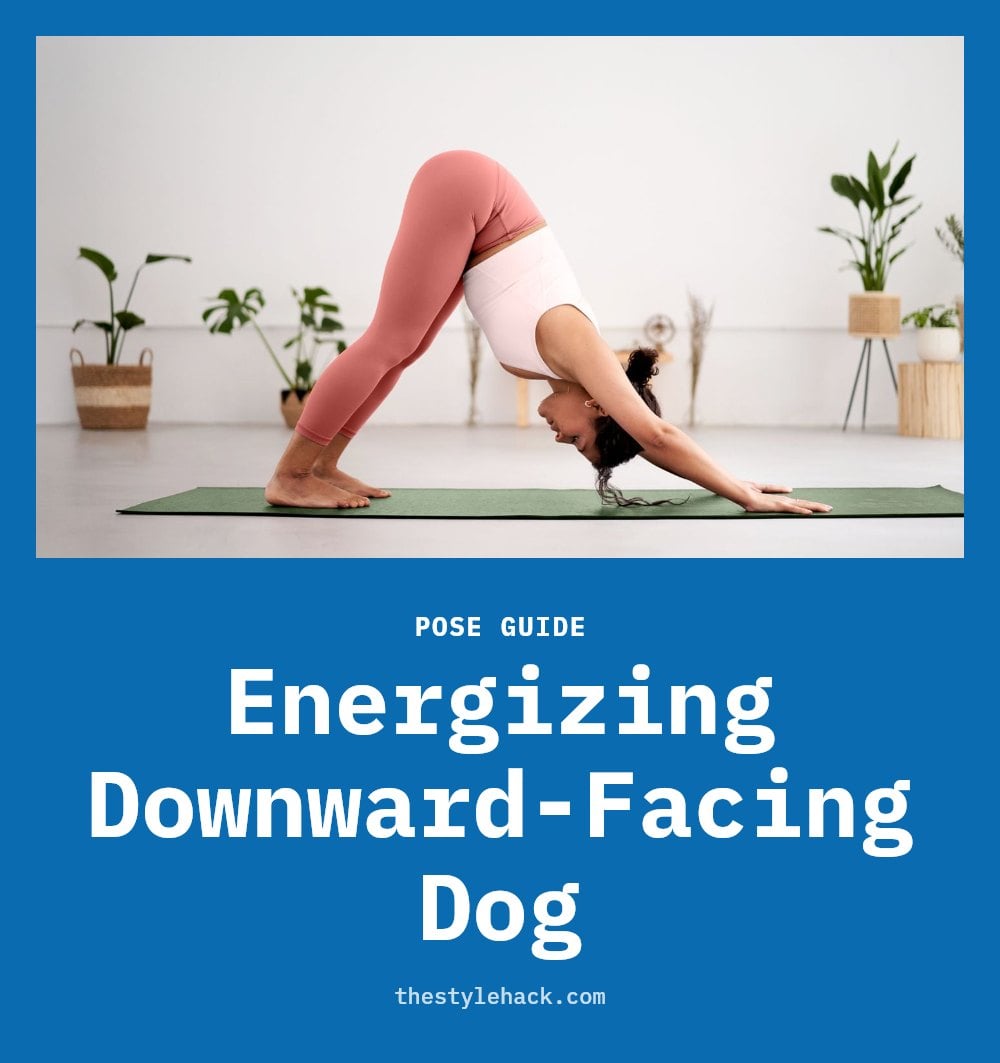
From hands and knees, lift your hips up and back to form an inverted V-shape. Spread your fingers wide and press your palms down. Let your head hang freely with your gaze toward your navel or thighs. Soften your knees if your hamstrings feel tight.
- Time: Hold for 5-10 breaths.
- Form cue: Keep your spine long by pressing your chest toward your thighs.
- Make it easier or harder: Bend your knees more to reduce hamstring stretch; straighten legs to deepen it.
06. 5. Forward Fold (Uttanasana)
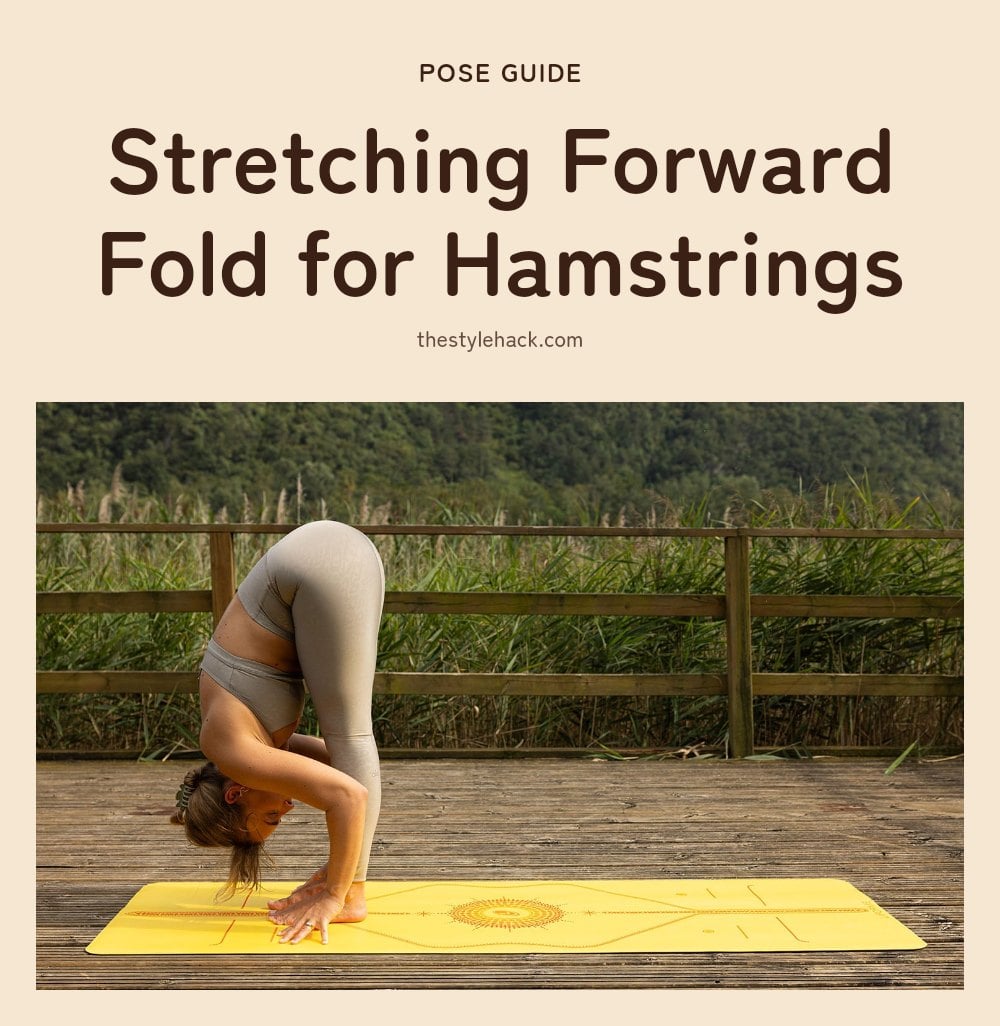
From Mountain Pose, exhale and hinge at your hips to fold your torso over your legs. Keep a slight bend in your knees, especially if your hamstrings are tight. Let your head hang heavy and rest your hands on your shins, the floor, or blocks.
- Time: Hold for 5-8 breaths.
- Form cue: Hinge at your hips, not your lower back.
- Make it easier or harder: Use blocks under your hands; straighten your legs more for a deeper stretch.
07. 6. Cobra Pose (Bhujangasana)
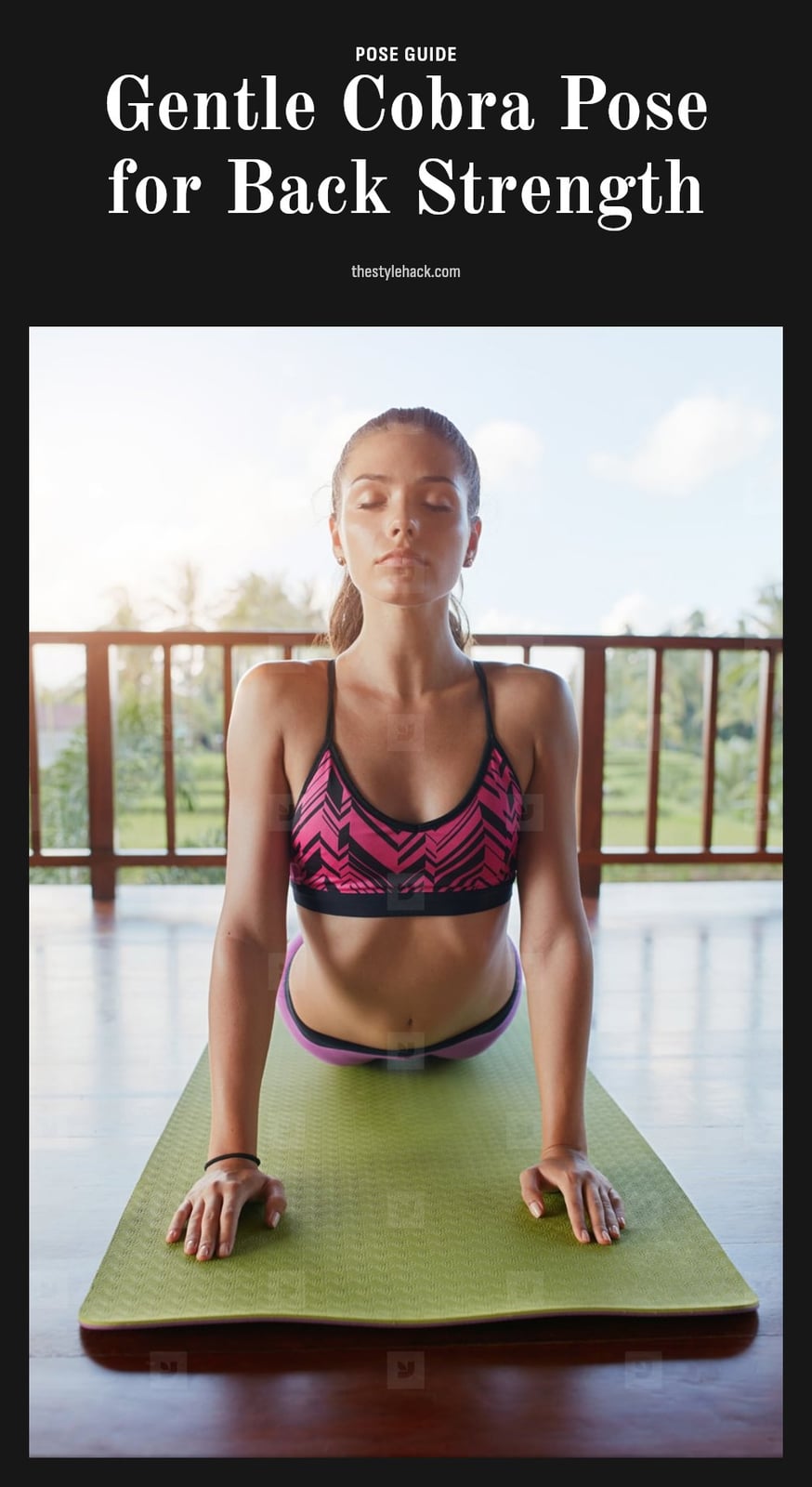
Lie on your stomach with your hands under your shoulders and elbows tucked in. Press the tops of your feet and thighs into the mat. Inhale and gently lift your head and chest, keeping your neck long and shoulders down.
- Time: Hold for 3-5 breaths.
- Form cue: Keep your elbows close to your ribs and your lower ribs on the mat.
- Make it easier or harder: Lower your chest halfway; press up into a full backbend with straight arms.
08. 7. Bridge Pose (Setu Bandhasana)
Lie on your back with knees bent, feet flat on the floor hip-width apart, and heels close to your glutes. Press into your feet and lift your hips toward the ceiling. Clasp your hands underneath your back or keep your arms alongside your body.
- Time: Hold for 5-8 breaths.
- Form cue: Keep your knees aligned over your ankles and thighs parallel.
- Make it easier or harder: Place a block under your sacrum for support; lift one leg toward the ceiling for a single-leg bridge.
09. 8. Warrior II (Virabhadrasana II)
Step your feet wide apart, turn your right foot out 90 degrees, and point your left foot slightly in. Bend your right knee so it stacks over your ankle, keeping it aligned with your middle toe. Extend your arms out to the sides at shoulder height and gaze over your right fingertips.
- Time: Hold for 5-8 breaths.
- Form cue: Keep your front knee tracking over your ankle, not caving inward.
- Make it easier or harder: Shorten your stance for less strain, or deepen the bend for more challenge.
10. 9. Tree Pose (Vrksasana)
Stand in Mountain Pose and shift your weight onto one foot. Place the sole of the other foot on your inner ankle, calf, or thigh, avoiding the knee joint. Bring your hands to heart center or extend them overhead.
- Time: Hold for 5-10 breaths per side.
- Form cue: Press your standing foot into the mat and keep your gaze on a fixed point.
- Make it easier or harder: Keep toes on the floor for balance, or close your eyes once steady.
11. 10. Reclined Spinal Twist (Supta Matsyendrasana)
Lie on your back and hug your knees into your chest. Extend your arms out to a T shape, then drop both knees to one side. Keep both shoulders grounded and turn your gaze toward the opposite side.
- Time: Hold for 5-10 breaths per side.
- Form cue: Keep your shoulder blades pressing down so your upper body stays still.
- Make it easier or harder: Place a blanket under your knees, or extend the bottom leg for a deeper stretch.
12. 11. Corpse Pose (Savasana)
Lie flat on your back with your arms by your sides, palms facing up, and let your feet fall open. Close your eyes and consciously release any tension, starting from your face and moving down to your toes. Focus on your natural breath and let your body sink into the mat.
- Time: Stay for 5-10 minutes.
- Form cue: Soften your jaw, relax your shoulders, and unclench your hands.
- Make it easier or harder: Place a rolled blanket under your knees for lower back support, or cover yourself with a light blanket for warmth.
13. Essential Gear for Your Beginner Yoga Practice
You don’t need much to start, but a few basics make a real difference. A yoga mat gives you cushioning and grip, so your hands and feet stay put in poses like Downward-Facing Dog. If you’re just beginning, a standard 1/8-inch mat works well.
Yoga blocks: These foam or cork bricks bring the floor closer to you. Place them under your hands in Forward Fold or under your seat in seated stretches. They make poses accessible when your flexibility is still building.
Yoga strap: A simple strap extends your reach. Use it to hold your legs in Reclined Spinal Twist or to ease into hamstring stretches without straining.
Blanket or towel: Fold one under your knees in Child’s Pose or under your hips in Bridge Pose. Extra padding protects sensitive joints.
My tip: Start with just a mat and a blanket. Add blocks and a strap as you explore which poses feel tight.
14. A Sample Weekly Yoga Schedule for Beginners
Consistency beats intensity. Even 10 to 15 minutes a few times a week builds strength and flexibility over time. This schedule balances active poses with rest days, so your body adapts without burning out.
| Day | Focus | Suggested Poses |
|---|---|---|
| Monday | Spine warm-up | Cat-Cow, Child’s Pose, Downward-Facing Dog |
| Wednesday | Standing strength | Mountain Pose, Warrior II, Tree Pose |
| Friday | Hip openers | Forward Fold, Bridge Pose, Reclined Spinal Twist |
| Sunday | Full body flow | All 12 poses in sequence |
Listen to your body and adjust the intensity as needed. If a day feels too easy, hold poses longer. If it feels hard, shorten your holds or skip a pose. End every session with Corpse Pose for at least 5 minutes to integrate the practice.
15. Frequently Asked Questions
16. How often should a beginner practice yoga?
For beginners, practicing 2 to 3 times a week is a great starting point. This allows your body to adapt while still building a habit. Even 10 to 15 minutes per session can be effective. As you get more comfortable, you can gradually increase frequency or duration.
17. What are the benefits of practicing yoga regularly?
Regular yoga practice can improve flexibility, strength, and balance. It also promotes relaxation and can help reduce stress. Many people find it enhances their overall sense of well-being. The key is to practice consistently and listen to your body.
18. Can yoga help with stress relief?
Yes, yoga is known for its stress-relieving benefits. Poses like Child’s Pose and Corpse Pose, along with focused breathing, activate the relaxation response. This can help calm your mind and reduce tension. Many people feel more at ease after a yoga session.
19. Is it normal to feel sore after yoga?
Mild muscle soreness after yoga is normal, especially when you’re new to it. This is your body adapting to new movements. However, if you feel sharp pain or discomfort, it’s a sign to ease off. Gentle stretching and rest can help. If soreness persists, consider consulting a professional.
20. What is the best time of day to practice yoga?
The best time is whenever you can be consistent. Some people enjoy morning yoga to energize their day, while others prefer evening sessions to unwind. Listen to your body and choose a time that fits your schedule. The goal is to make yoga a regular part of your routine.
21. Final Thoughts
As you begin your yoga journey, remember that consistency matters more than intensity. Aim to practice a few times a week, even if it’s just for 10 to 15 minutes. You’ll likely notice improvements in flexibility and strength within a few weeks to months. Start with the poses that feel most comfortable, and don’t hesitate to use props or modify as needed.
Most importantly, enjoy the process and be kind to yourself. Yoga is a personal practice, and there’s no rush to master everything at once. Listen to your body, breathe, and let each session bring you a little closer to balance and calm.
This article is for general informational purposes only and is not a substitute for professional medical advice. Always consult your doctor before starting a new exercise program, especially if you have health conditions or injuries. If you experience sharp pain, dizziness, or nausea during practice, stop immediately. For personalized guidance, seek a qualified yoga instructor.
More Blog ideas
- How to Heal Chapped Lips Overnight with Simple Steps
- Atomic Habits: 5 Lessons to Build Better Habits
- Hyaluronic Acid for Beginners
- How to Build a Gentle Skincare Routine for Sensitive Skin
- Beat Frizzy Hair: Easy Remedies for Smooth, Shiny Strands
- How to Increase Your Daily Drinking Water Intake
- Washing Hair Mistakes to Avoid and What to Do Instead
- Bleaching Hair Tips for Less Damage
- How to Make Your Body Mist Last Longer All Day
- How to Fix Your Skincare Routine
- Nervous System Regulation Tips
- Vagus Nerve Exercises for Stress Relief