Glycerin for Skin and Hair: Benefits and How to Use It
Discover what glycerin is, its amazing benefits for your skin and hair, and how to safely incorporate this hydrating ingredient into your beauty routine.

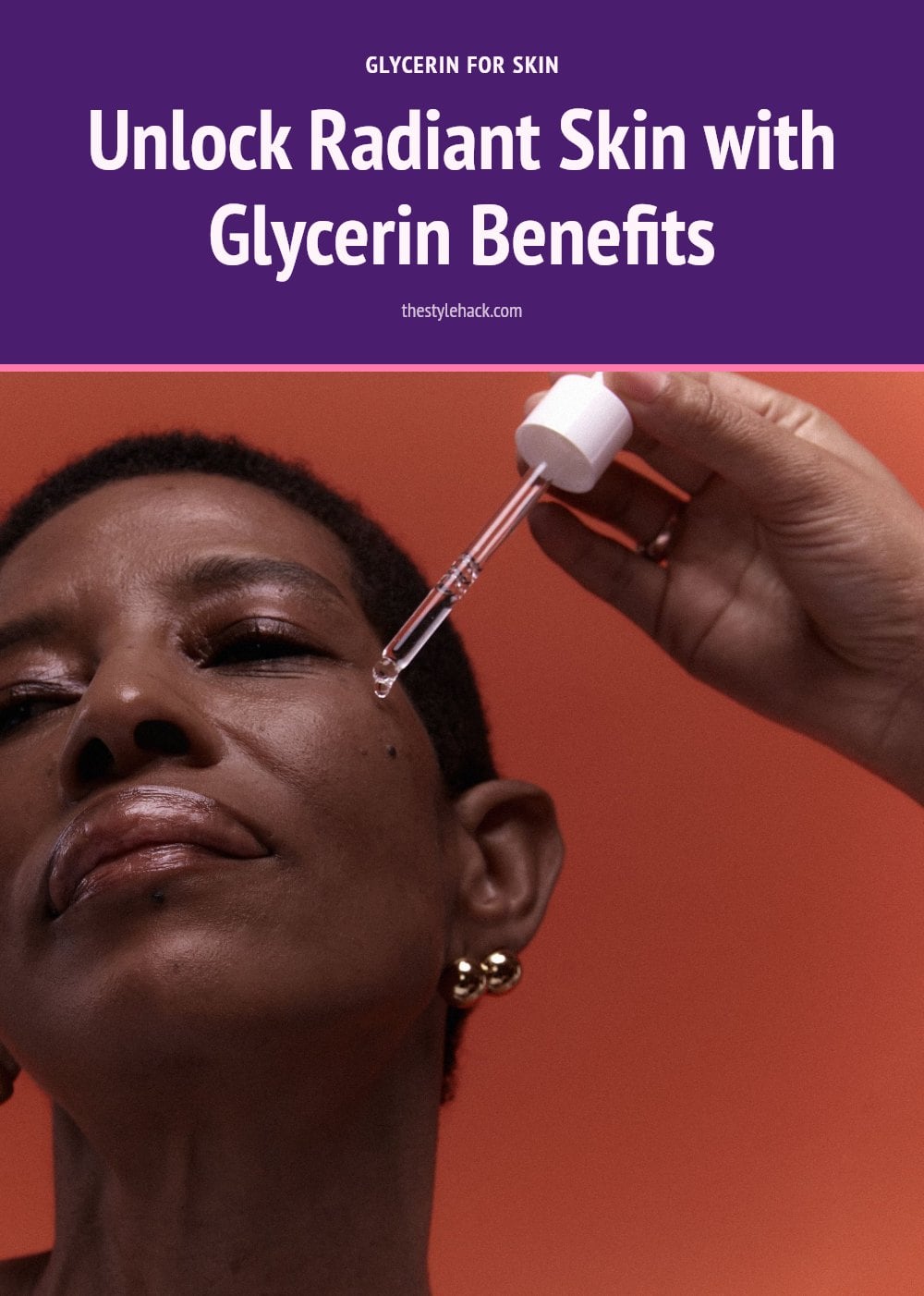
If your skin or hair feels dry and lackluster, you might be missing a key hydrating ingredient. Glycerin is a humectant that pulls moisture from the air and deeper layers of your skin to keep the surface plump and soft. This article covers what glycerin is, its benefits for skin and hair, and the best ways to add it to your routine.
Key Takeaways
- Glycerin is a humectant that attracts moisture from the air and deeper skin layers to the surface.
- Always dilute pure glycerin with water or a carrier oil before applying it directly to skin or hair.
- In low-humidity environments, seal glycerin with an occlusive moisturizer to prevent moisture loss.
- Glycerin is generally non-comedogenic, so it is unlikely to clog pores for most people.
- Combine glycerin with ceramides or hyaluronic acid for enhanced, longer-lasting hydration.
1. What is Glycerin and How Does it Work?
Glycerin, also known as glycerol, is a humectant, meaning it draws moisture from the air and deeper skin layers into the outer layer of your skin and hair. It’s a colorless, odorless, sweet-tasting liquid that can be derived from plant oils, animal fats, or produced synthetically. You’ll find it listed as ‘glycerol’ or ‘glycerine’ in many skincare and haircare products, from moisturizers to shampoos, where it helps keep your skin and hair hydrated.
2. Why Glycerin is a Skincare and Haircare Hero

3. Why Glycerin is a Skincare and Haircare Hero
Glycerin is a multitasker. It pulls water from the air and from deeper skin layers into the surface, giving you immediate hydration. This moisture boost also strengthens your skin’s moisture barrier, helping it fend off environmental stressors like wind and pollution. Plus, it has emollient properties, so it softens and smooths rough patches, leaving your skin feeling comfortable.
In hair, glycerin works similarly. It hydrates the hair shaft, which reduces frizz and improves elasticity, so your strands are less prone to breakage. Whether you’re dealing with dry skin or thirsty hair, glycerin is a reliable ingredient to look for.
4. Essential Products for Using Glycerin Effectively

You don’t need a cabinet full of fancy products to get glycerin’s benefits. Here’s what you might want to have on hand:
- Moisturizers and serums: Look for these with glycerin in the ingredient list for daily hydration.
- Conditioners and shampoos: Glycerin in hair products helps with moisture and frizz control.
- Pure vegetable glycerin: For DIY mixes, this is the base you’ll dilute.
- Water: Needed to dilute pure glycerin before applying to skin or hair.
- Carrier oils: Jojoba or almond oil work well as an alternative diluent for pure glycerin.
5. How to Incorporate Glycerin into Your Routine
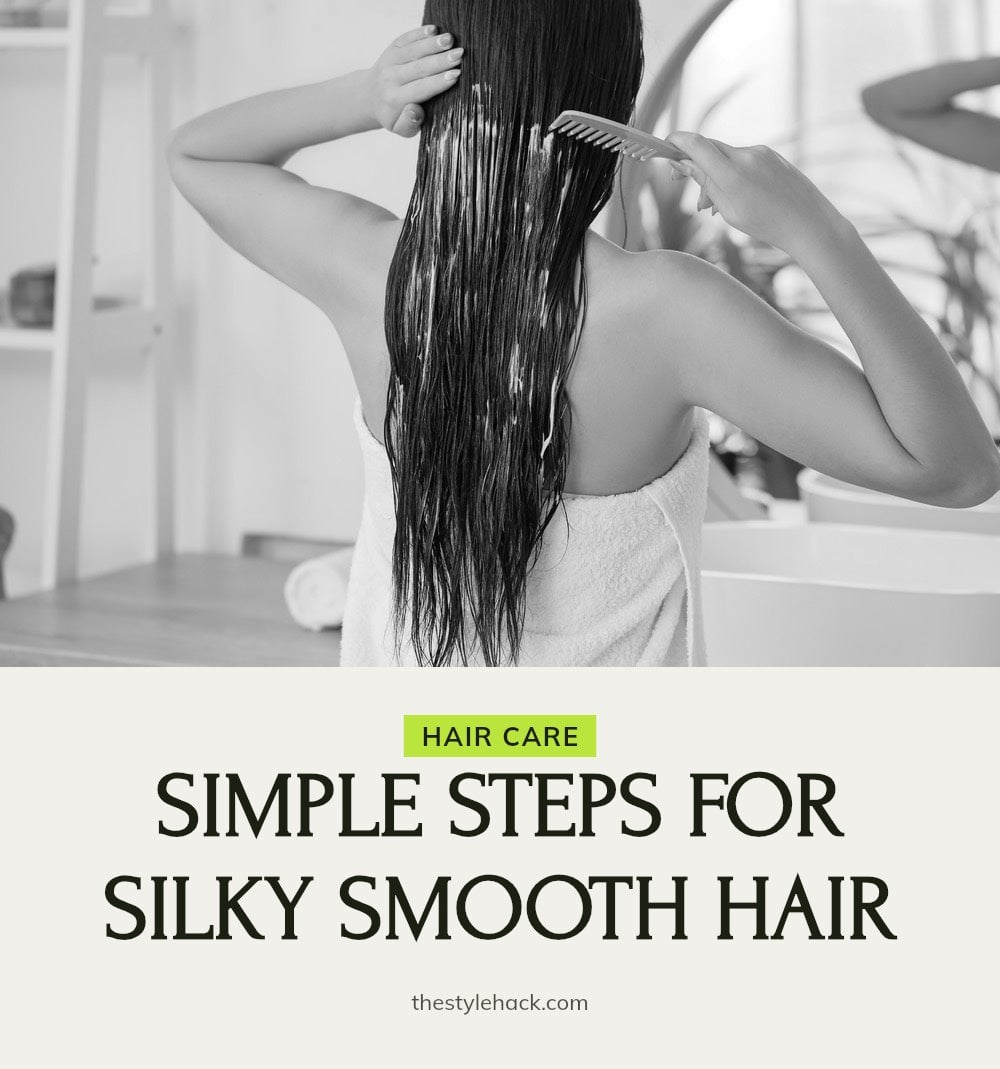
Incorporating glycerin into your routine is simple, whether you use commercial products or go the DIY route.
- Check ingredient lists: Look for glycerin, glycerol, or glycerine in your moisturizers, serums, conditioners, and shampoos. It’s often listed near the top if it’s a key ingredient.
- Apply to clean, damp skin or hair: Glycerin works best when it has water to pull from. After cleansing, lightly pat your skin or hair dry, then apply your glycerin-containing product.
- Dilute pure glycerin: Never use it straight. Mix one part glycerin with three parts water or a carrier oil. This prevents stickiness and potential irritation.
- Seal it in dry climates: If the air is very dry, glycerin can pull moisture from your skin instead of the air. Follow up with an occlusive moisturizer, like one with petrolatum or shea butter, to lock it in.
- Patch test new products: Especially those with high glycerin concentrations. Apply a small amount to your inner forearm and wait 24 hours to check for any reaction.
6. Common Glycerin Mistakes to Avoid
Applying pure glycerin undiluted: Pure glycerin is too potent on its own. Always mix it with water or a carrier oil like jojoba or almond oil before applying to skin or hair.
Using glycerin in very low humidity without sealing it in: In dry air, glycerin can pull moisture from your deeper skin layers instead of the air. Follow with an occlusive moisturizer to lock hydration in.
Expecting glycerin to be a standalone miracle cure: Glycerin hydrates, but it works best with other emollients and occlusives in a complete routine. It is not a fix-all for severe dryness.
Using excessive amounts: A little goes a long way. Too much leaves a sticky residue and can feel heavy on skin or hair.
7. Best Tips for Maximizing Glycerin’s Benefits

Combine with other hydrators: Pair glycerin with ceramides or hyaluronic acid for deeper, longer-lasting moisture. These ingredients work together to support your skin barrier.
Consider your climate: Glycerin performs best in humid environments where it can pull water from the air. In dry climates, always seal it with an occlusive.
Check concentration: Most products contain 1-10% glycerin, which is ideal. Higher concentrations may need extra dilution or careful application.
Listen to your skin: If you notice redness, itching, or burning, stop using the product. Patch test any new glycerin item on a small area first.
8. When to Expect Results and What to Consider
Timeline for results: You may notice softer, more hydrated skin or hair within a few uses. Consistent application over weeks leads to long-term improvements in moisture and barrier health.
Frequency of use: Glycerin is safe for daily use in most formulations. Apply it to clean, damp skin or hair for best absorption.
Cost considerations: Glycerin is a very affordable ingredient, so products containing it are widely accessible at various price points.
Product longevity: A little glycerin goes a long way. Products tend to last because you need only a small amount per application.
9. When to Consult a Professional
See a dermatologist or haircare professional if you experience persistent redness, itching, or burning after using glycerin products. Also consult them if you suspect an allergic reaction to glycerin or another ingredient in a product. If your skin or hair condition worsens despite consistent glycerin use, professional guidance can help. For specific conditions like eczema or severe dryness, a professional can offer personalized advice on incorporating glycerin into your routine.
10. Frequently Asked Questions
11. Is glycerin good for all skin types?
Yes, glycerin is generally suitable for all skin types, including sensitive and oily skin. It is non-comedogenic, so it is unlikely to clog pores. However, if you have very sensitive skin, it is a good idea to patch test a new product containing glycerin before using it all over your face.
12. Can I use glycerin every day?
Yes, glycerin is safe for daily use when it is part of a properly formulated product like a moisturizer or serum. Apply it to clean, damp skin or hair for the best absorption. If you are diluting pure glycerin yourself, use it no more than once a day to avoid potential stickiness or irritation.
13. What’s the difference between glycerin and hyaluronic acid?
Both are humectants, but they work a little differently. Glycerin is a smaller molecule that penetrates the outer layer of skin to draw in moisture, while hyaluronic acid is a larger molecule that sits on the surface and holds water. They complement each other well and are often used together in products for deeper hydration.
14. Does glycerin make skin sticky?
Glycerin can feel sticky if you use too much or apply it in high concentrations without diluting it. In commercial products, the concentration is usually low enough to avoid stickiness. If you are mixing your own, start with a small amount and blend it with water or a carrier oil to get a light, non-sticky texture.
15. Can glycerin cause breakouts?
Glycerin is considered non-comedogenic, meaning it is unlikely to clog pores or cause breakouts for most people. In fact, it can help balance oil production by keeping skin hydrated. However, if you have very acne-prone skin, it is always a good idea to check the full ingredient list of any product, as other ingredients may be comedogenic.
16. Final Thoughts
My tip: Stick to products where glycerin is listed in the ingredient list rather than using pure glycerin on its own. You can expect to see softer, more hydrated skin or hair within a few uses, with consistent application leading to long-term improvements. For most people, glycerin is a safe and effective daily hydrator that works well in a balanced routine.
More Blog ideas
- How to Heal Chapped Lips Overnight with Simple Steps
- Atomic Habits: 5 Lessons to Build Better Habits
- Hyaluronic Acid for Beginners
- How to Build a Gentle Skincare Routine for Sensitive Skin
- Beat Frizzy Hair: Easy Remedies for Smooth, Shiny Strands
- How to Increase Your Daily Drinking Water Intake
- Washing Hair Mistakes to Avoid and What to Do Instead
- Bleaching Hair Tips for Less Damage
- How to Make Your Body Mist Last Longer All Day
- How to Fix Your Skincare Routine
- Nervous System Regulation Tips
- Vagus Nerve Exercises for Stress Relief






