How to Grow Eyebrows Naturally: Habits that Help
Learn how to grow your eyebrows naturally with effective habits, nourishing remedies, and essential tips for fuller, healthier brows.

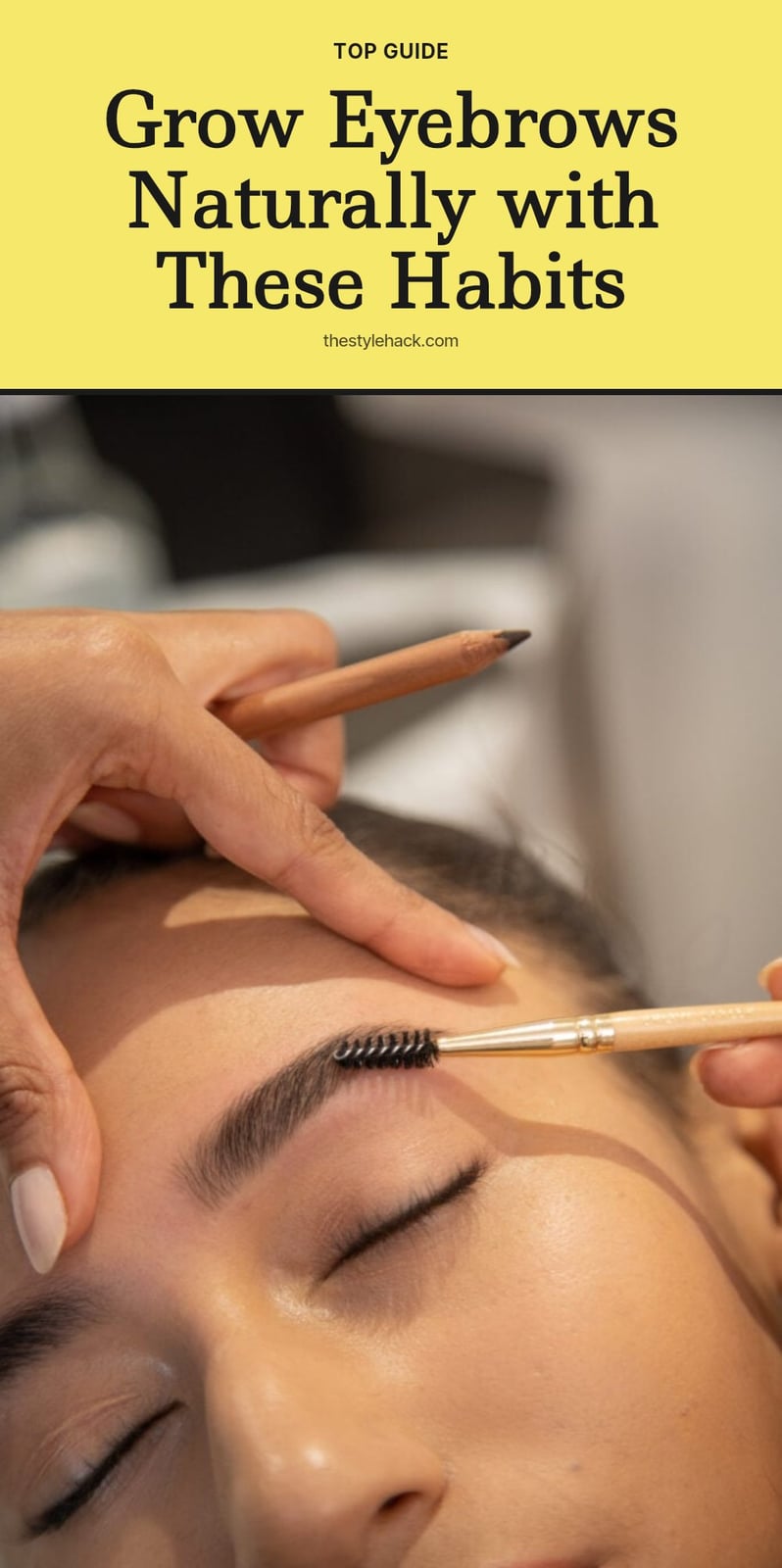
If you’ve noticed your eyebrows looking sparser than they used to, you’re not alone. Over-plucking, aging, or just genetics can leave brows thinner over time. The good news is that with consistent care and patience, you can encourage natural regrowth at home. This article covers the habits, oils, and lifestyle shifts that can help your brows grow back fuller, plus what to avoid along the way.
Key Takeaways
- Expect noticeable eyebrow regrowth in 2 to 4 months with consistent daily care.
- Massage your brows daily with a nourishing oil like castor oil to stimulate follicles.
- Avoid over-plucking or waxing, which can permanently damage hair follicles.
- Eat a balanced diet rich in protein, vitamins A, C, E, and B, plus iron and zinc.
- Consult a doctor if thinning is sudden or severe to rule out underlying conditions.
1. How to Encourage Natural Eyebrow Growth
Growing eyebrows naturally takes patience and a consistent routine. You can expect to see noticeable results in 2 to 4 months if you stick with it. The eyebrow hair growth cycle is much shorter than scalp hair, so steady care matters more than quick fixes. Combining a topical treatment like castor oil with a balanced diet gives your follicles the external nourishment and internal support they need for natural regrowth.
2. Essential Tools and Ingredients for Eyebrow Regrowth

To start your eyebrow regrowth journey, you only need a few basic items.
- Castor oil: A popular choice for its nourishing fatty acids, believed to strengthen and condition hair.
- Clean spoolie brush: Essential for applying oil evenly and giving your brows a gentle massage.
- Mild cleanser and moisturizer: Keeping the skin around your brows clean and hydrated creates a healthy environment for growth.
3. Your Daily Routine for Thicker Eyebrows
Start your routine with clean skin. Use a mild cleanser on your brow area each evening to remove makeup, sunscreen, and daily grime. Avoid harsh scrubs or hot water, which can strip the natural oils your follicles need.
- Cleanse gently: Wet a cotton pad with a gentle micellar water or your regular facial cleanser and sweep it along the brow hairs in one direction. Rinse with lukewarm water and pat dry with a soft towel, never rub.
- Massage the area: With clean fingertips, press and make small circles along your brow bone for 1 to 2 minutes. Work from the inner corner toward the tail. This boosts blood flow, which helps deliver nutrients to the follicles.
- Apply oil nightly: Use a clean spoolie brush to coat your brows with a thin layer of castor oil, olive oil, or coconut oil. Brush upward and outward so every hair is covered, then gently tap the skin with your ring finger to help it absorb.
- Keep it consistent: Stick to this exact routine every night for at least 2 to 4 months. Eyebrow hair grows in a short cycle of about 30 to 45 days, so skipping nights means you interrupt that cycle.
My tip: do the massage right after cleansing while your skin is still slightly damp. The oil spreads more evenly and sinks in faster. If you use coconut oil, warm a tiny drop between your fingers first so it melts into liquid.
Caution: never apply oil so thick that it drips into your eyes, and always do a patch test on your inner arm before your first full application. If you see redness or itchiness, stop using that oil and switch to a different one. Consistency matters more than quantity, so a thin, even coat each night will beat a heavy glob applied once a week.
4. Natural Oil Remedies for Eyebrow Growth
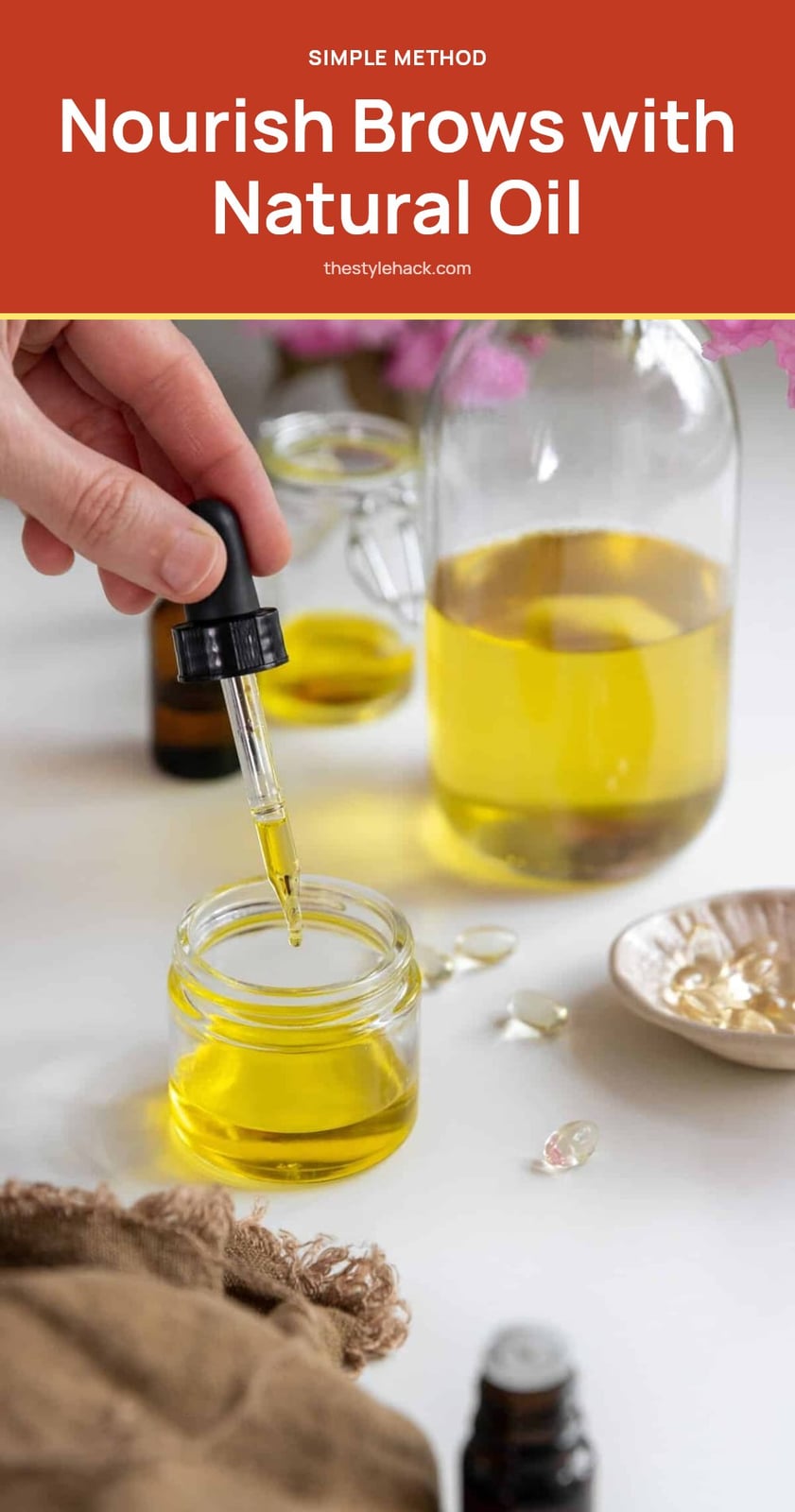
Natural oils are a go-to for many people trying to encourage brow growth, and each one brings something different to the table. Castor oil is the most well-known option, packed with fatty acids and nutrients that are believed to strengthen hair and nourish the follicle. To use it, dip a clean spoolie into the oil and brush it through your brows in short, upward strokes. Leave it on overnight and rinse gently in the morning.
Olive oil is another solid choice, rich in vitamins A and E that moisturize and protect the hair shaft. It is especially helpful if your brows feel dry or brittle from styling or sun exposure. Apply a few drops to your fingertips and pat it over the brow area, then let it sit for 20 to 30 minutes before washing off.
Coconut oil earns its place for deep conditioning. It can help prevent protein loss from the hair, which keeps each strand stronger and less prone to breakage. Warm a tiny amount between your fingers so it melts, then massage it into your brows for a minute or two. Do this a few nights per week, and wipe off any excess with a cotton pad if it feels heavy.
Caution: Always do a patch test before trying any new oil on your brows. Apply a small dab to the inside of your forearm and wait 24 hours. If you see redness, itching, or swelling, skip that oil and try a different one.
My tip: rotate between two oils, like castor oil for nourishment and coconut oil for conditioning, so your brows get a broader range of benefits without overloading them with one product.
5. Understanding Why Eyebrows Thin
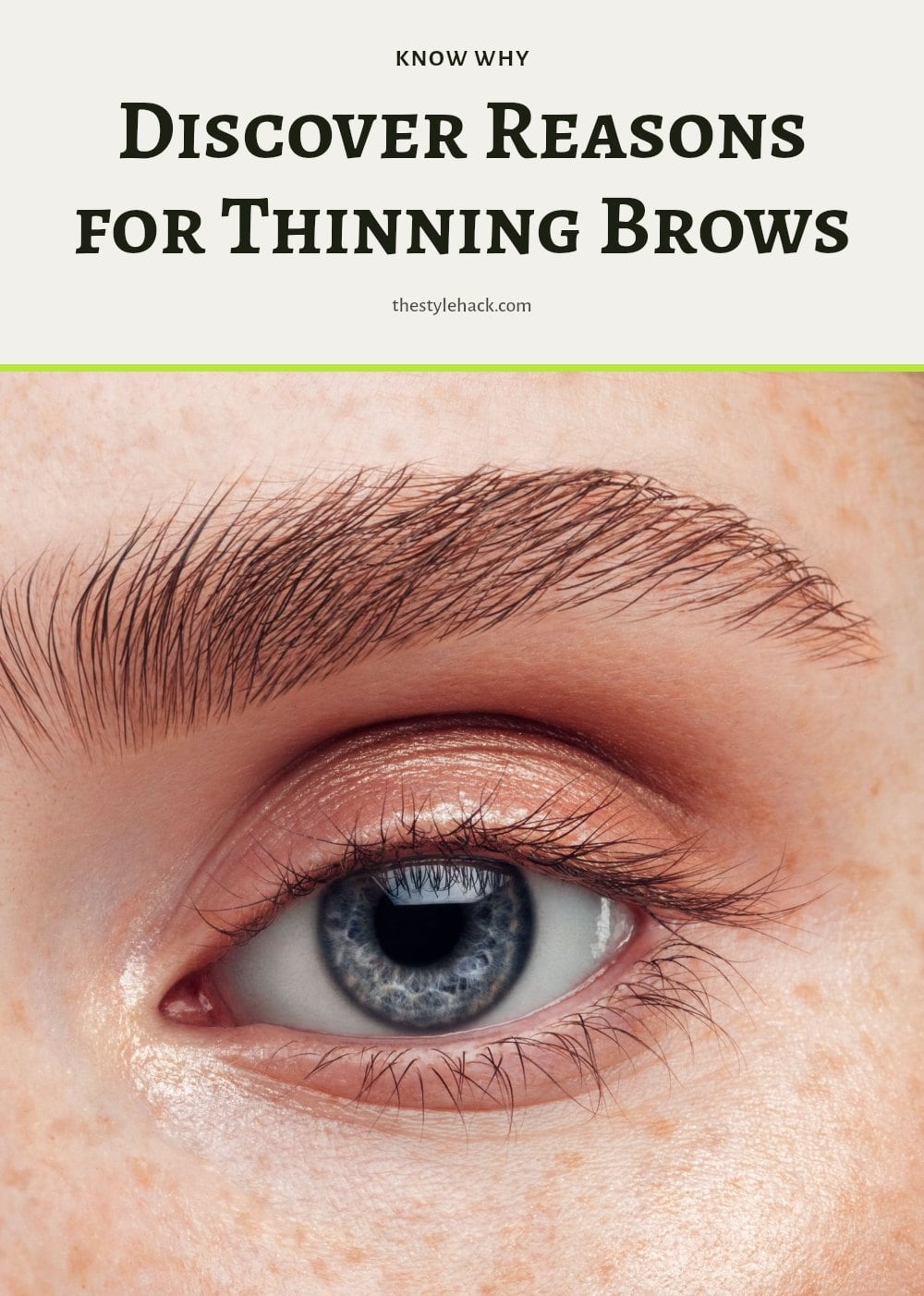
Eyebrow hair goes through the same growth cycle as scalp hair, but the anagen (growth) phase lasts only about 30 to 45 days, compared to 2 to 7 years for your scalp. That short cycle means each brow hair has less time to grow, so any damage hits harder and recovery takes longer.
Over-plucking or waxing is the biggest culprit. Repeatedly pulling hairs from the follicle can damage it over time, and in some cases the follicle stops producing hair altogether. What looks like a temporary fix can become a permanent bare patch.
Other factors play a role too. Nutritional deficiencies, especially low iron, zinc, or B vitamins, can slow growth. Chronic stress disrupts the hair cycle and can push more follicles into the resting phase. And certain medical conditions, like thyroid disorders, may cause noticeable thinning that won’t improve with topical care alone.
6. Common Mistakes Hindering Eyebrow Regrowth
Even with the right routine, a few habits can quietly undo your progress.
- Plucking too soon: Resist the urge to remove new growth, even stray hairs. Every pluck interrupts the growth cycle and delays the fuller look you want.
- Expecting instant results: Natural regrowth takes 2 to 4 months minimum. Consistent nightly oil application matters more than any quick fix.
- Neglecting diet and health: Hair follicles need protein, vitamins, and minerals from the inside. Skipping meals or running on stress slows everything down.
- Using harsh products: Chemical dyes, expired oils, or aggressive scrubs irritate follicles and can trigger shedding. Stick to gentle, fresh products.
My tip: keep your tweezers in a drawer you rarely open for at least three months. Out of sight really helps.
7. Lifestyle Tips for Healthier Eyebrow Growth

What you do off your brows matters just as much as what you put on them.
- Boost your diet: Load up on protein from eggs, fish, or beans, plus vitamin A, C, E, and B-rich foods like leafy greens, citrus, and nuts. Iron and zinc from lean meat or legumes support follicle health directly.
- Manage stress: High stress pushes hairs into the resting phase and can accelerate shedding. Even 10 minutes of deep breathing or a short walk daily helps keep your cycle steady.
- Protect your brows: Sun exposure weakens hair and dries the skin underneath. Wear a hat or apply sunscreen across your forehead when you’re outdoors for long stretches.
- Consider biotin: If your diet falls short, a biotin supplement might support growth, but check with a healthcare professional first, especially if you take other medications.
Pro move: pair these habits with your nightly oil routine so they become automatic.
8. When to Consult a Doctor About Eyebrow Loss
Natural methods work for gradual thinning, but some situations need a doctor’s input. If your brows are suddenly much thinner, or you notice patchy loss alongside fatigue, unexplained weight changes, or skin issues, book an appointment. These can signal thyroid disorders, anemia, or autoimmune conditions that require proper diagnosis.
A dermatologist is your best resource when home care isn’t producing results after several months, or if you suspect permanent follicle damage from past waxing or plucking. They can assess the condition and offer medical treatments that go beyond what oils can do.
Caution: Don’t ignore rapid or one-sided brow loss. It’s worth a professional look, even if everything else feels fine.
9. Frequently Asked Questions
10. How long does it take for eyebrows to grow back naturally?
Significant natural eyebrow growth usually becomes noticeable in 2 to 4 months, but full regrowth can take up to a year or longer. The timeline depends on your genetics, how much damage has been done, and how consistently you care for your brows.
11. Can stress cause eyebrow thinning?
Yes, stress can contribute to eyebrow thinning. High stress levels impact the hair growth cycle, potentially pushing more hairs into the resting or shedding phase. Managing stress through relaxation techniques or exercise may help support regrowth.
12. Are there any foods that help eyebrow growth?
Foods rich in protein, vitamins A, C, E, and B vitamins, as well as iron and zinc, support healthy hair growth. Think eggs, fish, leafy greens, citrus, nuts, and beans. A balanced diet gives your follicles the nutrients they need.
13. Is it normal for one eyebrow to be thinner than the other?
Yes, it is completely normal for one eyebrow to be naturally thinner or shaped differently than the other. Most people have some asymmetry. Focus on caring for both brows consistently rather than trying to make them identical.
14. Can I use essential oils on my eyebrows?
You can use essential oils like rosemary or lavender oil, but always dilute them with a carrier oil (such as jojoba or coconut oil) first. Perform a patch test on your arm to check for irritation, and avoid getting any oil into your eyes.
15. What is the best natural oil for eyebrow growth?
Castor oil is the most popular natural oil for eyebrow growth because of its nourishing fatty acids. While scientific evidence specifically for brow growth is limited, many people find it helps condition and strengthen existing hairs. Olive oil and coconut oil are good alternatives.
16. Final Thoughts
Stick with a simple nightly routine of cleansing, oiling, and massaging, and give it at least 2 to 4 months before you judge the results. Natural regrowth takes time, and genetics play a big role, so patience is key. My tip: focus on protecting the brows you have now, and let the new growth come in without interruption.
This article is for general informational purposes only and is not a substitute for professional medical advice. If you have persistent or severe eyebrow thinning, or if you suspect an underlying health condition, please consult a doctor or dermatologist.
More Blog ideas
- How to Heal Chapped Lips Overnight with Simple Steps
- Atomic Habits: 5 Lessons to Build Better Habits
- Hyaluronic Acid for Beginners
- How to Build a Gentle Skincare Routine for Sensitive Skin
- Beat Frizzy Hair: Easy Remedies for Smooth, Shiny Strands
- How to Increase Your Daily Drinking Water Intake
- Washing Hair Mistakes to Avoid and What to Do Instead
- Bleaching Hair Tips for Less Damage
- How to Make Your Body Mist Last Longer All Day
- How to Fix Your Skincare Routine
- Nervous System Regulation Tips
- Vagus Nerve Exercises for Stress Relief






